Grab a coffee, because I need to vent about something I hear in almost every leadership meeting I’ve ever sat through: “We need our team to be more productive.” Two minutes later, someone else says, “We need to improve employee efficiency.” Same sentence, different meeting, and 90% of the time, nobody in the room actually means the same thing.
I’ve managed teams long enough to know this isn’t just semantics. Productivity vs efficiency is one of those debates that sounds like corporate jargon until you realize it’s actually the difference between a team that burns out and a team that thrives. So let’s actually settle it.
What Efficiency Really Means
Efficiency, at its simplest, is about doing things with the least amount of waste. It’s the ratio between what you’ve actually produced and what it cost you in time, money, effort, or resources to produce it.
Here’s the thing people forget: employees aren’t machines. You can’t just plug someone in and expect a fixed output every single day. People run on a mix of time, energy, motivation, and yes, a paycheck. Efficiency is what happens when all of that lines up well against the resources spent.
Efficiency generally shows up in two flavors:
- Static efficiency — polishing what already exists. Think tightening up an existing process, fixing a clunky workflow, or squeezing more value out of a tool you already use.
- Dynamic efficiency — building something new. New products, new systems, new ways of solving the same old problem.
Both matter. Which one your team should focus on usually depends on where the company is trying to grow.
What Productivity Actually Means
Productivity is a different animal entirely. It’s about output, plain and simple. How much did you get done in a given stretch of time?
And here’s where it gets interesting: people are not factories. A machine on an assembly line produces the same widget count hour after hour. Humans don’t work that way. One person might crank through twice as much as their equally talented coworker on any given day, and that’s completely normal. It means two employees who look “equal” on paper can bring very different value to the table.
What is employee productivity like?

Every employee has a preset number of tasks he can complete per month, week, or day. In contrast to the output of factories, the output of people is rarely constant; one person may achieve more in the same period as another.
For companies in situations like these, it makes more sense to value one employee over another, even when they provide different outputs in terms of efficiency.
Productivity vs Efficiency: The Actual Difference
Okay, here’s the part everyone actually wants answered.
Efficiency is about the effort and resources poured into the work. Productivity is about how much work actually gets finished in a set window of time.
Another way I like to frame it for my own team: productivity is proactive, efficiency is reactive.
Let me give you a picture instead of a definition, because that’s how it finally clicked for me.
Say your team processes 50 documents an hour. If you’re chasing productivity, you’re asking: “How do we get that number higher?” Maybe you tweak the workflow and cut a redundant approval step, and now your team is doing 60 documents an hour. Boom, productivity just jumped 10%.
Now flip the scenario. Budget gets cut. Headcount shrinks. But leadership still expects that same 60-documents-an-hour pace. That’s not a productivity conversation anymore — that’s an efficiency conversation. You’re trying to hit the same output with fewer resources.
So here’s the short version I tell new managers: efficiency is about survival with less, productivity is about growth with what you’ve got. When one goes up, the other tends to take the hit, which is exactly why so many teams struggle to optimize both at once.
Why Productivity Actually Matters (More Than You Think)
Back in January 2005, the Society for Human Resource Management (SHRM) published findings from a poll that, honestly, still feels relevant today. They surveyed both HR professionals and employees about attitudes toward productivity, and one term kept surfacing: presenteeism.
Presenteeism is when someone shows up to work while sick, distracted, or mentally checked out. Physically present, but producing next to nothing. In the UK portion of that survey, roughly 613 people weighed in, and 41% of employees, alongside 59% of HR managers, admitted that people show up even when they know they won’t be productive that day.
That’s a company paying for a seat, not for output. And it’s exactly why leadership needs to understand the psychology behind their people before trying to “fix” productivity numbers with a spreadsheet.
How to Measure Employee Efficiency (The Right Way)
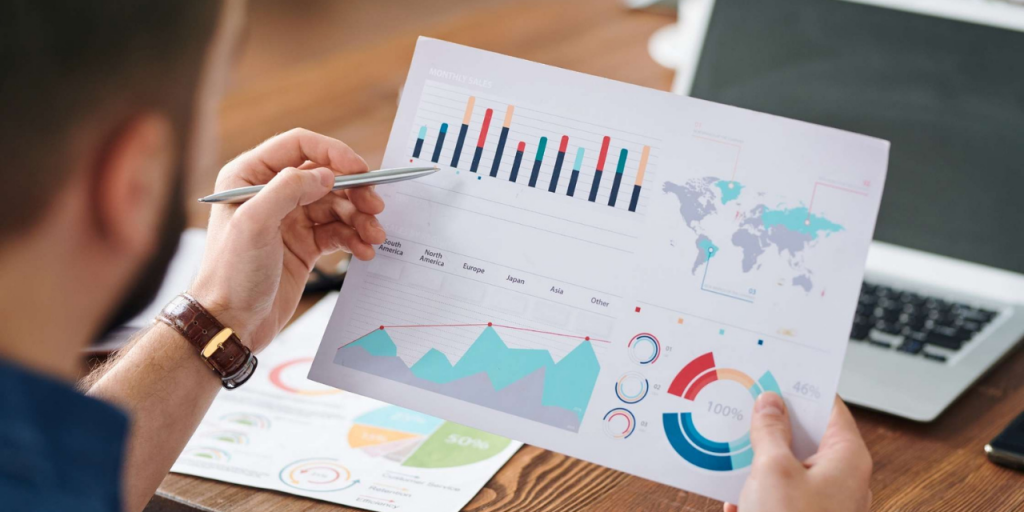
If you’re serious about improving employee efficiency, you can’t just eyeball it. Here’s the framework I’ve seen actually work:
- Set Base Metrics — Every role needs a benchmark. Without one, you’re measuring against a moving target, and that never ends well for anyone.
- Run Training Programs — Give people the tools to actually understand where their efficiency stands and what’s holding it back.
- Clarify Roles — Vague job descriptions create vague performance. Define what success looks like for each seat.
- Measure the Right Things — Don’t judge based on appearances. Look at how smoothly work flows, how fast clients get served, and how satisfied they are with the end result.
- Collect Client Feedback — Feedback from the people actually using your product or service tells you things internal metrics can’t.
- Set Real Targets — Give your team something concrete to aim for, then track progress against it honestly.
- Value Completed Work — Deadlines met with quality intact are the clearest signal of real efficiency.
- Monitor Consistently — Presenteeism and quiet burnout hide in plain sight. Catching it early with genuine care for your employees’ wellbeing protects both your team and your output. Tools like PC monitoring or employee management software (EmpMonitor is one worth knowing) can help surface these patterns before they become bigger problems.
Learn more about PC Monitoring Software
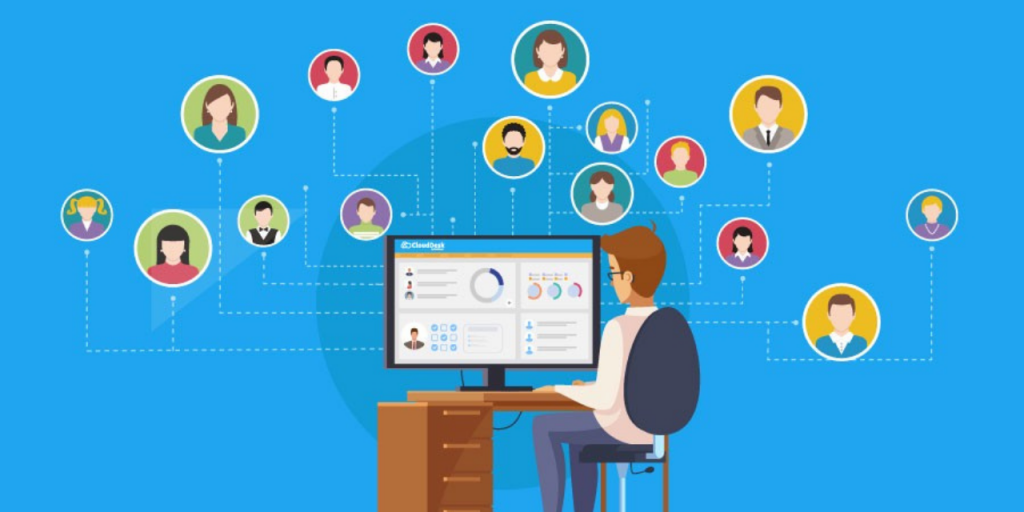
Software like this typically offers:
-
- Automatic screenshot capture at set intervals
- Insider-threat review and alerts
- Visibility into where time actually goes during the workday
What Is Employee Management Software, Anyway?
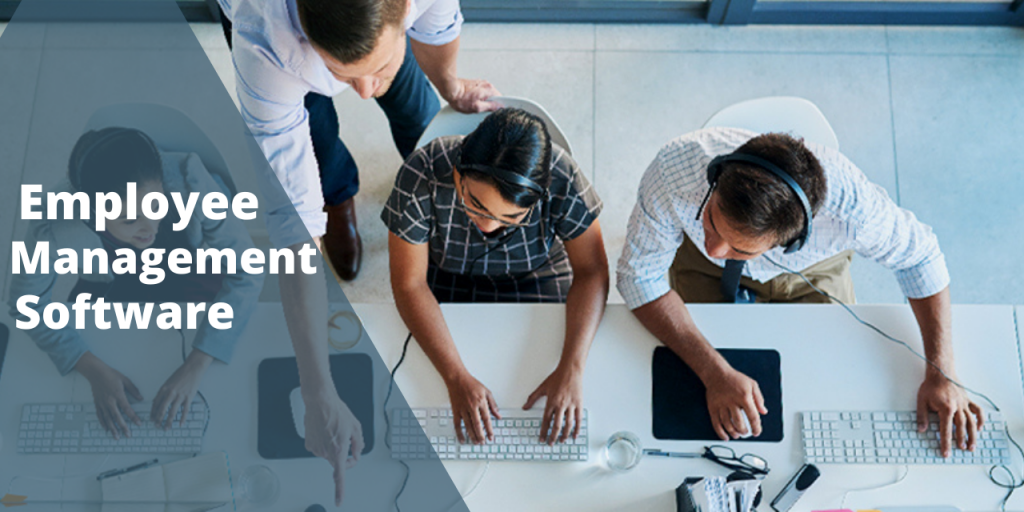
Employee Management Software (EMS) is cloud-based software built to streamline everything HR touches: onboarding, offboarding, attendance, payroll, performance tracking, leave records, and personal employee data, all in one place. It doesn’t just track productivity and efficiency; it gives HR teams a single dashboard instead of five scattered spreadsheets. EmpMonitor is one option worth exploring if you’re shopping in this category.
6 Ways to Actually Improve Employee Efficiency
This is the part that separates decent managers from great ones. It’s not about cracking the whip; it’s about creating the conditions where efficiency happens naturally. Here are some actual ways to improve employee efficiency.
Show Up for Your People — Support during hard moments, whether that’s a medical situation or someone quietly struggling, builds the kind of loyalty no bonus check can buy.

Invest in Their Comfort — Better chairs, better tools, decent snacks, or the occasional team lunch. Small things compound.
Lead with Respect — From the newest hire to the department head, everyone should feel like they matter.
Put Good Leaders in Front of New Talent — Junior employees learn by example. Give them managers worth learning from.
Appreciate the Effort, Not Just the Result — And when someone falls short, handle it with respect, not humiliation.
Be Transparent About Monitoring — People behave differently when they know their work is visible, the same way foot traffic slows near a “You Are Under CCTV Surveillance” sign. Transparency here isn’t about distrust; it’s about accountability.
What are the features of EmpMonitor? How does it help to improve employee efficiency?
- Track Working Hours – with this amazing feature, you can track the number of hours worked by an employee.
- Ideal hours – This feature lets you know if your employees are sitting idle.
- Capture Screenshots- You can automatically capture the screenshots of your employee’s system at a specific interval of time.
- Track Chatting Hours – Easily track the number of hours your employees spend on chatting applications.
- Client Time – Track the amount of time a BDM, project manager, or other employee spends in meetings with clients.
- Staff Report – Generate graphs based on the activities of your employees & create reports based on the overall performance of the day, month, and year.
- Website & Application Usage – Track the websites & apps used by your employees during working hours.
- Cross Platforms – EmpMonitor works perfectly with all platforms, including IOS, Windows, Linux, Ubuntu, Android, etc., which makes the installation easy.
- Cloud Storage – Keep your data safe and secure as EmpMonitor uses cloud storage to save your data.
- Monitor keyboard activity – Record the keystroke of your employees while they are at work.
- Attendance – Capture clock-in and clock-out times of your employees and keep a record of it.
- Payroll – Generate automatic pay-slips of your employees every month based on the recorded data.
- Track Productivity – Easily calculate the productivity of your employees through detailed insights.
As you can see it is not very difficult to understand the difference between employee efficiency and productivity. We have seen how to measure employee efficiency. The key point is to use a tool or an application just like CCTV at your office which prevents any kind of unethical or illegal circumstances, the same you have to put in your system for the performance.
Read More:
List of best productivity tools in 2022.
07 Wellness programs to foster employee productivity.
5 Best employee tracker software for improved productivity.
Employee privacy VS employee productivity: how does employee monitoring software keep balance?
12 reasons for using an employee time calculator in your organization
How To Master Takt Time: Formula and Calculation Techniques