
The General Data Protection Regulation (GDPR) has set stringent standards for the protection of personal data, and this extends to employee data. Businesses that collect and monitor employee information must understand the importance of respecting data subject rights, which are core to GDPR compliance. These rights give employees control over their personal data, including the ability to access, correct, or even request the deletion of their information.
For organisations, this means that employee monitoring tools must be implemented in a way that respects these rights. Failing to do so can result in hefty fines and harm to the company’s reputation.
This blog will explain how GDPR affects the monitoring of employee data and provide insights into how businesses can navigate the complexities of data subject rights without running the risk of non-compliance.
You can Listen to this blog here.
Understanding GDPR and Data Subject Rights

The General Data Protection Regulation (GDPR) was implemented to strengthen and unify data protection laws across Europe, giving individuals more control over their personal data. It applies to any organization that processes the personal data of EU citizens, regardless of where the organization is based. For employers, this means that the handling, storing, and monitoring of employee data must comply with the rules outlined in General Data Protection Regulation.
At the heart of GDPR are the data subject rights, which ensure that individuals (including employees) have a say in how their personal information is processed. These rights not only give employees more transparency over how their data is used but also provide them with the ability to challenge, request, or withdraw consent over the collection and processing of their information.
For businesses, understanding and implementing these rights is vital to avoid potential fines or legal challenges. These rights are designed to promote transparency and fairness, making it crucial that businesses respect them when they monitor or track employee data.
The Key Data Subject Rights Under GDPR
GDPR provides employees with several key rights over their personal data. Understanding these rights is essential for businesses to stay compliant. Here are the main data subject rights:
1. Right to Access
Employees can request access to their personal data and how it’s being processed. Employers must provide this within one month at no cost.
2. Right to Rectification
Employees can ask for corrections to inaccurate or incomplete data, ensuring records are up-to-date.
3. Right to Erasure
Employees can request deletion of their data when it’s no longer necessary, especially after leaving the company.
4. Right to Restrict Processing
Employees can limit how their data is processed, for example, if it’s inaccurate.
5. Right to Data Portability
Employees can request that their data be transferred to another organization in a readable format.
6. Right to Object
Employees can object to data processing for certain purposes, like direct marketing.
7. Rights Related to Automated Decision-Making
Employees can challenge decisions made solely by automated systems if they significantly affect them.
How GDPR Affects Employee Monitoring
GDPR places specific requirements on businesses when it comes to monitoring employee data. While employee monitoring can be an essential tool for improving performance and maintaining security, it must be done in a way that respects data subject rights and ensures privacy.
Employers must ensure that any employee monitoring, whether it’s tracking emails, monitoring activity on company devices, or measuring productivity, is carried out transparently and justifiably. This means that employees need to be informed about what data is being collected, how it will be used, and why it’s necessary for business operations.
Additionally, businesses must ensure that they don’t collect more data than is necessary. For instance, monitoring software should not track every single action or keystroke, but instead, focus on specific, necessary metrics that align with business goals.
General Data Protection Regulation requires that employees give consent for monitoring in many cases, and businesses must provide a clear opt-in process. Furthermore, monitoring should only occur for legitimate purposes, like improving productivity or securing company resources, and must be balanced against the employees’ rights to privacy.
Challenges of Monitoring Employee Data Without Violating GDPR
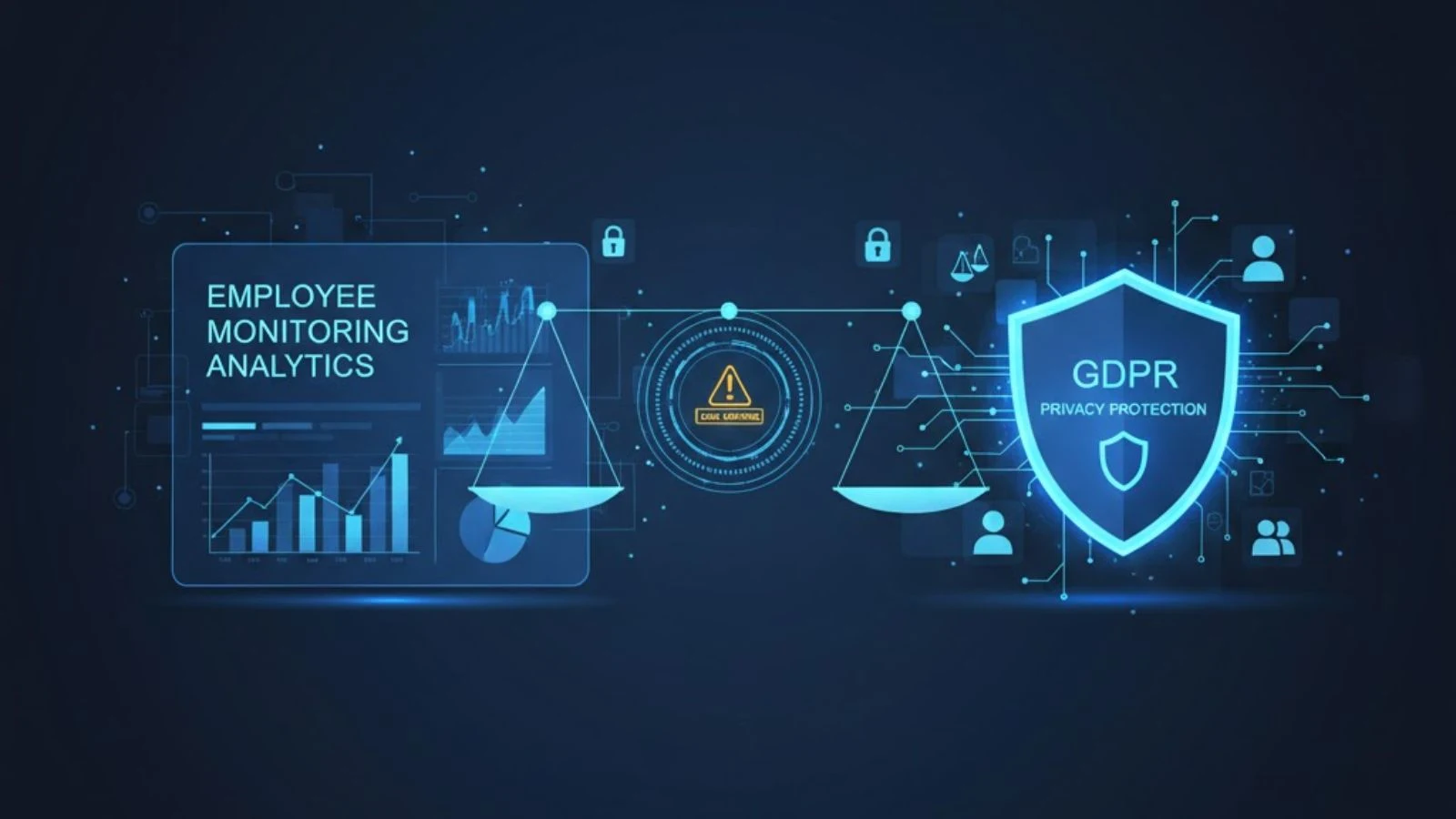
While employee monitoring is valuable for business operations, it also presents several challenges under GDPR. The primary concern is balancing the need for data monitoring with the rights of employees.
Risk of Non-Compliance
Failing to comply with General Data Protection Regulation can lead to significant penalties, including fines of up to €20 million or 4% of global turnover, whichever is higher. Businesses that don’t respect data subject rights or that fail to obtain proper consent for monitoring could face these steep consequences.
Common Mistakes
Many organizations unknowingly make mistakes when it comes to employee monitoring, such as:
- Failing to get clear consent from employees.
- Collecting excessive or irrelevant data.
- Not providing employees with the ability to exercise their rights (like access or deletion).
- Not regularly reviewing monitoring practices to ensure compliance.
Employee Trust
Another challenge is maintaining employee trust. Overly invasive monitoring can negatively affect employee morale and even lead to legal challenges. Ensuring transparency and allowing employees to exercise their rights will help businesses maintain a positive relationship with their staff while meeting regulatory requirements.
How EmpMonitor Helps You Stay Compliant
EmpMonitor is a GDPR-compliant employee monitoring tool designed to help businesses track employee performance while ensuring full compliance with data subject rights. By using EmpMonitor, businesses can monitor productivity, track performance, and ensure the security of company resources all while respecting employee privacy and adhering to GDPR.
Key Features of EmpMonitor for GDPR Compliance:
- Opt-In Consent: EmpMonitor provides an easy way for employees to give explicit consent before being monitored, ensuring compliance with GDPR’s consent requirements.
- Data Anonymization: EmpMonitor anonymizes sensitive data wherever possible, minimizing the risk of exposing personal information.
- Access Control: Only authorized personnel can access employee data, and employees can request to see or delete their information as needed, fulfilling their right to access and right to erasure.
With these features, EmpMonitor helps businesses monitor employee data efficiently without infringing on their rights, providing a clear and transparent approach to data collection
Best Practices for Monitoring Employee Data Without Violating GDPR
To ensure that employee monitoring aligns with data subject rights under General Data Protection Regulation, businesses should adopt certain best practices. These practices not only help stay compliant but also maintain trust and transparency with employees.
1. Obtain Clear Employee Consent
Before any monitoring takes place, it’s crucial to get explicit consent from employees. This can be achieved through opt-in consent forms or agreements. Consent must be freely given, specific, informed, and unambiguous.
2. Limit Data Collection to What’s Necessary
GDPR mandates that only necessary data should be collected. Avoid gathering excessive information that doesn’t contribute to the core business goals. For example, tracking website visits or keystrokes may be unnecessary unless they are directly tied to specific business operations.
3. Make Data Subject Rights Easily Accessible
Employees should be able to easily exercise their data subject rights, such as requesting access to or deletion of their data. Establish clear and simple processes for them to make such requests.
4. Regularly Review Monitoring Practices
Monitoring strategies should be reviewed periodically to ensure they are still necessary and aligned with business goals. This also helps identify any potential risks of non-compliance and address them promptly.
5. Ensure Data Security
Implement robust security measures to protect employee data. This includes using encryption, limiting access to data, and regularly auditing your monitoring systems for vulnerabilities.
By following these best practices, businesses can ensure they are monitoring employee data effectively while respecting their rights and remaining compliant with General Data Protection Regulation.
Also read,
The Ultimate Guide To Employee Data Protection In 2025
The Role Of Employee Monitoring Software In Successful Workplaces
Conclusion
Respecting data subject rights and complying with GDPR while monitoring employee data is not just a legal obligation; it’s essential for building trust and maintaining a positive work environment. Businesses that fail to adhere to General Data Protection Regulation’s strict regulations risk facing significant fines, legal issues, and damage to their reputation.
Using tools like EmpMonitor can help businesses strike the right balance between monitoring employee performance and respecting privacy. By providing clear consent mechanisms, ensuring data security, and offering transparency to employees, EmpMonitor makes it easier for organizations to stay compliant without compromising their monitoring goals.
In conclusion, understanding and respecting data subject rights are crucial when implementing any form of employee monitoring. By adhering to best practices and leveraging GDPR-compliant tools like EmpMonitor, businesses can monitor effectively, stay compliant, and avoid costly fines.
FAQs
1. What is GDPR, and why is it important for employee monitoring?
GDPR (General Data Protection Regulation) is a set of regulations aimed at protecting the privacy and personal data of individuals within the EU. For employee monitoring, it ensures that businesses collect, process, and store employee data lawfully, transparently, and securely, while respecting employees’ rights to privacy.
2. What are data subject rights under GDPR?
Data subject rights are the rights granted to individuals (employees, in this case) under General Data Protection Regulation to have control over their personal data. These rights include the right to access, rectify, erase, restrict processing, transfer data, object to processing, and rights related to automated decision-making.
3. How can businesses ensure compliance with GDPR when monitoring employees?
To stay compliant, businesses must obtain clear consent from employees before monitoring, collect only necessary data, ensure data security, respect employees’ rights to access or delete their data, and regularly review monitoring practices for compliance.