AI-driven work environments are transforming how organizations manage their teams. While distributed teams offer flexibility and access to global talent, businesses now need effective tools to track attendance, as traditional punch cards or spreadsheets fail across multiple locations and time zones.
To maintain accountability, productivity, and smooth operations, modern solutions are essential for managing attendance efficiently.
This blog explores the modern strategies, tools, and best practices that help organizations track attendance for distributed teams efficiently.
Why Tracking Attendance Matters For Distributed Teams?
Managing a distributed workforce requires visibility and structure. Tracking attendance ensures employees are working during scheduled hours and helps managers identify patterns, potential issues, and opportunities to optimize productivity. Accurate attendance records also reduce payroll discrepancies, improve compliance with labor regulations, and foster trust among team members.
When remote employees know their attendance is monitored transparently, it promotes accountability and encourages consistent performance.
Moreover, effective attendance tracking provides valuable insights into overall team performance. Managers can identify high-performing employees, recognize patterns of absenteeism, and make data-driven decisions to improve workflow and resource allocation.
This not only enhances productivity but also helps in planning training, setting realistic goals, and supporting employee well-being across a distributed workforce.
What Are The Challenges Of Tracking Attendance In A Remote Environment?
Despite the advantages of remote work, managing attendance for distributed teams comes with unique hurdles:
Time zone differences:
Employees spread across multiple regions may start and end their workdays at different times. Manual tracking often leads to confusion, missed logs, or overlapping schedules, making accurate record-keeping difficult.
Limited visibility:
Without physical supervision, managers may struggle to monitor workflow and engagement. This can lead to uncertainty about task completion, making it harder to ensure accountability and trust across the team.
Inaccurate reporting:
Relying on spreadsheets or paper logs increases the risk of errors, missed entries, and delays. Inaccurate data can affect payroll, performance evaluations, and project planning.
Compliance and audit challenges:
Maintaining proper attendance records for labor law compliance, tax reporting, and internal audits becomes complicated without a standardized, digital system.
These challenges highlight why organizations need reliable, automated solutions to track attendance efficiently, improve accuracy, and support remote team management.
Digital Solutions ToTrack Attendance
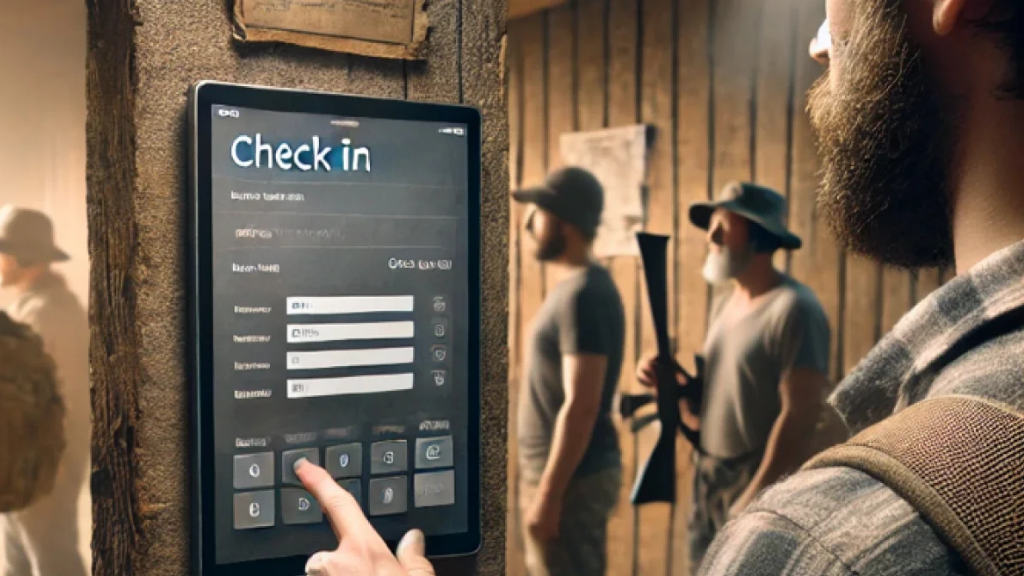
Modern technology has transformed how organizations track attendance. Digital tools automate attendance recording, improve accuracy, and simplify workforce management.
Employee Attendance Software For Remote Teams:
One effective solution is employee attendance software for remote teams. These platforms allow managers to monitor clock-ins, clock-outs, leaves, and generate attendance reports automatically. Integration with payroll systems ensures accurate wage calculations and reduces administrative burdens.
Introducing EmpMonitor
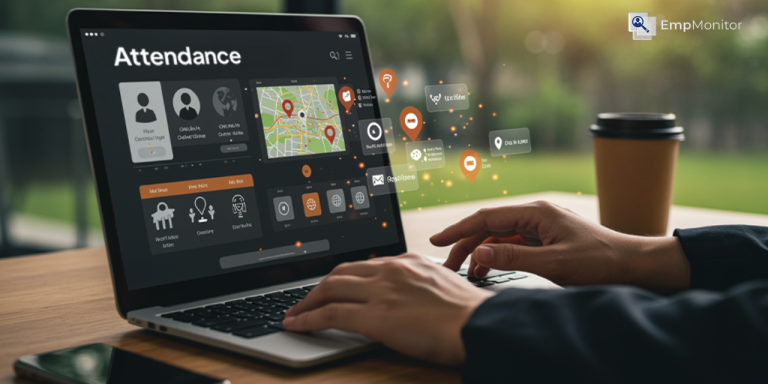
Among the top tools available, EmpMonitor stands out as a comprehensive solution to track attendance and manage remote teams. Beyond basic attendance tracking, EmpMonitor provides detailed insights into employee activity, productivity, and engagement. Its intuitive dashboard allows HR teams and managers to monitor work hours, track leaves, and maintain compliance—all while fostering team efficiency.
EmpMonitor seamlessly combines attendance monitoring, time tracking, and workforce analytics, making it an ideal solution for distributed teams looking to boost productivity and accountability.
HR Management System For Deskless Teams:
An effective solution for managing employee attendance is HR management software. These platforms allow businesses to handle employee data, track attendance, and monitor performance in a more efficient way. Among these software solutions, there are modern HR management systems for deskless teams that have specific features to meet the unique needs of mobile or field-based workers.
These solutions provide real-time attendance tracking, location verification, and better visibility, helping businesses make sure that all employees, regardless of their location, are effectively managed and supported. With these specialized systems, organizations can improve workforce efficiency, reduce operational costs, and foster a more engaged and productive team.
Online Attendance Tracking Tools:
Web-based platforms like online attendance tracking tools allow businesses to centralize attendance management. Features such as GPS tracking, biometric login, and mobile access make it convenient for employees to log their hours. Real-time reporting ensures managers can quickly identify patterns and address discrepancies before they affect operations.
With tools like EmpMonitor integrated into your workflow, online attendance tracking becomes intuitive and actionable. Managers can gain insights into employee behavior, optimize schedules, and ensure all team members adhere to attendance policies.
How Can EmpMonitor Enhance Attendance And Workforce Management?
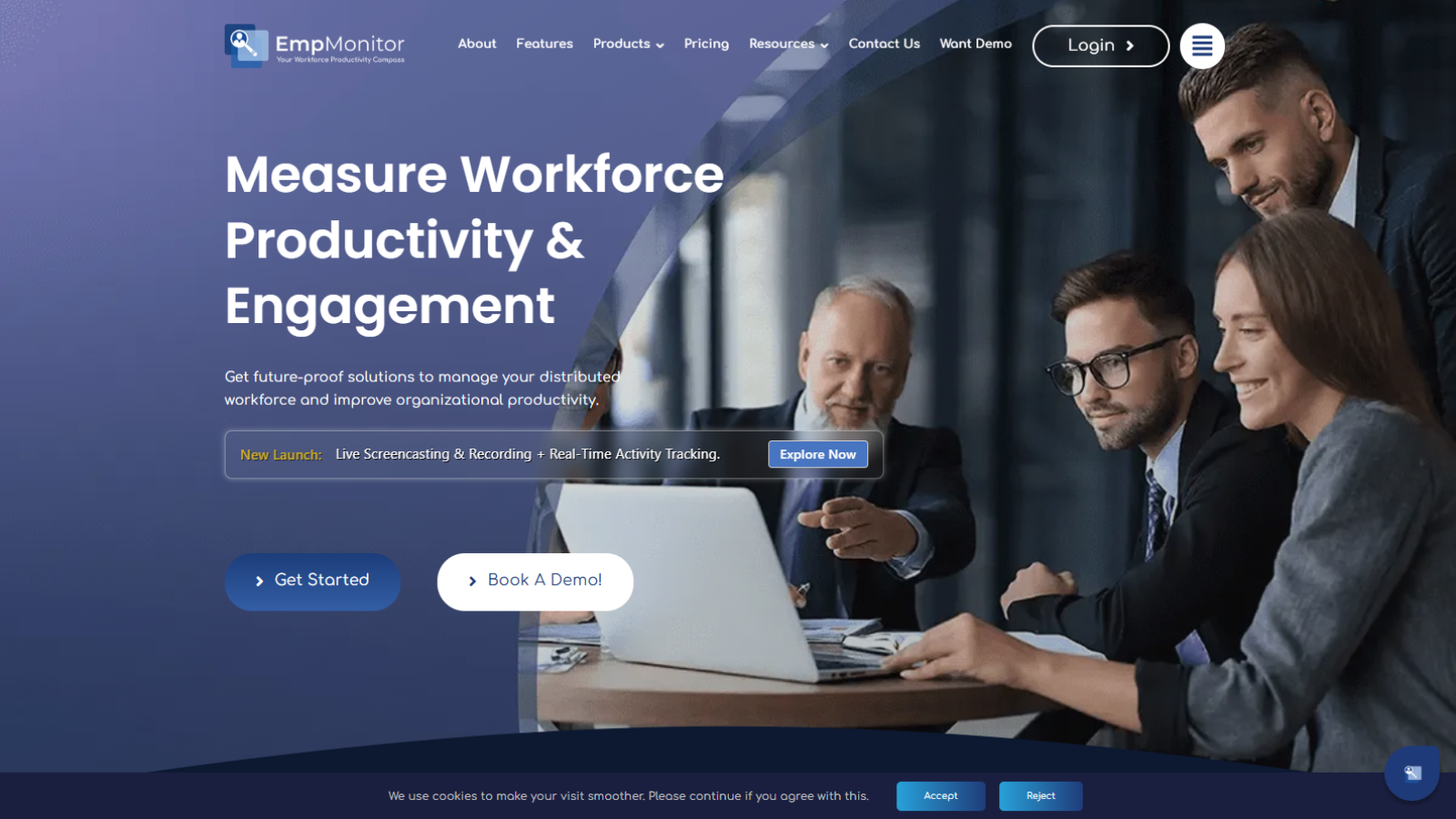
EmpMonitor is more than a tool to track attendance; it’s a complete employee monitoring software designed to empower distributed teams with a 360-degree view of workforce performance.
Key Features of EmpMonitor
- Attendance Monitoring
- Efficiently track attendance, manual check-ins, and leave requests.
- Centralized dashboard provides comprehensive insights.
- Ensures data accuracy and compliance, saving HR teams time.
- Time Tracking
- Gain detailed insights into employee working patterns.
- Automated timesheets track active and idle hours.
- Supports performance analysis and productivity optimization.
- User Activity Monitoring
- Track daily and hourly employee activities.
- Context-rich reporting helps enhance team performance.
- Real-Time Activities Tracking
- Monitor live app usage, websites, and productivity metrics.
- Role-based access ensures privacy while providing actionable insights.
- Project Management & Collaboration
- Assign tasks, track progress, and manage resources effectively.
- Streamlined workflow ensures teams meet milestones on time.
- Insider Threat Prevention
- Detect risky or unauthorized activities in real-time.
- Enhance security and mitigate internal threats efficiently.
- Live Screencasting & Screen Recording
- View or assist employees in real-time without disrupting work.
- Secure, timestamped recordings aid compliance, training, and audits.
EmpMonitor not only helps organizations track attendance, but it also provides actionable insights to boost productivity and maintain employee engagement across distributed teams.
Best Practices To Track Attendance For Remote Employees
Having a system to track attendance is only effective if accompanied by best practices:
1. Set Clear Attendance Policies:
Communicate clear work hours, break times, and leave reporting procedures. Clear policies eliminate confusion and align employees with organizational expectations.
2. Use Automated Time Tracking:
Automation reduces errors associated with manual entry and provides accurate attendance records. Employees can log their hours digitally, making the process seamless and transparent.
3. Regular Reporting and Analysis:
Consistently review attendance reports to spot trends, manage workload distribution, and identify areas that need improvement.
4. Foster Accountability and Trust:
Transparent attendance tracking builds trust. Employees are more likely to stay engaged and productive when they know the system is fair and reliable.
How To Monitor Remote Employee Attendance Effectively?
Knowing how to monitor remote employee attendance goes beyond simply tracking login and logout times. Effective monitoring involves understanding work patterns, productivity levels, and engagement:
Activity Logs:
Time-stamped records not only show when employees are active but also highlight which tasks or applications are being worked on. This helps managers identify high performers, spot productivity gaps, and ensure that work hours are used efficiently.
Project Integration:
Linking attendance data with task and project management tools provides context to each employee’s contributions. Managers can track progress on deliverables, identify workload imbalances, and allocate resources more effectively.
Regular Check-ins:
Short, structured virtual meetings allow employees to report progress, discuss challenges, and receive feedback. This maintains accountability, improves communication, and fosters team collaboration even in a remote setting.
EmpMonitor streamlines these processes by combining attendance tracking, time management, and activity monitoring in a single platform, giving managers a comprehensive view of team performance and helping distributed teams operate more efficiently.
Also Read:
How Attendance Management Software Saves Time And Money
How To Use An Attendance Tracker To Boost Productivity?
What Are The Benefits Of Modern Attendance Tracking Systems?
Modern attendance tracking systems provide far-reaching advantages for distributed teams and organizations:
Improved Productivity:
Automated attendance monitoring keeps employees engaged and accountable, helping managers identify bottlenecks and optimize team performance.
Accurate Payroll Management:
Digital records reduce human errors, prevent discrepancies in wage calculations, and simplify the payroll process for both full-time and remote employees.
Compliance and Audit Readiness:
Attendance logs maintained digitally ensure organizations meet labor regulations, provide clear audit trails, and reduce legal risks.
Enhanced Employee Satisfaction:
Transparent tracking fosters fairness, recognizes punctuality, and ensures that contributions are acknowledged, which boosts morale and retention.
Data-Driven Workforce Decisions:
Real-time insights help managers spot trends, forecast staffing needs, allocate resources effectively, and make strategic decisions for team efficiency.
What Common Mistakes Should Be Avoided In Attendance Tracking?
Even with modern tools, organizations can encounter pitfalls that reduce the effectiveness of attendance tracking. Being aware of these mistakes can help ensure smooth operations, accurate data, and high employee satisfaction:
Overcomplicating Systems:
Implementing overly complex software can overwhelm employees and reduce adoption rates. Choose intuitive tools that are easy to navigate while still offering robust features. Complicated systems can also slow down HR processes and frustrate team members, reducing the overall efficiency of attendance management.
Micromanagement:
Attendance monitoring should support productivity, not create distrust. Avoid constant surveillance; focus on results, transparency, and clear expectations. Excessive monitoring can harm team morale and discourage autonomy, which is critical for distributed teams to thrive.
Ignoring Employee Feedback:
Employees often provide valuable insights on system usability, potential improvements, and workflow adjustments. Actively incorporating their feedback enhances adoption, increases engagement, and ensures the system works effectively for all team members.
Neglecting Periodic Audits:
Automated systems can reduce errors, but periodic verification is essential to validate data accuracy, ensure compliance, and identify potential discrepancies early. Regular audits help maintain the integrity of attendance records and prevent small issues from turning into larger operational problems.
Lack of Training and Support:
A common oversight is not providing adequate training or ongoing support for employees. Even the best systems fail if users do not understand how to utilize them properly. Offering resources, tutorials, and quick troubleshooting can significantly improve adoption and accuracy.
By proactively avoiding these common mistakes, organizations can maximize the benefits of modern attendance tracking, improve team engagement, enhance data reliability, and foster a positive and accountable work culture.
What Does The Future Of Attendance Tracking Look Like?
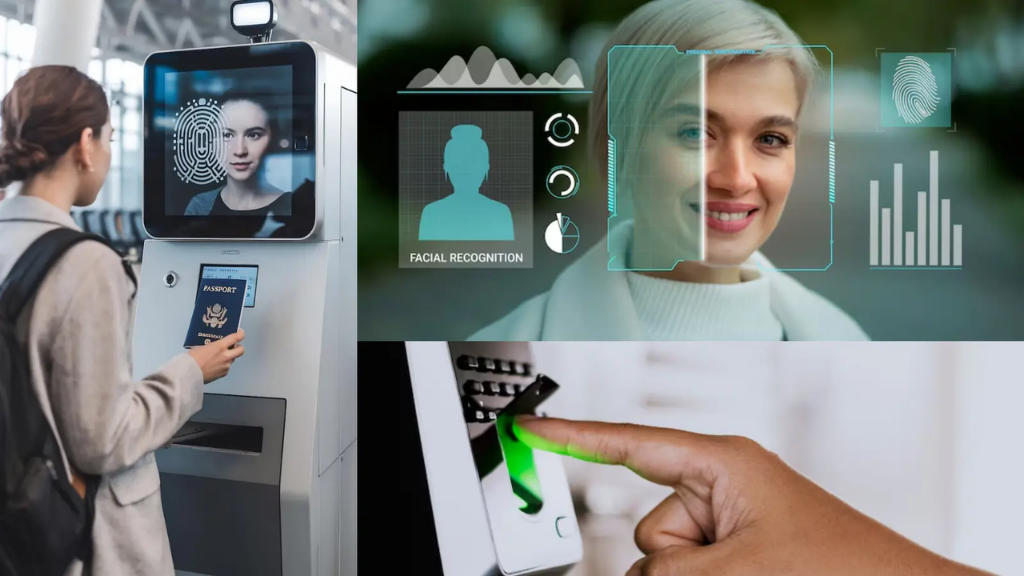
The future of tracking attendance is shaped by advanced technology and intelligent analytics, offering smarter and more efficient ways to manage distributed teams:
AI and Machine Learning:
Predictive analytics will identify patterns of absenteeism, early signs of disengagement, and potential productivity issues, allowing managers to intervene proactively before it impacts team performance.
Biometric Systems:
Fingerprint scans, facial recognition, and other biometric technologies will ensure highly accurate attendance records, eliminating manual errors and improving compliance.
Integrated Workforce Management:
Attendance tracking will seamlessly integrate with time management, project tracking, and HR systems, providing a comprehensive view of employee performance and productivity across the organization.
Smart Platforms like EmpMonitor:
Modern tools are already leveraging these trends, combining attendance tracking, time monitoring, and real-time activity insights in a single platform. This helps managers optimize schedules, enhance team productivity, and make data-driven decisions for distributed teams.
Tips For Smooth Implementation
Successfully transitioning to digital attendance solutions requires careful planning and strategy. Here are key tips to ensure effective adoption:
- Train Employees Thoroughly: Provide clear guidance and hands-on demonstrations on how to use the attendance system. Ensure employees understand features like logging hours, submitting leave requests, and viewing reports to avoid confusion.
- Start with Pilot Programs: Implement the system with a small team first. This allows you to test functionality, identify potential issues, and refine processes before rolling it out organization-wide.
- Monitor Adoption and Usage: Track how effectively employees are using the system. Identify employees who may need additional support and encourage consistent usage to ensure accurate attendance data.
- Keep Systems Updated: Regularly update software to access new features, security improvements, and bug fixes. Staying up-to-date ensures smooth performance and long-term reliability.
By following these steps, organizations can ensure a smooth shift to digital attendance tracking, improve adoption rates, and maximize the benefits of modern workforce management tools.
Conclusion
As remote and hybrid work models become the norm, organizations must embrace modern methods to track attendance. Digital tools like EmpMonitor not only record attendance but also monitor productivity, track time, and provide insights into team performance.
By adopting employee attendance software for remote teams, leveraging online attendance tracking tools, and understanding how to monitor remote employee attendance, businesses can find the best way to track attendance for remote workers.
The modern approach to attendance tracking is about more than monitoring; it’s about creating a transparent, productive, and supportive environment where distributed teams can thrive.
FAQs
- Can small businesses track attendance for remote teams without software?
Yes, small businesses can start with spreadsheets or simple online forms, but using a dedicated tool helps automate processes, reduce errors, and provide real-time insights. - How can I ensure my remote team logs accurate attendance?
Set clear policies, use reliable digital tools, and regularly review logs to ensure accountability. Combining automated systems with periodic check-ins improves accuracy. - What are the best methods to track attendance across multiple time zones?
Using cloud-based attendance software allows employees to log hours from anywhere. Tools like EmpMonitor provide time zone adjustments and centralized reporting for seamless tracking. - How does attendance tracking improve team productivity?
By monitoring work hours and patterns, managers can identify idle time, optimize schedules, and provide feedback to improve overall efficiency. - Can I track attendance without invading privacy?
Yes. Modern systems focus on activity logs, work hours, and attendance rather than personal monitoring. Transparency and role-based access help maintain trust.