Strong teams deliver results consistently. Every organization wants employees who collaborate effectively, share responsibilities, and support one another. Yet, building a team that works seamlessly requires more than just hiring skilled individuals. Implementing proven teamwork tips ensures smooth collaboration, higher productivity, and measurable success. This blog offers actionable advice, practical examples, and tools like EmpMonitor to help managers monitor and enhance their teamwork skills.
In a hurry? Listen to the blog instead!
Why Teamwork Matters In Every Organization?
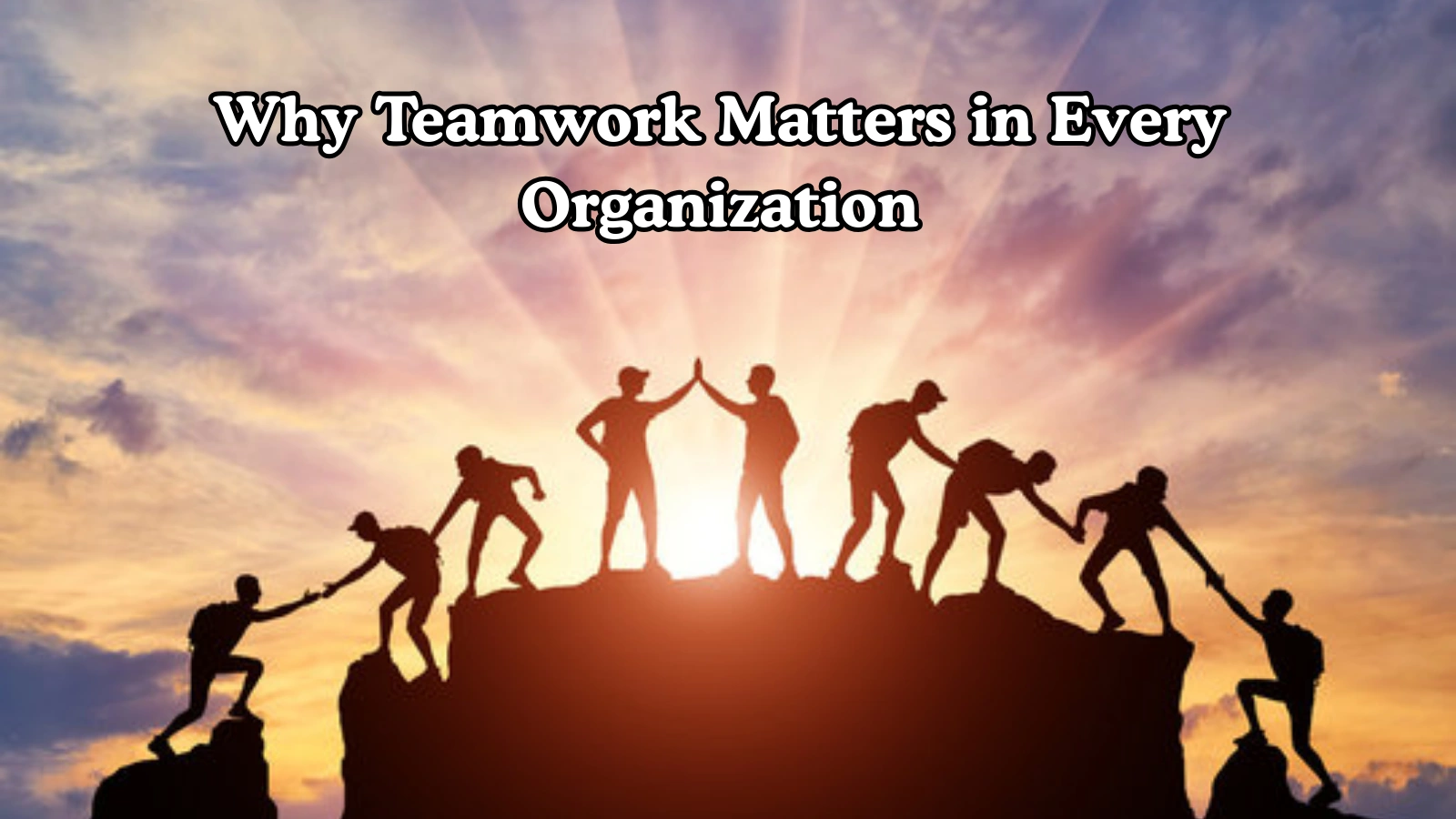
Teams shape company culture, drive innovation, and achieve business goals. Employees who collaborate effectively solve problems more quickly and make decisions with greater accuracy. Organizations with strong teamwork benefit from:
- Enhanced Efficiency
When roles and responsibilities are clearly defined, team members know exactly what to focus on. This reduces confusion, eliminates duplicated effort, and speeds up task completion. - Better Problem-Solving
Teams with diverse skills and perspectives generate a wider range of ideas. Collaboration allows members to analyze challenges from multiple angles, leading to innovative solutions. - Higher Employee Satisfaction
Employees who feel supported and valued by their team enjoy a sense of belonging. This positive environment increases motivation, engagement, and loyalty to the organization.
Applying teamwork tips helps every team member contribute meaningfully while staying aligned with organizational objectives.
What Makes A Good Team?
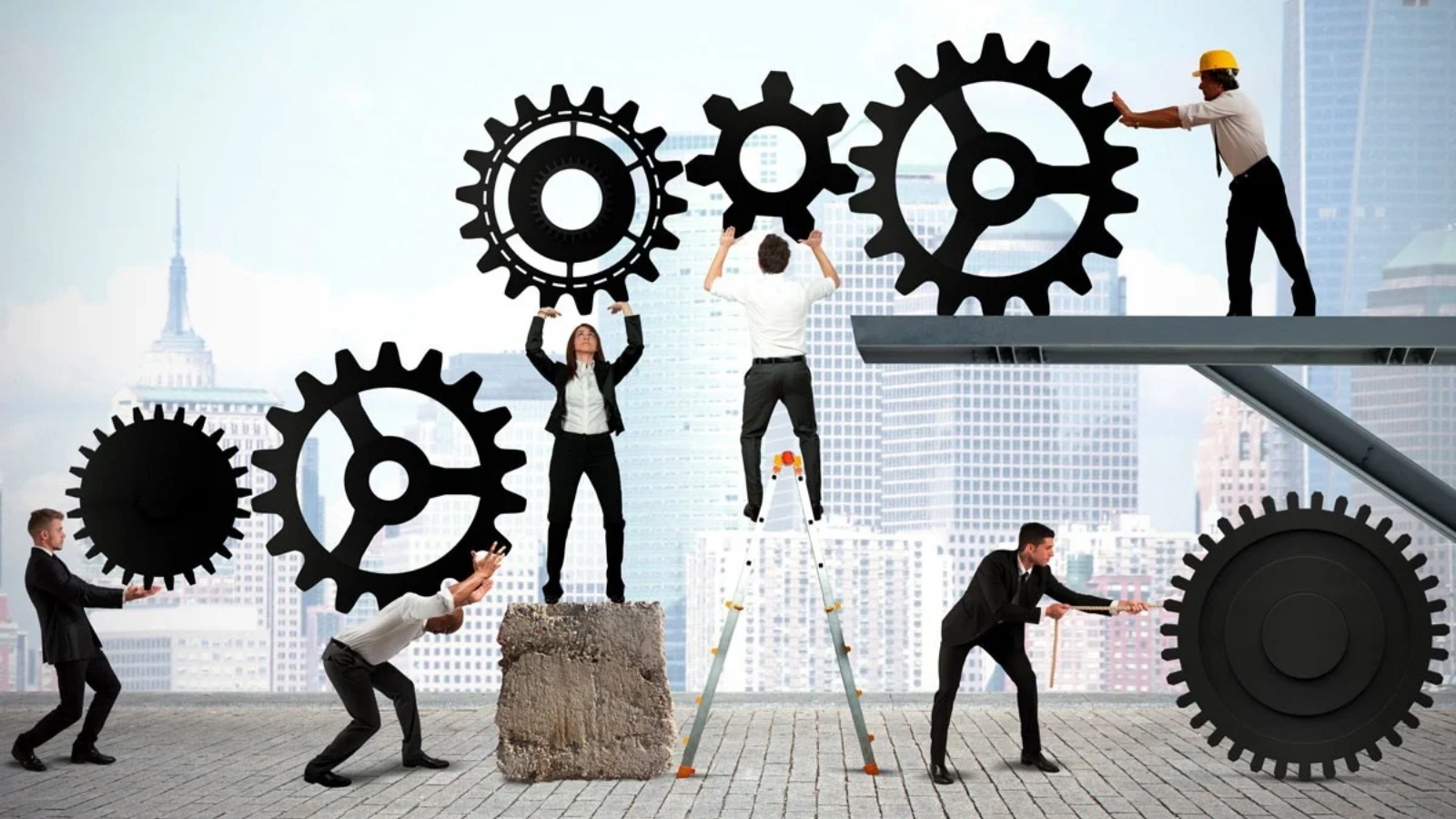
A successful team blends talent, effective communication, and mutual respect. Understanding what makes a good team allows managers to foster cohesion and motivation. Applying teamwork tips ensures members collaborate efficiently, following teamwork tips improves role clarity, and practical teamwork tips strengthen overall team performance.
- Clear Goals
Every member must know the team’s objectives to stay focused and aligned. Clear goals offer direction and help prioritize tasks effectively. - Defined Roles
Assigning clear responsibilities prevents confusion and overlap. Each member understands their duties and how they contribute to team success. - Open Communication
Consistent sharing of ideas and feedback builds trust and reduces misunderstandings. Open communication ensures everyone stays informed and engaged. - Shared Accountability
When every member takes responsibility for their work, the team functions reliably. Shared accountability encourages dedication to quality and deadlines. - Mutual Respect
Acknowledging and valuing each member’s contributions strengthens bonds. Mutual respect fosters cooperation, collaboration, and a positive team environment.
Teams with these traits tackle challenges effectively and consistently exceed expectations.
Tips For Effective Teamwork In The Workplace
Implementing tips for effective teamwork creates a structured and productive work environment. Consider these strategies and follow teamwork tips to strengthen collaboration:
- Clarify Goals and Expectations
Teams perform best when every member understands their specific tasks and responsibilities. Clear goals prevent confusion and ensure everyone works toward the same objectives. Using practical teamwork tips can help clarify roles and expectations further. - Encourage Collaboration
Promote regular discussions and idea sharing among team members to foster creativity. Collaboration helps solve problems faster and strengthens team bonds. Managers can apply teamwork tips to encourage open dialogue and teamwork consistency. - Foster Trust
Recognize achievements and acknowledge each member’s contributions openly. Trust encourages team members to support one another and take ownership of tasks. - Maintain Transparency
Share progress updates, deadlines, and key information with the entire team. Transparency keeps everyone aligned and prevents misunderstandings or duplicated efforts. - Provide Resources
Equip your team with the tools, software, and information needed to perform effectively. Adequate resources streamline workflows and enhance productivity.
By applying these teamwork tips, managers can improve team performance and morale significantly.
Also Read:
7+ Best Teamwork Qualities To Possess In 2024 (With Tips)
How To Improve Teamwork Collaboration In 2025? (7+ Strategies)
How To Improve Teamwork Skills Among Employees?
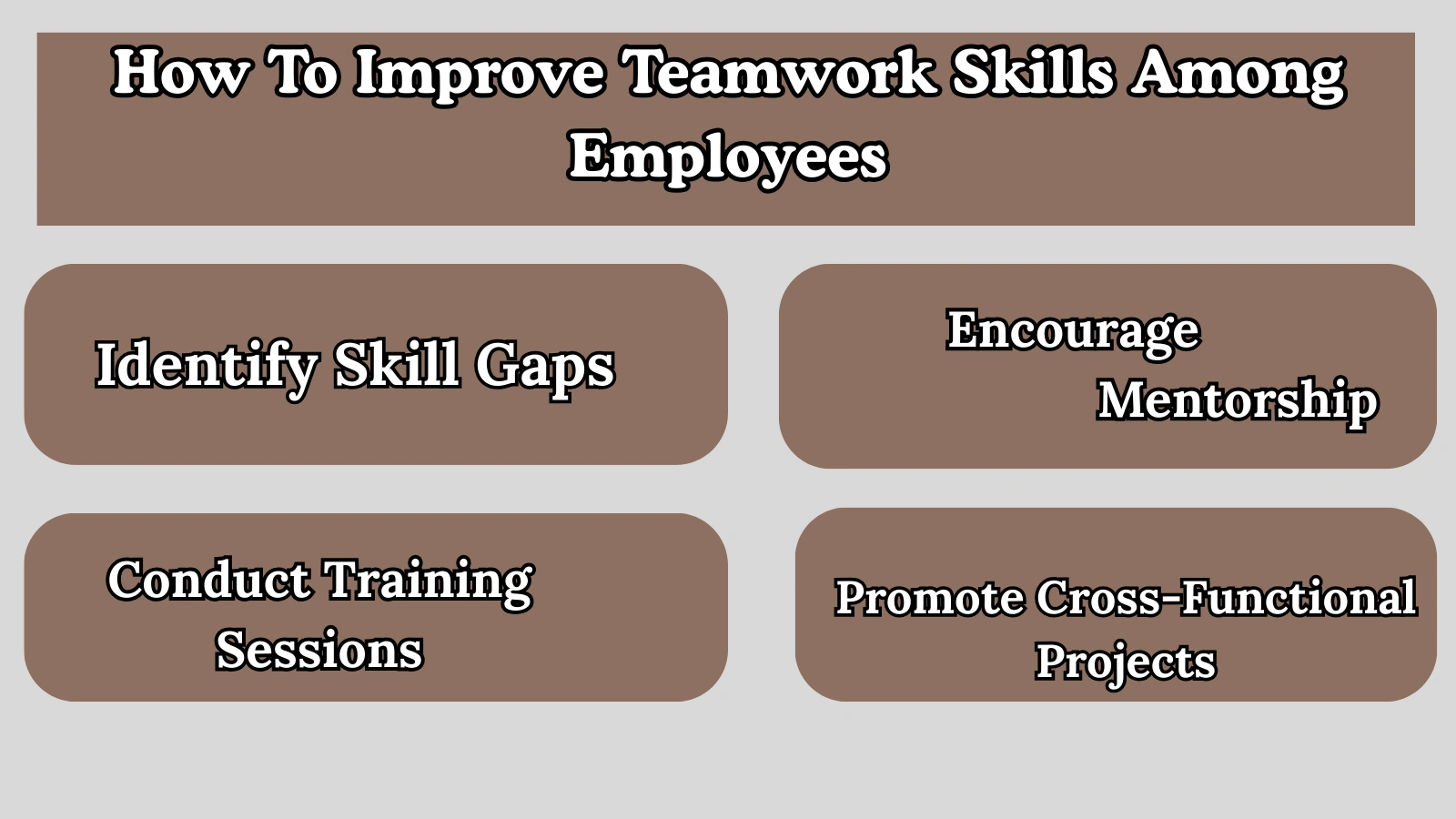
Strong teamwork skills grow when organizations actively guide employees. Practical steps include:
- Identify Skill Gaps
Assess current collaboration practices to spot areas where employees struggle. Understanding these gaps allows managers to target improvements effectively. - Conduct Training Sessions
Provide workshops on communication, conflict resolution, and problem-solving. Structured training equips employees with practical skills to work together smoothly. - Encourage Mentorship
Pair experienced team members with newer employees to guide and support them. Mentorship helps transfer knowledge and strengthens team cohesion. - Promote Cross-Functional Projects
Allow employees to work across departments on collaborative projects. Exposure to diverse roles enhances adaptability and broadens perspectives.
Using these methods consistently helps staff develop skills that contribute to overall team success.
Building Effective Teamwork Skills For Long-Term Success
Long-term success requires effective teamwork skills that evolve. Leaders can support this by following practical teamwork tips to guide team development and enhance collaboration.
- Setting Standards for Collaboration
Clearly define expected behaviors, communication norms, and accountability measures. Standards ensure every team member knows how to contribute effectively and maintain harmony. Applying teamwork tips helps set clear collaboration expectations for long-term success. - Measuring Performance
Track team progress using KPIs that reflect collaboration and productivity. Regular measurement helps identify strengths, weaknesses, and areas for improvement. Managers can use teamwork tips to assess performance and reinforce effective practices. - Fostering Problem-Solving Skills
Encourage employees to tackle challenges together rather than individually. Collective problem-solving enhances creativity and ensures better decision-making. - Providing Feedback
Give regular, constructive feedback to reinforce effective behaviors and correct issues promptly. Feedback promotes growth, strengthens skills, and increases accountability.
Teams that cultivate these skills achieve sustainable growth and outperform competitors.
Top Tips For Successful Teamwork You Can Implement Today
Practical tips for successful teamwork make a noticeable difference in daily operations. Start with:
Regular Meetings
Hold frequent team meetings to share updates, progress, and challenges. Keeping everyone informed ensures alignment and prevents misunderstandings.
Shared Objectives
Make sure each team member understands the collective goals. Clear objectives guide daily actions and keep the team focused on common outcomes.
Conflict Resolution
Address disagreements quickly and fairly to prevent escalation. A proactive approach maintains harmony and strengthens team trust.
Recognition
Celebrate both individual and team achievements regularly. Recognition motivates employees, boosts morale, and reinforces positive behaviors.
Encourage Accountability
Every member should take responsibility for their tasks and commitments. Accountability ensures that work is completed efficiently and goals are consistently met.
Applying these teamwork tips consistently creates a supportive environment where employees thrive.
Teamwork Skills Examples That Drive Real Results
Understanding teamwork skills examples helps employees visualize effective collaboration:
Project Collaboration
Teams coordinate tasks efficiently to ensure projects are completed on time. Effective collaboration prevents bottlenecks and improves overall productivity.
Problem-Solving Sessions
Employees share ideas openly and reach consensus quickly during challenges. Collaborative problem-solving leads to faster, more creative solutions.
Cross-Department Support
Teams support each other across different departments to achieve organizational goals. This approach breaks silos and strengthens interdepartmental relationships.
Mentorship and Knowledge Sharing
Senior team members guide juniors and share expertise to boost overall team capability. Mentorship accelerates skill development and enhances cohesion.
These examples show the direct impact of teamwork on productivity and results.
Essential Teamwork Qualities Every Member Should Have
Certain teamwork qualities make employees indispensable in any group. Every member should demonstrate:
Reliability
Consistently completing tasks on time builds trust within the team. Reliable team members create a dependable work environment. Their consistency ensures a smooth workflow and prevents delays.
Adaptability
Being flexible and adjusting to changing circumstances keeps the team cohesive. Adaptable members handle challenges without disrupting progress. This quality helps teams respond effectively to new opportunities or obstacles.
Communication Skills
Clear and respectful communication prevents misunderstandings and conflicts. Sharing ideas and feedback openly ensures alignment. Strong communication keeps everyone informed and engaged in collaborative efforts.
Problem-Solving Mindset
Proactively contributing ideas drives innovation and efficiency. Team members with this mindset tackle challenges collaboratively. Their approach encourages creative solutions and faster decision-making.
Empathy
Understanding colleagues’ perspectives strengthens collaboration and trust. Empathetic team members support each other in achieving goals. This quality fosters a positive and inclusive work environment.
Cultivating these qualities aligns teams for success while improving workplace culture.
How EmpMonitor Helps In Monitoring And Enhancing Teamwork?
Managers often struggle to evaluate teamwork skills accurately. EmpMonitor provides tools to monitor and track workforce engagement, ultimately helping you improve team collaboration. Its features ensure teams stay productive, accountable, and secure.
Overview of EmpMonitor’s Employee Monitoring Features
EmpMonitor offers a complete suite of employee monitoring software that helps organizations track productivity and enhance teamwork:
Employee Activity Analysis
EmpMonitor delivers detailed insights into daily and hourly team activities. Managers can track task completion, monitor workload distribution, and identify performance patterns. This data helps optimize collaboration and ensures teams stay productive.
Time-Tracking Software
The platform monitors working hours, productive time, and idle periods for each employee. Accurate time tracking allows managers to assess efficiency and identify areas for improvement. It ensures accountability while helping employees manage their schedules effectively.
User Activity Monitoring
EmpMonitor tracks application and website usage to ensure productive workflows. Monitoring helps identify distractions and optimize work habits. This feature supports data-driven decisions to enhance team performance.
Attendance Management
The software maintains records of login/logout times, manual attendance, and leave management. Centralized attendance tracking simplifies HR processes and ensures accurate payroll. It promotes discipline and punctuality across the organization.
Workforce Productivity & Engagement
EmpMonitor provides reports on employee efficiency and engagement levels. Managers gain insights into workflow patterns, helping them motivate teams effectively. Engagement monitoring supports a positive and productive workplace culture.
Project Management Tools
Assign tasks, track progress, and monitor project milestones effortlessly. Project management features foster smooth collaboration and resource allocation. Teams can meet deadlines consistently while maintaining high-quality output.
Tracking Productivity and Teamwork Behavior Effectively
EmpMonitor allows managers to observe teamwork behaviors in real time:
- Identify productive and idle time for each employee.
- Track team collaboration across tasks and projects.
- Gain insights into daily work patterns and workflows.
- Ensure every member contributes to team objectives.
This visibility helps teams stay aligned and improves accountability.
How Data Insights Help Managers Identify Collaboration Gaps
EmpMonitor generates context-rich reports that reveal strengths and weaknesses in teamwork:
- Highlight areas where collaboration is lacking.
- Identify employees needing additional support or training.
- Pinpoint bottlenecks that slow project progress.
- Provide actionable insights for leadership to enhance performance.
Encouraging Accountability and Improving Teamwork Skills with EmpMonitor
EmpMonitor fosters effective teamwork skills by making performance transparent:
- Real-time monitoring keeps employees focused and accountable.
- Automated timesheets show contribution to team goals.
- Activity tracking ensures adherence to deadlines and responsibilities.
- Managers can guide teams proactively, boosting collaboration and morale.
By using EmpMonitor, teams benefit from structured supervision and improved cohesion.
Creating A Culture Of Growth Through Teamwork
Teams thrive in environments that prioritize growth and collaboration. Managers can strengthen culture by:
Encouraging Knowledge Sharing
Promote an environment where employees openly share their experiences and insights. Learning from one another accelerates skill development. Knowledge sharing strengthens collaboration and ensures that expertise benefits the entire team.
Providing Development Opportunities
Offer workshops, training programs, and skill-building sessions to enhance employee capabilities. Continuous learning equips team members to handle complex challenges. Development opportunities contribute to both personal growth and overall team performance.
Recognizing Achievements
Celebrate both individual and team successes to reinforce positive behaviors. Recognition motivates employees to maintain high performance. Acknowledging efforts builds morale and fosters a sense of pride within the team.
Fostering Trust
Encourage open and honest communication among all team members. Trust enables employees to share ideas freely without fear of judgment. Strong bonds improve cooperation, problem-solving, and overall team cohesion.
Applying these practices alongside teamwork tips ensures sustainable success.
Final Thoughts
Strong teams do not happen by chance. Organizations that implement teamwork tips consistently create environments where employees excel. Clear communication, shared responsibility, and accountability, combined with tools like EmpMonitor, lead to measurable results. By nurturing teamwork qualities, providing guidance on effective teamwork skills, and monitoring collaboration, companies pave the way for lasting growth.
FAQs
Q1. What are the most important teamwork skills?
Key teamwork skills include clear communication, reliability, problem-solving, adaptability, and empathy. These qualities help teams collaborate effectively, handle challenges, and maintain strong relationships.
Q2. How can I improve teamwork skills in my team?
Improve teamwork by providing training sessions, mentoring employees, setting clear goals, and offering regular feedback. Encouraging open communication and collaboration also strengthens team cohesion.
Q3. What tools help monitor teamwork effectively?
EmpMonitor offers comprehensive features such as activity tracking, time monitoring, attendance management, and project oversight. These tools provide insights that help managers enhance team productivity and engagement.
Q4. What makes a good team?
A successful team has clear objectives, well-defined roles, trust among members, shared accountability, and mutual respect. These elements ensure smooth collaboration and consistent achievement of goals.
Q5. How do teamwork tips improve productivity?
Teamwork tips guide employees on collaboration, communication, and accountability. Following these tips helps tasks move efficiently, reduces conflicts, and ensures the team meets its goals consistently.