

Managing employee shifts becomes challenging when businesses operate around the clock. Industries like healthcare, manufacturing, security, and customer support often require continuous staffing to keep operations running smoothly. This is where structured shift systems, such as the pitman schedule become useful.
The pitman schedule is a rotating shift system designed to maintain 24/7 coverage while giving employees predictable work patterns and regular days off. It is commonly known as the 2-2-3 schedule because employees work two days, get two days off, then work three days before the cycle repeats in the opposite pattern.
Many organizations prefer this system because it helps distribute workloads evenly and ensures that teams remain well-rested. A proper pitman schedule guide can help managers understand how this rotation works and whether it fits their operational needs.
Listen To The Podcast Now!
What Is a Pitman Schedule?
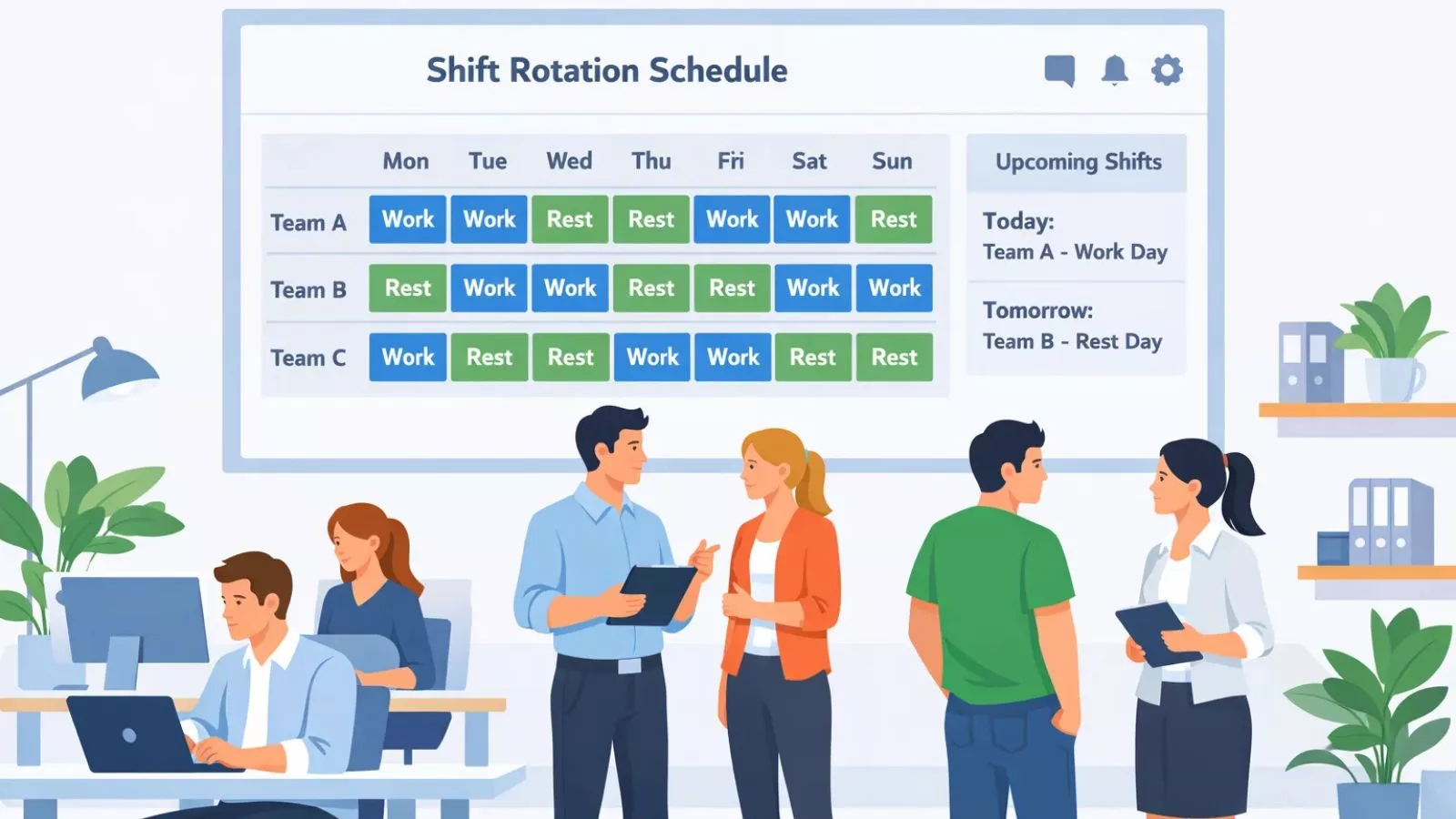 To understand how this system works, it is important to first answer the question: what is pitman schedule?
The pitman schedule is a shift rotation model that divides employees into teams that alternate between working and resting days. The system usually follows a 2-2-3 rotation pattern, which means employees work:
- 2 days on
- 2 days off
- 3 days on
The following week, the pattern flips:
- 2 days off
- 2 days on
- 3 days off
This rotating structure ensures that employees work roughly the same number of hours while maintaining continuous coverage for business operations.
The pitman shift schedule is most commonly used with 12-hour shifts. Employees typically work either day shifts or night shifts, and teams rotate in a way that guarantees that someone is always on duty.
Because of its predictable structure, the pitman schedule is popular in industries where businesses cannot afford downtime. It allows managers to maintain consistent staffing levels while giving employees a clear understanding of their work schedule weeks in advance.
How the Pitman Shift Schedule Works
The pitman shift schedule operates on a repeating two-week cycle that balances working days and rest days. It is designed to maintain 24-hour coverage without requiring employees to work excessive consecutive shifts.
In a typical setup, employees are divided into four teams. Each team follows the same rotation but on different days, ensuring that at least two teams are always available to cover shifts.
Here is a simplified version of how the pitman schedule usually works across two weeks:
Week 1
- Work Monday and Tuesday
- Off Wednesday and Thursday
- Work Friday, Saturday, and Sunday
Week 2
- Off Monday and Tuesday
- Work Wednesday and Thursday
- Off Friday, Saturday, and Sunday
This structure ensures that employees work every other weekend while still receiving regular blocks of time off.
Some organizations also modify the structure slightly depending on operational needs. For example, some companies use a 10 hour pitman schedule instead of 12-hour shifts to reduce fatigue and create shorter workdays.
Overall, the goal of the pitman schedule is to create a consistent and balanced rotation that supports continuous operations without overwhelming employees.
Industries That Commonly Use the Pitman Schedule
The pitman schedule is especially useful for industries that require continuous staffing. Businesses that operate 24 hours a day often rely on rotating shift systems to ensure that operations run smoothly without interruptions.
Here are some industries where the pitman shift schedule is commonly used.
Healthcare
Hospitals and emergency care facilities need staff available at all times. Nurses, technicians, and emergency personnel often follow the pitman schedule to maintain consistent patient care while balancing long shifts and rest days.
Manufacturing
Manufacturing plants frequently operate around the clock to maintain production targets. Using the pitman schedule allows factories to keep machines running without stopping production for shift transitions.
Security and Law Enforcement
Security teams and law enforcement agencies require constant monitoring and protection. The pitman shift schedule helps ensure that personnel are always present while maintaining fair work rotations.
Customer Support Centers
Many companies now provide global support services. In these cases, teams working under a pitman schedule guide structure can manage customer requests at all hours.
Utilities and Infrastructure
Industries such as power plants, transportation systems, and water treatment facilities must remain operational at all times. The pitman schedule ensures that skilled workers are always available to monitor and maintain critical systems.
Benefits of Using the Pitman Schedule
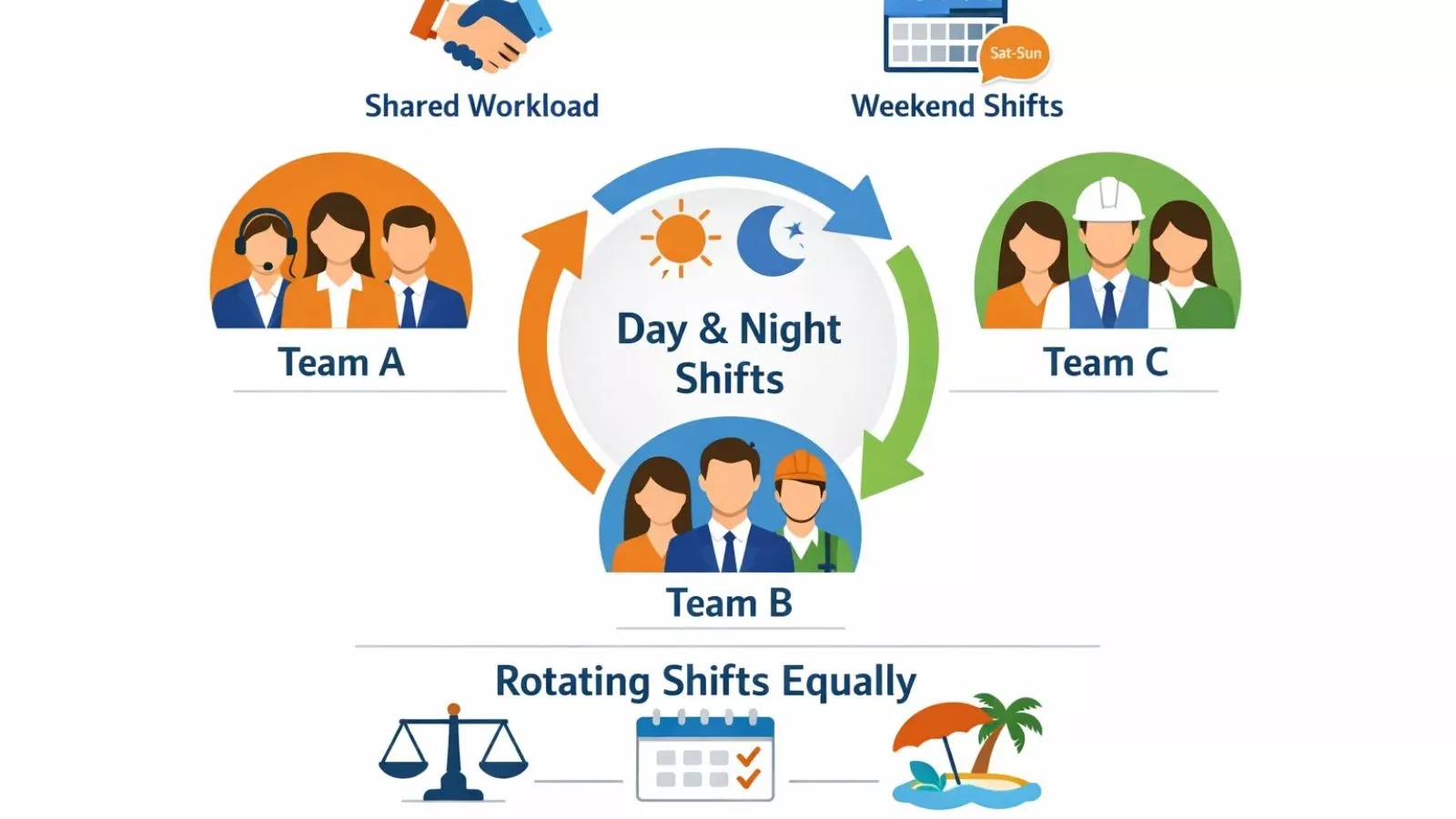 Organizations choose the pitman schedule because it offers several operational and employee-focused benefits. When implemented correctly, this shift system can improve productivity while supporting work-life balance.
Predictable Work Patterns
One of the biggest advantages of the pitman shift schedule is predictability. Employees know their workdays and off days well in advance, making it easier to plan personal activities and family time.
Balanced Workload
The rotating pattern ensures that employees share weekend shifts and long workdays evenly. This balance prevents certain employees from consistently receiving less desirable shifts.
Longer Break Periods
Because the pitman schedule includes multiple days off in a row, employees often enjoy longer rest periods compared to traditional schedules. These breaks can help reduce burnout and improve job satisfaction.
Consistent 24/7 Coverage
For businesses that operate around the clock, the pitman schedule provides reliable staffing without gaps in coverage. Managers can maintain productivity without constantly adjusting shift assignments.
Simplified Scheduling
Following a clear pitman schedule guide makes workforce planning easier. Managers can schedule teams weeks or even months in advance without constantly reorganizing shifts.
Also Read
How To Implement 2-2-3 Schedule At Work?
How To Use A Schedule Template To Maximize Your Day?
Challenges of the Pitman Schedule
While the pitman schedule offers many benefits, it also comes with some challenges that organizations should consider before adopting it.
Long Shift Hours
The most common version of the pitman shift schedule uses 12-hour shifts. While this reduces the number of workdays, it can also lead to fatigue, especially in physically demanding roles.
Adjustment Period for Employees
Employees who are used to traditional work hours may initially struggle with the rotation pattern. It can take time to adapt to alternating workdays and rest days.
Night Shift Difficulties
Some teams work overnight shifts as part of the pitman schedule. These shifts can affect sleep patterns and personal routines if not managed properly.
Scheduling Complexity for Managers
Although the system is structured, managing multiple teams across rotations can still be challenging without the right tools. Monitoring attendance, productivity, and overtime requires careful planning.
While the 2-2-3 rotation offers unparalleled coverage, the complexity of managing 12-hour shifts across multiple teams requires more than just a manual spreadsheet; it requires real-time visibility.
Streamline Your Pitman Rotation with EmpMonitor
 To truly master the pitman shift schedule, organizations need a robust workforce management system that bridges the gap between complex rotations and daily productivity. EmpMonitor is a leading-edge platform designed to give managers total oversight of their teams, whether they are on a day shift, night shift, or a 10 hour pitman schedule.
By integrating EmpMonitor into your workflow, you can automate the oversight of rotating teams through these core features:
-
Real-Time Monitoring: Get instant visibility into all employees’ activity. See live app/web usage along with active or idle status from a single, centralized dashboard.
-
Time Tracking: Effectively track every minute of working hours to weed out unnecessary time gaps and increase productivity during long 12-hour rotations.
-
Live Screen Monitoring: Monitor the live screens of all employees from one unified panel, enhancing accountability and workflow efficiency across different shift teams.
-
Screen Recordings & Screenshots: Access recorded sessions or automated screenshots at customized intervals to review activities, ensure compliance, and maintain a visual trail of progress.
-
Screencast: Securely connect to employee devices to troubleshoot problems or provide real-time support, helping resolve issues quickly without disrupting the shift flow.
-
Chat Monitoring: Maintain team focus by keeping track of the total time spent on chat and social apps during critical working hours.
-
Insightful Reports: Perform flawless team analysis with graphic-rich analytical reports and automated timesheets that visualize employee engagement over the entire Pitman cycle.
Using Employee Monitoring Tools to Manage Pitman Schedules
Managing rotating shifts becomes much easier when companies use workforce management tools. Software platforms can help track attendance, monitor productivity, and ensure employees follow their assigned shifts.
Tools like EmpMonitor are designed to support organizations that operate with complex shift systems such as the pitman schedule. These platforms provide features that allow managers to track employee activity, manage attendance records, and maintain visibility across teams.
For companies running a pitman shift schedule, tools like EmpMonitor can help managers understand how employees are performing during different shifts. This data helps improve workforce planning and ensures that teams remain productive during both day and night rotations.
Another advantage is real-time monitoring. Managers can easily see which employees are active during specific shifts and ensure that staffing levels remain consistent throughout the rotation cycle.
By combining a well-structured pitman schedule guide with workforce monitoring tools, businesses can maintain efficient operations while keeping employees accountable and engaged.
Tips for Implementing a Pitman Schedule Successfully
Adopting the pitman schedule requires careful planning to ensure that employees and operations adapt smoothly.
Communicate clearly with employees
Before implementing the schedule, managers should explain how the rotation works and what employees can expect from the new structure.
Start with a trial period
Testing the pitman shift schedule for a few weeks allows businesses to evaluate whether the system works for their teams.
Monitor employee workload
Managers should regularly check employee performance and well-being to prevent fatigue caused by long shifts.
Use scheduling tools
Digital workforce tools make it easier to track shift rotations and manage employee attendance.
Encourage feedback
Employees working under the pitman schedule should have opportunities to share feedback so managers can adjust the system if needed.
Pitman Schedule vs Traditional Shift Schedules
When companies explore shift planning options, they often compare the pitman schedule with more traditional work schedules. Each system has its advantages depending on the type of business and workforce needs.
A traditional shift system usually involves employees working five days a week with two days off. While this structure works well for regular office jobs, it may not be ideal for organizations that operate 24 hours a day.
The pitman shift schedule, on the other hand, is specifically designed for continuous operations. Instead of a standard weekly structure, employees follow a rotating cycle that ensures coverage at all times.
Another key difference is the number of working hours per shift. Traditional schedules typically use 8-hour shifts, while the pitman schedule commonly uses 12-hour shifts. This means employees work fewer days per month but spend longer hours during each shift.
For businesses that require constant staffing, the pitman schedule guide approach often provides better flexibility and efficiency than traditional shift systems.
Example of a Pitman Schedule Rotation
To better understand what is pitman schedule, it helps to look at a simple rotation example. In most organizations, employees are divided into four teams that rotate through day and night shifts.
Below is a simplified example of a pitman shift schedule rotation.
Team A
- Work: Monday, Tuesday
- Off: Wednesday, Thursday
- Work: Friday, Saturday, Sunday
Team B
- Off: Monday, Tuesday
- Work: Wednesday, Thursday
- Off: Friday, Saturday, Sunday
The following week, the schedule rotates so that teams switch their work and rest days. This structure ensures that every shift is covered without requiring employees to work continuously.
Some organizations modify this pattern depending on operational requirements. For instance, companies may adopt a 10 hour pitman schedule instead of the typical 12-hour format to reduce fatigue while still maintaining the rotation system.
Is the Pitman Schedule Right for Your Business?
Before implementing the pitman schedule, companies should evaluate whether this shift model fits their operational structure and workforce capacity.
Businesses that operate around the clock often benefit the most from the pitman shift schedule. Industries such as healthcare, manufacturing, and security rely on continuous coverage, making this rotation highly practical.
However, organizations must also consider employee preferences and job demands. Roles that require high physical effort or intense concentration may need additional breaks or modified shift durations.
Managers should also consider workforce monitoring and productivity tracking when implementing the pitman schedule. Using employee management tools can help ensure that shifts run smoothly and that workloads remain balanced.
For companies unsure about adopting this system, starting with a trial period and reviewing a detailed pitman schedule guide can help determine whether the model improves productivity and employee satisfaction.
Conclusion
The pitman schedule is a practical solution for organizations that require continuous operations. By following a rotating 2-2-3 pattern, businesses can maintain 24/7 coverage while giving employees predictable schedules and regular time off.
Understanding what is pitman schedule and how the rotation works helps managers decide whether this system fits their operational needs. While the schedule offers benefits such as balanced workloads and simplified shift planning, it also requires careful management to address challenges like long work hours and shift fatigue.
With the help of workforce management tools like EmpMonitor, companies can manage the pitman shift schedule more effectively. These tools provide visibility into employee activity, attendance, and productivity, helping organizations maintain efficiency while supporting their teams.
When implemented thoughtfully, the pitman schedule can improve workforce organization, enhance productivity, and create a more structured environment for both employees and managers.
FAQ’s
- How does a pitman shift schedule work?
The pitman shift schedule typically runs on a two-week cycle where employees alternate between working two days, taking two days off, and then working three days. - Which industries use the pitman schedule?
Industries such as healthcare, manufacturing, security, utilities, and customer support often use the pitman schedule to maintain 24/7 coverage. - What is a 10 hour pitman schedule?
A 10 hour pitman schedule is a variation of the traditional system where employees work 10-hour shifts instead of 12-hour shifts to reduce fatigue.