The traditional 9-to-5 workday is no longer the gold standard. Businesses today operate across time zones, cater to global customers, and manage peak-hour demand that rarely fits into a fixed schedule. That’s where understanding the swing shift meaning becomes crucial.
Whether you run a retail store, manage a healthcare facility, or lead a customer support team, swing shifts can be the missing piece that keeps your operations running smoothly.
But what exactly does it mean? And more importantly, how can employers use it strategically?
Let’s break it down in a way that actually helps you apply it, not just understand it.
Hit ‘Play’ Button & Tune Into The Blog!
What Is Swing Shift Meaning?
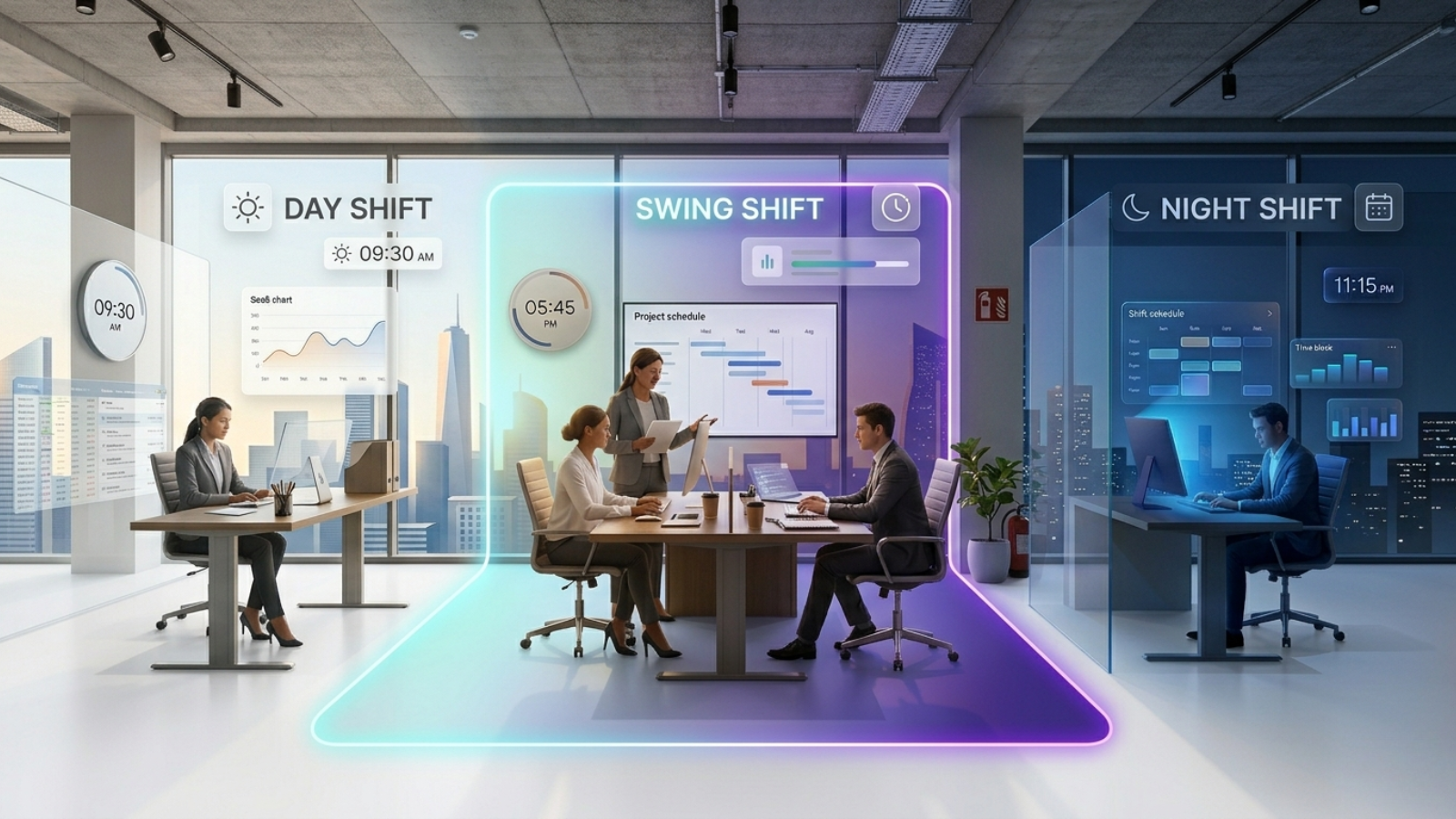
At its core, the swing shift meaning refers to a work schedule that falls between the traditional day shift and night shift. It typically starts in the late afternoon and continues into the evening or midnight.
In simple terms, if your day shift ends at 4 p.m. and your night shift begins at midnight, the hours in between are covered by the swing shift.
This is why many employers also refer to it as:
- Second shift
- Afternoon shift
- Evening shift
So, if you’ve ever wondered what is a swing shift, think of it as the “bridge” that keeps your business active during transition hours.
Swing Shift Meaning at Work: Why It Matters
Understanding the swing shift meaning at work goes beyond just knowing the timing, it’s about recognizing its role in operational efficiency.
Here’s what it actually does inside a business:
- Prevents downtime between shifts
- Ensures continuous customer service
- Supports peak-hour demand
- Reduces pressure on day and night teams
Imagine a restaurant during dinner hours or a call center handling global clients. Without a swing shift, these businesses would either be understaffed or forced to overwork their existing employees.
In short, swing shifts don’t just fill gaps, they optimize performance.
Typical Swing Shift Hours
When we talk about swing shift hours, there’s no one-size-fits-all schedule. However, most businesses follow a similar pattern.
Common swing shift schedules:
- 3 p.m. to 11 p.m.
- 4 p.m. to 12 a.m.
- 5 p.m. to 1 a.m.
This is what defines the swing shift hours meaning, a schedule that overlaps slightly with both the day and night shifts.
That overlap is actually intentional. It allows:
- Smooth handovers between teams
- Better communication
- Fewer operational errors
Some companies even customize swing shifts based on demand. For example:
- Restaurants may start earlier during lunch rush
- Warehouses may extend hours during peak delivery seasons
So, while the timing may vary, the purpose remains the same continuity.
Industries That Rely on Swing Shifts
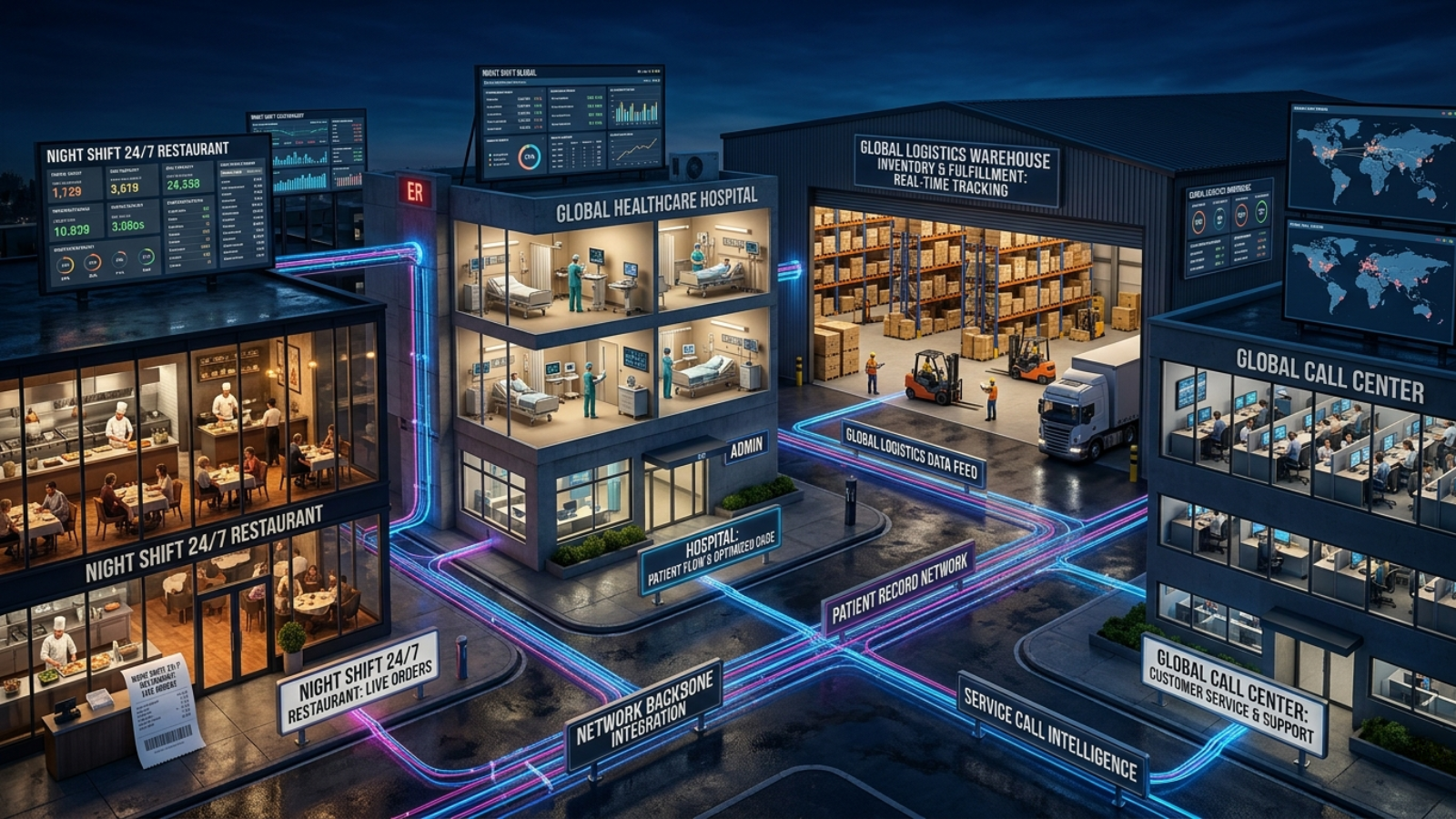
Not every business needs swing shifts, but for many, they’re essential.
Here are the industries where swing shifts are most commonly used:
1. Retail
Evening shoppers are a major revenue source. Swing shifts ensure stores remain staffed during peak buying hours.
2. Hospitality
Hotels, restaurants, and casinos rely heavily on evening traffic. Without swing shifts, service quality would drop during the busiest times.
3. Healthcare
Hospitals and clinics operate 24/7. Swing shifts ensure patient care never stops.
4. Manufacturing & Warehousing
Continuous production requires multiple shifts. Swing shifts keep operations flowing without interruptions.
5. Customer Support & Call Centers
Global customers mean round-the-clock service. Swing shifts help businesses cover multiple time zones.
6. Public Safety
Police, firefighters, and emergency services depend on swing shifts to maintain constant vigilance.
In all these industries, the swing shift meaning becomes synonymous with reliability.
Types of Swing Shift Schedules
Here’s where things get interesting, swing shifts aren’t always fixed.
Different variations exist depending on business needs, workforce size, and peak demand patterns.
1. Fixed Swing Shift
Employees work the same evening schedule consistently (e.g., 4 p.m. to 12 a.m.).
This setup offers stability and predictability, making it ideal for roles that require routine and consistency, such as manufacturing or customer support.
2. Rotating Swing Shift
Employees rotate between day, swing, and night shifts over weeks or months.
This approach helps distribute workload fairly across teams, but it may require adjustment time as employees adapt to changing schedules.
3. Split Shift
Employees work two shorter shifts in a single day (e.g., lunch rush and dinner rush).
This is especially common in industries like hospitality, where demand spikes at specific times rather than remaining constant throughout the day.
4. Flexible Swing Shift
Employees choose their start and end times within a defined window set by the employer.
This model offers greater autonomy and can improve employee satisfaction while still ensuring coverage during critical hours.
Understanding these variations helps employers design schedules that not only meet operational demands but also support employee well-being and long-term retention.
Benefits of Swing Shifts for Employers
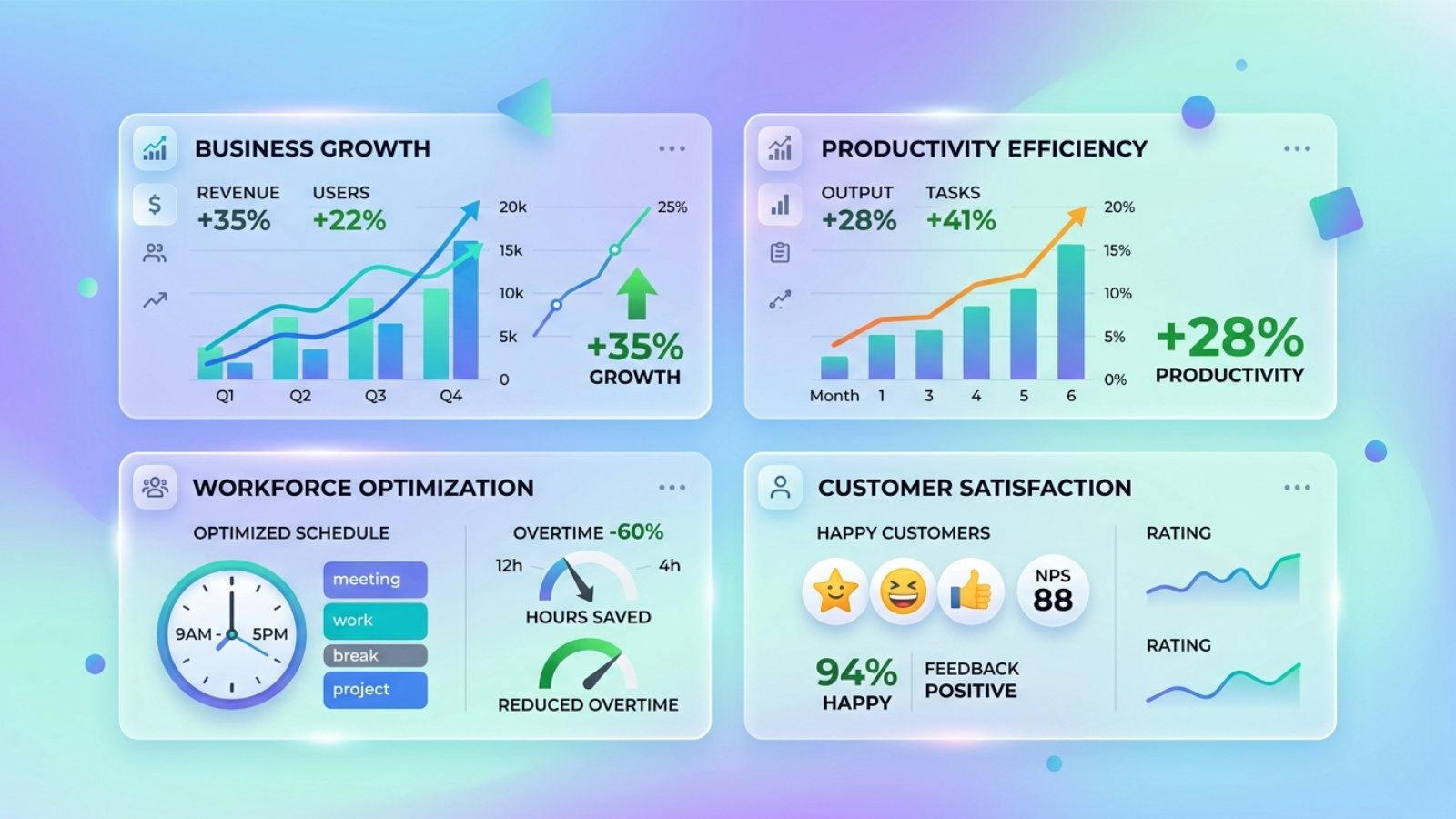
If implemented right, swing shifts can transform how your business operates.
1. Extended Operating Hours
Serve customers beyond standard business hours without overworking your team.
2. Better Customer Experience
More staff during peak hours = faster service and happier customers.
3. Reduced Overtime Costs
Instead of paying overtime, distribute workload across shifts.
4. Increased Productivity
Work continues seamlessly without gaps.
5. Global Reach
Operate across time zones and tap into international markets.
Benefits of Swing Shifts for Employees
Swing shifts aren’t just beneficial for businesses, they can also appeal to employees.
✔ Higher Pay
Many companies offer shift differentials for evening work.
✔ Free Daytime Hours
Employees can run errands, attend classes, or manage personal tasks.
✔ Less Traffic
Commuting outside rush hours saves time and reduces stress.
✔ Better Than Night Shifts
Compared to overnight work, swing shifts are easier on the body.
Challenges of Swing Shifts (And Why You Should Care)

Let’s not sugarcoat it, swing shifts come with challenges, and ignoring them can directly impact employee satisfaction and retention.
1. Work-Life Balance Issues
Evening hours can interfere with social life and family time.
Employees may miss out on dinners, events, or personal commitments that typically happen after standard work hours.
2. Fatigue & Health Concerns
Irregular schedules may disrupt sleep patterns.
Over time, this can lead to fatigue, reduced focus, and potential health issues if not managed properly.
3. Communication Gaps
Limited overlap with management can cause coordination issues.
Without proper systems in place, important updates or feedback may not reach swing shift employees effectively.
4. Employee Retention
Some workers may prefer standard schedules.
If these challenges aren’t addressed, businesses may struggle to attract and retain long-term swing shift talent.
Ignoring these challenges is where most employers go wrong, addressing them proactively is what makes swing shifts truly successful.
How to Successfully Implement Swing Shifts
This is where most blogs stop, but this is where things actually matter.
If you want swing shifts to work, you need strategy.
1. Be Clear From Day One
Mention swing shift meaning clearly in job descriptions. No surprises.
2. Offer Competitive Compensation
Pay differentials make these roles more attractive.
3. Focus on Hiring the Right People
Look for:
- Adaptability
- Time management
- Reliability
4. Ensure Smooth Communication
Use tools and processes to keep all shifts aligned.
5. Provide Equal Opportunities
Don’t isolate swing shift workers, include them in:
- Meetings
- Updates
- Growth opportunities
6. Enable Flexibility
Allow shift swaps and scheduling adjustments when possible.
Managing Swing Shifts Effectively with the Right Tools
While strategy plays a key role in implementing swing shifts, execution is where most businesses struggle. Managing different schedules, tracking productivity across shifts, and ensuring accountability, especially during non-standard hours, can quickly become overwhelming without the right system in place.
This is where a smart workforce management solution like EmpMonitor comes in. It helps businesses maintain visibility, improve coordination, and ensure that swing shift teams stay productive, without micromanaging or adding operational complexity.
EmpMonitor: Smarter Workforce Management for Swing Shifts
Managing swing shifts doesn’t have to feel chaotic. With EmpMonitor, businesses get a powerful yet flexible solution designed to handle modern workforce challenges, whether your teams are working evening shifts, rotating schedules, or across multiple time zones.
Built as an open-source employee monitoring software, EmpMonitor offers transparency, control, and actionable insights, all in one place.
Key Features That Make EmpMonitor Stand Out
-
Real-Time Activity Tracking
Monitor employee activity live across all shifts.
Get instant visibility into app usage, website activity, and productivity levels, especially useful for managing swing shift teams working outside standard hours.
-
Time Tracking & Productivity Insights
Track work hours with precision and identify productive vs idle time.
This helps ensure accountability while also highlighting top performers across different shifts.
-
Live Screencasting & Screen Recording
Access employee screens in real time or review recorded sessions.
Perfect for quality checks, training, and resolving issues without disrupting workflows.
-
Attendance & Shift Monitoring
Automate attendance tracking and manage shift schedules effortlessly.
Eliminate manual errors and keep accurate records for every employee, regardless of their shift.
-
User Activity Monitoring
Gain detailed insights into daily and hourly work patterns.
Understand how your swing shift teams operate and optimize workflows accordingly.
-
Insider Threat Detection & Data Security
Protect your business from potential internal risks.
Track suspicious activities and ensure data security without compromising employee privacy.
-
Project & Task Management
Assign tasks, track progress, and collaborate in real time.
Keep all teams – day, swing, or night, aligned and working toward shared goals.
If you’re looking to improve productivity, streamline shift management, and gain real-timevisibility into your team’s performance, EmpMonitor is built for you.
👉 Explore EmpMonitor today and see how it transforms your workforce management.
Best Practices for Managing Swing Shift Teams
To truly optimize the swing shift meaning at work, follow these proven practices:
✔ Rotate Shifts Fairly
Avoid assigning the same employees repeatedly to less desirable hours.
✔ Invest in Training
Prepare employees for schedule changes and lifestyle adjustments.
✔ Prioritize Employee Well-Being
Encourage:
- Proper sleep
- Healthy eating
- Regular breaks
✔ Use Workforce Management Tools
Scheduling software can simplify complex shift planning.
✔ Monitor Performance
Track:
- Productivity
- Employee satisfaction
- Attendance
Then optimize accordingly.
Swing Shift vs Rotating Shift: Quick Clarification
A common confusion is between swing shifts and rotating shifts.
Here’s the difference:
- Swing Shift: Fixed hours between day and night
- Rotating Shift: Employees switch between different shifts over time
In some cases, rotating shifts can include swing shifts, but they’re not the same thing.
Also Read: –
How To Manage Swing Shift Hours Effectively In 2025?
What Are Rotating Shifts: Pros, Cons, And Best Tips
Real-Life Example of a Swing Shift
Let’s make this practical.
Imagine a restaurant:
- Day Shift: 9 a.m. – 5 p.m.
- Swing Shift: 3 p.m. – 11 p.m.
- Night Shift: 11 p.m. – 7 a.m.
During dinner rush (7 p.m. – 10 p.m.), both day and swing shift employees overlap.
Result?
- Faster service
- Better customer experience
- Higher revenue
That’s the real power behind understanding the swing shift meaning.
Is a Swing Shift Right for Your Business?
Not every business needs it, but many benefit from it.
You should consider swing shifts if:
- You operate beyond 9-to-5
- You experience peak evening demand
- You serve multiple time zones
- You want to reduce overtime costs
If any of these apply, swing shifts are worth implementing.
Final Thoughts
The swing shift meaning goes far beyond just “working in the evening.”
It’s a strategic tool that helps businesses:
- Stay competitive
- Improve productivity
- Deliver better customer experiences
But like any system, its success depends on how well you implement it.
Get the balance right, between business needs and employee well-being and swing shifts can become one of your strongest operational advantages.
FAQs: –
1. What is a swing shift?
A swing shift is a work schedule that falls between the day shift and night shift, usually covering late afternoon to midnight hours.
2. What are typical swing shift hours?
Typical swing shift hours include 3 p.m. to 11 p.m., 4 p.m. to 12 a.m., or 5 p.m. to 1 a.m.
3. What is swing shift meaning at work?
The swing shift meaning at work refers to a schedule designed to maintain operations between daytime and overnight shifts.
4. Is swing shift better than night shift?
For many employees, yes. Swing shifts are generally less disruptive to sleep patterns than night shifts.
5. Why do companies use swing shifts?
Companies use swing shifts to ensure continuous operations, handle peak demand, and improve productivity.
6. What is the main purpose of swing shift meaning in business?
The swing shift meaning in business focuses on bridging the gap between day and night operations to ensure smooth workflow and consistent coverage.