
Leadership plays a crucial role in determining the success of an organisation. How you guide, motivate, and inspire your employees can make all the difference between a productive, engaged team and one that simply follows instructions.
Understanding the boss vs leader dynamic is essential for anyone in a management role. While bosses often rely on authority and control to get work done, leaders focus on inspiring and empowering their team members. This distinction affects workplace culture, employee engagement, and overall team performance.
In this blog, we’ll explore the traits that set leaders apart from bosses, highlight the key differences between their management styles, and provide actionable strategies to transition from being a boss to becoming an effective leader. By the end, you’ll have a clear roadmap to lead your team to success.
You Can Listen to this Blog here.
What Does It Mean to Be a Boss?

A boss is someone who holds a position of authority in an organization and directs the work of others. Their focus is often on tasks, deadlines, and ensuring that employees follow rules and procedures.
Typical characteristics of a boss include:
- Authority-Driven: Decisions are made top-down, and employees are expected to follow instructions without much input.
- Task-Focused: Emphasis is placed on completing work rather than developing team members.
- Control-Oriented: Supervisors may closely monitor employees’ work, sometimes leading to micromanagement.
While bosses can be effective in maintaining structure and order, their leadership style often prioritizes compliance over creativity or collaboration. Employees may complete tasks efficiently, but engagement, motivation, and innovation can sometimes suffer under a boss-centric approach.
What Does It Mean to Be a Leader?
A leader goes beyond simply managing tasks — they inspire and guide their team toward achieving shared goals. Unlike a boss, a leader focuses on building relationships, empowering employees, and creating a positive work environment.
Key traits of effective leaders include:
- Inspiration: Leaders motivate their teams by communicating a clear vision and purpose.
- Empathy: They understand employees’ needs, challenges, and strengths, fostering trust and loyalty.
- Collaboration: Leaders encourage input from team members, valuing their ideas and feedback.
- Development-Focused: They invest in employee growth through coaching, mentoring, and skill development.
Leaders influence performance not through authority, but through guidance, support, and empowerment. Teams led by true leaders are more engaged, innovative, and willing to go the extra mile to achieve success.
Differences Between a Boss and a Leader
Understanding the differences between a boss and a leader is crucial for improving workplace dynamics and team performance. Here’s a clear comparison highlighting their distinct approaches:
| Aspect | Boss | Leader |
| Management Style | Authoritative, top-down control | Collaborative, empowers team members |
| Focus | Tasks and results | People and development |
| Motivation Approach | Relies on fear or rules | Inspires through vision and encouragement |
| Decision-Making | Makes decisions alone | Involves team, values input |
| Communication | One-way, directive | Two-way, open dialogue |
| Impact on Team | Compliance, but may reduce engagement | Higher motivation, loyalty, and creativity |
By understanding these contrasts, you can identify areas where boss-like behaviors may be limiting team potential and where adopting leadership qualities can drive better results.
Using terms like leader vs boss, difference between a boss and a leader, and boss vs leader naturally throughout this section ensures clarity for readers seeking actionable insights.
Boss vs Leader – Impact on Workplace Culture

The way a boss or a leader interacts with their team has a direct effect on workplace culture. A boss often enforces rules and focuses on compliance, which can create a structured but rigid environment. Employees may complete tasks efficiently but may feel less valued or motivated.
In contrast, a leader fosters a culture of trust, collaboration, and innovation. Leaders encourage open communication, recognize contributions, and involve team members in decision-making. This approach leads to higher engagement, stronger loyalty, and a more positive work atmosphere.
Teams led by true leaders are more willing to take initiative, share ideas, and support each other. By understanding the differences between a boss and a leader, organizations can create a culture that not only achieves business goals but also promotes employee satisfaction and growth.
How to Transition from a Boss to a Leader?
Moving from being a boss to becoming a true leader requires intentional changes in mindset and behavior. Here are practical strategies to make the shift effectively:
- Focus on Empathy: Understand your team members’ challenges, strengths, and motivations. Show genuine care for their well-being.
- Encourage Open Communication: Create a safe environment where employees feel comfortable sharing ideas and feedback.
- Empower Your Team: Delegate responsibilities and trust employees to make decisions, giving them autonomy to grow.
- Invest in Development: Offer training, mentorship, and guidance to help your team develop new skills and advance their careers.
- Lead by Example: Demonstrate accountability, professionalism, and dedication. Your behavior sets the tone for the team.
- Recognize and Appreciate: Celebrate achievements and provide constructive feedback regularly to boost morale.
By adopting these strategies, you can gradually move from a boss-centric approach to a leadership style that inspires, motivates, and drives better results.
Boss vs Leader in Decision Making

The way decisions are made is one of the clearest differences between a boss and a leader.
A boss typically makes decisions unilaterally, relying on authority and expecting compliance. This approach can be efficient in the short term but may leave employees feeling excluded, undervalued, or disengaged.
Leaders, instead, include their team when making decisions. They seek input, encourage discussion, and weigh different perspectives before making choices. This collaborative approach not only improves the quality of decisions but also fosters trust and accountability within the team.
In addition, leaders are more likely to consider long-term impact and team growth when making decisions, rather than focusing solely on immediate results. By understanding the boss vs leader difference in decision-making, you can implement strategies that empower employees while achieving organizational goals.
Empmonitor – Tool to Support Leaders in the Workplace
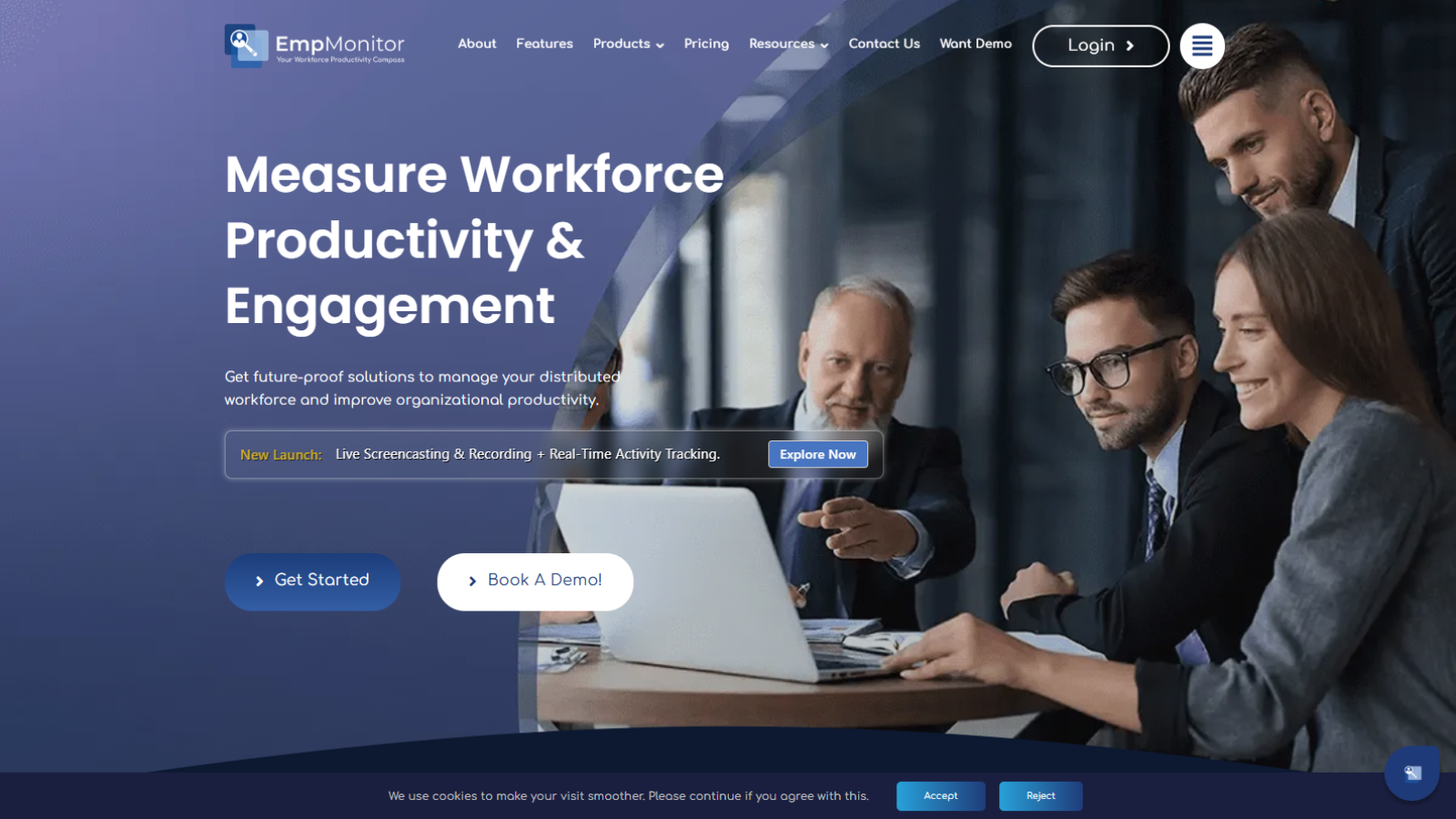
Transitioning from being a boss to a leader also involves using the right tools to manage your team effectively without micromanaging. Empmonitor is a productivity and employee monitoring tool that helps leaders maintain oversight while fostering a positive work environment.
With EmpMonitor, leaders can:
- Track Employee Productivity: Monitor tasks, time spent, and project progress without constant supervision.
- Generate Reports and Insights: Access detailed analytics to make informed decisions about workloads and performance.
- Encourage Accountability: Employees understand expectations clearly, reducing the need for authoritarian oversight.
- Support Remote Teams: Keep track of distributed teams efficiently, ensuring alignment and productivity.
By combining EmpMonitor with leadership practices, managers can focus on guiding, motivating, and developing their teams rather than simply controlling them. This helps create a culture of trust, transparency, and higher engagement.
Common Mistakes Bosses Make That Leaders Avoid
Even experienced managers can fall into boss-like behaviours that limit team potential. Understanding these mistakes helps you shift toward effective leadership.
- Micromanaging: Bosses often control every task, which can stifle creativity. Leaders delegate responsibility and trust their team to deliver results.
- Ignoring Feedback: Failing to listen to employees can reduce engagement. Leaders actively seek input and value team perspectives.
- Focusing Only on Results: While outcomes are important, neglecting employee development and morale can harm long-term productivity. Leaders balance performance with growth and support.
- Lack of Recognition: Bosses may overlook achievements, causing low motivation. Leaders celebrate successes and provide constructive praise regularly.
- Resisting Change: Bosses often stick to rigid processes. Leaders embrace innovation, adapt to challenges, and encourage experimentation.
Avoiding these mistakes allows managers to transition from being a boss to a true leader, fostering trust, loyalty, and high-performing teams.
Leadership Styles: Different Approaches Beyond Boss vs Leader
Understanding the boss vs leader distinction is just the beginning. Effective leaders often adopt different leadership styles based on their team, goals, and organizational culture.
- Transformational Leadership:
Transformational leaders inspire and motivate their teams to achieve exceptional results. They focus on vision, innovation, and personal development, encouraging employees to exceed expectations. - Servant Leadership:
Servant leaders prioritize the needs of their team. They listen actively, support growth, and remove obstacles, creating a collaborative and empowered workplace. - Democratic Leadership:
Democratic leaders involve team members in decision-making. By valuing input and fostering consensus, they increase engagement and ownership of outcomes. - Situational Leadership:
Situational leaders adapt their style based on circumstances, the skills of their team, and project requirements. This flexibility allows leaders to balance authority and empowerment effectively.
Adopting the right leadership style helps bridge the gap between boss-like authority and inspiring leadership, ensuring teams remain motivated, engaged, and productive.
How Leadership Influences Employee Engagement?

The way a leader interacts with their team has a direct impact on employee engagement. Unlike a boss, who may rely on authority to get tasks done, a leader fosters a culture where employees feel valued, heard, and motivated.
Engaged employees are more productive, creative, and committed to the organization’s goals. Leaders increase engagement by:
- Recognizing Achievements: Celebrating successes boosts morale and encourages consistent performance.
- Providing Growth Opportunities: Offering mentorship, training, and skill development demonstrates investment in employees’ careers.
- Encouraging Open Communication: A transparent environment builds trust and empowers employees to share ideas.
- Aligning Vision and Goals: Leaders clearly communicate organizational objectives and help employees see how their contributions matter.
By focusing on engagement, leaders create a positive workplace culture that reduces turnover, enhances collaboration, and drives long-term success.
Developing Leadership Skills for Career Growth
Becoming an effective leader requires continuous personal and professional development. Unlike bosses, who rely on authority, leaders focus on building skills that inspire and empower their teams.
Here are key strategies to develop leadership skills:
- Enhance Emotional Intelligence: Understanding your own emotions and recognizing those of your team helps improve communication and decision-making.
- Practice Active Listening: Truly listening to employees builds trust and allows you to address concerns effectively.
- Improve Decision-Making: Learn to weigh options, consider team input, and make informed, timely decisions.
- Develop Conflict Resolution Skills: Leaders handle disputes calmly and find solutions that strengthen team relationships.
- Seek Feedback and Reflect: Regularly ask for feedback on your leadership style and identify areas for improvement.
- Invest in Continuous Learning: Attend workshops, read books, or take courses to stay updated on leadership trends and techniques.
By focusing on these areas, professionals can transition from a boss-like approach to becoming a leader who inspires growth, engagement, and long-term success.
Real-World Examples of Boss vs Leader
Seeing real-world examples helps illustrate the difference between a boss and a leader in action.
Boss Example:
A manager who focuses solely on deadlines and enforces strict rules may complete projects on time, but employees often feel undervalued or stressed. Innovation and engagement can suffer as team members are reluctant to take initiative.
Leader Example:
Take Satya Nadella, CEO of Microsoft. His leadership style emphasizes empathy, collaboration, and continuous learning. By empowering employees, encouraging feedback, and fostering a culture of innovation, Microsoft has seen increased engagement, productivity, and long-term growth.
Another Example:
In small businesses, a boss may micromanage tasks and insist on approving every detail. A leader in the same environment delegates responsibilities, mentors team members, and celebrates their successes, creating a motivated and high-performing team.
These examples demonstrate how leadership qualities directly influence workplace culture, employee satisfaction, and overall organizational success.
How Leaders Handle Challenges Differently

Challenges are inevitable in any workplace, but the approach of a boss versus a leader can make a huge difference in outcomes.
Boss Approach:
A boss may respond to challenges by issuing directives or taking control, often without consulting the team. This can lead to quick fixes but may create stress, resentment, or disengagement among employees.
Leader Approach:
Leaders approach challenges collaboratively. They involve team members in problem-solving, encourage creative solutions, and provide guidance while empowering employees to contribute ideas. Leaders also maintain a calm and supportive demeanor, helping teams stay focused and motivated under pressure.
By handling challenges this way, leaders not only solve problems effectively but also build resilience, trust, and loyalty within their teams. Employees feel valued and motivated to contribute, even in difficult situations.
Also Read,
How To Deal With A Micromanaging Coworker In 2025?
Key Takeaways
Understanding the boss vs leader distinction is essential for anyone in a management role. Here are the main points to remember:
- Bosses focus on authority and control, while leaders focus on inspiration, guidance, and empowerment.
- Leadership impacts workplace culture by fostering engagement, trust, and collaboration.
- Effective leaders involve their teams in decision-making, encourage growth, and recognize achievements.
- Transitioning from boss to leader requires empathy, communication, and a focus on development.
- Using tools like Empmonitor can help leaders track productivity and performance without micromanaging, supporting a positive work environment.
- Leadership is a skill that can be developed through emotional intelligence, active listening, conflict resolution, and continuous learning.
By adopting leadership qualities, managers can inspire their teams, boost engagement, and drive long-term success for both employees and the organization.
FAQs
- What is the main difference between a boss and a leader?
A boss focuses on authority, control, and task completion, while a leader inspires, empowers, and guides their team toward shared goals. - Can a boss become a leader?
Yes. By adopting empathy, effective communication, delegation, and recognition practices, a boss can transition into a leader. - How does a leader impact team productivity compared to a boss?
Leaders foster engagement, creativity, and collaboration, which enhances productivity. Bosses may achieve results but often at the cost of employee morale and innovation. - What tools can help leaders manage their teams effectively?
Tools like Empmonitor allow leaders to monitor productivity, track tasks, and generate insights without micromanaging, supporting a positive and efficient work environment. - Why is understanding boss vs leader important for career growth?
Recognizing the difference helps professionals improve their management style, enhance team performance, and develop essential leadership skills for long-term career success.