Modern trading environments rely on rapid information processing, disciplined attention, and the ability to make clear decisions in volatile market conditions. Yet hybrid work arrangements, dense digital ecosystems, and continuous communication streams often compete for a trader’s focus. App usage reports give firms a structured, data-driven way to understand how attention is spent across the workday. When leaders frame these insights as performance optimization tools rather than monitoring mechanisms, they strengthen decision accuracy, reduce avoidable distraction, and create more resilient workflows across trading teams.
What App Usage Reports Actually Measure
App usage reports provide an objective view of how analysts and traders interact with their digital tools. They track active time, idle time, switching frequency, notification interruptions, and the distribution of activity across research platforms, execution systems, communication channels, and administrative applications. These insights come from workforce analytics systems that classify each application and surface the behavioral patterns shaping productivity. For operations, IT, and compliance leaders who require oversight without micromanagement, the data offers clarity on where digital habits actively support trading performance and where they introduce friction that slows decision-making.
Distinguishing Deep Work From Reactive Screen Time
Successful trading depends on extended periods of uninterrupted cognitive focus. Traders need space to evaluate signals, run scenarios, interpret market shifts, and prepare execution plans. App usage analytics help firms see how much of the day is spent in this deep analytical mode compared with reactive mode, where alerts, messaging threads, and notification spikes fragment attention. When usage data shows repeated interruptions during critical decision windows, leaders can redesign workflows, adjust alert settings, or establish clearer communication protocols that preserve high-focus intervals. These changes not only protect traders’ cognitive performance but also contribute to more deliberate, confident decision-making.
Where Time Goes: Common Distractions in Trading Roles
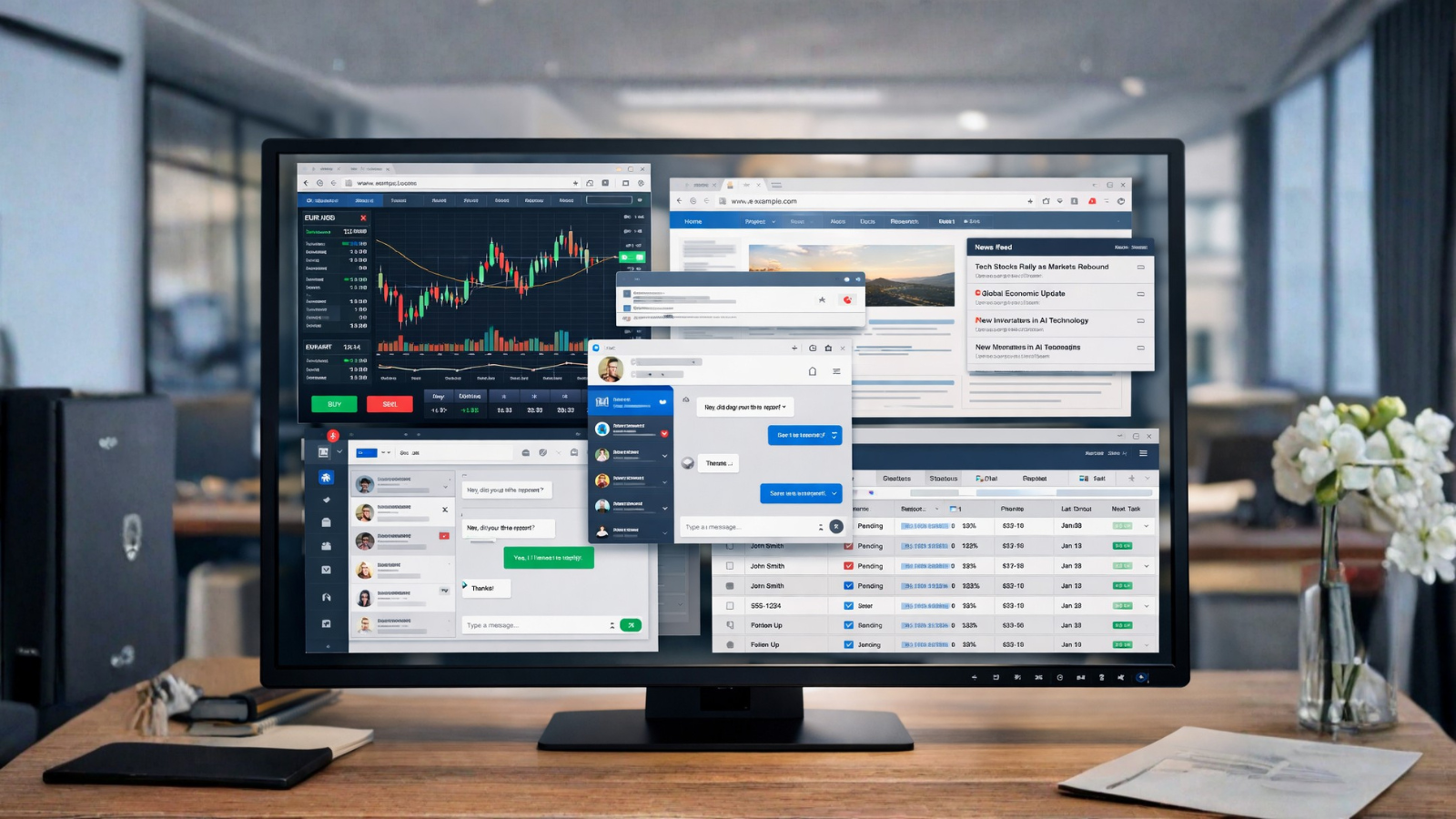
Traders typically work across an ecosystem of essential, high-intensity platforms. Bloomberg and Reuters terminals provide real-time market intelligence, OMS and EMS systems support execution, CRM tools manage client interactions, and internal messaging platforms coordinate activity across desks. While each tool is necessary, together they produce an avalanche of digital stimuli. App usage reports quantify which platforms pull attention most frequently, highlighting patterns such as overactive chat channels, excessive news alerts, or heavy reliance on CRM tools during peak trading hours.
In many firms, this also includes the use of a trading app that aggregates market data, charting tools, and execution pathways into a single interface. These apps can streamline workflow when used intentionally, but they often become another source of rapid context-switching, especially when traders toggle between desktop terminals and mobile trading environments. Usage analytics help firms understand whether these apps enhance efficiency or contribute to fragmented attention. By examining how often traders shift into these applications during active research or execution periods, leaders can refine guidance on when and how such tools should be incorporated into the broader workflow.
These insights help firms differentiate between necessary communication and avoidable noise, often revealing desk-level habits that can be restructured to reduce unnecessary cognitive load and create a healthier rhythm of collaboration.
The Cognitive Impact of Multitasking on Trade Quality
Multitasking carries well-established cognitive penalties, and its effects are magnified in trading roles where precision and timing are essential. Every time a trader switches between terminals, messaging threads, and execution systems, the brain must reset its focus.
Throughout a trading session, these micro-resets erode mental clarity, elevate fatigue, and increase the risk of misinterpreting data. App usage analytics expose these switching patterns, showing when and where they occur most frequently. A spike in switching during high-volatility windows, for example, may signal workflow bottlenecks that can be addressed through better tool integration or clearer task distribution. Reducing unnecessary switching helps traders remain mentally steady, improving the quality of both analysis and execution.
Using Comparative Analytics Across Desks and Roles
One of the most strategic uses of app usage data is comparative analysis. By examining differences in focus patterns across desks, teams, or seniority levels, firms gain insight into the behaviors that enable high performance. Senior traders, for instance, may display longer deep-focus intervals and smoother platform transitions, while junior analysts may face higher interruption rates or uncertainty navigating tools. Some desks may demonstrate efficient alert structures, whereas others rely heavily on synchronous communication even during low-intensity periods.
These comparisons allow leaders to surface best practices, identify where training or workflow redesign is needed, and understand how different teams experience digital friction. Over time, comparative insights form a blueprint for operational improvement that is grounded in observable behavior rather than assumptions.
Turning Switching Frequency Into a Performance Insight
Switching frequency is one of the most revealing signals of workflow strain. Excessive switching may reflect poorly structured processes, tool overload, or unclear prioritisation. By analysing switching frequency in context, leaders can intervene thoughtfully. If traders are rapidly toggling between research platforms and messaging channels during market open, it may indicate that communication expectations are too reactive. If junior analysts switch excessively between CRM systems and research dashboards, they may need clearer guidance on sequencing tasks. Streamlining workflows around moments of high switching not only reduces cognitive fatigue but also creates a more predictable, stable environment for making high-stakes decisions. As patterns improve, teams often report greater confidence and reduced mental strain across the trading day.
Understanding Notification Overload in Hybrid Trading Teams
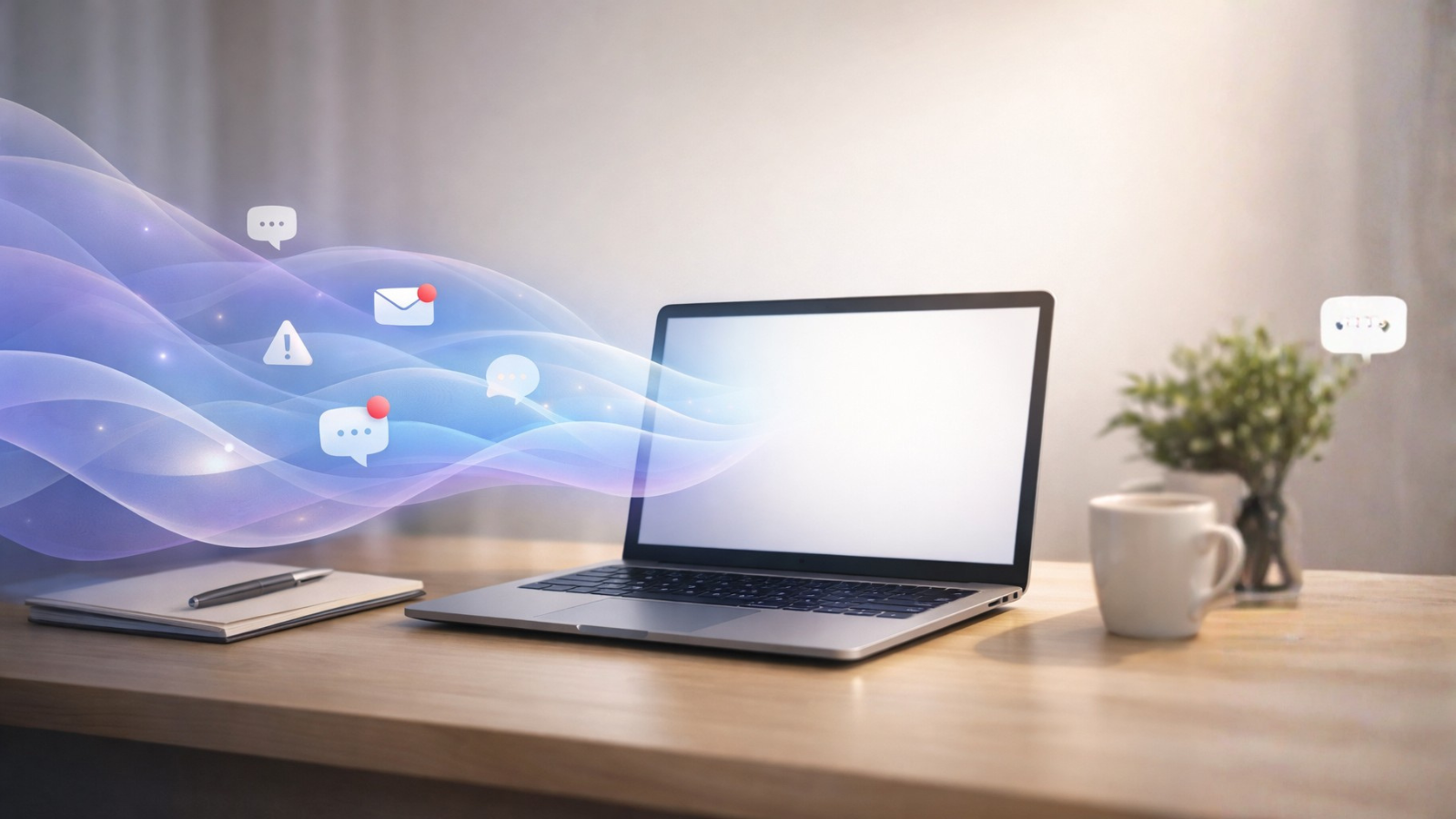
Hybrid and remote trading setups increase reliance on digital communication. Without the structured cues of a physical trading floor, traders must lean on messaging platforms and automated alerts to stay aligned.
App usage data shows how often notifications interrupt active work and which sources create the heaviest load. Many firms discover that traders receive far more alerts on home networks than in the office due to looser communication boundaries and overlapping channels. With this visibility, leaders can refine alert logic, set priority levels, reduce duplication across channels, and shift non-urgent information to dashboards or scheduled updates. Reducing notification pressure, even modestly, has a measurable impact on focus, especially during periods where cognitive performance is essential to risk management.
Aligning Usage Insights With Regulatory and Cultural Expectations
Global financial hubs operate within strict regulatory frameworks, and firms already use monitoring systems to meet FCA, SEC, and MAS expectations. App usage reporting extends this visibility into the operational layer of digital behavior. However, trading cultures value autonomy and trust, so leaders must communicate intent clearly.
When app usage insights are framed as tools for improving workflow discipline, reducing cognitive overload, and strengthening decision accuracy, they enhance engagement rather than resistance. This cultural alignment is crucial for adoption. Traders respond positively when monitoring supports their performance rather than scrutinising their behavior.
Supporting Skill Development For Junior Analysts
Junior analysts often face steep learning curves as they navigate multiple systems, interpret market signals, and balance communication expectations. App usage reports expose the specific challenges they encounter. Perhaps switching spikes because they are unsure where information resides, or idle time increases because they hesitate while analysing data. Leaders can use this information to create targeted coaching programs that reinforce digital navigation skills, clarify workflows, and develop more structured research habits. Over time, junior analysts become more confident and efficient, which reduces the guidance burden on senior traders and enhances the desk’s collective performance.
Using Time-Spent Data to Strengthen Workflow Architecture

Time-spent metrics reveal how trading teams allocate their working hours across research, collaboration, execution, and administrative responsibilities. When firms notice heavy time investment in low-value tasks, they can automate routine processes, adjust reporting requirements, or streamline toolsets. Usage data also helps leaders test whether new technologies genuinely reduce complexity or inadvertently increase multitasking demands. By continually aligning time-spent data with strategic goals, firms build workflows that promote clarity, reduce cognitive drag, and support deeper focus during the trading moments that matter most.
Integrating App Usage Insights Into Continuous Performance Management
App usage reports become most powerful when integrated into a continuous performance cycle. Instead of treating them as ad hoc diagnostics, leaders who review usage patterns regularly can identify emerging strains before they affect trade quality. Rising switching frequency during specific market sessions, for instance, may signal workflow or communication issues that were not present earlier in the quarter. These early warnings enable managers to intervene proactively, redistributing tasks, adjusting expectations, or strengthening platform training before problems escalate. Usage data also improves the quality of performance conversations. Rather than relying on subjective impressions, leaders can reference measurable patterns that clarify where support or skill development is needed.
This approach creates a collaborative, trust-based environment that aligns with the culture of high-performing trading teams. Over time, continuous integration of usage insights helps firms refine their digital ecosystems, ensuring that workflows evolve in step with market demands and the cognitive requirements of trading roles.
Final Thoughts
App usage reports give financial firms a powerful framework for strengthening focus, reducing digital fragmentation, and enhancing decision accuracy in high-stakes trading environments. By analysing time allocation, switching frequency, comparative patterns, and notification load, leaders can design workflows that protect cognitive performance and support operational excellence. When framed as a performance tool rather than a surveillance mechanism, usage insights become a strategic asset that helps trading teams operate with greater discipline, clarity, and confidence.