Monitor Employee Behavior is an important part of understanding how well a team functions beyond just task completion. Many people get hired for their technical skills, yet their workplace behavior often determines long-term success. When companies make an effort to evaluate and support positive conduct, they build stronger, more reliable teams. At the same time, many organizations also work with experienced employee benefit package consultants to create supportive workplace environments that improve retention and overall employee satisfaction. This is why so many organizations now turn to monitoring tools that help analyze real behavioral patterns at work and encourage a healthier, more accountable environment.
Here in this article, we are going to further discuss why employee behavior monitoring is essential in business and what are its various benefits.
In a hurry? Listen to the blog instead!
4 Reasons To Monitor Employee Behavior
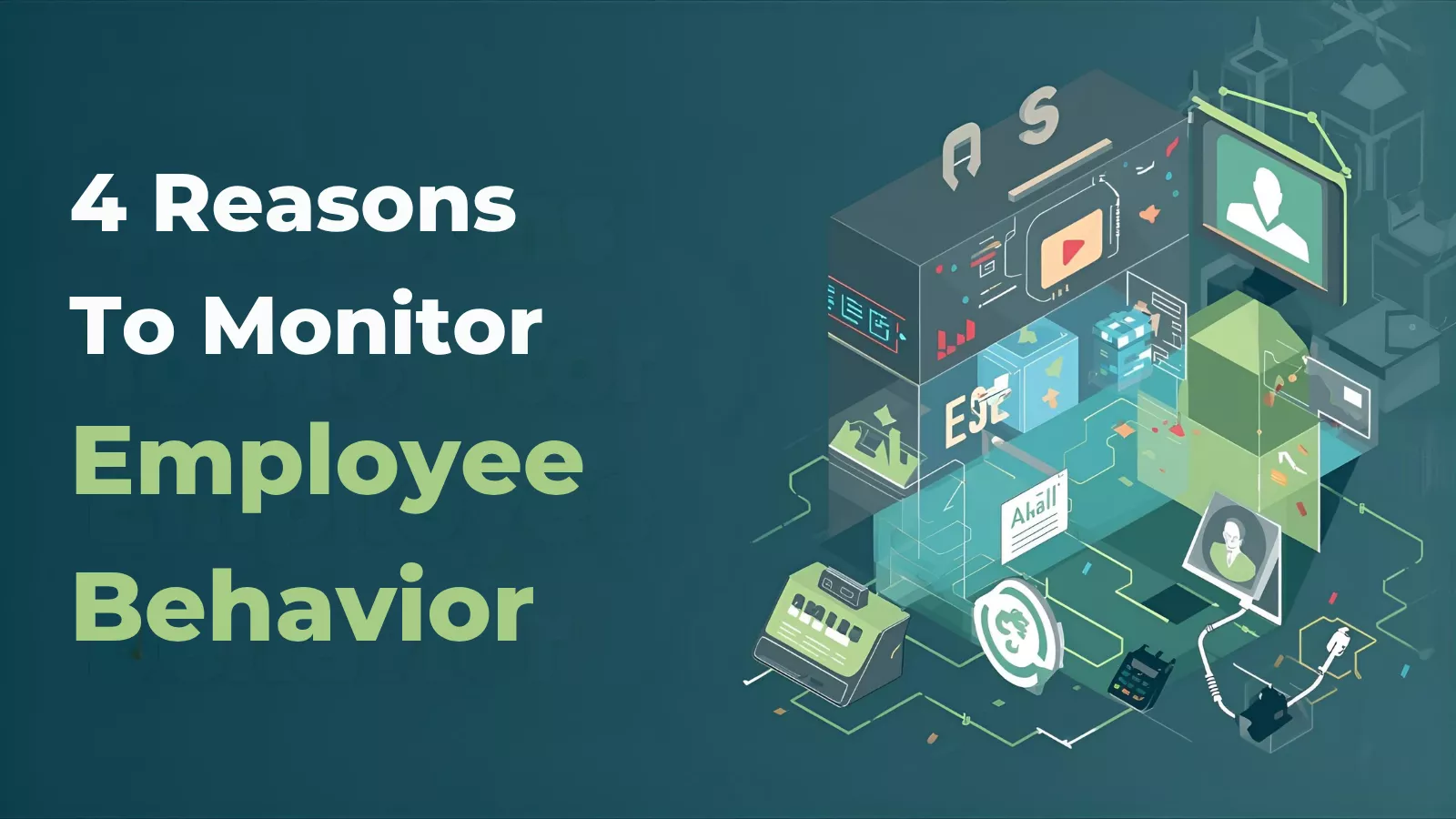 Here are the 4 reasons to monitor employee behavior
Helps You Organize Staff
Every workplace deals with distractions, especially when employees spend long stretches of their day online. Remote and hybrid setups have made it harder for managers to get a clear sense of how employees are balancing their time. Without visibility, it’s easy for work patterns to slip—long breaks, unnecessary browsing, or multitasking that slows down progress.
Monitoring employee behavior gives you a more accurate understanding of how people are engaging with their tasks. Instead of relying on assumptions, you see real work patterns: when someone is focused, when they’re drifting, and when personal activities begin cutting into work time. This helps you organize teams better, assign responsibilities more fairly, and support employees who might be struggling.
Additional advantage: You also start noticing broader patterns, such as which teams handle time well and which ones need clearer processes or guidance.
Learn About Tools And Software
Work tools can make or break productivity. Employees often have their own preferences, but that doesn’t always mean they’re using the best options available. Some stick to old tools because they’re familiar. Others avoid tools they don’t fully understand. And sometimes entire teams underuse important platforms simply because training wasn’t strong enough.
With behavior monitoring, you get real insights into software usage. You see which tools people rely on every day, which ones they ignore, and whether any part of the workflow is slowing them down. This helps you make better choices about training, onboarding, or investing in new tools.
Additional advantage: By spotting unused or underused tools, you can cut down unnecessary expenses and reassign budgets more wisely.
Find Fake Performers
Some employees know how to look busy without producing meaningful work. They show activity only when someone is watching, submit reports that sound impressive but lack substance, or rush tasks right before a meeting. These fake performers can stay unnoticed for a long time if you rely only on verbal updates or surface-level checks.
Behavior monitoring reveals what’s actually happening behind the screen. It shows real work rhythms, not just curated snapshots. You can easily identify who is consistently performing and who is active only when attention is on them.
Additional advantage: This helps you reward genuine performers more fairly and prevents a culture where appearance matters more than effort.
Track Passive Employees
Not everyone avoids work on purpose. Some employees struggle with focus, pace, or self-motivation. They might arrive late, log out early, or take more time than necessary on routine tasks. Others may feel overwhelmed or unsure about how to prioritize their work.
Monitoring helps you understand these patterns early. When you see repeated delays or long idle times, you can approach the employee with clarity and support rather than assumptions. A simple conversation, better task structure, or improved instructions might be all they need.
Additional advantage: Tracking passive behavior gives you enough insight to plan training sessions, create clearer expectations, and help employees work with more confidence.
How To Monitor Employee Behavior?
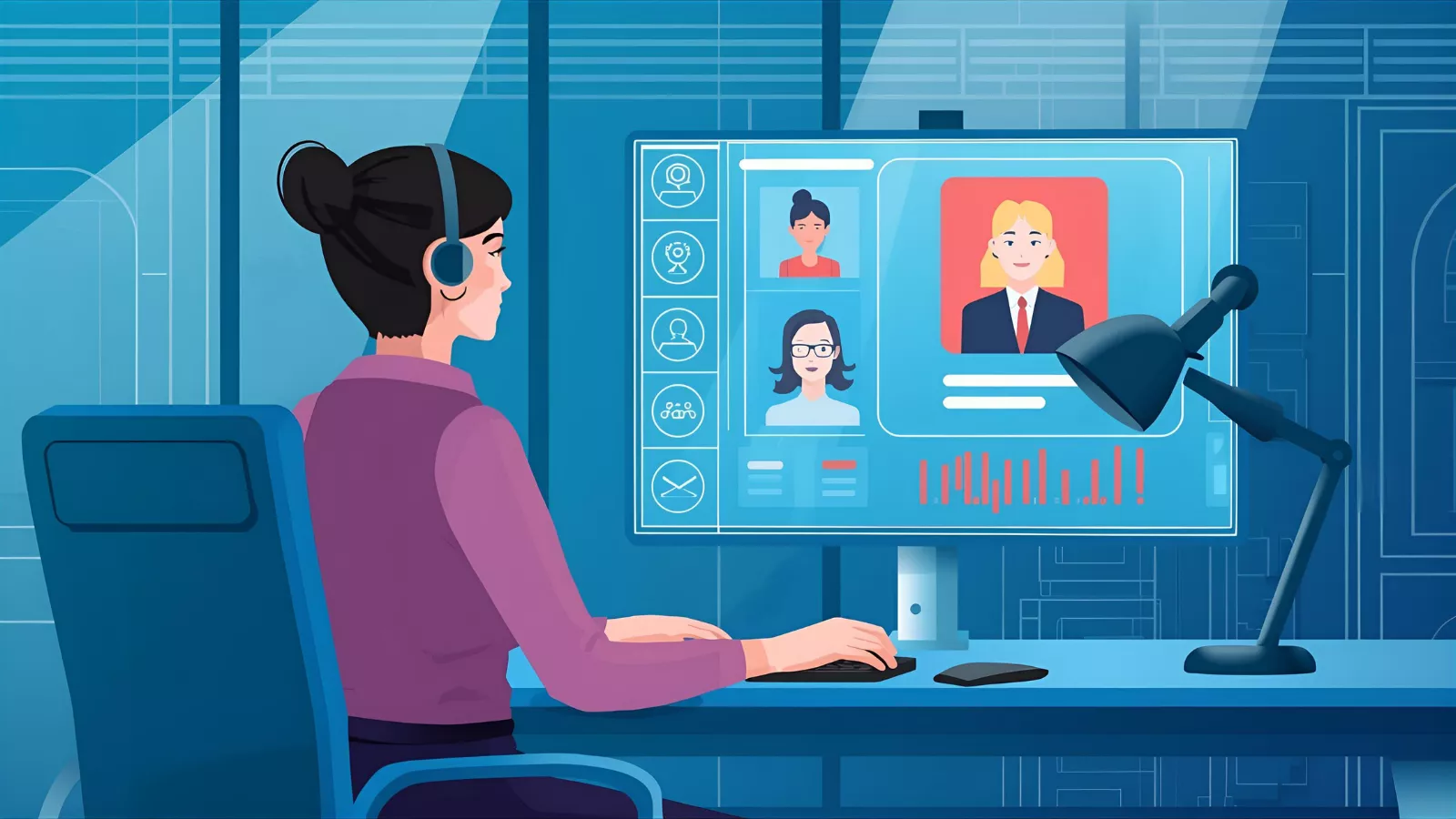 Here we have the technology that can help you to monitor employee behavior. Using the new feature of EmpMonitor, you can keep track of employee behavior. And accordingly, give them suggestions or warnings to improve their work efficiency.
It has a rule-based alert system, which triggers when any of your employees breaks any rule that you have created. By implementing them you can check whether your employees are –
- Punctual/ Habitually late
- Active/Idler
- Regular/Irregular with attendance
- Productive with Internet usage (Software & Applications)
EmpMonitor- Behavior Monitoring:
 After opening the EmpMonitor dashboard, you can see this new feature- Behaviour. With this new feature added into EmpMonitor, now the admin user has the ability to create certain rules for employees. There you can set rules for your workforce when they break those rules under certain conditions.
For example, suppose you have created a rule to alert those employees who leave their work early for a day. Under that, you have created certain conditions for which employees will receive alerts/warnings whenever any breaches happen to trigger the rule.
Also, there you can create multiple rules to keep track of your employees’ work behavior which triggers only when someone breaches the rules by breaking the pre-set conditions.
Monitor Employee Behavior Using EmpMonitor
Now, if you are ready to implement employee behavior monitoring using EmpMonitor, here are the steps you need to follow.
- When you open the dashboard, you’ll see a dedicated Behavior tab. This is where you’ll find all the tools needed to track employee activity and set up behavior-based alerts.
- Begin by clicking on the Behavior section. Inside, you’ll find three main options: Alerts, Alert Policies, and Alert Notifications.
- Start with the Alerts option. This is where you create the actual rules your team will follow. Give each rule a clear name so it’s easy to identify later. If your organization operates across multiple locations or has different departments, you can choose exactly where each rule applies. This helps you customize policies based on teams, locations, or work types.
- Next, set the conditions that will trigger the alert. These conditions define what kind of behavior should raise a flag, such as early logouts, extended idle time, or repeated access to non-work websites. You can also add a note if you want to include any internal reminders or specific instructions.
- After that, assign a risk level to the rule. This determines what kind of response the breach will trigger. Lower-risk activities might only send a simple notification to the employee. Higher-risk behavior, however, can generate a warning, ensuring that more serious issues are addressed immediately.
- You also have the option to notify specific people whenever a breach occurs. This could be the employee themselves, their manager, or any designated supervisor. Setting this up ensures that each alert reaches the right person at the right time.
- By customizing these rules, EmpMonitor helps you create a system where behavioral issues are spotted quickly, documented clearly, and handled in a way that keeps your team’s workflow smooth and accountable.
Alert Policies-
Now, if you want to check the rules already implemented in your organization, then go to the Behavior option again and click on the Alert policies option. Under this section, you can check various sets of rules already implemented in your organization. Also, there you have the option to alter changes in the rules according to the different situations and the need of your company.
Alert Notifications-
Next on the behavior section, you have the option to check the alert notification preferences set for your organization. It will show the time, data and employee’s name when any alert is triggered. And according to the risk of the alerts, actions can be in the form of warnings/notification alerts.
With this kind of system implemented in your organization, you could ensure that your employees are not wasting time on unproductive activities and giving their best efforts for the growth of your business. Let’s consider an example, suppose an employee in your organization is having the habit of coming late to the office. Even if he has been quite active in his job. But sometimes he also uses office internet for personal usage. Or there can be conditions where you have purchased expensive software to ease up the work for your employees. But someone in your organization is not using it and taking more time to complete a task, which can be completed in a few minutes only.
In all those cases, you can implement this new employee behavior monitoring feature of EmpMonitor software so that you can be assured of getting more productivity in your business.
Benefits Of Employee Behavior Monitoring
 Here are the benefits of employee behavior monitoring:
Improve Discipline
When you monitor employee behavior, you create a system where expectations are clear and accountability is consistent. Once employees know that their work patterns, attendance, and digital activities are being tracked through set rules, they naturally become more conscious of how they manage their time. This leads to better discipline, fewer distractions, and more focus on actual work. It also helps managers spot early signs of irregular behavior, guiding employees before small issues grow into larger performance problems. Over time, this structured environment encourages a culture where everyone takes responsibility for their tasks without slipping into unproductive habits.
Reduce Risk
In any organization, mistakes—whether intentional or accidental—can have consequences. Something as small as sharing a file carelessly, accessing an unauthorized website, or delaying critical tasks can impact workflow or even compromise data. When you regularly monitor employee behavior, these risks are easier to manage. EmpMonitor’s alert-based system notifies managers as soon as any rule is broken. This allows leaders to intervene quickly, understand what went wrong, and take steps to prevent future issues. Instead of reacting after a problem has caused damage, you can respond in real time and protect the organization from unnecessary losses.
Cost Cuttings
Businesses often invest heavily in tools and software to streamline operations. But not all tools get used the way they should. Some employees may avoid important software simply because they prefer another tool or don’t know how to use the new one properly. When you monitor employee behavior, you can see exactly which tools are used regularly and which ones barely contribute to the workflow. This helps you cut down unnecessary expenses and reinvest in resources that truly support the team. It also highlights where additional training may be needed so employees can make the best use of the tools the company already owns.
Overtime Payment
Overtime can become a sensitive topic when there’s no clear visibility into how employees spend their working hours. Without proper tracking, it becomes hard to tell whether overtime claims are genuine or inflated. When you monitor employee behavior, you gain a transparent view of each employee’s daily activity—how long they worked, what tasks they focused on, and how much time was spent idle. This makes overtime assessments fair and accurate. Instead of relying on assumptions or verbal claims, you have real data that shows who genuinely contributed extra hours and who might be stretching their timelines unnecessarily.
Read More
Managing Remote Workers: Best Practices And 9 Essential Tips
How To Implement Staff Management Software Successfully In 2025?
How To Tackle Dual Employment Before It Becomes A Problem
Attendance & Timesheet
Irregular attendance affects more than just one person’s workload; it disrupts team coordination and puts additional pressure on colleagues who have to pick up the slack. When you consistently monitor employee behavior, you can easily spot attendance issues—late logins, early logouts, or frequent absences. EmpMonitor’s alerts help managers address these patterns early and have the right conversations with the concerned employees. This doesn’t just improve attendance; it helps maintain a balanced workflow where no one feels overburdened by someone else’s lack of consistency.
Eradicate Unproductive Behavior
Every workplace has situations where employees may fake progress, extend tasks unnecessarily, or submit misleading reports. These habits directly affect overall performance and team morale. With a system designed to monitor employee behavior, you get full visibility into who is genuinely contributing and who is avoiding responsibility. EmpMonitor’s automated alerts flag suspicious or unproductive behavior immediately, giving managers the chance to address the issue before it becomes a bigger problem. Whether it’s excessive idling, misuse of company resources, or intentionally delaying tasks, the system helps reduce these behaviors and encourages employees to stay honest and consistent in their roles.
Wrapping Words:
So after going through this article, have you decided to monitor employee behavior in your organization? If yes, then you must check the new feature of our EmpMonitor software. It will help you to keep a close eye on the behavioral characteristics of your workforce. So that you can take your actions accordingly to improve the production efficiency of your organization.
In case you have any queries, or you are interested in knowing more about EmpMonitor features, feel free to drop us a line and connect with us!
We would love to hear your experience. And please don’t forget to share this article with others as well.
FAQs About How To Monitor Employee Behavior
How can companies monitor employee behavior without affecting morale?
When organizations monitor employee behavior transparently and explain the purpose behind it, employees feel more comfortable. Clear communication helps them understand that the goal is fairness, safety, and productivity—not control.
What role does technology play when you monitor employee behavior?
Modern tools make it easier to monitor employee behavior by tracking activity patterns, attendance, tool usage, and workflow habits. This gives managers a realistic understanding of how work happens day to day.
Does it make sense to monitor employee behavior for remote or hybrid teams?
Yes. Remote setups reduce visibility, so companies monitor employee behavior to catch idle time, missed tasks, or workflow delays that aren’t always obvious in virtual communication.
Can managers monitor employee behavior to identify burnout early?
Definitely. When you monitor employee behavior, you start noticing signs like long idle periods, slowed output, or irregular login habits. These patterns often point to burnout or overload, allowing timely support.
Is it possible to monitor employee behavior while still respecting privacy?
Yes. Companies can monitor employee behavior by focusing on work-related patterns rather than personal data. Setting clear boundaries and policies ensures employees feel respected while still keeping workflows accountable.
Can employee behavior monitoring help managers handle performance reviews more accurately?
Yes. Employee behavior monitoring provides real data on productivity, time usage, and consistency. This makes performance reviews more objective and reduces bias, helping managers make decisions based on actual work patterns rather than assumptions.