
Employee evaluation can be tricky at the best of times, but as the business realm evolves, things only become more complex. Remote work is becoming increasingly integral to how organizations work, and employee expectations are shifting to prioritize more experience-oriented cultures. In this climate, traditional evaluation models are proving cumbersome and ill-equipped to deal with the demands of modern workplaces.
These days, employee evaluation needs to be more than just an HR exercise; it must be a lever for performance management and continuous improvement, and a key driver of morale, engagement, and productivity. So, we need to evolve our organizations’ evaluation frameworks to support this. Here, we’ll provide insight on how you can do that, outlining 6 methods for better evaluating your employees.
1. Prioritize Transparency And Visibility Over Surveillance
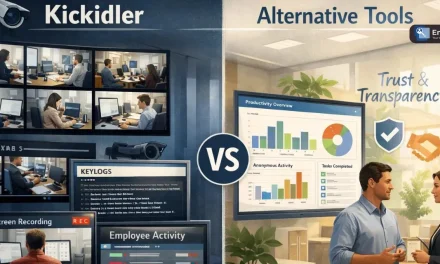
First and foremost, evaluating employees effectively requires a fundamental understanding of what the process is truly about. A common mistake is to conflate evaluation with surveillance, thinking that monitoring employee activity is the most straightforward way to gauge performance. While this may sound effective, the reality is that such intrusive monitoring can feel invasive to employees, which often leads to negative results.
When staff experience excessive monitoring, it erodes trust and morale, and can actually prevent them from reaching their highest level. Moreover, it can encourage inefficient work behaviors, as employees focus on actions that appear productive but deliver little real value to the organization.
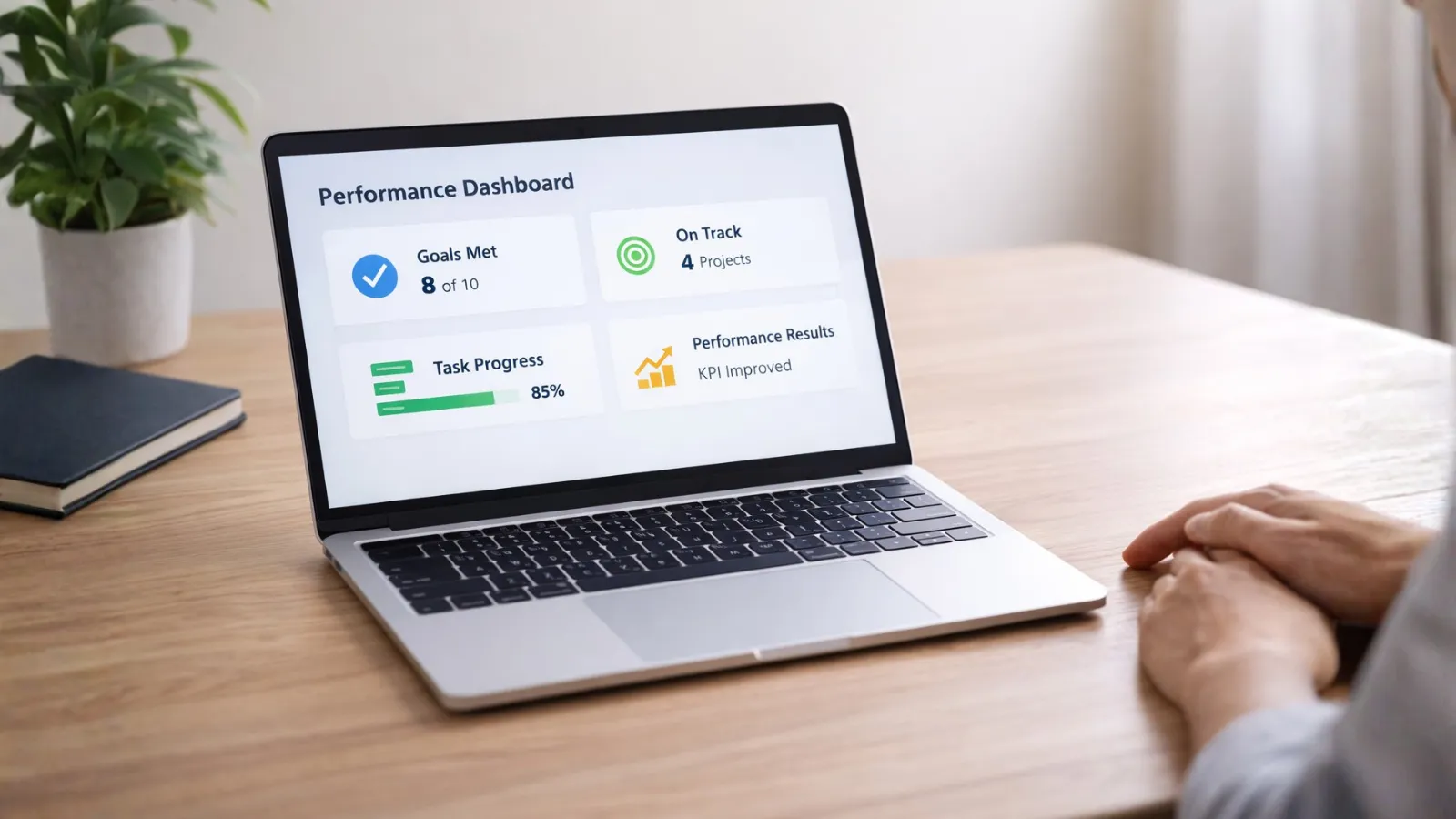
An effective evaluation strategy is built on transparency and trust. Employees should be made to feel that they are part of the process, not subjects under a microscope. Be clear about what data will be collected on staff, how it will be collected, and how it will be leveraged in employee evaluation software. Understanding the difference between visibility and surveillance, and incorporating that knowledge into your strategy, is key to effective evaluation. Rather than following your employees’ every move, create a system that they will engage with and let them come to you.
2. Implement An Outcome-Focused Evaluation Model
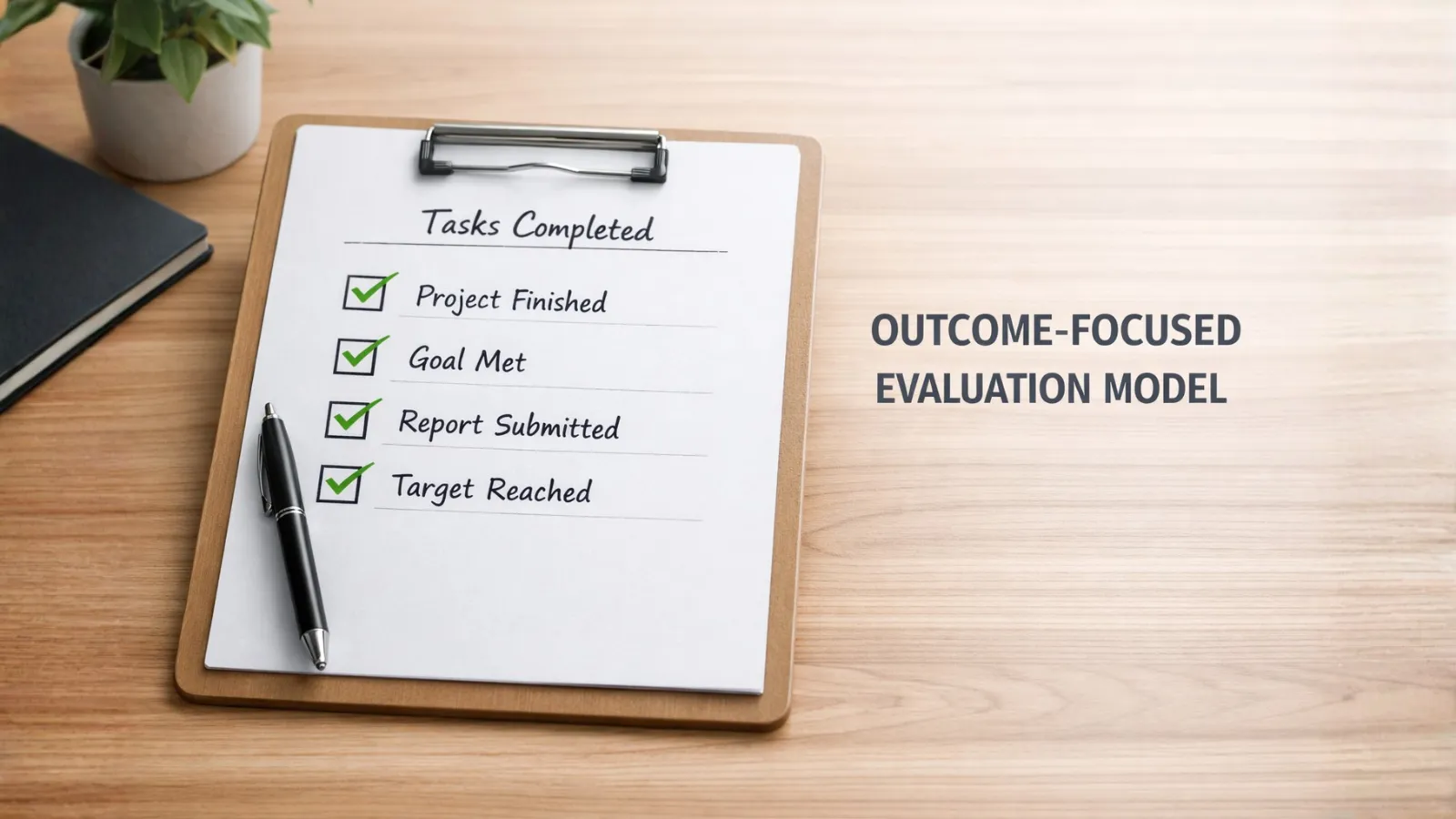
Improving employee evaluation and the insights you gain from it requires a shift in how you perceive and measure value. Companies have long relied on time-based evaluation models, using hours logged to assess performance, but this approach offers little insight into an employee’s actual contribution to the organization. Rather than a time-based model, you would likely be better served by adopting a more outcome-focused one.
An abundance of logged time can mask of unproductive and inefficient work patterns, but an outcome-oriented model doesn’t have such limitations. With this approach, you focus on what employees are actually achieving, whether they’re completing tasks assigned to them, reaching quotas, and making tangible contributions, which makes for much clearer and more accurate evaluations. This allows you to better manage your workforce to effect change and make meaningful improvements.
Of course, implementing such a model requires clarity from the outset. For employee evaluation to work effectively in this way, you need to establish clear expectations first. Set out well-defined deliverables with reasonable deadlines, and ensure that KPIs are clearly understood. This not only enables more accurate employee evaluation, but also encourages accountability and helps employees self-manage more effectively, leading to better performance.
3. Replace Periodic Evaluation With Continuous Feedback

Periodic evaluations have long been considered standard for employee evaluation, with companies worldwide using annual and bi-annual reviews as their main way of analyzing employee performance. While this might have sufficed in previous times, these periodic evaluations are increasingly unfit for purpose. They’re almost entirely retrospective, and in an age when goals and expectations are constantly evolving, that means that any insight they provide is usually outdated or irrelevant by the time the feedback is delivered. Continuous feedback is the way to go.
Incorporating a continuous feedback model means setting up scheduled check-ins at regular intervals. How regular will depend on the nature of an organization, its industry, and team structure, but as a general rule of thumb, weekly catch-ups are a good place to start. Managers can use these meetings to check how employees are progressing towards their goals, learn about their challenges and expectations, and get a read on morale.
Implementing a system for continuous feedback will allow your company to maintain complete visibility over productivity, as well as the employee experience behind it. This allows for better management as supervisors can address obstacles in real-time to better enable, engage, and motivate employees.
4. Implement Role-Specific Evaluation Criteria
A common mistake companies make is to create a universal set of standards that are used for employee evaluation across the organization. It’s understandable why this happens, as it would seem to facilitate the kind of alignment that companies are constantly striving for, but the fact is that no two roles within an organization are exactly the same. Each exists to solve a different set of challenges and contributes to the success of the company in its own way. So, it stands to reason that a proper evaluation framework ought to reflect that.
Avoid applying identical criteria to employees in different positions and instead seek to create tailored ones that take the nuances of each role into account. By creating role-specific criteria, you can ensure that employees are assessed by metrics that best align with what they actually spend their time on. This not only leads to a more accurate reflection of each employee’s performance, but also creates a fairer system that engages and motivates employees by positioning them to actually succeed.
5. Bring Self-Assessment Into Your Evaluation Framework
As we’ve touched on in previous points, for evaluation frameworks to be truly worthwhile in gauging driving performance, they should include employee participation. While you might be inclined to think that evaluating employees is the sole concern of management, the reality is that employees themselves are the ones directly responsible for driving performance and enhancing output. So, it makes sense that employees should play an active role in evaluation, specifically through self-evaluation.
Incorporating self-assessment into your evaluation framework can bring a couple of critical benefits to employee evaluation. Firstly, it fosters a sense of ownership in staff. By prompting them to reflect on their own productivity, achievements, and goals, self-assessment helps to create engagement and drive motivation. Crucially, it also helps to highlight discrepancies in the perceptions of management and employees.
In many cases, employees often hold misconceptions about how their contributions are valued, as well as how their performance is evaluated. Adding a self-assessment component can dispel such misconceptions, allowing management and staff to align so that they can engage in more fruitful discussion and planning.
6. Tie Performance Evaluation To Growth And Development

Performance shouldn’t be solely about numbers; it should be people-driven, with a view to continuous improvement. Often, companies make the mistake of focusing only on what employees are producing in the here and now, neglecting to consider where things are heading. For an organization to achieve sustained growth in the long term, it needs a workforce that is not just performing but also evolving and upskilling. This is why growth and development should be a key part of how you evaluate your staff.
The most effective employee evaluation frameworks are multivariate, taking into account an employee’s current output as well as their ongoing professional development. Participating in training modules and developmental programs should be made a key component of what constitutes high performance from the company’s perspective. By tying development to performance in this way, you can help employees to see evaluations as pathways to achieve growth and career progression, which drives engagement and productivity.
Evolving Your Evaluation Framework
While employee evaluation can involve technical aspects in some aspects, such as data collection and analysis, that does not mean that the process can only be improved by technological solutions. The biggest gains are often made by carefully considering what value means in context and taking measures to support it by fostering transparency, engagement, and accountability.
By taking an outcome-driven approach that puts the employee experience first and prioritizes continuous feedback, you can create an evaluation framework that not only measures performance but also drives it by making employees feel trusted and motivated. In this sense, evaluation can become more than just an HR function – it can become a strategic asset that fuels your organization’s growth.
Of course, no evaluation framework can remain stagnant. As markets evolve and your company grows, the external and internal forces that shape your value system will shift, and adaptation will be required to ensure that your model remains effective. But with regular reviews and a strategic approach that emphasizes communication and cooperation, you can iteratively refine your model to ensure that it stays relevant and effective.