
Operational costs do not just appear in financial reports; they shape how a business survives, competes, and grows. Even a slight increase in operational costs can quietly erode profit margins, while unmanaged inefficiencies can turn a growing company into one that constantly struggles to stay profitable.
The challenge is that operational cost rarely spike in obvious ways. They increase gradually, hidden inside everyday work in delayed tasks, idle hours, unnecessary processes, and misaligned workloads. By the time leadership notices, these operational costs are already reflected in shrinking margins and missed opportunities.
Most organizations respond with cost-cutting by targeting visible expenses. They renegotiate vendor contracts, reduce tools, or pause hiring.\
This may temporarily reduce operational costs, but it often fails to address the deeper issue of how work is actually being done across the company.
This case study shows how a mid-sized IT services company managed to cut operational costs by focusing on productivity insights using EmpMonitor. Instead of reducing resources, it focused on understanding work at a deeper level. What followed was not just a reduction in operational costs, but a transformation in how the organization operated.
Listen To the Podcast
The Company Background
The organization operated with a distributed workforce of 120 employees across development, support, and operations teams. Despite stable revenue growth, operational costs began impacting profitability over two consecutive quarters.
At first glance, operational costs appeared stable. Payroll remained consistent, infrastructure expenses were controlled, and vendor costs had already been optimized.
Yet something was off.
Projects were taking longer, deadlines were frequently extended, and despite increased effort, output did not justify the rising operational costs. Leadership realized that the issue was not visible in financial statements but embedded in daily productivity.
The Challenge: Costs Without Clarity

The company faced three critical issues that were directly increasing operational costs:
- Rising overtime without results
Overtime expenses were steadily increasing, adding pressure to operational costs. However, extended hours did not translate into faster delivery. Deadlines continued to slip, proving that the problem was inefficiency, not effort. - Imbalanced workload distribution
Some teams were consistently overburdened while others had idle capacity. This imbalance created hidden operational costs by underutilizing resources in one area and overloading another. - Zero visibility into actual work
The organization could track spending in operational costs, but not how time was being used. Without productivity insights, decisions were based on assumptions rather than evidence.
Without clarity, every attempt to reduce operational cost remained reactive and short-lived.
The Turning Point: Implementing EmpMonitor
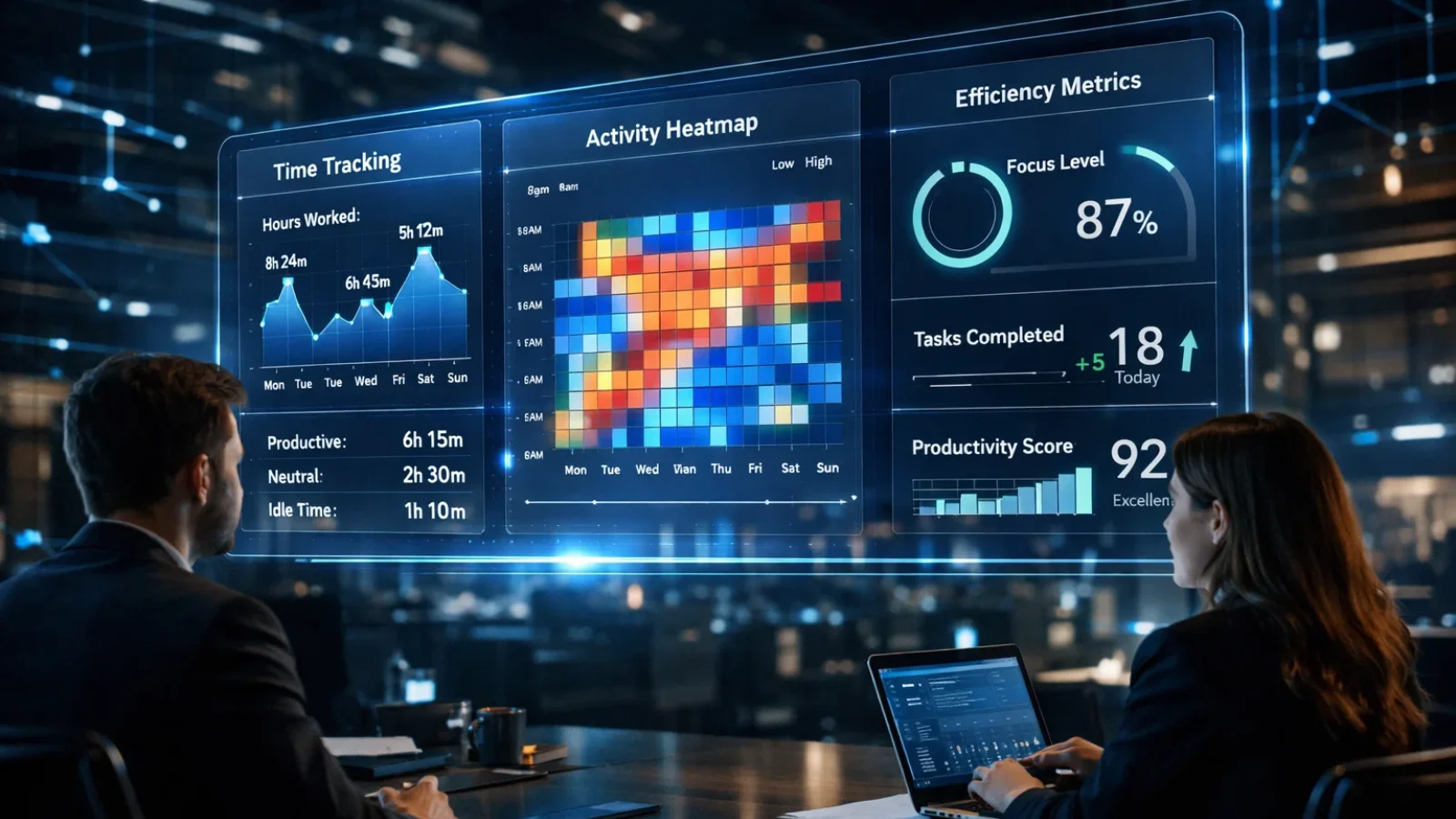
The leadership team introduced EmpMonitor to gain actionable productivity insights to better understand and control operational costs.
The goal was not surveillance, but clarity.
Within weeks, patterns began to emerge that directly explained rising operational costs.
Discovering the Reality of Work Through Activity Monitoring
EmpMonitor’s activity monitoring revealed how employees actually spent their time, uncovering inefficiencies hidden within operational costs.
Three key patterns stood out:
- Low-value activities dominate work hours.
A large portion of time was spent on non-essential tools and fragmented workflows, increasing operational costs without contributing to meaningful output. - Excessive context switching
Constant switching between tasks reduced focus and efficiency, indirectly driving up operational costs. - Poor workflow structure
Work was not optimized for deep focus, leading to wasted effort and inflated operational costs.
Once identified, teams restructured workflows, minimized distractions, and protected focus time. Output improved without increasing work hours, helping stabilize cost.
Eliminating Idle Time Through Active Time Tracking

The next breakthrough came from analyzing idle time, which was quietly increasing operational costs.
Key insights included:
- Idle time was caused by process gaps such as delayed approvals and unclear ownership.
- Employees were present but not always productively engaged, inflating operational costs.
- Dependency bottlenecks slowed execution and increased delays across teams.
By fixing these issues, managers improved coordination and redistributed work based on actual capacity. This significantly reduced idle time and helped reduce operational costs more effectively.
Restoring Accuracy with Automated Timesheets
Before EmpMonitor, time tracking relied on manual inputs, which often distorted operational costs.
Automated timesheets introduced:
- Accurate tracking of work hours and task duration
- Transparent reporting of employee activity
- Elimination of inflated or inconsistent time logs
This ensured that operational costs were aligned with real productivity, reducing unnecessary overtime and improving cost control.
Also Read
Identifying Performance Patterns Through Productivity Insights
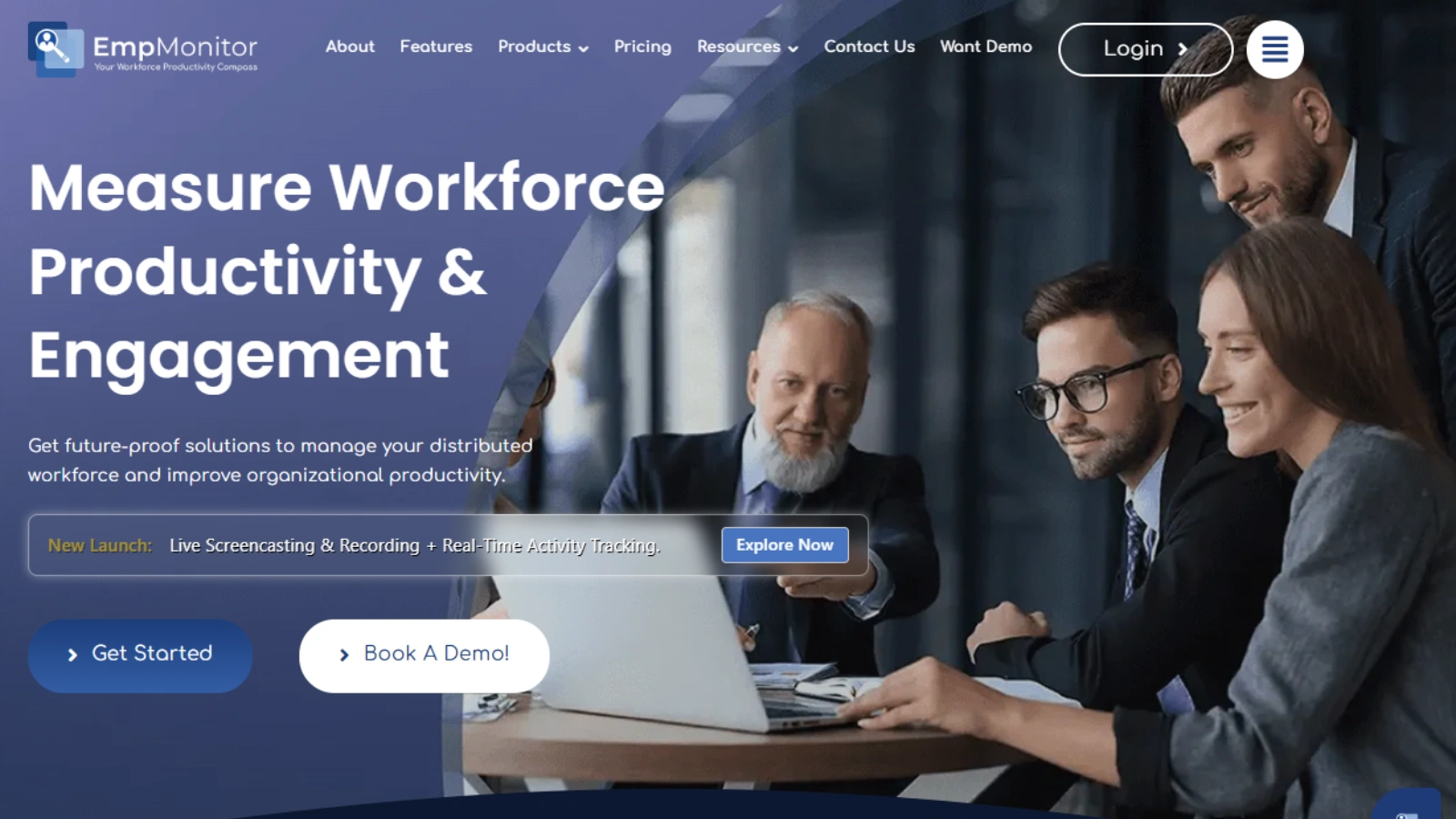
As more data became available, productivity insights began to reveal deeper patterns affecting operational costs.
- Teams had specific peak productivity periods that were previously ignored.
- Some roles were underutilized while others were overloaded.
- Task allocation did not align with employee strengths.
By restructuring work based on these insights, the company improved efficiency while keeping operational costs optimized.
Improving Processes Through Screenshot Insights
Unlike raw activity data, screenshots provided context. Managers could see exactly how tasks were being performed, which tools were being used inefficiently, and where unnecessary steps slowed down progress. This led to the identification of repetitive manual processes that could be automated.
The Results: Sustainable Cost Reduction
Within six months, the company achieved measurable improvements in operational costs and performance.
Overtime expenses dropped significantly, reducing a major component of operational costs. Productivity improved as employees focused on meaningful work. Processes became more streamlined, minimizing inefficiencies that previously increased operational costs.
Most importantly, the company was able to cut operational costs without reducing its workforce.
A Shift in Mindset
The real transformation was in how the company approached operational costs.
Instead of treating operational costs as fixed expenses, they began viewing them as outcomes of productivity and process efficiency. This shift allowed them to manage operational costs proactively rather than reactively.
Conclusion
This case study shows that operational costs are not just about spending, but about how efficiently work is executed.
By leveraging productivity insights through EmpMonitor, the company uncovered hidden inefficiencies, improved performance, and made smarter decisions around operational costs.
The result was sustainable cost-cutting achieved through clarity, optimization, and better work management, not through reductions.
Frequently Asked Questions
- How does EmpMonitor help reduce operational costs without layoffs?
EmpMonitor focuses on improving productivity rather than reducing workforce size. By identifying inefficiencies such as idle time, low-value tasks, and workflow gaps, companies can increase output using existing resources, which naturally lowers the cost per unit of work. - What makes productivity insights more effective than traditional cost-cutting?
Traditional cost-cutting targets visible expenses, but productivity insights reveal hidden inefficiencies within daily operations. Addressing these inefficiencies leads to long-term cost reduction rather than temporary savings. - Is activity monitoring intrusive for employees?
When implemented transparently, activity monitoring provides clarity rather than control. It helps teams understand how work happens and enables better process design, benefiting both employees and management. - Can small teams benefit from EmpMonitor?
Yes. Even smaller teams experience productivity gaps. EmpMonitor helps identify these early, allowing businesses to scale efficiently without unnecessary cost increases. - How quickly can companies see results?
Initial insights can appear within weeks. However, meaningful cost reduction typically occurs over a few months as organizations act on the data and refine the workflow.