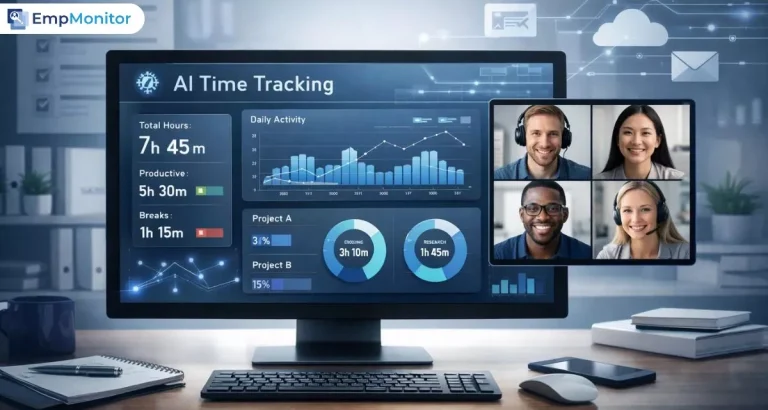
Managing employee productivity has always been a challenge for businesses, especially as teams become more distributed and workflows more complex. Traditional time tracking methods like manual timesheets or basic timers often fail to provide accurate insights and require constant supervision. This is where ai time tracking is making a real difference.
Instead of simply recording hours, modern systems use intelligent algorithms to understand how time is spent, identify productivity patterns, and automate tracking without interrupting workflows. With the rise of remote work and digital collaboration, companies are increasingly turning to ai powered time tracking solutions to gain better visibility and control over their operations.
Listen To The Podcast Now!
What Is AI Time Tracking?
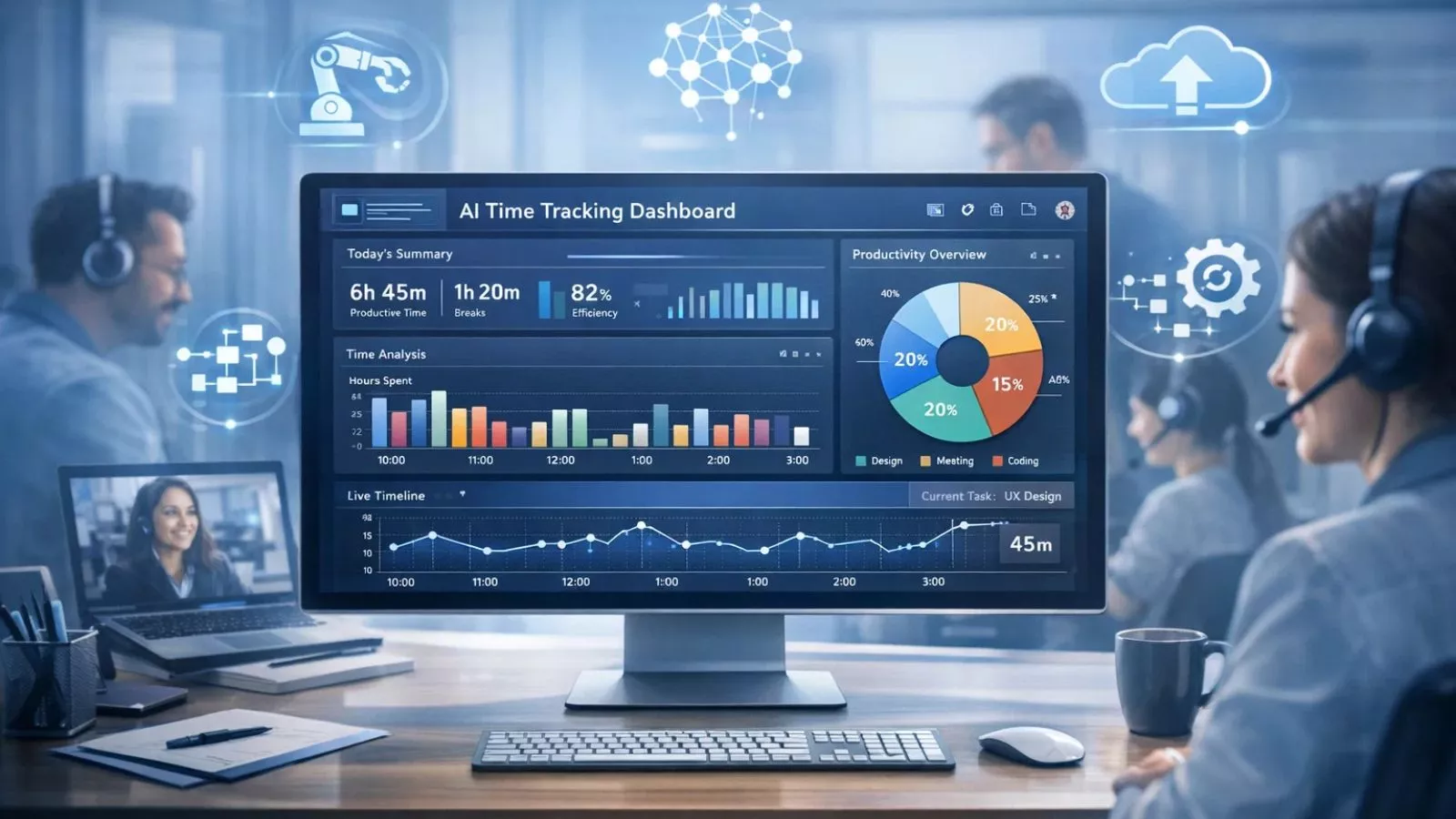 At its core, ai time tracking refers to the use of artificial intelligence to automatically monitor, record, and analyze how employees spend their time on tasks, applications, and projects. Unlike traditional tools that rely on manual input, ai time tracking software works in the background, capturing data in real time with minimal user effort.
These systems go beyond basic tracking by using machine learning to categorize activities, detect patterns, and generate meaningful insights. For example, instead of just logging hours, the software can identify which tasks are productive, which ones cause delays, and how workflows can be improved.
Another key advantage is automation. With real-time employee tracking software, employees no longer need to start or stop timers manually. The system intelligently tracks activity, reducing errors and saving time. This not only improves accuracy but also allows employees to focus more on their actual work.
In addition, many tools offer detailed reports and dashboards that help managers make data-driven decisions. Whether it’s optimizing team performance or balancing workloads, ai time tracking provides the clarity that traditional methods often lack.
Why Traditional Time Tracking Falls Short
Before understanding the full impact of ai time tracking, it’s important to see where traditional methods struggle. For years, businesses relied on manual timesheets, spreadsheets, or basic timer-based tools to track employee hours. While these methods may seem simple, they often create more problems than they solve.
One of the biggest issues is accuracy. Employees frequently forget to log their hours correctly or fill in timesheets at the end of the day or week. This leads to guesswork rather than precise data. As a result, managers end up making decisions based on incomplete or unreliable information.
Another limitation is the lack of real-time visibility. Traditional tools don’t provide insights into what employees are doing during their work hours. This makes it difficult to identify productivity gaps, track project progress, or address inefficiencies quickly. In fast-paced work environments, this delay can significantly impact outcomes.
Manual tracking also increases administrative burden. Teams spend unnecessary time updating logs, correcting errors, and verifying data instead of focusing on meaningful work. Over time, this reduces overall efficiency and employee satisfaction.
This is where ai time tracking changes the game. By automating data collection and providing real-time insights, it eliminates the common pain points associated with older systems. Businesses no longer have to rely on assumptions they can operate with clarity and precision.
Also Read
8 Must-Have Features For An Employee Time Tracking System
Key Features of AI Time Tracking Tools
The growing popularity of ai time tracking comes from its ability to do much more than just record hours. These tools are designed to simplify time management while delivering deeper insights into productivity.
One of the most important features is automatic time tracking. Instead of relying on manual input, ai powered time tracking systems track activities in the background. They can detect which applications, websites, or tasks are being used and categorize them accordingly. This ensures accurate and consistent data without interrupting workflow.
Another powerful feature is intelligent activity classification. Using machine learning, ai time tracking software can distinguish between productive and non-productive activities. Over time, it learns user behavior and improves its accuracy, giving businesses a clearer picture of how time is actually spent.
Real-time monitoring is also a key advantage. With real-time ai tracking software, managers can view live dashboards that show ongoing tasks, project progress, and team performance. This helps in identifying bottlenecks early and making quick adjustments when needed.
Additionally, these tools offer advanced reporting and analytics. Instead of raw data, they provide actionable insights such as productivity trends, time allocation across projects, and performance comparisons. This allows organizations to optimize workflows and improve decision-making.
By combining automation, intelligence, and analytics, ai time tracking tools provide a smarter and more efficient way to manage work hours.
How AI Time Tracking Improves Workforce Productivity
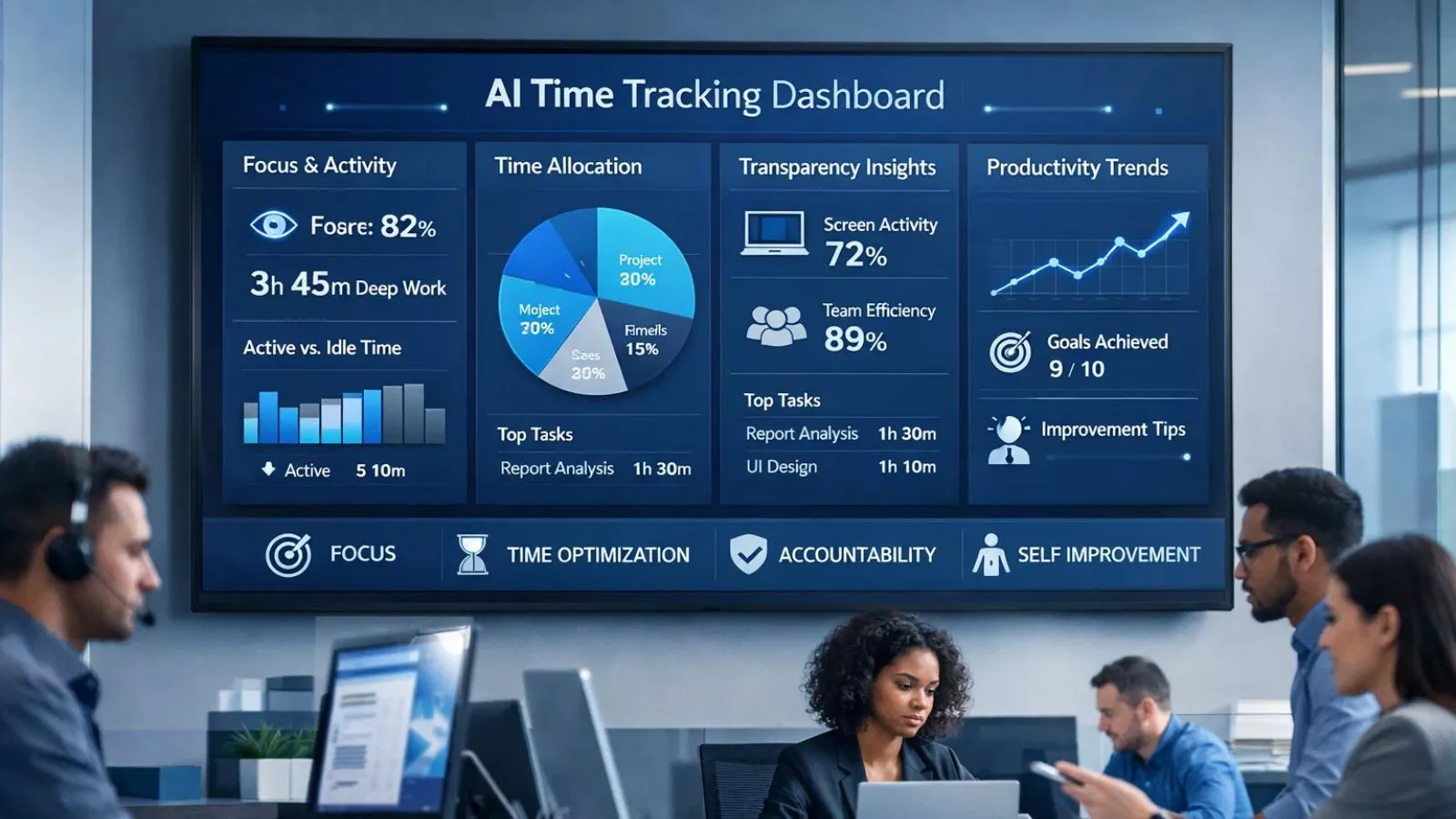 The real value of ai time tracking lies in its direct impact on productivity. Instead of just measuring time, it helps organizations understand how work happens and where improvements can be made.
One of the biggest advantages is better focus. Since ai powered time tracking runs automatically in the background, employees don’t have to worry about starting or stopping timers. This reduces interruptions and allows them to stay fully engaged in their tasks. Over time, this leads to deeper focus and higher-quality output.
Another major benefit is improved time allocation. With insights from ai time tracking software, managers can see which tasks consume the most time and whether that time is being used effectively. This makes it easier to redistribute workloads, prioritize important tasks, and eliminate unnecessary activities that slow teams down.
Transparency also plays a key role. With real-time ai tracking software, both employees and managers have access to the same data. This creates accountability without the need for constant supervision. Employees become more aware of how they spend their time, which often leads to self-improvement and better work habits.
Additionally, these tools help identify productivity patterns. For example, teams can discover peak performance hours, frequent distractions, or recurring bottlenecks. With this knowledge, businesses can optimize schedules and workflows to maximize efficiency.
By turning raw time data into meaningful insights, ai time tracking empowers teams to work smarter and achieve more without increasing workload.
Benefits of AI Time Tracking for Businesses
Adopting ai time tracking offers a wide range of benefits that go beyond simple time management. It helps businesses operate more efficiently while creating a better work environment for employees.
One of the most noticeable benefits is increased accuracy. Since tracking is automated, there’s little room for human error. This ensures that work hours, project timelines, and productivity reports are reliable and consistent.
Cost optimization is another major advantage. With detailed insights from ai time tracking, businesses can identify time wastage, reduce idle hours, and ensure resources are being used effectively. This ultimately leads to better project budgeting and higher profitability.
Better decision-making is also a key outcome. Thanks to advanced analytics provided by ai time tracking software, managers can make informed choices based on real data rather than assumptions. Whether it’s planning deadlines or allocating resources, decisions become more strategic.
Employee satisfaction improves as well. Unlike traditional monitoring methods, ai powered time tracking is less intrusive and more supportive. It focuses on productivity insights rather than micromanagement, helping employees feel trusted while still being accountable.
Finally, scalability makes these tools ideal for growing businesses. As teams expand, real-time ai tracking software ensures that productivity remains consistent across departments without adding extra administrative work.
Using AI Time Tracking with EmpMonitor
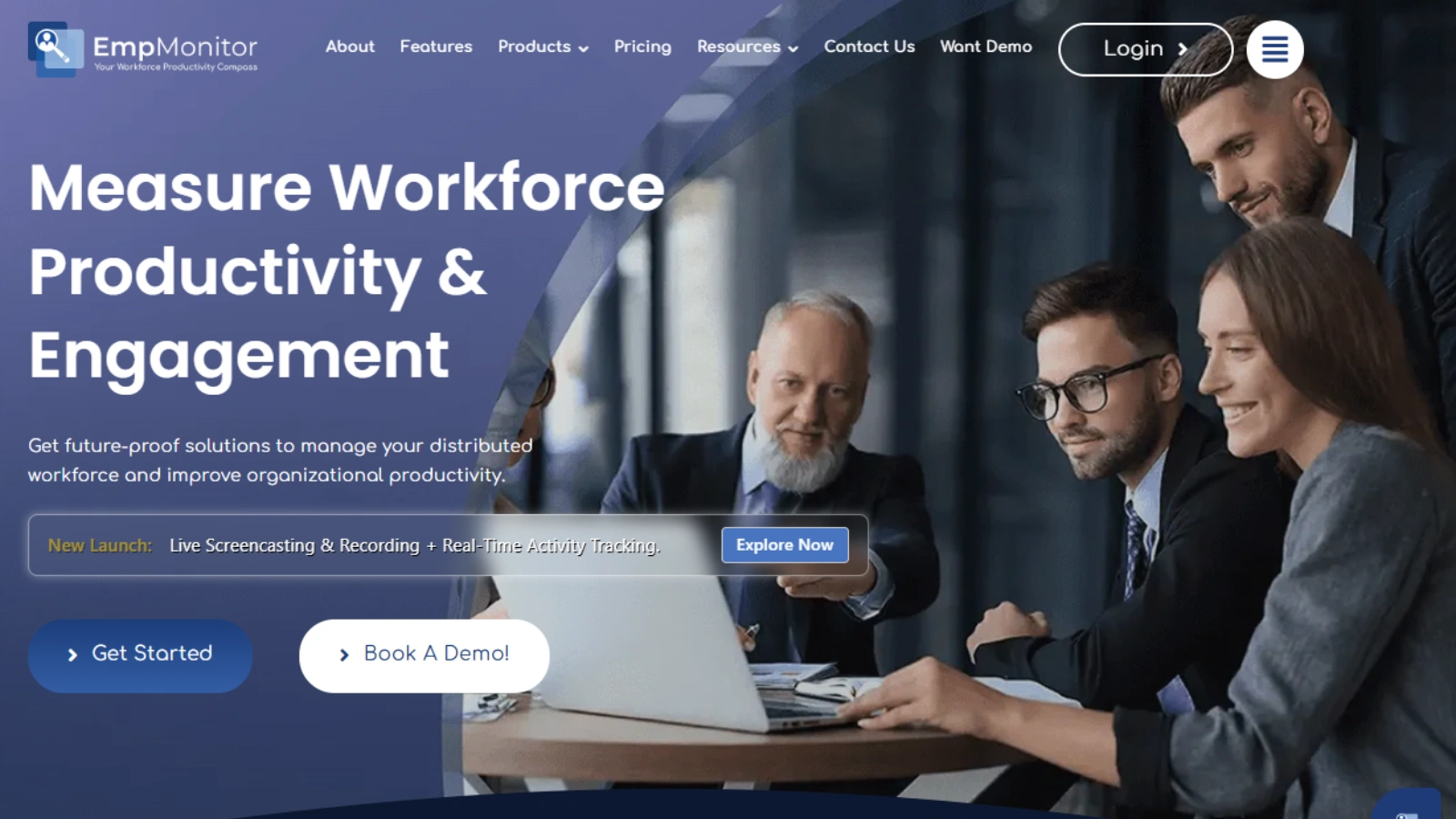 Managing time and productivity has never been easier with EmpMonitor, a comprehensive ai time tracking software designed for modern businesses. It simplifies the way teams track work hours, providing accurate insights without manual effort. With real-time monitoring and intelligent analytics, managers can make data-driven decisions while employees stay focused on their tasks.
Key Features of EmpMonitor:
- Automatic AI Tracking: Captures time spent on applications, websites, and tasks in the background without interrupting workflow.
- Real-Time Dashboards: Gives managers instant visibility into team performance, project progress, and productivity trends.
- Intelligent Activity Classification: Distinguishes productive from non-productive work, learning patterns over time for better accuracy.
- Advanced Reporting: Generates detailed reports to identify bottlenecks, optimize workflows, and improve team efficiency.
Benefits of Using EmpMonitor:
- Enhanced Productivity: Employees stay focused while AI tracks time automatically.
- Data-Driven Decisions: Managers can allocate resources and adjust workflows using reliable insights.
- Transparency and Accountability: Encourages self-management without intrusive supervision.
- Scalable Solution: Works for small teams or large enterprises, growing with your business.
With EmpMonitor, businesses get more than just a time tracker they gain a smart system that turns raw time data into actionable insights, helping teams work smarter and achieve more.
AI Time Tracking for Remote and Hybrid Teams
With remote and hybrid work becoming the norm, maintaining productivity has become more complex. Traditional monitoring methods fail to provide visibility, especially when employees are distributed across different locations.
AI time tracking addresses this by offering real-time insights regardless of location. Managers can monitor ongoing tasks, deadlines, and team efficiency without micromanaging. Tools like EmpMonitor ensure remote teams remain accountable while employees retain flexibility, creating a balanced and productive work environment.
By integrating AI tracking into remote workflows, businesses can identify potential issues early, reduce delays, and maintain consistent output across teams.
Integration with Project Management Tools
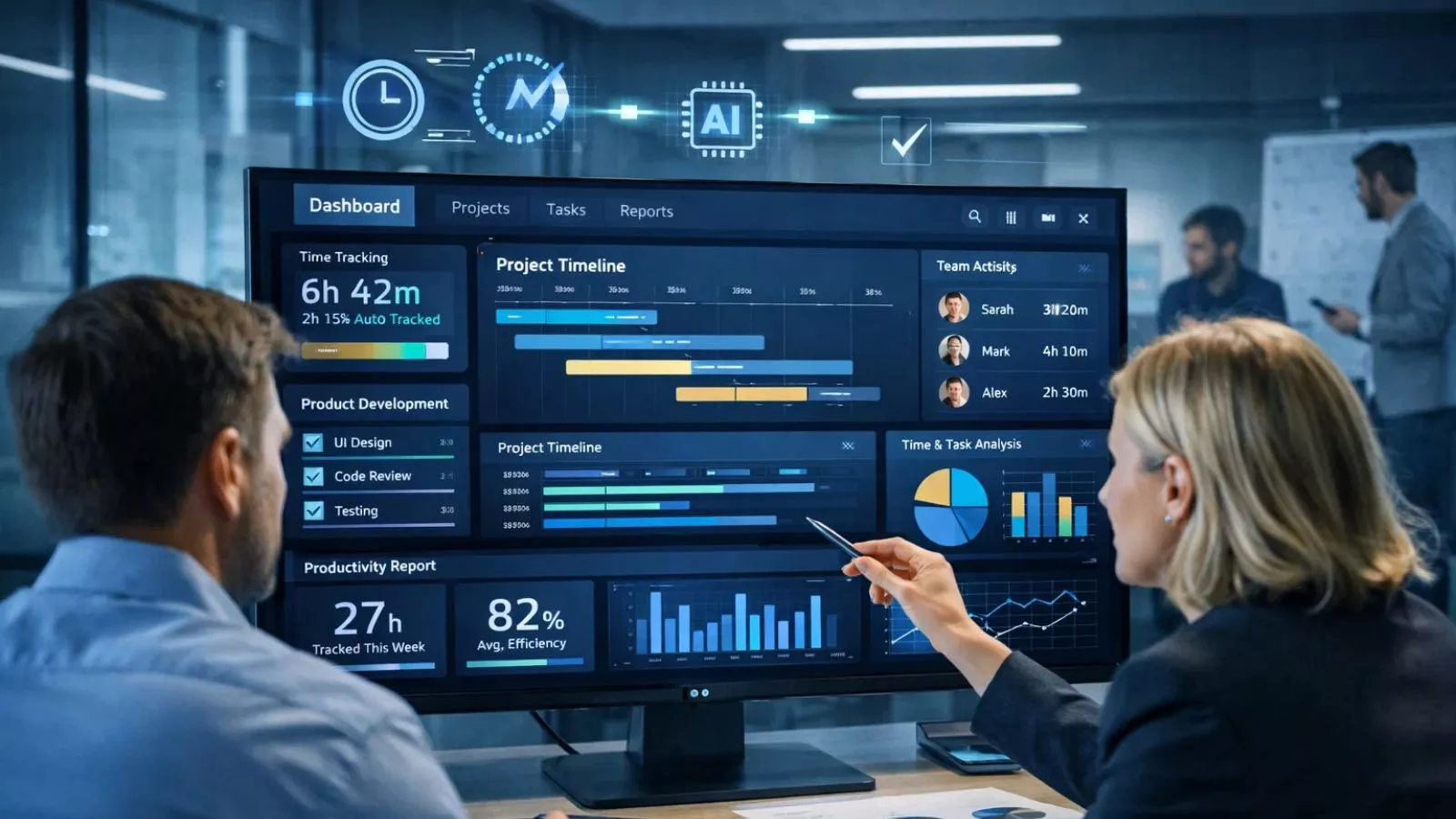 One of the biggest advantages of modern ai time tracking software is its ability to integrate seamlessly with project management tools. By connecting AI tracking with platforms like Trello, Asana, or Jira, businesses can gain a holistic view of team performance and project progress.
These integrations allow for automatic task tracking, instant updates on project timelines, and easier reporting. Managers can see how time is allocated across projects, identify bottlenecks, and adjust priorities efficiently. For teams, this reduces the need for manual time entry and ensures that all efforts are accounted for in real time.
Common Challenges and How AI Time Tracking Solves Them
While time tracking is essential, many organizations face common challenges:
- Manual errors: Employees may forget to log hours accurately.
- Lack of insights: Basic tracking doesn’t reveal productivity patterns.
- Employee frustration: Micromanagement leads to low morale.
AI powered time tracking solves these issues by automating the process, providing actionable insights, and creating transparent reporting. Systems like EmpMonitor reduce errors, offer meaningful analytics, and improve trust between managers and employees.
Future Trends in AI Time Tracking
AI time tracking is constantly evolving. Emerging trends include:
- Predictive analytics: AI can forecast project completion times based on historical data.
- Behavioral insights: Tools can suggest workflow improvements based on employee activity patterns.
- Integration with AI assistants: Smart AI assistants can recommend task prioritization or highlight inefficiencies automatically.
These trends indicate that ai time tracking software will move beyond monitoring to actively optimizing productivity, making it an indispensable tool for modern organizations.
How AI Time Tracking Supports Employee Development
Beyond monitoring hours, ai time tracking can play a key role in employee growth. By analyzing work patterns, task completion times, and productivity trends, managers gain insights into each team member’s strengths and areas for improvement.
This data can guide personalized coaching, skill development, and workload adjustments. Employees receive actionable feedback instead of vague evaluations, which encourages professional growth. Additionally, transparent AI tracking fosters self-awareness, allowing employees to understand how they use their time and make improvements independently.
By linking AI insights to development plans, organizations not only boost productivity but also empower employees to reach their full potential.
Cost Savings and ROI with AI Time Tracking
Investing in ai time tracking software like EmpMonitor can generate significant cost savings over time. By accurately monitoring time spent on tasks and projects, businesses can reduce wasted hours, prevent project overruns, and optimize resource allocation.
Accurate tracking also minimizes payroll errors, reduces administrative burden, and provides data-driven justification for project budgets. Over time, the return on investment becomes clear: teams work more efficiently, managers make informed decisions, and overall operational costs decrease.
Moreover, by identifying high-performing workflows and underutilized resources, AI tracking helps organizations scale effectively without unnecessary expenditure. It’s not just a tool for tracking it’s a strategic investment in smarter operations.
Embracing AI for Smarter Workflows
The era of manual timesheets and guesswork is over. AI time tracking is transforming the way businesses understand and manage productivity, offering accurate insights, real-time monitoring, and actionable analytics. Tools like EmpMonitor make it easy to implement AI tracking, helping teams work smarter, reduce wasted time, and optimize workflows without adding extra stress.
By adopting ai powered time tracking, organizations can foster transparency, accountability, and efficiency. Employees gain clarity about their tasks, managers gain reliable data for decision-making, and businesses can scale operations confidently. In today’s fast-paced work environment, embracing AI for time tracking isn’t just a convenience it’s a strategic move that drives productivity, employee satisfaction, and business growth.
FAQ’s
- How does AI time tracking software work?
AI powered time tracking software runs in the background, recording time spent on tasks, applications, and websites. It uses machine learning to categorize activities, generate reports, and highlight patterns that help managers optimize workflows. - Can AI time tracking help remote teams?
Yes. Tools like EmpMonitor offer real-time AI tracking software that gives managers visibility across locations. Remote and hybrid teams can be monitored without micromanagement, ensuring accountability and productivity. - Is AI time tracking intrusive for employees?
Modern AI tracking focuses on productivity insights rather than surveillance. Employees remain in control while managers gain actionable data, creating transparency and trust rather than intrusive monitoring. - How can AI tracking improve team productivity?
By automatically capturing work patterns, distinguishing productive vs. non-productive tasks, and offering detailed analytics, ai time tracking software helps teams stay focused, allocate resources efficiently, and make informed decisions.