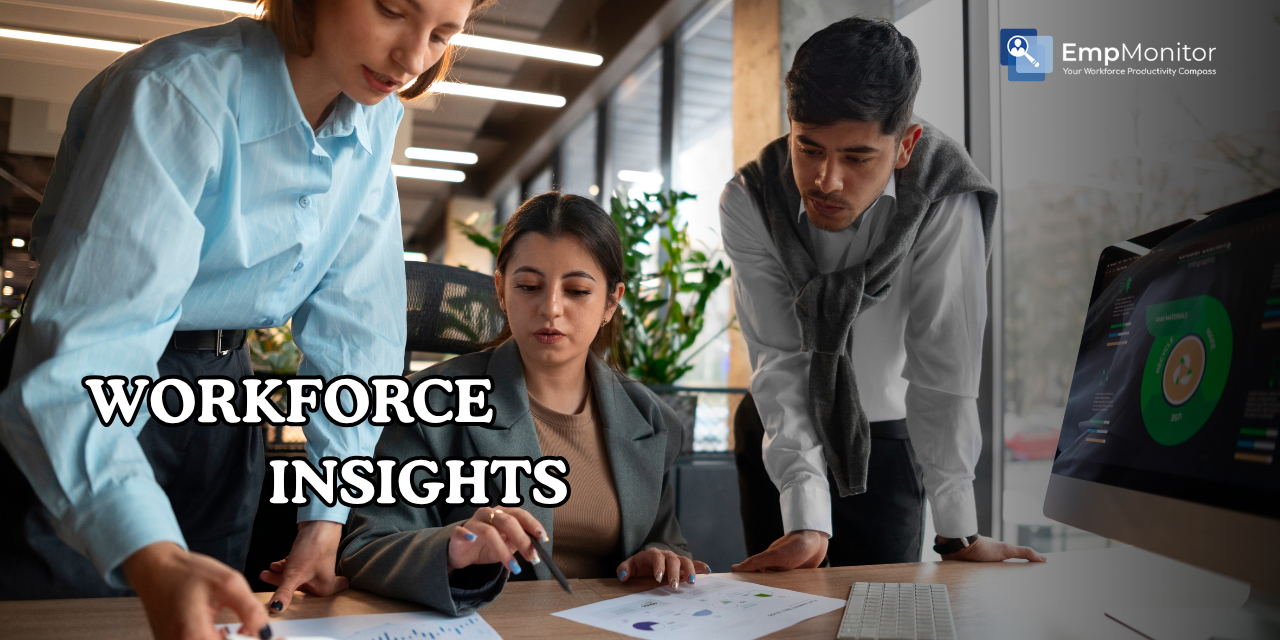
Every successful business has one thing in common: a deep understanding of its people. Growth is not just the result of strategy and capital; it comes from knowing how your workforce performs, what drives their productivity, and where improvement is needed. This is where workforce insights become a game-changer.
Rather than relying on gut feelings or assumptions, it gives leaders clear visibility into employee behavior, performance patterns, and engagement levels. It’s like having a strategic dashboard that shows exactly what is working, what’s slowing you down, and where hidden opportunities lie. Businesses that master workforce insights don’t just grow; they grow with purpose, speed, and sustainability.
Here, we go through how to use workforce insights to drive real business impact, improve performance, and build teams that consistently achieve results.
Hit ‘Play’ Button & Tune Into The Blog!
What Are Workforce Insights And Why Do They Matter?
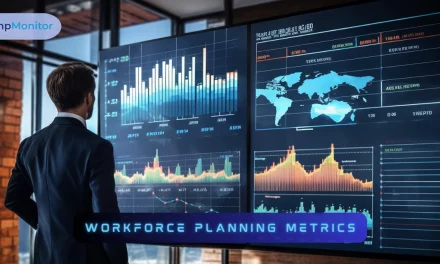
These are data-driven understandings gained from analyzing how employees work, engage, and contribute to organizational goals. These insights help leaders see real patterns in performance, productivity, attendance, and workflow behavior. Instead of making decisions based on assumptions, it offers a clear direction based on facts. They highlight what drives employee success, where obstacles exist, and how resources should be allocated for maximum output. When businesses rely on workforce insights, they gain the ability to improve efficiency, increase engagement, and build stronger teams that contribute directly to growth and profitability.
Connection Between Workforce Insights and Workforce Analytics

Workforce analytics is the process of collecting, analyzing the workforce, and interpreting employee data. These are the practical conclusions drawn from these analytics. Simply put, analytics is the toolset, while insights are the valuable outcomes that inform strategic business choices. Together, they help organizations respond proactively to workforce trends and challenges.
Key Benefits of Workforce Insights for Business Growth
- Enhance productivity
It reveals where time is being wasted and which processes slow your team down. By identifying these patterns, leaders can eliminate bottlenecks and build smooth workflows. This leads to faster output and consistent performance improvement. - Boost employee engagement
Instead of guessing what motivates employees, workforce insights show exactly what they need to stay engaged. With this clarity, companies can create personalized strategies that improve morale and drive meaningful participation. Engaged employees naturally contribute more to business growth. - Reduce turnover
Employee behavior and performance data can signal early signs of disengagement or burnout. By acting on these insights, businesses can resolve issues before they escalate into resignations. This prevents unnecessary hiring costs and keeps valuable talent in-house. - Improve talent management
Leaders can clearly see who is performing at peak levels and who needs support or training. It helps allocate resources wisely and create development plans tailored to each person. This ensures the right talent is nurtured and retained. - Strengthen security
With a detailed view of employee activity, businesses can detect risks in real time. Workforce insights help spot suspicious behavior, unauthorized access, or data misuse before it becomes a threat. This ensures company assets stay protected at all times.
Essential Workforce Management Tools To Extract Valuable Insights
To extract meaningful workforce insights, businesses need powerful workforce management tools that do more than just record basic employee data. These tools provide real-time visibility into attendance, productivity trends, activity levels, and project performance. With features like automated reporting, live monitoring, and time tracking, they help leaders understand exactly how work is being done and where improvements are needed.
The right workforce management tools act as a central hub of workforce intelligence allowing decision-makers to identify inefficiencies, enhance team performance, and make data-backed decisions that lead directly to business growth.
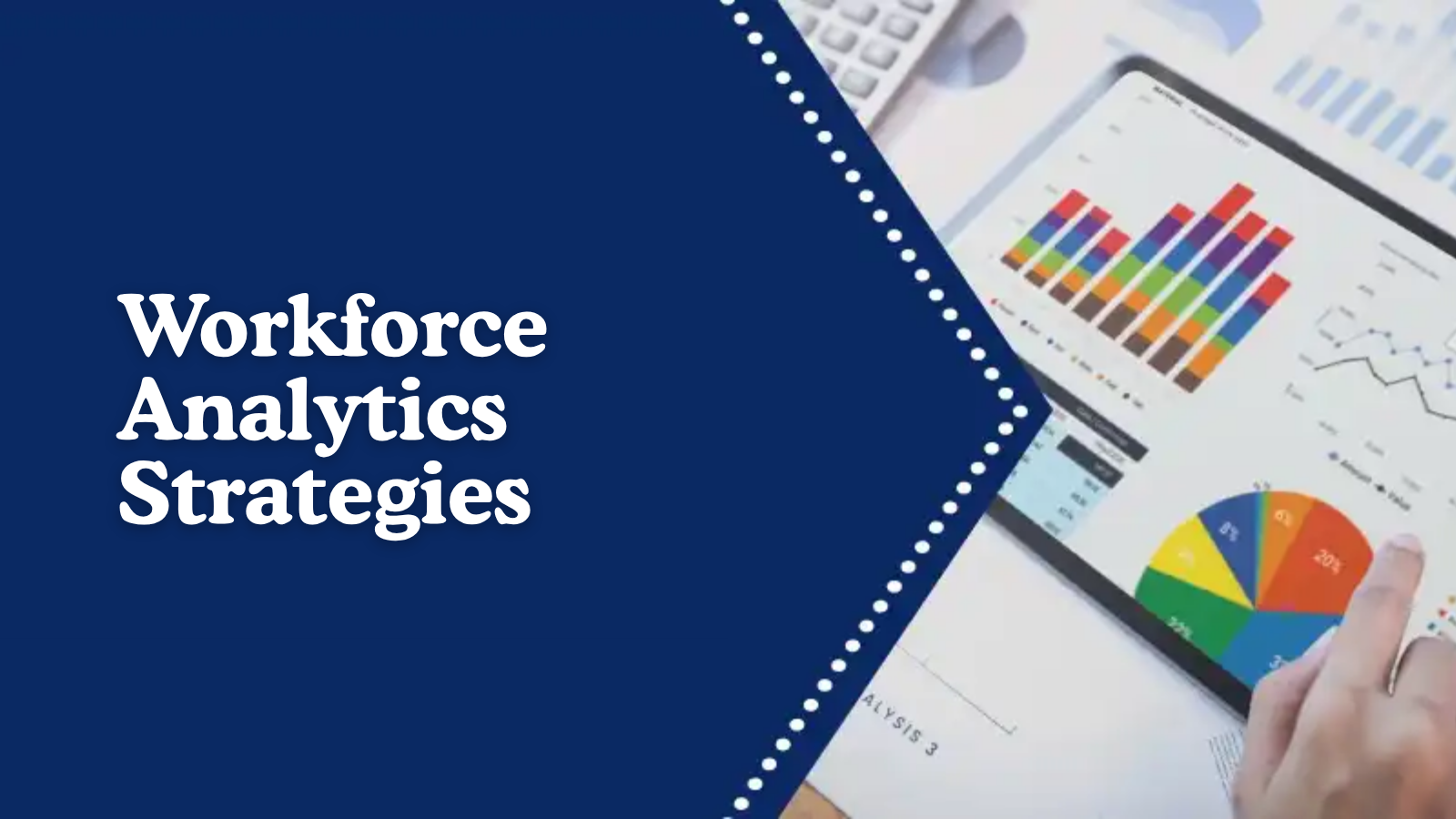
Top Workforce Analytics Strategies To Transform Your Business
- Centralize employee data
When all employee information sits in one place, it becomes easier to understand performance trends across your organization. This unified view helps leaders spot strengths and weaknesses instantly. It eliminates guesswork and drives smarter decisions. - Use real-time monitoring
Real-time data allows you to catch productivity dips or workflow delays as they happen. Instead of reacting late, managers can solve issues before they turn into serious setbacks. This proactive approach keeps operations smooth and efficient. - Segment workforce data
Not every department or role functions the same, which is why segmenting analytics is crucial. When insights are filtered by teams, locations, or job roles, leaders can address specific needs more effectively. It leads to better management and tailored strategies. - Leverage predictive analytics
Predictive analytics helps you see what’s coming next, whether it’s potential skill shortages or performance drops. With this foresight, you can plan training, hiring, or resource allocation before the need becomes urgent. It keeps your business ahead of challenges, not behind them. - Align insights with leadership goals
Regularly reviewing workforce analytics with decision-makers ensures HR strategies support business objectives. It connects people’s performance with company goals. This alignment drives focused growth instead of scattered effort.
How To Use Workforce Insights To Build a High-Performing Team
It gives you a clear picture of individual and team performance, helping you understand who consistently delivers results and where support is needed. With this data, you can tailor training programs, assign roles based on strengths, and reward employees who contribute the most value. Instead of using a one-size-fits-all approach, it enables personalized management that elevates overall performance and morale.
Here’s how workforce insights help build a high-performing team:
- Identify Top Performers: Recognize employees who consistently contribute to business goals and create paths for leadership development.
- Spot Skill Gaps Early: Use insights to find areas where employees need training or coaching before performance drops.
- Improve Collaboration: Understand how teams interact and identify opportunities to enhance teamwork and communication.
- Increase Accountability: Set clear goals using real data, which creates a culture where employees know what is expected and feel responsible for outcomes.
- Boost Motivation and Morale: Recognizing good performance based on measurable insights encourages employees to stay engaged and perform better.
- Align Talent With Business Goals: Assign the right people to the right tasks using data-driven decisions, ensuring each role contributes to overall company growth.
In short, workforce insights enable leaders to build teams that are not just productive but strategically aligned, motivated, and equipped for long-term success.
How Empmonitor Helps In Monitoring And Delivering Powerful Workforce Insights
EmpMonitor offers a comprehensive suite of workforce management tools designed to extract meaningful insights and improve team productivity:
- Employee Monitoring Software: Track distributed teams with detailed analysis of daily and hourly activities. EmpMonitor provides context-rich reports that allow managers to enhance team productivity efficiently.
- Time-Tracking: Gain insights into employee working styles with automated reports. Detailed time tracking helps identify productive versus idle hours, ensuring accurate performance assessments.
- User Activity Monitoring: Monitor employee desktop activity live, with detailed reports enabling timely interventions to keep teams on track.
- Insider Threat Prevention: Detect risky employee behavior quickly to prevent security breaches, reducing potential threats from negligent or malicious actions.
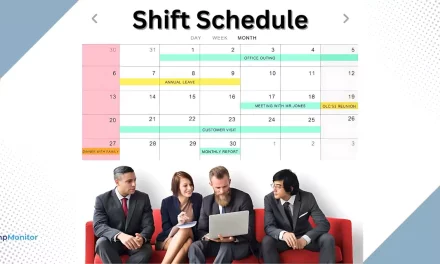
- Attendance Monitoring: Efficiently track attendance and leaves through a user-friendly dashboard, facilitating smooth HR processes and compliance.
- Workforce Productivity & Engagement: Analyze workflow patterns and project progression to maximize employee engagement and productivity through intuitive reporting.
- Live Screencasting and Screen Recording: Access real-time screens or recorded sessions to assist, audit, and maintain quality without disrupting work.
- Project Management: Assign tasks, monitor progress, and allocate resources smartly to ensure projects meet deadlines and resource targets.
EmpMonitor combines usability with smart insights, helping businesses visualize workforce data and translate it into growth-driving actions. Features like real-time monitoring, detailed reports, and cloud storage empower organizations to maximize their workforce potential securely and efficiently.
Real-World Use Cases: How Businesses Are Growing with Workforce Insights
Real success stories prove how workforce insights directly impact performance and profitability:
- Tech Firm Reduces Downtime by 30%
After implementing time-tracking reports, a leading tech company discovered exactly where delays occurred in employee workflows. By fixing those inefficiencies, they boosted productivity and reduced idle time by almost a third—leading to faster project delivery and happier clients. - Retail Chain Boosts Engagement and Performance
Using workforce insights from activity monitoring, a major retail brand personalized training sessions based on real employee behavior. The result? Stronger engagement scores, reduced training costs, and a noticeable rise in sales performance across multiple locations. - Financial Services Firm Prevents Insider Threats
Employee monitoring software helped a finance company detect unusual access attempts and risky user behavior in real time. By addressing these threats early, they protected sensitive client data and avoided costly security breaches. - Manufacturing Company Streamlines Operations
Through workforce analytics and project management tools, a manufacturing unit optimized employee allocation based on productivity data. This led to faster task completion, reduced overtime costs, and smoother operations on the production floor.
These real-world results highlight how workforce insights, combined with accurate workforce analytics and workforce management insights, can drive measurable business growth across any industry.
Next Up For You
How Can Workforce Analysis Improve Business Growth?
What Is Workforce Intelligence And Why Is It Important?
Actionable Steps to Implement Workforce Insights in Your Organization

- Invest in reliable workforce management tools like EmpMonitor
The first step is having the right technology that captures real-time employee behavior, performance metrics, and engagement data. EmpMonitor provides detailed workforce insights that help you make informed decisions instantly. Without a strong tool, insights remain incomplete or inaccurate. - Centralize your employee data
When all workforce data from attendance to productivity metrics is stored in one place, it creates a clear picture of overall performance. This centralized view eliminates confusion caused by scattered reports. It allows leaders to act quickly and accurately. - Train managers to read analytics effectively
Data has no value unless it is interpreted correctly. Training managers to understand workforce analytics helps them create targeted plans that drive results. This builds a culture of decision-making based on facts, not assumptions. - Set clear KPIs for success
Establish measurable goals such as productivity improvement, reduced idle time, or better employee engagement scores. These KPIs provide direction and help track real progress. When teams know what they are aiming for, performance improves naturally. - Establish regular review cycles
Continuous monitoring ensures that your workforce insights stay relevant and actionable. Regular reviews help you see what’s working and what needs improvement. This keeps your strategy aligned with long-term business goals.
Conclusion
Workforce insights offer an invaluable edge in today’s business landscape. By understanding and optimizing your workforce with the right analytics and tools, you position your organization for sustained growth and success. Empower your team, safeguard your assets, and stay ahead of challenges with a data-driven approach to workforce management.
FAQs
- What is the difference between workforce insights and workforce analytics?
Workforce analytics is the process of gathering and analyzing employee data to identify trends and patterns. Workforce insights are the actionable decisions and strategies based on that analysis. These insights help leaders solve real problems, improve workforce performance, and drive growth with informed planning. - How can workforce management tools help improve productivity?
These tools track employee activity, attendance, and project timelines in real time. By revealing workflow inefficiencies, managers can eliminate unproductive habits and focus on high-value tasks. Over time, this leads to better time utilization and significantly higher output across teams. - Is employee monitoring legal and ethical?
Yes, as long as it is conducted responsibly and aligns with privacy and compliance regulations. Transparent communication ensures that employees understand the purpose is productivity and security, not surveillance. Ethical monitoring builds mutual accountability and trust within the organization. - Can small businesses benefit from workforce insights?
Absolutely. Workforce insights, along with WFM insights, help small businesses detect inefficiencies early and make smarter decisions without needing to expand their workforce. Even a modest improvement in productivity or engagement can lead to major cost savings and growth opportunities. - How does EmpMonitor enhance workforce security?
EmpMonitor continuously analyzes user activity to detect unusual behavior or unauthorized access in real time. This proactive monitoring helps prevent internal risks from becoming security breaches. By safeguarding sensitive information, it protects both company reputation and client trust.