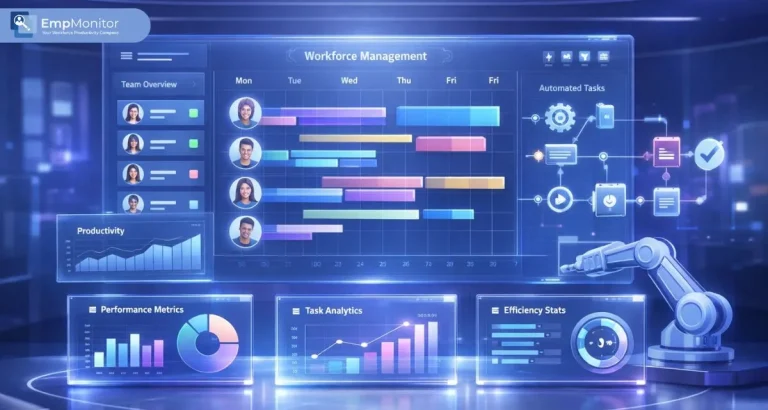
Effective staffing and scheduling are essential for keeping operations smooth and costs under control. When businesses fail to assign the right people at the right time, productivity drops, overtime increases, and employee burnout becomes common.
Strong staffing and scheduling ensure balanced workloads, better time management, and improved accountability. Instead of relying on guesswork or manual spreadsheets, modern businesses use structured planning and digital tools to optimize workforce performance.
In this guide, you’ll learn how staffing and scheduling improve productivity, reduce costs, and how smart tools like EmpMonitor can streamline the entire process.
Listen to this Podcast
What Is Staffing and Scheduling?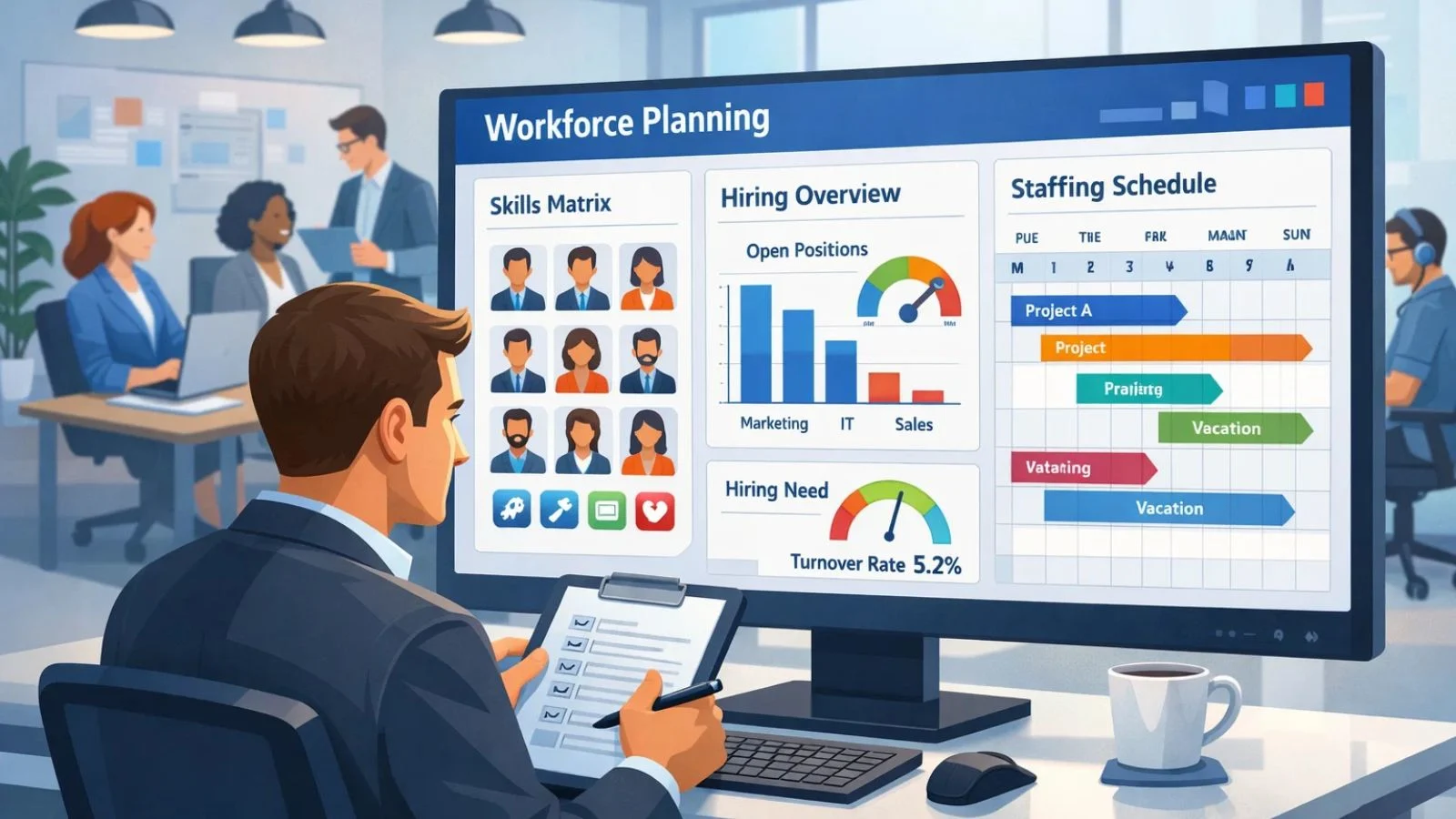
Before improving operations, it’s important to understand what is staffing and scheduling and why both are critical to workforce management.
Staffing refers to identifying workforce needs and ensuring the right number of employees with the right skills are available to meet business demands. It involves hiring, assigning roles, and aligning employee capabilities with organizational goals.
Scheduling, on the other hand, focuses on assigning specific shifts, work hours, and tasks to employees. It ensures that daily operations run smoothly without overlaps, gaps, or confusion.
While they are closely related, staffing and scheduling serve different purposes:
- Staffing answers: Do we have enough qualified people?
- Scheduling answers: When and where should they work?
When combined effectively, staffing and scheduling create a structured system where workloads are balanced, productivity is maximized, and labor costs are controlled. Without proper coordination, businesses may face issues like understaffing, overstaffing, missed deadlines, and rising overtime expenses.
Why Staffing and Scheduling Directly Impact Productivity
Effective staffing and scheduling directly influence how efficiently a business operates. When workforce planning is structured and data-driven, teams perform better, deadlines are met, and output quality improves.
Eliminating Understaffing
Understaffing forces employees to handle excessive workloads, leading to stress, burnout, and mistakes. Projects take longer, customer service suffers, and morale declines. Proper staffing and scheduling ensure that enough employees are available during peak demand, preventing productivity slowdowns.
Preventing Overstaffing
Overstaffing may seem harmless, but it reduces efficiency and increases unnecessary labor costs. Idle employees mean wasted payroll expenses. Smart workforce planning ensures that staffing levels match actual business needs.
Assigning the Right Skills at the Right Time
Productivity improves when employees are assigned tasks that match their expertise. Effective staffing and scheduling align skills with responsibilities, ensuring higher-quality work and faster completion times.
Improving Accountability
Clear shift assignments reduce confusion about roles and responsibilities. Employees know what is expected of them and when they are expected to perform. This structure enhances focus and ownership.
Supporting Better Time Management
When shifts and workloads are planned strategically, employees can manage their time more effectively. This reduces distractions, minimizes overtime, and keeps projects on track. At the individual level, pairing structured scheduling with a pomodoro task manager helps employees break their assigned work into focused intervals, making it easier to stay on task and avoid burnout throughout the shift.
The Cost-Saving Power of Smart Staffing and Scheduling
Beyond improving productivity, staffing and scheduling play a major role in reducing operational costs. Poor workforce planning often leads to hidden expenses that quietly drain company profits. With the right strategy, businesses can significantly cut unnecessary spending.
Reducing Overtime Costs
Unplanned overtime is one of the biggest financial burdens for organizations. When shifts are poorly managed, employees work extra hours to compensate for gaps. Smart staffing and scheduling ensure adequate coverage, reducing the need for costly overtime.
Minimizing Absenteeism Impact
When employee absences aren’t anticipated, productivity drops and emergency replacements increase expenses. Structured planning helps managers prepare backup options and adjust schedules quickly without disrupting operations.
Lowering Employee Turnover
Burnout caused by uneven workloads leads to resignations and frequent rehiring. Recruitment, onboarding, and training costs add up quickly. Balanced staffing and scheduling improve employee satisfaction, which reduces turnover and associated expenses.
Improving Budget Forecasting
Data-driven workforce planning allows businesses to predict labor needs based on demand trends. This makes budgeting more accurate and prevents overspending on labor.
Preventing Compliance Penalties
Incorrect time tracking or scheduling violations can result in legal penalties. Proper time and attendance staffing and scheduling practices ensure compliance with labor laws and reduce financial risk.
Ultimately, smart staffing and scheduling are not just operational tools—they are financial strategies that protect profitability while maintaining efficiency.
Common Staffing and Scheduling Challenges Businesses Face
Even though staffing and scheduling are essential for business success, many organizations struggle to manage them effectively. Without the right systems in place, workforce planning becomes reactive instead of strategic.
Manual Processes and Spreadsheets
Relying on spreadsheets or paper-based systems increases the risk of human error. Small mistakes in shift allocation or headcount planning can lead to gaps, overlaps, and payroll discrepancies.
Last-Minute Shift Changes
Unexpected absences, urgent deadlines, or demand fluctuations often disrupt carefully planned schedules. Without flexible tools, managers spend hours reorganizing staff scheduling instead of focusing on core tasks.
Poor Visibility into Employee Availability
When managers lack real-time insights into employee availability, attendance, or workload capacity, decision-making becomes guesswork. This affects productivity and increases overtime risks.
Inaccurate Time Tracking
Inconsistent tracking creates payroll errors and compliance issues. Without reliable time and attendance staffing and scheduling systems, businesses may struggle to monitor actual working hours.
Communication Gaps
If schedule updates are not communicated clearly, employees may miss shifts or misunderstand responsibilities. This results in delays, confusion, and reduced efficiency.
Addressing these challenges requires moving beyond manual processes and adopting smarter workforce management solutions.
The Role of Employee Scheduling Software
As businesses grow, manual planning becomes inefficient. This is where employee scheduling software plays a transformative role in improving staffing and scheduling processes.
Modern tools automate shift planning, track availability, and provide real-time updates—eliminating the guesswork from workforce management.
Automation Reduces Errors
Instead of manually assigning shifts, software automatically matches staffing needs with employee availability and skills. This reduces scheduling conflicts and minimizes human errors.
Real-Time Visibility
Managers can instantly view who is working, who is absent, and where coverage is needed. This level of transparency improves decision-making and keeps staffing and scheduling aligned with operational demands.
Easy Schedule Adjustments
When unexpected changes occur, schedules can be updated instantly and shared with employees through centralized dashboards or notifications. This prevents communication breakdowns.
Integration with Payroll and Reporting
Advanced tools integrate scheduling with time tracking, attendance records, and payroll systems. This streamlines administrative tasks and ensures accurate compensation.
Data-Driven Workforce Planning
Employee scheduling software provides analytics and reports that help managers identify patterns in attendance, overtime, and productivity. These insights support smarter staffing decisions.
By replacing spreadsheets with automated systems, businesses gain control, accuracy, and flexibility—key factors in building a more productive and cost-efficient workforce.
Time and Attendance in Staffing and Scheduling
Accurate tracking is the backbone of effective staffing and scheduling. Without reliable attendance data, even the most carefully planned schedules can fail.
Time and attendance staffing and scheduling systems ensure that managers know exactly when employees clock in, clock out, and how their hours align with assigned shifts.
Accurate Work Hour Tracking
Precise tracking prevents payroll discrepancies and ensures employees are compensated correctly. It also helps managers compare scheduled hours with actual worked hours.
Reducing Time Theft and Buddy Punching
Manual tracking methods make businesses vulnerable to time theft. Automated attendance systems provide transparency and accountability, reducing unnecessary labor costs.
Real-Time Monitoring
Live attendance dashboards allow managers to quickly identify absenteeism or late arrivals and adjust staff scheduling accordingly.
Compliance and Labor Law Protection
Labor regulations often require accurate documentation of working hours, breaks, and overtime. Strong time and attendance systems protect businesses from penalties and disputes.
Better Performance Insights
Attendance data combined with scheduling records provides insights into productivity patterns. Managers can identify trends, improve shift planning, and optimize workforce allocation.
When time tracking is integrated with staffing and scheduling, businesses gain full visibility into workforce operations—leading to higher efficiency and lower costs.
Best Practices for Effective Staff Scheduling
To maximize the benefits of staffing and scheduling, businesses need more than just tools—they need clear strategies. Implementing proven best practices ensures smoother operations, higher productivity, and better cost control.
Use Demand Forecasting
Analyze historical data, seasonal trends, and workload patterns to predict staffing needs. Forecasting prevents both understaffing and overstaffing, keeping operations balanced.
Match Skills to Roles
Effective staffing and scheduling involve assigning employees based on skill sets, experience, and strengths. This improves work quality and reduces errors.
Implement Fair Shift Rotation
Rotating shifts evenly prevents employee fatigue and dissatisfaction. Fair scheduling boosts morale and reduces turnover.
Cross-Train Employees
Training employees to handle multiple roles increases flexibility. If someone is absent, another team member can step in without disrupting workflow.
Prioritize Clear Communication
Make schedules easily accessible and notify employees of changes in advance. Transparent communication reduces confusion and missed shifts.
Leverage Analytics
Use insights from attendance and performance reports to refine staff scheduling strategies. Data-driven decisions make workforce planning more efficient and cost-effective.
By combining strategic planning with modern tools, businesses can transform staffing and scheduling into a powerful productivity engine.
How EmpMonitor Improves Staffing and Scheduling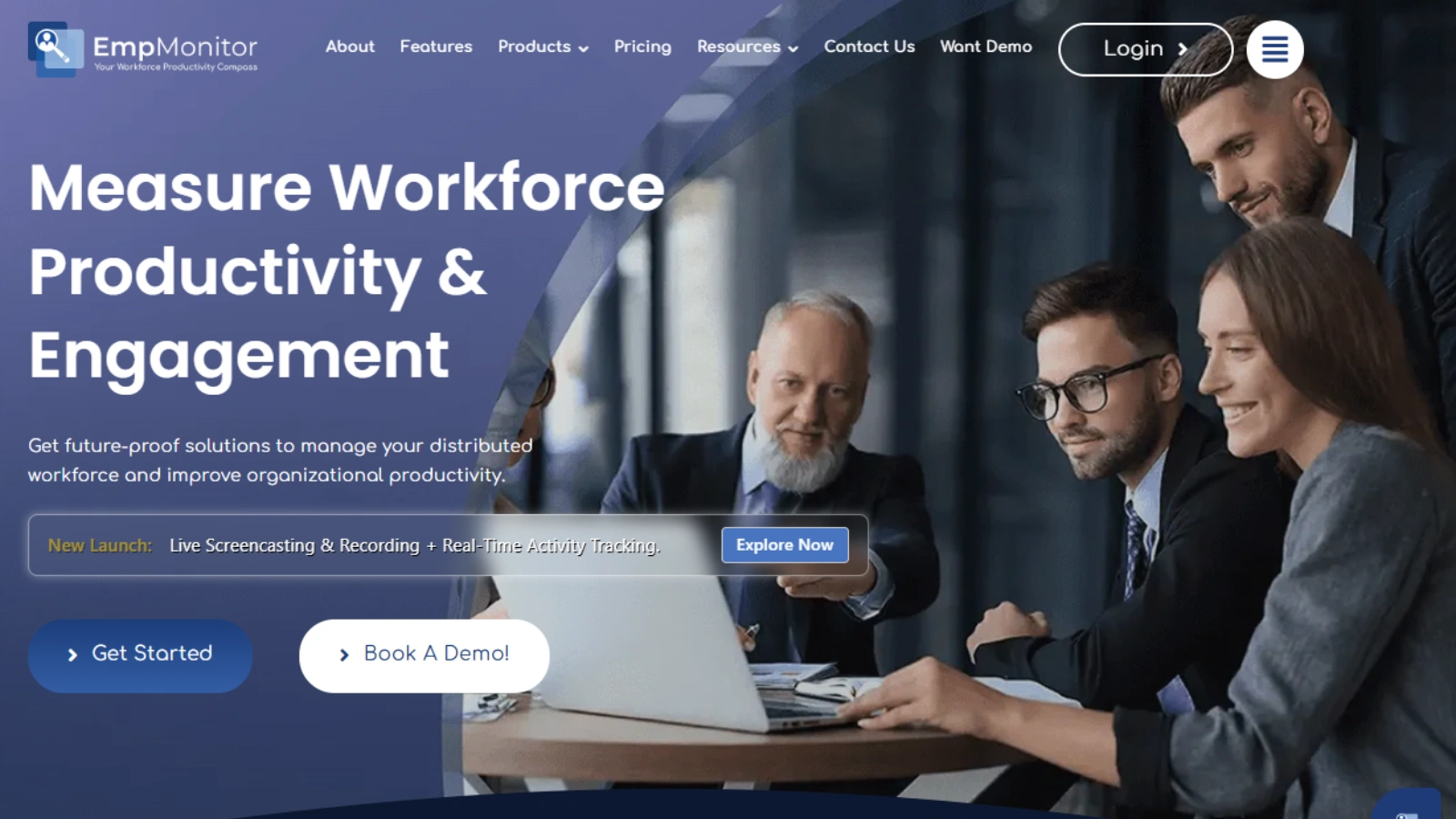
Technology plays a key role in optimizing staffing and scheduling, and EmpMonitor helps businesses manage their workforce with greater accuracy and control.
Real-Time Attendance Tracking
EmpMonitor tracks login times, work hours, breaks, and overtime, strengthening time and attendance staffing and scheduling with accurate data.
Productivity Insights
Managers gain visibility into employee performance, making it easier to adjust staffing levels and improve efficiency.
Automated Reports
Detailed analytics on attendance and workforce utilization support smarter decision-making and cost reduction.
Reduced Overtime and Idle Time
Better workload visibility helps balance shifts, preventing burnout and unnecessary labor expenses.
With real-time monitoring and actionable insights, EmpMonitor makes staffing and scheduling simpler, more transparent, and more cost-effective.
Future Trends in Staffing and Scheduling
The future of staffing and scheduling is becoming more data-driven, automated, and flexible. As workplaces evolve, businesses must adapt to smarter workforce management practices.
AI-Powered Workforce Planning
Artificial intelligence is helping organizations predict staffing needs based on demand patterns, historical data, and productivity trends. This reduces guesswork and improves accuracy.
Predictive Analytics
Advanced analytics allow managers to forecast absenteeism, overtime risks, and workload spikes, enabling proactive scheduling adjustments.
Remote and Hybrid Workforce Management
With remote work becoming common, staffing and scheduling tools now offer real-time tracking and virtual oversight to manage distributed teams effectively.
Integrated Workforce Systems
Modern platforms combine employee scheduling software, attendance tracking, payroll, and performance analytics into one centralized system for greater efficiency.
Businesses that embrace these innovations will gain better control over productivity, labor costs, and long-term workforce planning.
Conclusion
Effective staffing and scheduling are no longer optional—they are essential for improving productivity and controlling operational costs. When businesses ensure the right people are working at the right time, workloads stay balanced, performance improves, and unnecessary expenses decrease.
From reducing overtime and preventing burnout to improving accountability and compliance, strong staffing and scheduling strategies directly impact overall business success. However, manual processes and outdated systems can limit efficiency and increase errors.
By adopting modern solutions like employee scheduling software and integrated time tracking systems, companies gain real-time visibility and data-driven insights. Tools such as EmpMonitor further enhance workforce control by combining attendance tracking, productivity monitoring, and actionable analytics in one platform.
Also Read,
Remote Staffing Vs Outsourcing: What’s The Difference?
5 Reasons Why Your Business Needs Workforce Scheduling Software
FAQs
Can Staffing and Scheduling Reduce Business Costs?
Yes, effective staffing and scheduling play a key role in cost reduction. By aligning workforce levels with actual demand, businesses can minimize overtime expenses, avoid overstaffing, and reduce employee burnout and turnover. It also helps eliminate payroll errors and improves budgeting accuracy, ensuring labor costs stay under control.
Why Is Employee Scheduling Software Important?
Employee scheduling software simplifies and automates shift planning. It tracks employee availability, manages shift assignments, and provides real-time updates. This reduces manual errors, saves administrative time, and enhances overall workforce coordination and efficiency.
How Does Time and Attendance Impact Staffing and Scheduling?
Accurate time and attendance tracking is essential for effective staffing and scheduling. It ensures businesses record actual working hours, reduces the risk of time theft, and helps maintain compliance with labor regulations. Additionally, it provides actionable insights that support better workforce planning and optimization.
What Are the Benefits of Using Tools Like EmpMonitor?
Tools like EmpMonitor enhance staffing and scheduling through real-time attendance tracking, productivity monitoring, and automated reporting. These insights enable businesses to make data-driven decisions, improve operational efficiency, and reduce overall costs.