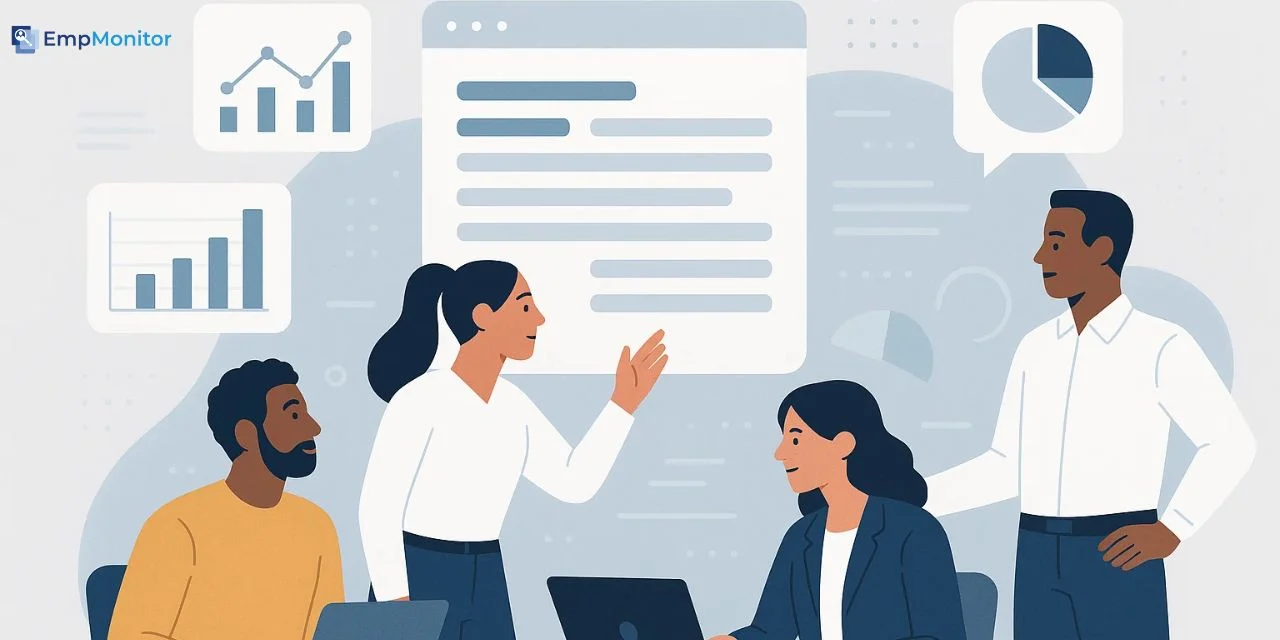
Every successful business thrives on one thing: an efficient, well-coordinated team. But managing and growing your team isn’t as simple as it used to be. Between remote work, flexible schedules, and rising expectations, companies today need more than just spreadsheets or manual check-ins to stay organised. They need a smarter, data-driven solution that keeps every moving part in sync.
And that’s where you need a proper workforce management program. It’s not just another management tool, but it’s a complete system that helps businesses plan, track, and optimise their teams’ performance.
This not only helps you manage your workforce but also keeps track of attendance accuracy and employee engagement. It can help organizations to work smarter, not harder. That brings clarity to operations, minimizes inefficiencies, and helps leaders make informed decisions for driving consistent growth.
In this blog, we’ll explore how adopting a smart workforce management solutions can transform your business, improve collaboration, and unlock the true potential of your team.
You can listen to this blog here.
What Is a Workforce Management Program?
A workforce management program is a comprehensive system designed to help organizations manage, monitor, and optimize their employees’ work processes effectively. It brings together essential aspects like scheduling, attendance tracking, time management, performance monitoring, and productivity analytics under one unified platform.
At its core, a workforce management program ensures that the right people are doing the right tasks at the right time. It streamlines the coordination between departments, automates repetitive HR tasks, and eliminates manual errors that often slow down operations. Giving managers complete visibility into employee activity, it simplifies decision-making and improves resource allocation.
Unlike traditional management methods that rely heavily on manual tracking or outdated spreadsheets, a workforce management program uses automation and real-time data to keep things running efficiently. It adapts to modern work environments, whether employees work remotely, in shifts, or on-site, and ensures fair scheduling and consistent productivity across the board.
With features like performance tracking, project allocation, and detailed analytics, it becomes easier for leaders to identify top performers, detect inefficiencies, and plan better for future demands. In short, a workforce management program serves as the backbone of every well-organized, high-performing team, ensuring both accountability and efficiency at every level.
Why Businesses Need a Workforce Management Program?
Managing a team without a structured system often leads to confusion, delays, and wasted time. Many organizations struggle with missed deadlines, poor scheduling, unbalanced workloads, and unclear accountability. These challenges don’t just affect productivity; they also impact employee satisfaction and business growth. That’s why investing in a workforce management program has become essential for modern businesses.
A workforce management program brings structure and clarity to daily operations. It gives managers real-time visibility into who’s working, what tasks are being completed, and how efficiently the team is performing. With automation, it minimizes manual errors and helps ensure fair scheduling, accurate time tracking, and optimized staffing.
For employees, it creates transparency and balance. They can easily access their schedules, track attendance, and manage workloads, which leads to better engagement and motivation. For employers, it provides data-driven insights that support smarter decisions from forecasting staffing needs to identifying performance gaps.
Simply put, a workforce management program bridges the gap between people and processes. It ensures every team member contributes effectively to organizational goals while maintaining flexibility and accountability. In a fast-paced, competitive business world, this kind of system isn’t a luxury; it’s a necessity for sustainable growth and a performance-driven culture.
Core Components of a Workforce Management Program
A workforce management program is more than just a simple scheduling or attendance tool; it’s a comprehensive suite of integrated features that help organizations run efficiently. Each component plays a vital role in streamlining operations, improving productivity, and ensuring accountability.
- Time Tracking and Attendance
Accurate time tracking ensures that every working hour is recorded properly. Automated attendance eliminates manual errors and prevents issues like buddy punching or false logins, ensuring payroll accuracy. - Scheduling and Shift Management
Creating, adjusting, and managing shifts becomes effortless. A smart workforce management program enables managers to assign tasks, balance workloads, and plan shifts that align with both business needs and employee availability. - Performance Monitoring
This feature provides deep insights into how employees spend their time. Managers can track key metrics such as productivity levels, task completion rates, and project contributions all in real time. - Analytics and Reporting
Data-driven reports help leaders make smarter decisions. From performance summaries to attendance trends, analytics highlight areas for improvement and help forecast staffing needs. - Employee Self-Service Portals
Modern programs empower employees to view schedules, request time off, and check attendance without depending on HR. This transparency builds trust and boosts efficiency.
By combining these components, a workforce management program simplifies operations, reduces administrative workload, and builds a culture of accountability, making it a cornerstone of modern workforce optimization.
Role of Workforce Engagement in Management Programs

Employee engagement isn’t just a feel-good concept; it’s a powerful driver of productivity, loyalty, and long-term success. A workforce management program that prioritizes engagement helps organizations maintain motivated, connected, and goal-oriented teams. When employees feel heard, supported, and recognized, their performance naturally improves.
Modern management programs integrate workforce engagement tools that go beyond simple task tracking. These include feedback systems, performance dashboards, and recognition modules that encourage open communication between employees and managers. When employees can see their progress and understand how their efforts contribute to company goals, they develop a stronger sense of purpose and ownership.
Additionally, workforce management programs often include analytics that measure engagement levels, track attendance trends, performance consistency, and workload balance. This data helps organizations identify disengaged employees early and take proactive steps to re-engage them through better support or reallocation of responsibilities.
In short, workforce engagement transforms management from a top-down process into a collaborative partnership. By combining clear communication, real-time insights, and recognition, a workforce management program not only improves efficiency but also creates a culture where people are inspired to give their best every day.
How Workforce Management Programs Improve Planning?
Effective planning is at the heart of every successful organization, and a workforce management program makes this process smarter, faster, and more reliable. Instead of relying on assumptions or manual calculations, managers can make data-backed decisions about staffing, scheduling, and workload distribution.
A key advantage of these programs is their ability to forecast future workforce needs using historical performance data. By analyzing trends like peak work hours, project timelines, and employee availability, businesses can plan and allocate resources efficiently. This eliminates common issues such as overstaffing, understaffing, or last-minute scheduling conflicts.
With the help of a workforce planning toolkit, managers can visualize team capacity, identify skill gaps, and ensure that the right people are assigned to the right roles. It simplifies complex planning tasks by turning raw data into actionable insights, allowing businesses to align workforce strategies with organizational goals.
Moreover, real-time updates ensure flexibility when priorities shift, and managers can adjust schedules and reassign tasks with minimal disruption.
In essence, a workforce management program transforms workforce planning from a reactive task into a proactive strategy. It ensures that every department operates smoothly, resources are used efficiently, and business objectives are achieved without chaos or delay.
The Power of Workforce Scheduling Software
Scheduling is one of the most challenging parts of managing a team, especially when dealing with multiple shifts, time zones, or flexible work hours. That’s where a workforce management program equipped with workforce scheduling software makes all the difference.
This software automates scheduling, replacing time-consuming manual methods with intelligent algorithms that match employee availability to business needs. It ensures optimal staffing levels, reduces scheduling conflicts, and prevents burnout by maintaining a fair workload distribution. Managers can instantly create, modify, or share schedules with just a few clicks, saving hours every week.
For employees, this system adds convenience and transparency. They can easily view their assigned shifts, request changes, or swap schedules directly through a self-service portal. This flexibility not only improves communication but also enhances job satisfaction and engagement.
From a business perspective, automated scheduling minimizes labor costs by avoiding unnecessary overtime or underutilization of staff. Real-time updates and alerts help teams stay aligned, even in dynamic work environments.
In short, workforce scheduling software isn’t just about creating timetables; it’s about optimizing people, time, and performance. By integrating this technology into a workforce management program, organizations can achieve smoother operations, happier employees, and higher overall productivity.
Real Benefits of Implementing a Workforce Management Program

Adopting a workforce management program can completely transform how an organization operates. It bridges the gap between management goals and team performance by automating everyday processes and offering full visibility into workforce activity. Here are some key benefits businesses can experience after implementing it:
- Improved Productivity
By tracking attendance, performance, and time usage, companies can identify inefficiencies and encourage accountability. Teams stay focused, deadlines are met faster, and output improves significantly. - Better Resource Utilization
A workforce management program ensures that the right number of employees are assigned to the right tasks. This balance prevents overstaffing or underutilization, reducing operational costs while maintaining performance standards. - Reduced Administrative Workload
Automated processes like scheduling, attendance tracking, and payroll preparation save managers countless hours. This allows them to focus on strategy, leadership, and innovation instead of routine manual tasks. - Enhanced Compliance and Transparency
Accurate data and digital records reduce the risk of compliance issues or disputes. Every action is tracked, ensuring complete clarity between employees and management. - Increased Employee Satisfaction
When employees have access to self-service features and flexible scheduling, their satisfaction and engagement rise, resulting in better retention rates and a healthier workplace culture.
In short, implementing a workforce management program is not just about organization; it’s about unlocking efficiency, strengthening engagement, and setting the foundation for long-term business success.
How EmpMonitor Enhances Workforce Management?
When it comes to implementing a workforce management program, choosing the right tool makes all the difference. That’s where EmpMonitor stands out. Designed for modern businesses, EmpMonitor combines advanced monitoring, automation, and analytics to give organizations complete control and clarity over their workforce.
- EmpMonitor’s time tracking and productivity monitoring features help managers understand exactly how employees spend their work hours. It records activity levels, tracks websites and applications used, and provides visual reports, helping teams identify performance patterns and eliminate distractions.
- Its automated attendance and shift scheduling ensure that every working hour is accurately captured. Forget about manual check-ins or buddy punching. EmpMonitor’s system logs attendance automatically, ensuring payroll accuracy and accountability.
- The platform also supports features to control access management and data security, protecting sensitive business information from unauthorized access. Managers can assign role-based permissions, ensuring that employees only access what they need.
- EmpMonitor’s detailed reporting and analytics dashboard transform raw data into actionable insights, helping leaders make informed staffing and performance decisions. Moreover, its cloud-based design makes it easy to manage remote, hybrid, and in-office teams from one centralized dashboard.
In short, EmpMonitor is more than just a monitoring tool; it’s a complete workforce management solution that empowers organizations to improve productivity, ensure transparency, and build a culture of accountability and efficiency.
Tips to Choose the Right Workforce Management Program
Selecting the right workforce management program can feel overwhelming with so many tools available today. But the right choice can completely transform your team’s performance and simplify daily operations. Here are a few essential tips to help you make the best decision:
- Identify Your Business Needs
Start by defining what your organization truly requires. Do you need better scheduling, time tracking, or productivity monitoring? Understanding your core needs helps narrow down your options. - Look for Scalability
Choose a solution that can grow with your business. A scalable program ensures you won’t need to switch platforms as your team expands or workflows become more complex. - Prioritize Automation and Integration
Automation reduces manual work and errors. The best workforce management program integrates easily with payroll, HR, and project management tools for seamless data flow. - Focus on Analytics and Reporting
Comprehensive reporting features provide valuable insights into performance, engagement, and productivity—helping managers make smarter decisions. - Evaluate Ease of Use and Support
An intuitive interface ensures your team adopts it quickly. Also, choose a provider with reliable customer support to assist when needed.
A well-chosen workforce management program isn’t just software—it’s a long-term investment in efficiency, engagement, and growth for your entire organization.
Future of Workforce Management Programs
The future of managing teams is becoming increasingly intelligent and data-driven, and the workforce management program is evolving at the center of this transformation. As technology advances, businesses are moving toward solutions that are not just efficient but also predictive and adaptive.
Artificial Intelligence (AI) and Machine Learning (ML) are revolutionizing workforce management by analyzing patterns to predict employee performance, attendance trends, and workload distribution. These insights help organizations anticipate staffing needs and improve decision-making before issues arise.
Cloud-based platforms are also becoming the norm, enabling seamless management of remote and hybrid teams from anywhere in the world. Meanwhile, real-time analytics and automation are reducing human error and enhancing responsiveness to operational changes.
In addition, the integration of mobile apps, biometric authentication, and advanced data privacy controls ensures that workforce management programs remain secure, flexible, and easy to use.
The next generation of these systems will likely combine workforce analytics with employee well-being insights, ensuring not just productivity, but also a healthy work-life balance.
In short, the future of workforce management programs lies in intelligent automation, deep analytics, and user-centric design, empowering organizations to stay agile, efficient, and future-ready in an ever-evolving work environment.
Also Read,
Conclusion
A well-structured workforce management program is no longer optional; it’s the foundation of a productive, efficient, and engaged team. From tracking performance and automating schedules to analyzing data and improving planning, it brings every aspect of workforce operations under one intelligent system.
Businesses that adopt such programs experience fewer errors, stronger collaboration, and higher accountability. It gives managers the power to make smarter, data-driven decisions while allowing employees to work with more clarity and flexibility.
Among the available solutions, EmpMonitor stands out as a powerful ally. With features like real-time activity tracking, automated attendance, and insightful analytics, it helps organizations stay organized, transparent, and compliant—without adding complexity.
By embracing a smart workforce management program, you’re not just improving operations; you’re unlocking your team’s full potential. Efficiency, engagement, and growth start with visibility and control, and EmpMonitor gives you both in one easy-to-use platform.
FAQs
- What is a workforce management program?
A workforce management program is a digital system designed to streamline employee scheduling, attendance tracking, performance monitoring, and productivity analysis. It helps organizations plan resources efficiently, reduce manual work, and maintain transparency across all departments. - How does a workforce management program improve employee engagement?
It enhances workforce engagement by promoting transparency and communication. Employees can access their schedules, track performance, and provide feedback through self-service tools. When people feel informed and valued, they naturally become more motivated and productive. - Why should businesses choose EmpMonitor for workforce management?
EmpMonitor offers a complete solution for managing, tracking, and optimizing your workforce. With features like real-time activity monitoring, automated attendance, shift scheduling, and detailed analytics, it simplifies every aspect of workforce management. Its user-friendly interface and cloud-based system make it ideal for businesses of any size looking to improve efficiency and accountability.