How do you measure employee productivity, and does it truly reflect meaningful performance?
Productivity has always been measured, but what has changed is how deeply measurement now reaches into everyday work. Digital tools no longer track outcomes alone; they increasingly capture behavior, activity patterns, and time spent across systems.
Digital Taylorism reflects this shift. It is the modern revival of early scientific management ideas, powered not by stopwatches but by software, dashboards, sensors, and algorithms. These systems promise clarity, efficiency, and consistency, yet they also introduce new challenges around trust, autonomy, and how organizations define and value productive work.
Despite its growing presence across modern workplaces, Digital Taylorism remains underexamined in conversations about workforce productivity. Monitoring tools are widely adopted, but discussions around how they should be implemented responsibly are far less common.
This article explores what Digital Taylorism means in today’s organizations, how it shapes productivity measurement, and why thoughtful, ethical implementation is critical for achieving sustainable performance and long-term business outcomes.
What Digital Taylorism Means In Today’s Workplace?
Digital Taylorism applies long-standing management principles using modern technology. Frederick Taylor believed work could be optimized through observation, standardization, and measurement. Today, that observation is automated and embedded directly into everyday digital workflows.
A Modern Definition
Digital Taylorism refers to the use of digital tools to monitor and measure employee activity in the name of productivity. The focus often shifts from outcomes to patterns, such as time spent on tasks, application usage, and login behavior.
When used thoughtfully, these insights can help identify inefficiencies and workload issues. When used without context, they risk oversimplifying how work actually happens.
Why It Is Reappearing Now?
Digital Taylorism refers to the use of digital tools to monitor, measure, and influence employee behavior in the name of productivity. Rather than focusing solely on outcomes, organizations increasingly track patterns such as time spent on tasks, application usage, login activity, and workflow consistency.
Used responsibly, these signals can highlight inefficiencies, workload imbalance, and process bottlenecks. Used without context, they risk reducing complex work into surface-level activity metrics.
What Makes It Different From Past Monitoring?
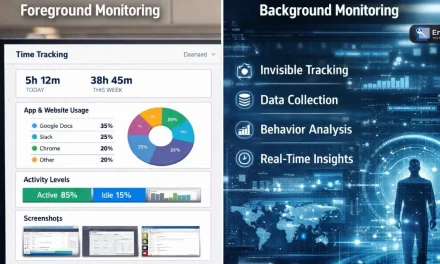
Unlike manual supervision, digital monitoring is continuous. It runs quietly in the background. Employees may not always know when they are being measured, or how those measurements are interpreted.
The result is a system that feels neutral while still shaping daily behavior in subtle but meaningful ways.
From Stopwatch To Software: A Brief Evolution

Work measurement did not begin with digital tools. It evolved gradually, starting with manual observation and later accelerating as technology advanced. As software became more capable, automation took on a larger role in productivity measurement, making it more consistent, discreet, and scalable.
Understanding how productivity measurement has evolved helps organizations use it more intentionally, rather than treating measurement as a default or unquestioned practice.
Early Industrial Measurement
Factories relied on direct observation. Supervisors watched workers, timed tasks, and corrected behavior in real time. Measurement was visible and often confrontational, which many employees found uncomfortable. There was little separation between oversight and pressure.
The Shift to Digital Tracking
As work moved to screens, measurement followed. Time tracking software replaced punch cards, reducing manual errors and limiting manipulation of work records. Another radical shift was that activity logs replaced physical supervision, shifting oversight from visible presence to recorded behavior.
Cloud Platforms and Scale
Once tracking systems moved to the cloud, monitoring scaled easily across teams and locations. Today, measurement is no longer a daily managerial task; it is embedded into core business infrastructure.
This shift matters because when measurement becomes less visible, it is also easier to overlook, making clarity, transparency, and intent more important than ever.
The Types Of Data Employers Now Collect
Modern monitoring systems capture far more than hours worked. They map behavior. This behaviour paints a far more specific and detailed picture of not just when employees are working, but how and why. This data is essential for understanding how to influence employee behaviour using different motivations for employees’ productivity.
Activity and Usage Signals
Application usage, idle time, keystrokes, and file access all create a picture of motion. Motion often stands in for productivity, even when it should not.
Communication Metadata
Who messages whom? How often? How fast do responses arrive in the recipient’s inbox? These signals say little about quality, yet they influence perception.
Location and Device Data
Remote work tools can infer location, device type, and login patterns. This blurs the line between work and personal space.
Output Proxies
Tasks completed, tickets closed, documents edited. These metrics are useful but incomplete. They rarely capture thinking, mentoring, or problem prevention.
How Monitoring Tools Shape Daily Work Routines?

People adapt quickly to what is measured. This adaptation is one of the strongest cultural effects of Digital Taylorism.
Employees learn which behaviors register and which disappear. Visible activity increases. Quiet thinking decreases.
Meetings become proof of busyness. Status updates become performative. Some workers keep systems active to avoid idle flags, even when stepping away would improve focus.
Over time, work rhythms shift. Breaks feel risky. Exploration feels inefficient. The day fills with measurable motion.
This does not always reduce productivity. But it often changes its character.
Productivity Gains Versus Psychological Cost
The benefits of monitoring are real, and so are the risks when it is poorly designed or misused. This tension sits at the center of Digital Taylorism. Monitoring can improve visibility and coordination, but if introduced without clarity or trust, it can also create resistance that consumes time, morale, and management effort. The psychological cost appears not because monitoring exists, but because employees feel unsure how the data will be interpreted or used.
In the productivity gains versus psychological cost debate, many factors come into play, including:
- Short-term output often increases after monitoring is introduced.
- Employees gain better awareness of how time and effort are distributed.
- Standardization helps reduce workflow inconsistency across teams.
- Stress rises mainly when metrics are unclear or overly rigid.
- Burnout risk increases when recovery time is monitored without context.
These effects do not impact everyone in the same way. High performers may feel restricted by rigid measurement, while new hires can feel overwhelmed by constant evaluation. Creative roles are often affected the most, as their work depends on thinking time that is not always visible in activity metrics.
Productivity improvements driven by pressure tend to fade over time. Long-term performance depends on trust between employees and the organization. Building that trust requires consistency, transparency, and clear intent, which is achievable but must be managed deliberately.
Management Decision-Making Under Digital Taylorism
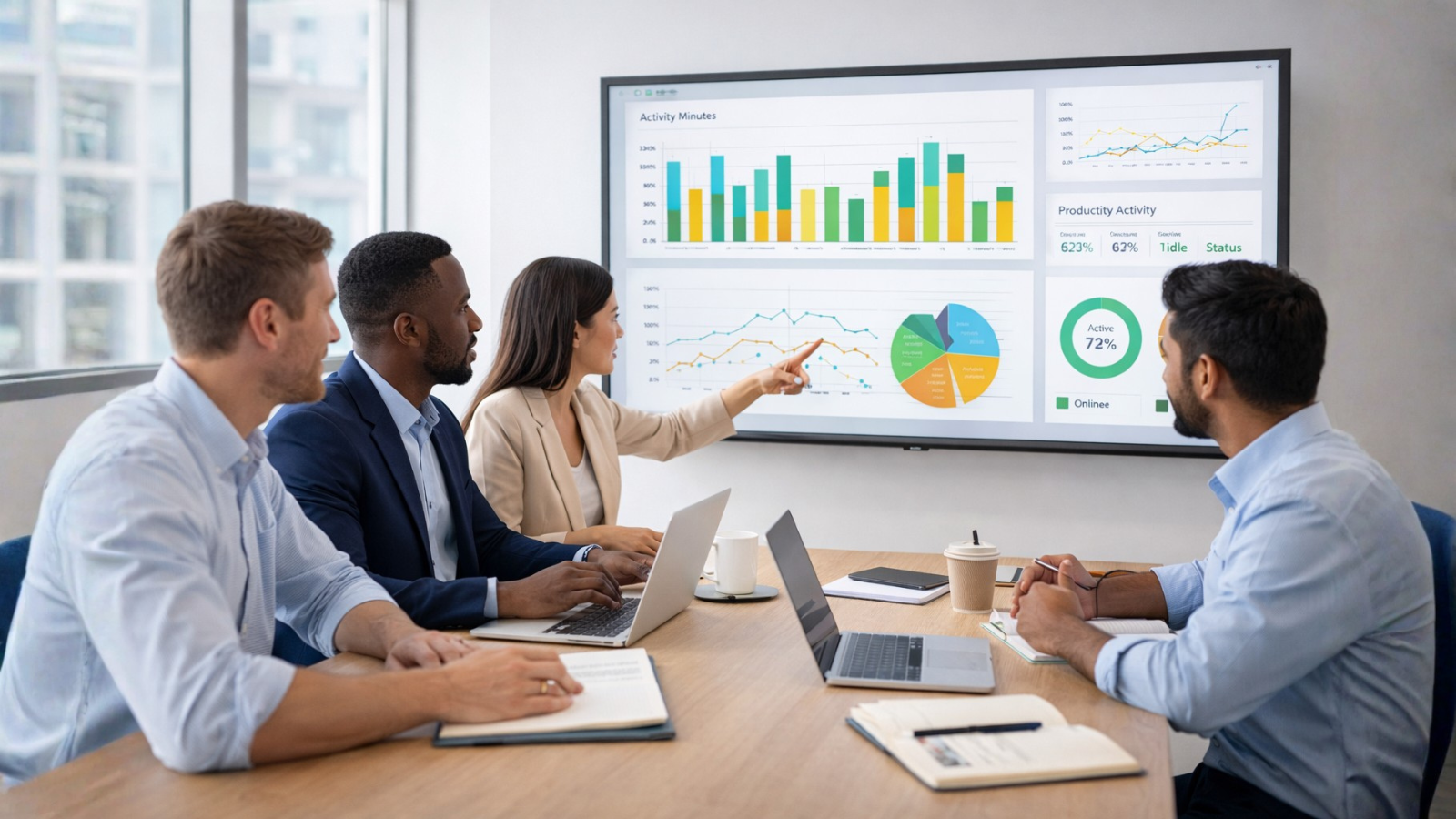
Monitoring tools do more than influence employee behavior. They also shape how managers interpret performance and make decisions. When used well, they provide valuable signals that support better judgment rather than replace it.
Dashboard-Driven Leadership
Dashboards create clarity and consistency. At the same time, numbers can feel more definitive than they are. Effective managers use dashboards as a starting point, not the final verdict, balancing visible metrics with situational understanding.
Reduced Dialogue
When performance data is readily available, conversations can become more focused and efficient. The most productive teams use metrics to guide discussion, not eliminate it. Context and explanation remain essential for accurate evaluation.
The Risk of Misinterpretation
Metrics without context can be misleading. A delayed response may reflect deep focus. Lower activity levels may indicate efficient planning rather than disengagement. Interpreting data alongside work patterns leads to more accurate insights.
Managers who rely too heavily on metrics risk managing shadows rather than people.
Legal, Ethical, and Cultural Considerations
Digital Taylorism raises questions that extend beyond productivity. The questions it raises relate to legal boundaries, ethical transparency, and the cultural response to performance metrics coming into effect.
It’s essential for leaders and managers to address these considerations to avoid litigation and damages to employee morale and organizational reputational damage.
Legal Boundaries
Laws vary widely by region. Consent requirements, data retention rules, and disclosure obligations differ. Global organizations struggle to apply consistent practices.
Ethical Transparency
Employees deserve to know what is tracked and why. Hidden monitoring erodes trust faster than poor performance ever could.
Cultural Response
Some cultures accept monitoring as a structure. Others see it as surveillance. Ignoring this difference creates friction that no policy can fix.
Ethical frameworks matter. So does listening.
Employee Monitoring Tools and Expense Visibility
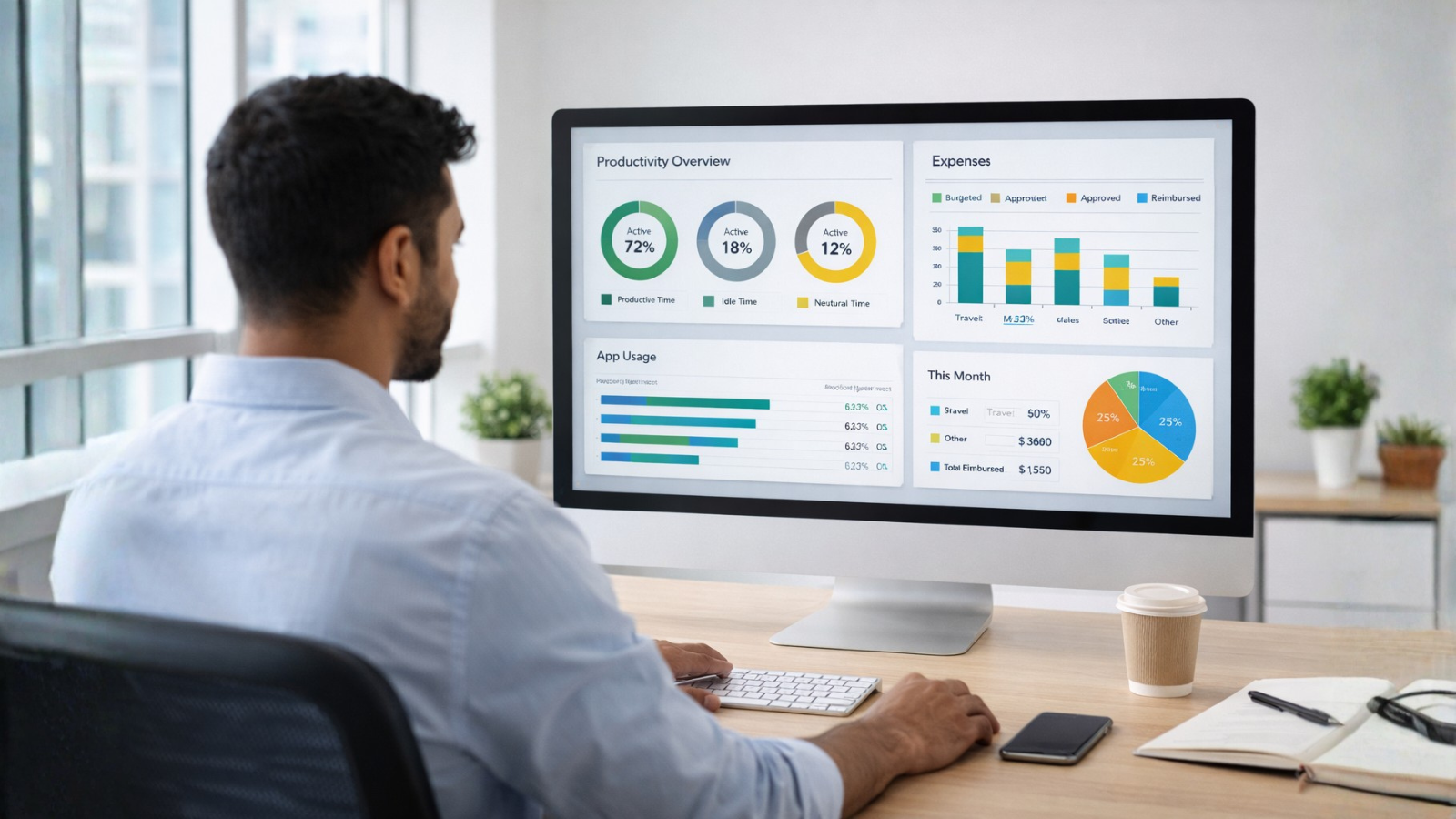
Monitoring does not stop at a time or an activity. It increasingly includes spending behavior, and it’s crucial that managers are aware of the significance of expense visibility to ensure that monitoring doesn’t break budgets.
The Expansion Into Expense Data
Travel and expense platforms now offer real-time visibility into bookings, approvals, and reimbursements. This data helps control costs. It also shapes employee experience.
Expense Management as Behavioral Signal
How often does someone travel? How quickly are expenses filed? Are employees following policies? These questions need to be continuously asked, followed up on, and when they are reinforced, patterns become part of the productivity narrative.
Navan in the Conversation
Discussions around monitoring and spend control often reference an overview of Navan’s expense-tracking software when examining how the Navan expense management platform blends automation, visibility, and policy enforcement.
When expense tools are designed for clarity and ease of use, they reduce friction, and employees feel supported. When they feel punitive, resentment grows. The difference lies in design and communication.
EmpMonitor and Shared Visibility
Alongside expense tools, employee monitoring platforms like EmpMonitor also emphasize transparency by giving both managers and employees access to the same productivity dashboards. Employees can see their own activity data, including productive, idle, and neutral time, as well as app and website usage patterns.
This shared visibility helps employees understand how their time is actually spent and make adjustments independently, without relying on constant managerial feedback. For managers, it creates clearer, more objective conversations around performance while keeping monitoring visible, predictable, and aligned with improvement rather than intrusion.
What The Future Holds For Digital Taylorism?
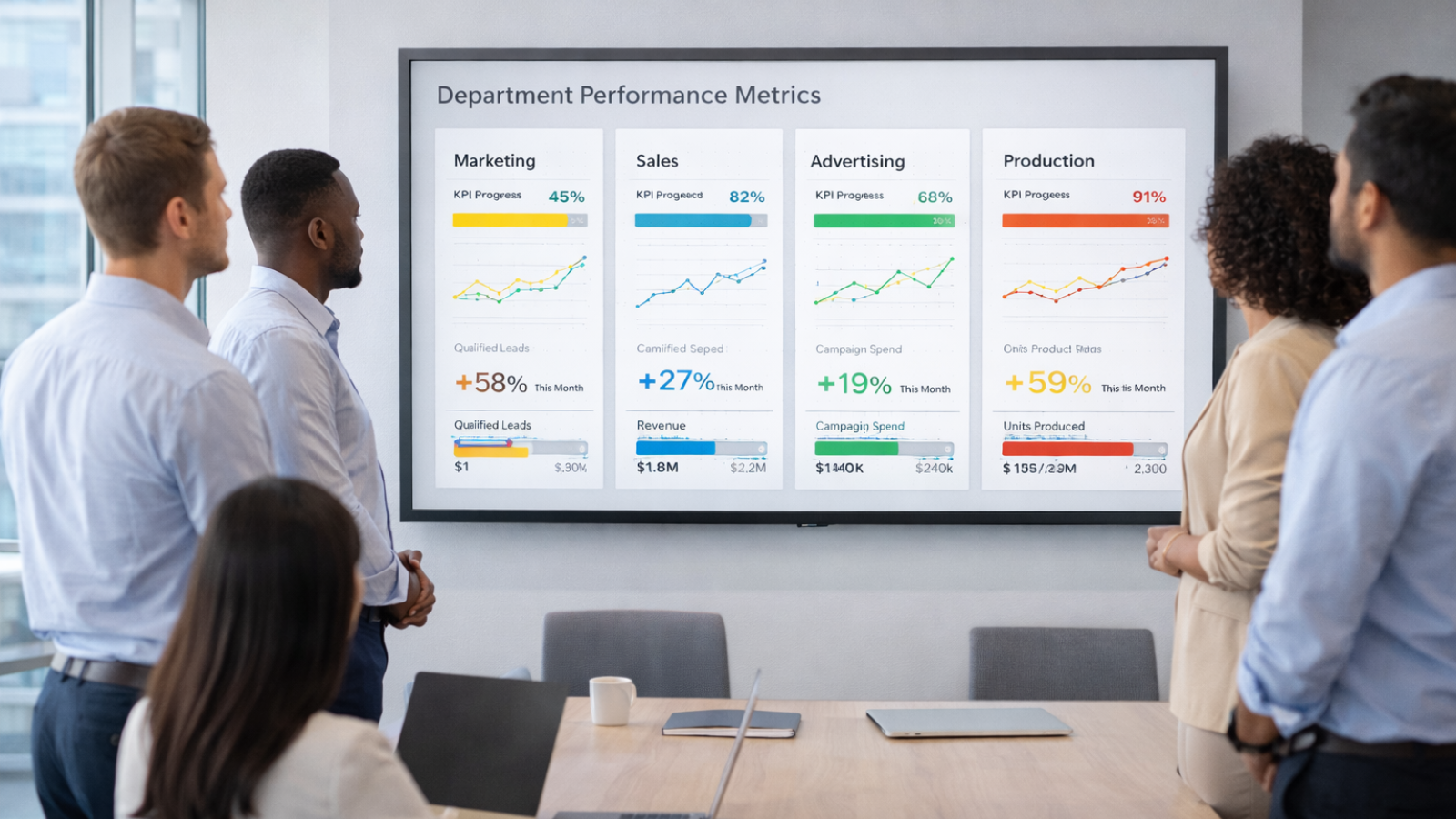
Digital Taylorism is evolving alongside generative AI and advanced analytics. Monitoring is shifting from simple data collection to smarter interpretation, where AI identifies patterns, predicts risks, and highlights areas needing attention.
Instead of static reports, organizations are relying on predictive insights and timely prompts that guide decisions and corrective action.
At the same time, scrutiny is increasing. Employees are more aware of monitoring practices, and regulators are paying closer attention. This has pushed leaders to reassess how much measurement is useful and where it may become counterproductive.
Going forward, organizations are likely to take different approaches. Some will expand monitoring capabilities, while others will prioritize outcome-based evaluation supported by transparency and trust. The direction depends largely on organizational culture and leadership priorities.
Conclusion
Digital Taylorism is transforming the way productivity is measured and understood in modern organizations. It influences employee behavior, managerial decision-making, and the evaluation of performance across teams.
Monitoring tools themselves are not the outcome; they are enablers. When implemented thoughtfully, they help clarify priorities, improve visibility, and support more consistent and informed decisions without disrupting daily work.
Platforms like EmpMonitor reflect this shift by focusing on transparent productivity insights that are visible to both managers and employees. When measurement is clear, accessible, and responsibly applied, productivity data becomes a tool for alignment rather than control, supporting sustainable performance while respecting how people actually work.