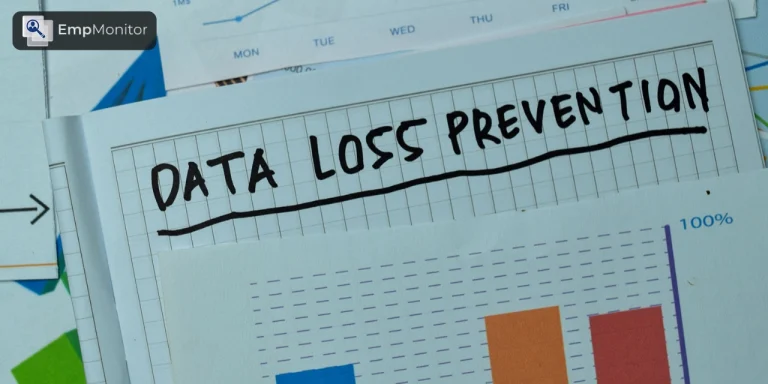
Data drives innovation, decision-making, and competitive advantage in modern organizations. From confidential contracts and employee records to financial statements and customer information, businesses rely on digital assets every day. As digital transformation accelerates, the risk of cyber threats, insider misuse, and accidental leaks continues to rise.
In this evolving landscape, organizations need more than basic cybersecurity controls. They require a structured and intelligent data loss prevention solution that safeguards sensitive information without disrupting business operations.
This comprehensive guide explores how to build, implement, and optimize a powerful dlp solution while integrating workforce intelligence tools like EmpMonitor to strengthen security visibility and insider threat defense.
In a hurry? Listen to the blog instead!
How Data Loss Happens In Modern Enterprises
Data loss does not always occur because of external hackers. In many cases, employees accidentally share confidential files, misconfigure permissions, or use unauthorized applications.
For example:
- An employee emails a client database to the wrong contact.
- A remote worker uploads internal documents to a personal cloud drive.
- A team member copies sensitive files to a USB device before resignation.
These risks highlight why every organization needs a proactive data loss prevention solution that monitors, detects, and prevents unauthorized data movement in real time.
Why Traditional Security Tools Are Not Enough?
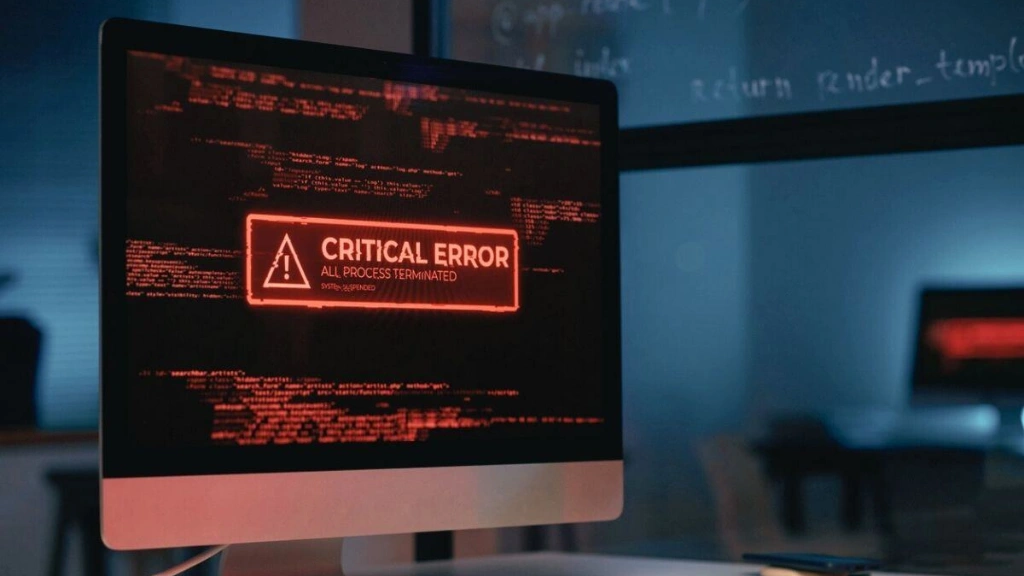
Firewalls, antivirus software, and encryption remain essential components of cybersecurity. However, they do not fully address user behavior or contextual risks.
A firewall cannot determine whether a spreadsheet contains confidential payroll data. Antivirus tools cannot stop an employee from copying sensitive files to external storage. Encryption protects data, but it does not prevent misuse by authorized users.
A modern data loss prevention solution closes these gaps by analyzing both content and context. It monitors user actions, classifies sensitive information, and enforces policies before data leaves secure environments.
Also Read:
Data Loss Prevention (DLP) Checklist for Remote Companies
EmpMonitor: The Ultimate Solution for Data Loss Prevention
What Are The Core Elements Of An Effective Data Loss Prevention Solution?
A well-designed data loss prevention solutions operates across multiple layers of protection. Understanding these core elements ensures successful implementation.
1. Data Discovery:
Organizations must first identify where sensitive data resides. Discovery scans databases, file servers, cloud storage, and endpoints to locate critical information.
2. Data Classification:
Once discovered, data must be categorized based on sensitivity levels such as public, internal, confidential, or highly restricted. Classification allows the data loss prevention solution to enforce policies accurately.
3. Policy Enforcement:
Security teams define rules governing data access, sharing, printing, copying, and transferring. These policies ensure only authorized individuals can interact with sensitive files.
4. Continuous Monitoring:
Real-time monitoring ensures suspicious behavior triggers alerts instantly. A reliable dlp tools provides visibility into user activities across networks, endpoints, and cloud systems.
5. Automated Response:
When policy violations occur, the system can block actions, notify administrators, or require user justification. Automation reduces response time and limits damage.
What Are The Common Causes Of Data Leaks In Organizations?
Understanding the root causes of data leaks is crucial for implementing an effective data loss prevention solution. By identifying vulnerabilities, organizations can proactively reduce risks and protect sensitive information.
1. Insider Threats:
Not all threats come from outside the organization. Employees with legitimate access may inadvertently or deliberately mishandle sensitive data. Examples include sharing confidential files via email, using unauthorized applications, or storing sensitive documents on personal devices.
Insider threats often bypass traditional perimeter security, making proactive monitoring essential.
2. Remote and Hybrid Work:
The shift to remote and hybrid work environments has expanded the digital perimeter. Employees accessing company resources from home networks, personal devices, or public Wi-Fi increase the risk of accidental leaks, malware infections, and unauthorized access.
Endpoint monitoring and secure remote access protocols are critical to mitigate these risks.
3. Shadow IT:
Employees may turn to unauthorized cloud apps or collaboration tools to increase productivity, creating “shadow IT” environments. While convenient, these platforms often lack proper security controls, leading to accidental exposure of sensitive information outside organizational oversight.
Regular audits and sanctioned app policies help reduce this risk.
4. Excessive Permissions:
Granting employees more access than necessary increases the chance of misuse or accidental data exposure. Over-permissioned accounts make it easier for sensitive data to fall into the wrong hands.
Implementing role-based access control and periodic permission reviews ensures employees have only the access required for their roles.
By understanding these common causes, organizations can implement layered security strategies that combine technology, policy, and employee awareness to minimize the risk of data leaks.
How Can Organizations Ensure Regulatory Compliance And Data Governance?
Regulatory frameworks require organizations to protect sensitive data and follow strict standards. Industries like healthcare, finance, and e-commerce must comply with GDPR, HIPAA, PCI DSS, and other regulations to avoid penalties.
A well-implemented data loss prevention solution simplifies compliance by monitoring sensitive information, enforcing policy controls, and generating audit-ready reports.
Effective data governance not only helps avoid fines but also builds trust with clients, partners, and stakeholders, demonstrating that the organization takes data security seriously.
The Role Of Endpoint Monitoring In Data Security
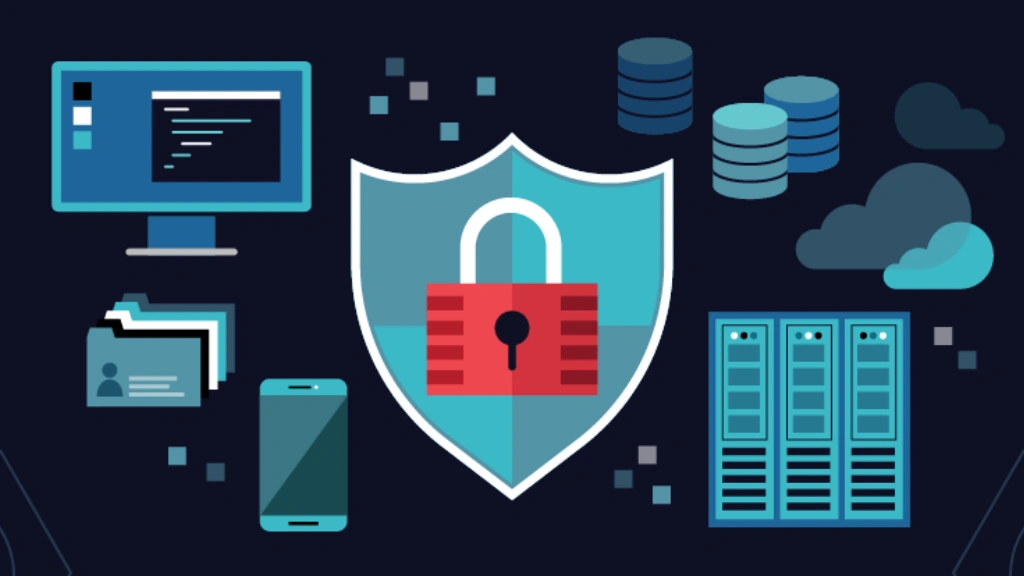
Endpoints represent one of the most vulnerable areas in any organization. Employees interact with sensitive data daily through laptops, desktops, and mobile devices.
A powerful data loss prevention solution monitors:
- USB file transfers
- Copy-paste activity
- Screenshot attempts
- Unauthorized printing
- File uploads
However, combining endpoint protection with intelligent workforce analytics significantly strengthens visibility.
While implementing a comprehensive data loss prevention solution, organizations can benefit from advanced workforce monitoring tools like EmpMonitor.
EmpMonitor enhances endpoint security by providing detailed team activity analysis and insights into daily and hourly workflows. By tracking application usage, website visits, and system interactions, it helps identify unusual patterns that may signal potential insider threats.
Rather than focusing only on blocking file transfers, EmpMonitor delivers contextual reporting that strengthens data protection strategies. This visibility enables security teams to detect suspicious behavior early and respond proactively.
How Can Organizations Secure Cloud and Network Environments?
Cloud platforms have transformed collaboration, but they also introduce new risks. Employees frequently share files through SaaS tools, increasing exposure.
A cloud-enabled data loss prevention solution scans shared drives, monitors external access, and enforces encryption policies.
On the network side, traffic inspection ensures confidential data does not leave the organization through email or web uploads. For businesses managing critical infrastructure, using a secure data centre can add another layer of physical security, resilience, and access control to the wider data protection strategy.
How Can Organizations Build A Security-First Workplace Culture?
Technology alone cannot eliminate risk. Employees must understand their role in protecting sensitive data.
Organizations should align their data loss prevention solution with:
- Regular cybersecurity training
- Clear acceptable-use policies
- Transparent communication
- Incident reporting procedures
When employees understand how monitoring improves both security and accountability, adoption becomes smoother.
How EmpMonitor Strengthens Your Data Loss Prevention Strategy?
A data loss prevention solution focuses primarily on securing data through classification, monitoring, and enforcement. EmpMonitor complements this framework by adding deep workforce intelligence and behavioral visibility.
Below is how EmpMonitor enhances organizational data protection:
1. Employee Monitoring Software:
EmpMonitor delivers detailed team activity analysis with insights into daily and hourly performance. This feature helps organizations detect abnormal work patterns that may indicate risky data interactions. Enhanced activity tracking supports the broader objectives of data loss prevention software by adding behavioral context to data movement, enabling organizations to prevent potential leaks and maintain compliance while improving operational efficiency.
2. Time Tracking And Accountability:
EmpMonitor provides meticulous time monitoring to evaluate accountability and productivity.
Key capabilities include:
- Automated real-time timesheets
- Analysis of productive and idle hours
- Performance assessment insights
- Accurate time-report generation
These insights help identify unusual after-hours system access or irregular activity patterns that could threaten sensitive data.
3. User Activity Monitoring:
Maintaining full visibility over digital behavior strengthens data governance.
EmpMonitor offers:
- Context-rich reporting
- Daily and hourly activity insights
- Application and website tracking
- Centralized dashboards
When integrated with a data loss prevention solution, this detailed monitoring enhances insider threat detection and policy enforcement.
4. Insider Threat Prevention:
Internal risks can cause significant damage. EmpMonitor strengthens security by:
- Tracking usage of company assets
- Identifying activity on restricted platforms
- Detecting potentially harmful behavior in real time
- Mitigating negligent or malicious intent
These features add an additional protective layer alongside your data loss prevention solution, reducing the risk of internal breaches.
5. Live Screencasting And Screen Recording:
EmpMonitor provides real-time screen access and automated recording features.
Administrators can:
- View employee screens instantly
- Capture secure, time-stamped recordings
- Maintain documentation for audits
- Resolve disputes efficiently
This transparency strengthens compliance oversight and supports investigations.
6. Real-Time Activities Tracking:
The unified dashboard enables live tracking of application usage, website visits, and productivity levels.
Role-based access controls ensure privacy while maintaining security. This centralized visibility aligns seamlessly with a strategic data loss prevention solution.
7. Attendance Monitoring And HR Efficiency:
EmpMonitor streamlines attendance tracking and leave management while ensuring compliance accuracy.
Features include:
- Efficient attendance records
- Paperless leave processes
- Centralized dashboard reporting
- Online payslip management
Improved HR oversight enhances accountability and supports secure workforce operations.
8. Workforce Productivity And Project Management:
Beyond security, EmpMonitor optimizes workflow and collaboration through project tracking and resource allocation tools.
Organizations can:
- Assign tasks effectively
- Track milestone progress
- Monitor team engagement
- Improve productivity metrics
When workforce intelligence integrates with a data loss prevention solution, organizations gain both operational efficiency and enhanced security resilience.
How Can Organizations Measure The Effectiveness Of Their Data Protection Framework?
To ensure long-term data security, organizations must regularly evaluate how well their protection measures are performing. A strong data loss prevention solution is only effective if its implementation and policies are monitored and optimized over time.
Key metrics for measuring effectiveness include:
- Number of blocked incidents: Tracks attempts to transfer, share, or access sensitive data without authorization. Frequent alerts can indicate both threats and potential gaps in user awareness.
- Policy violation trends: Helps identify recurring mistakes or high-risk activities, allowing security teams to refine rules, educate employees, and strengthen controls.
- Insider threat alerts: Monitors unusual user behavior, such as accessing restricted files or downloading large amounts of data, which can signal negligent or malicious actions.
- Compliance audit readiness: Measures whether organizational policies and system logs meet regulatory standards, ensuring organizations can demonstrate adherence to GDPR, HIPAA, PCI DSS, or other frameworks.
- User engagement and training effectiveness: Evaluating how well employees follow security protocols and respond to awareness programs provides insight into potential weak points in the security culture.
By tracking these metrics consistently, organizations can ensure that their data loss prevention solution evolves with their growth, adapts to emerging cyber threats, and strengthens overall data security.
Continuous monitoring, reporting, and improvement help maintain a proactive rather than reactive approach to protecting sensitive information.
Future Trends In Data Protection
Data protection is evolving rapidly as cyber threats become more sophisticated. AI-driven analytics are helping organizations detect unusual patterns, reduce false alerts, and respond to threats faster. At the same time, Zero Trust frameworks ensure that no user or device is automatically trusted, continuously verifying identity and access to sensitive data.
Behavioral analytics and cross-platform monitoring are also becoming essential. By tracking user behavior and securing data across endpoints, cloud platforms, and remote work environments, businesses can prevent both accidental leaks and insider threats.
Unified dashboards and automated responses further enhance security by providing real-time visibility, blocking unauthorized actions, and maintaining audit trails.
Solutions that integrate intelligence, monitoring, and automation like EmpMonitor, are shaping the next generation of data protection. Organizations that adopt these trends can stay ahead of emerging threats while ensuring sensitive information remains secure and compliance requirements are met.
Final Thoughts
Data represents one of the most valuable assets in any organization. Protecting it requires a proactive and structured approach.
A comprehensive data loss prevention solution safeguards sensitive information across endpoints, networks, and cloud environments while maintaining compliance and operational efficiency.
When combined with workforce intelligence platforms like EmpMonitor, organizations gain deeper visibility into employee behavior, stronger insider threat detection, and enhanced accountability.
By aligning technology, policy enforcement, and employee awareness, businesses can build a resilient data security framework that protects digital assets, strengthens trust, and supports long-term growth in an increasingly complex cybersecurity environment.
FAQs
Q1: How can organizations protect sensitive data from accidental leaks?
Companies can monitor file transfers, control access permissions, and implement robust policies to prevent unauthorized sharing.
Q2: What strategies help detect insider threats effectively?
Monitoring user behavior, analyzing unusual access patterns, and tracking device usage are key methods to catch potential internal risks early.
Q3: Can cloud storage be secured without affecting productivity?
Yes, by implementing monitoring tools that track uploads, enforce encryption, and control external sharing, businesses can maintain security without slowing workflows.
Q4: How often should data security policies be updated?
Policies should be reviewed regularly, especially after changes in operations, regulations, or technology, to ensure ongoing protection.
Q5: What role does employee awareness play in preventing data breaches?
Educating staff on security best practices, safe file handling, and potential risks significantly reduces accidental leaks and insider threats.