
Great customer service is no longer optional; it’s essential for every business. Every call your agents handle can shape a customer’s perception of your brand, making call centre quality monitoring a crucial component of operational success. By systematically evaluating interactions, businesses can identify strengths, address weaknesses, and ensure a consistent, high-quality customer experience.
Effective quality monitoring not only boosts customer satisfaction but also enhances agent performance, reduces errors, and improves overall efficiency. It helps managers spot training gaps, ensure compliance with company policies, and make data-driven decisions that benefit both the team and the organization.
This blog outlines 13 best practices for call center quality monitoring, offering actionable strategies to elevate operations. Whether you’re a manager aiming to optimize your team’s performance or a business focused on improving customer satisfaction, these tips will guide you in implementing an effective quality monitoring system.
You can listen to this Blog here.
What is Call Center Quality Monitoring?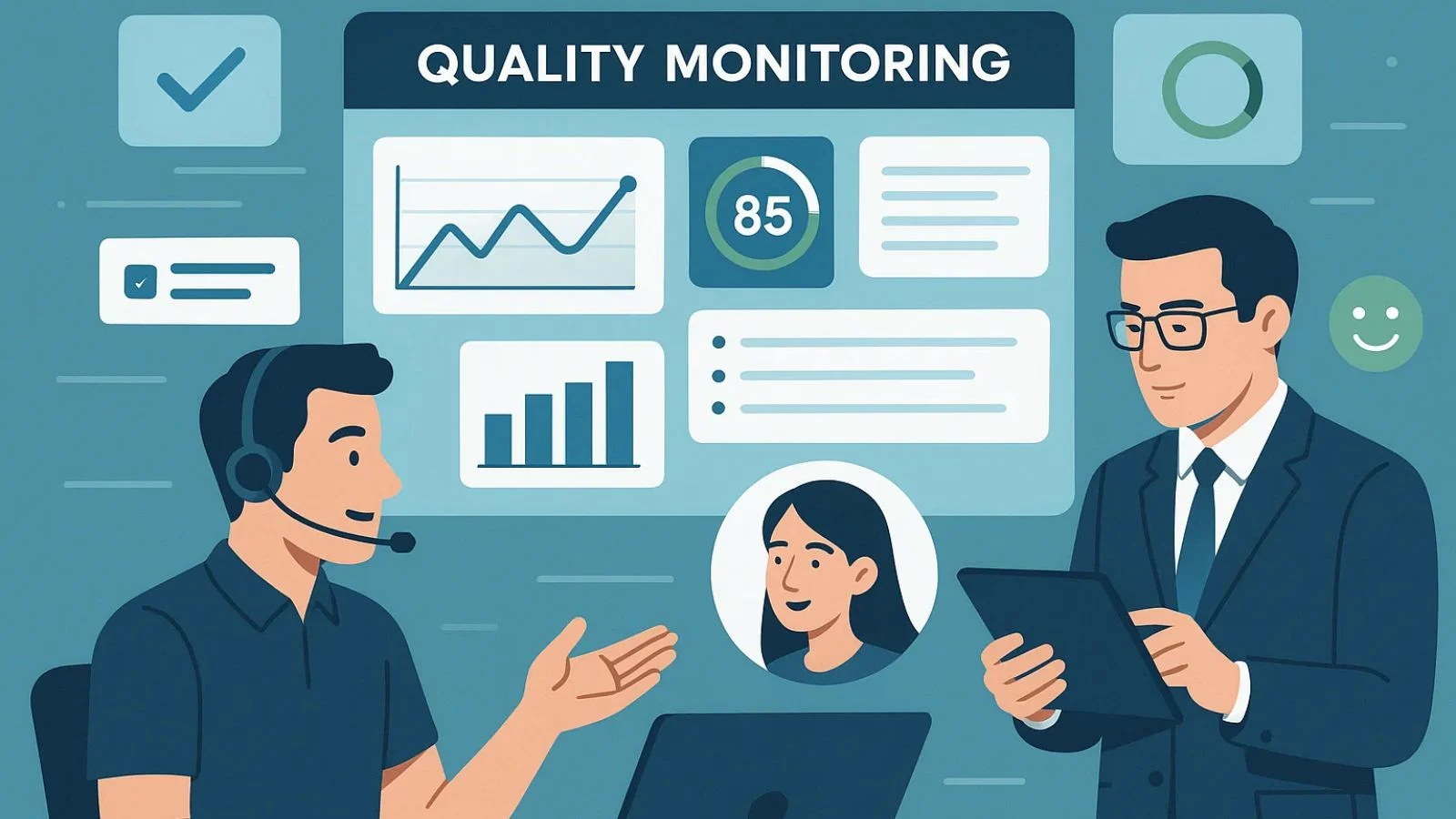
Call center quality monitoring is the systematic process of evaluating customer interactions to ensure that agents are delivering consistent, high-quality service. It involves analyzing phone calls, chats, emails, and other communication channels to assess how well agents adhere to company standards, resolve customer issues, and maintain a positive customer experience.
The primary goal of call center monitoring is to identify areas for improvement, provide constructive feedback to agents, and ensure compliance with internal policies and industry regulations. By keeping track of performance metrics such as call handling time, issue resolution, and communication effectiveness, managers can make informed decisions about training, coaching, and process improvements.
Modern call centers often rely on call center quality monitoring software to streamline this process. These tools enable real-time monitoring, screen recording, and performance analytics, making it easier to track trends and measure agent performance consistently.
Implementing a strong quality monitoring system not only enhances customer satisfaction but also boosts agent morale and operational efficiency. With the right practices in place, businesses can turn routine monitoring into a powerful tool for growth and excellence.
Benefits of Call Center Quality Monitoring
Implementing call center quality monitoring offers a wide range of benefits that can transform both agent performance and customer experience. By regularly assessing interactions and analyzing key metrics, businesses gain actionable insights to improve efficiency and service quality.
- Enhanced Customer Satisfaction
Monitoring calls ensures that agents are providing accurate information, resolving issues promptly, and maintaining a professional tone. In many cases, an AI call assistant supports these interactions by handling routine conversations and helping maintain consistent response quality This leads to more satisfied customers and increased loyalty. - Improved Agent Performance
With call center quality monitoring software, managers can identify training gaps and provide targeted coaching. Agents receive constructive feedback that helps them refine their communication skills and handle calls more effectively. - Consistency Across the Team
Standardizing quality monitoring processes ensures that all agents follow company protocols and deliver a uniform customer experience. This consistency strengthens brand credibility. - Compliance and Risk Management
By using call quality monitoring software to track interactions, businesses can ensure adherence to internal policies and regulatory requirements. This minimizes the risk of errors, legal issues, or customer complaints. - Data-Driven Insights for Improvement
Advanced monitoring tools provide analytics and reports that help managers spot recurring issues, track trends, and make informed decisions about workflow optimization.
Overall, call center quality monitoring is more than just evaluating calls; it’s a strategic approach to boosting customer satisfaction, agent productivity, and operational efficiency.
Core Practices for Effective Quality Monitoring
To build a strong foundation, call centers must first focus on the basics. These practices ensure that monitoring is consistent, fair, and directly tied to service quality and customer satisfaction.
- Define Clear Quality Metrics
- Use the Right Call Center Quality Monitoring Software
- Regularly Review Calls and Screen Recordings
- Provide Real-Time Feedback to Agents
- Incorporate Customer Feedback in QA
- Monitor Both Inbound and Outbound Calls
- Focus on Agent Training and Coaching
Advanced Strategies to Elevate Monitoring
Once the fundamentals are in place, the next step is to optimize and future-proof the process. These advanced strategies use technology, collaboration, and continuous improvement to take quality monitoring to the next level.
- Leverage Call Center Screen Monitoring for Productivity
- Track Trends and Identify Recurring Issues
- Set Up a Standardized Evaluation Process
- Encourage Peer Reviews and Collaboration
- Integrate AI and Automation in Quality Monitoring
- Continuously Update QA Processes Based on Insight
Top Tools for Call Center Quality Monitoring 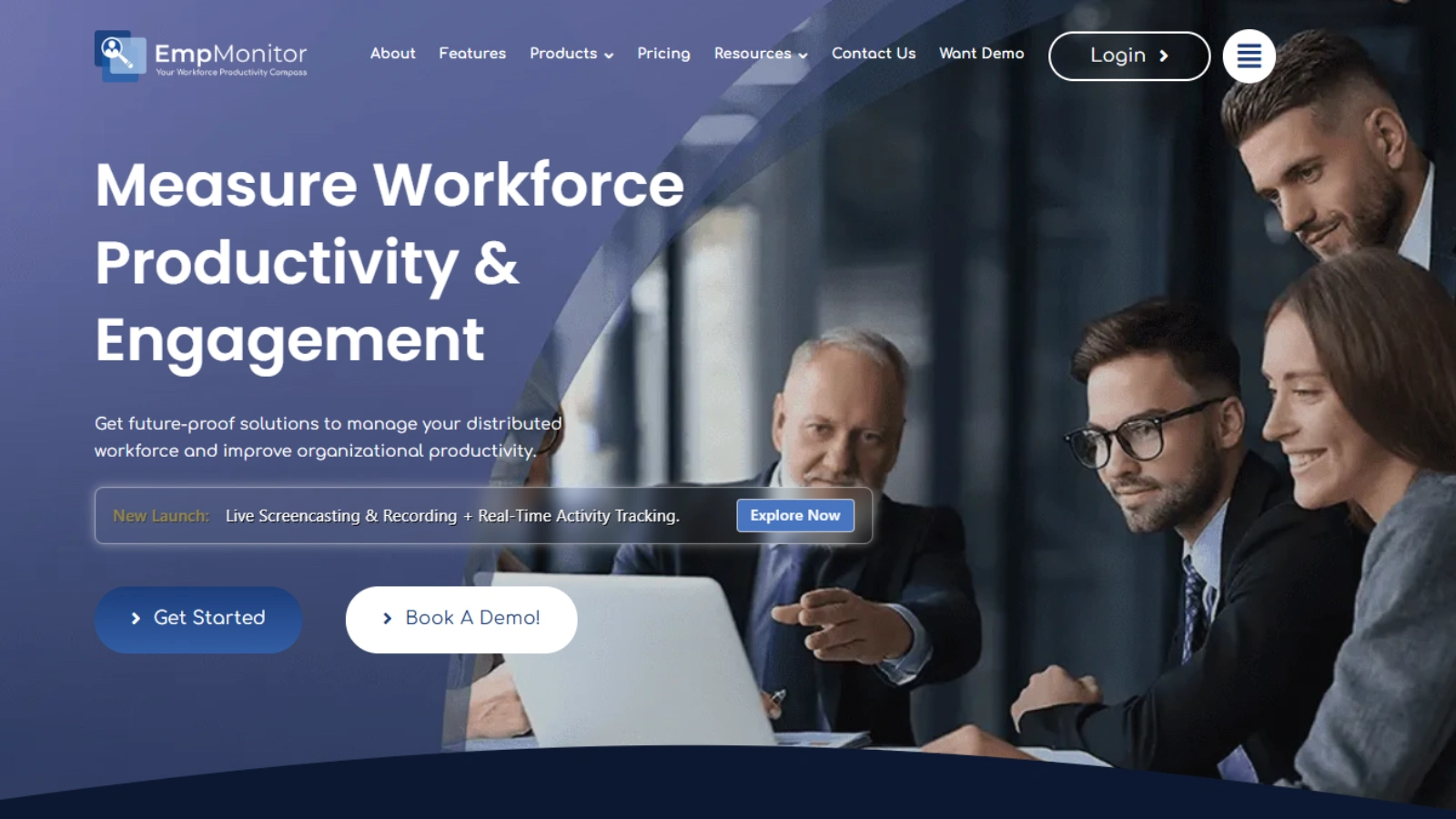
Choosing the right tools is essential for efficient call center quality monitoring. While manual evaluations can provide some insights, leveraging software simplifies the process, ensures accuracy, and allows managers to focus on coaching and improvement rather than tedious tasks.
One of the most effective tools for this purpose is Empmonitor. This all-in-one platform combines call monitoring, screen recording, productivity tracking, and analytics in a single dashboard. With Empmonitor, managers can:
- Monitor Calls in Real Time: Listen to live calls and provide immediate feedback to agents.
- Record Screens and Calls: Capture every interaction to evaluate agent performance accurately using call center screen recording software.
- Analyze Performance Metrics: Track KPIs like call handling time, first-call resolution, and customer satisfaction to identify trends.
- Boost Productivity: Use call center screen monitoring to ensure agents follow processes and maintain efficiency.
- Generate Reports: Gain actionable insights from automated reports that help refine training and QA strategies.
Empmonitor’s features make it one of the best call monitoring software options for businesses of all sizes. By integrating these tools into your quality monitoring processes, you can improve agent performance, enhance customer satisfaction, and streamline operations.
Investing in reliable call center monitoring software ensures that your team operates at peak efficiency and your customers receive the high-quality service they expect.
Advanced Tips to Maximize Call Center Quality Monitoring
To truly get the most out of call center quality monitoring, it’s important to go beyond basic evaluations. Advanced strategies can help managers gain deeper insights, improve agent performance, and enhance customer satisfaction.
- Use Analytics Dashboards
Modern monitoring tools, like Empmonitor, provide detailed dashboards that display call trends, agent performance, and key metrics at a glance. Analytics dashboards help managers quickly identify problem areas and take proactive steps. - Segment Calls by Type or Agent
Not all calls are the same. Categorizing calls by type, such as support, sales, or follow-up, allows managers to analyze performance more effectively. Segmenting by agent also helps in tailoring coaching sessions based on individual strengths and weaknesses. - Focus on Continuous Improvement
Quality monitoring should never be static. Regularly review insights from calls, customer feedback, and software analytics to update training materials, QA guidelines, and workflows. Encouraging a culture of continuous improvement ensures that both agents and processes evolve with customer needs. - Leverage Automation for Routine Tasks
Automation can handle repetitive monitoring tasks, such as flagging low-quality interactions or generating reports. This allows managers to focus on strategic coaching and process enhancements rather than manual evaluation.
Implementing these advanced tips ensures your call center quality monitoring program delivers maximum impact, driving both efficiency and customer satisfaction.
The Importance of Call Center Quality Monitoring
In today’s customer-first economy, the quality of service can make or break a business. Customers expect fast, accurate, and personalized support across multiple channels, from phone to chat and email. Even one poor interaction can harm brand reputation and lead to customer churn.
Call center quality monitoring ensures that every interaction is aligned with company standards, helps agents deliver consistent service, and builds stronger customer relationships. Beyond service excellence, it also plays a vital role in maintaining compliance with industry regulations and safeguarding customer trust—critical factors in highly competitive markets.
Key Metrics to Track in Call Center Quality Monitoring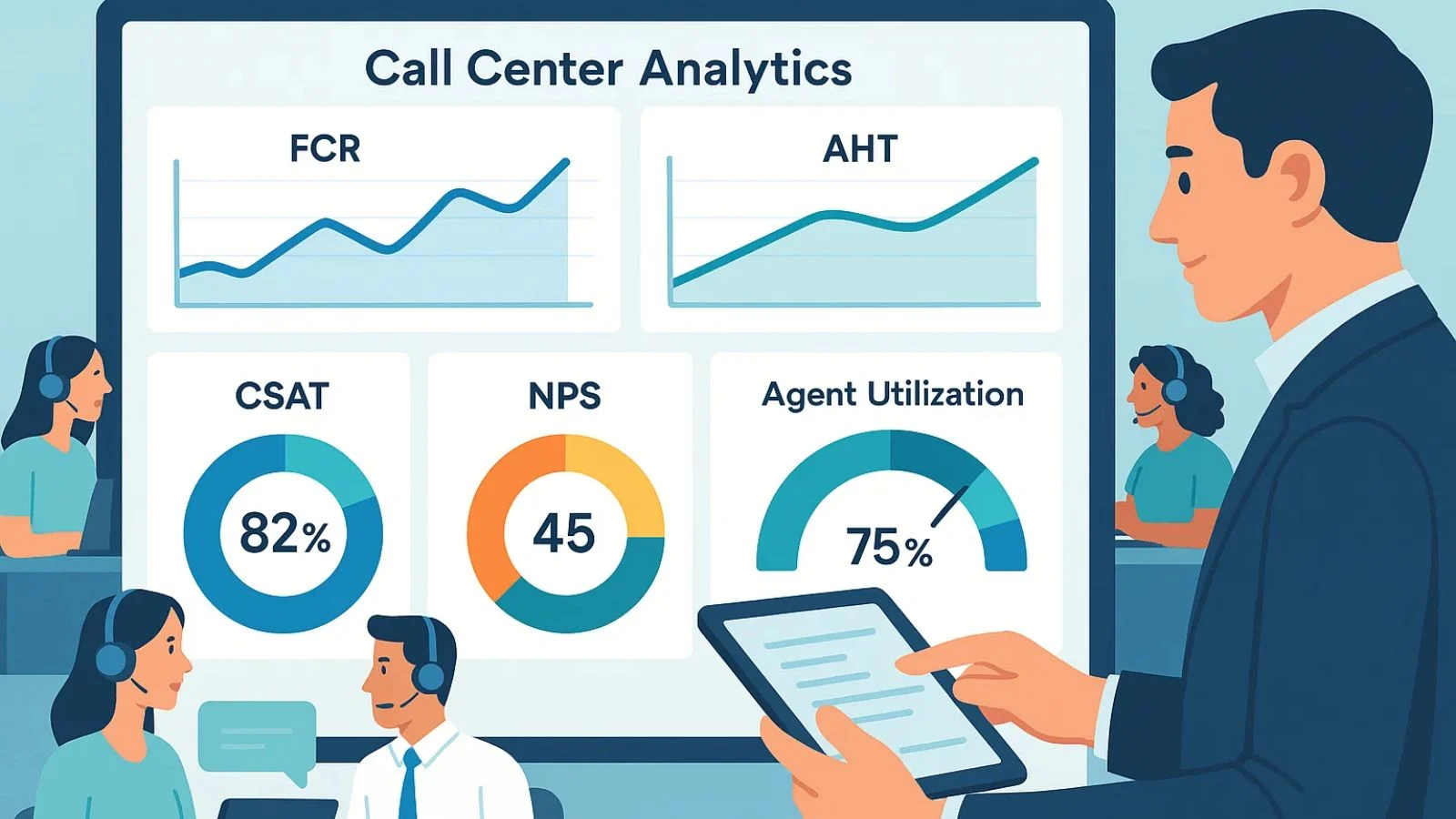
Tracking the right performance indicators is essential for making data-driven decisions. Some of the most important KPIs include:
- First Call Resolution (FCR): Measures how often customer issues are resolved on the first attempt without follow-ups.
- Average Handling Time (AHT): Tracks the average time agents spend on each call, balancing efficiency with quality.
- Customer Satisfaction Score (CSAT): Captures customer feedback on how satisfied they are with the service received.
- Net Promoter Score (NPS): Indicates customer loyalty by measuring the likelihood of recommending the brand to others.
- Agent Utilization Rate: Monitors how effectively agents use their working hours, ensuring productivity without burnout.
Focusing on these KPIs helps managers identify strengths, fix inefficiencies, and continuously enhance the customer experience.
Role of Customer Feedback in Quality Monitoring
While internal monitoring provides valuable insights, customer feedback gives the most authentic perspective. Post-call surveys, review forms, and ratings allow businesses to hear directly from the people who matter most—the customers.
By integrating this feedback into quality monitoring programs, managers can:
- Pinpoint recurring pain points in the customer journey.
- Validate whether internal evaluations align with actual customer perceptions.
- Adjust coaching and training to better meet customer expectations.
Ultimately, using customer feedback ensures that call center improvements are not just operationally effective but also customer-centric.
Future Trends in Call Center Quality Monitoring
The future of call center quality monitoring is being shaped by technology and evolving customer expectations. Some key trends include:
- AI-Powered Sentiment Analysis: Automatically detects tone, mood, and intent during interactions to assess quality at scale.
- Predictive Analytics: Uses historical data to forecast customer needs and improve agent preparedness.
- Chatbot and Self-Service Integration: Reduces agent workload while maintaining monitoring standards across channels.
- Cloud-Based Monitoring: Enables remote and hybrid teams to stay connected and maintain consistent quality.
Staying ahead of these trends will allow businesses to modernize their call centers and remain competitive in the digital era.
Case Example: Improving Service Quality with Monitoring
Consider a mid-sized e-commerce company struggling with high call volumes and inconsistent customer experiences. By implementing quality monitoring software, the company was able to:
- Track KPIs like FCR and CSAT more effectively.
- Provide real-time feedback to agents and close training gaps.
- Use analytics to identify recurring delivery-related complaints and resolve them proactively.
Within six months, the company saw a 20% increase in customer satisfaction scores and a 15% reduction in average handling time, proving how effective quality monitoring can transform both customer experience and operational efficiency.
Common Challenges in Call Center Quality Monitoring
Implementing call center quality monitoring presents its own challenges. Many organizations struggle with high call volumes, inconsistent evaluation criteria, and agent resistance. When managers are overloaded, monitoring every interaction can feel overwhelming, leading to missed insights and inconsistent assessments.
Another challenge is defining clear and measurable metrics. Without standardized evaluation criteria, one manager might rate calls differently from another, creating confusion and frustration among agents. Resistance from agents is also common, as some may feel monitored calls are intrusive or punitive rather than supportive.
To overcome these challenges, businesses should implement a standardized QA framework and use reliable call center quality monitoring software. Automation can reduce manual workloads by flagging low-quality interactions and generating performance reports. Clear communication about the purpose of monitoring, emphasizing coaching and improvement rather than punishment, helps build trust with agents.
By addressing these obstacles, companies can establish a smoother and more effective monitoring process that enhances service quality, improves agent performance, and ensures a positive customer experience.
Conclusion
Effective call center quality monitoring is more than just evaluating calls; it’s a strategic approach to improving customer experience, boosting agent performance, and optimizing overall operations. By implementing the 13 best practices outlined in this guide, managers can ensure consistent service quality, identify areas for improvement, and foster a culture of continuous learning within their teams.
Leveraging advanced tools like Empmonitor makes the process easier and more efficient, offering features such as real-time monitoring, screen recording, performance analytics, and productivity tracking. These tools not only streamline monitoring but also provide actionable insights that help drive long-term success.
Investing in a robust call center quality monitoring system ensures your business delivers high-quality service consistently, keeps customers satisfied, and empowers agents to perform at their best.
Also read,
Monitoring Internet Activity Across Remote and Hybrid Teams: A Complete Guide
FAQs:
- What is the best call center quality monitoring software?
The best tools combine call monitoring, screen recording, performance analytics, and real-time feedback. Empmonitor is an excellent example, offering all these features in one platform. - How often should call center quality monitoring be done?
Monitoring should be continuous, with regular reviews weekly or monthly. Real-time feedback on specific calls is also recommended to address issues promptly. - Can call center screen recording software improve agent performance?
Yes. Screen recording helps managers observe workflows, identify errors, and provide targeted coaching, which significantly improves agent productivity and service quality.