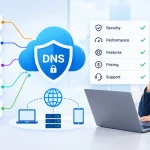

Third-party vendors often require privileged access to internal applications, servers, cloud environments, and critical systems. However, traditional methods such as shared accounts, VPNs, and weak multi-factor authentication create significant security risks.
Organizations can significantly reduce third-party risk by combining Privileged Access Management (PAM), phishing-resistant authentication, least-privilege principles, and continuous monitoring.
Why Third-Party Vendor Access Is a Growing Security Risk
Supply chain attacks have become one of the most common causes of security breaches. Instead of targeting well-protected organizations directly, attackers often exploit weaker vendor accounts to gain access. Shared logins, permanent credentials, and email-based access approvals make these accounts easy targets.
Many vendor accounts also remain active long after a project ends. A contractor account created for a short-term engagement can stay enabled for years without review, creating unnecessary security risks and expanding the attack surface.
The challenge is greater because vendors operate outside an organization’s standard identity governance. They may use personal devices, unmanaged networks, or subcontractors, while traditional VPNs often grant broad network access instead of limiting access to specific resources. Vendor Privileged Access Management solution addresses this by replacing unrestricted network access with secure, purpose-specific access controls.
Best Practices to Secure Privileged Access for Third-Party Vendors
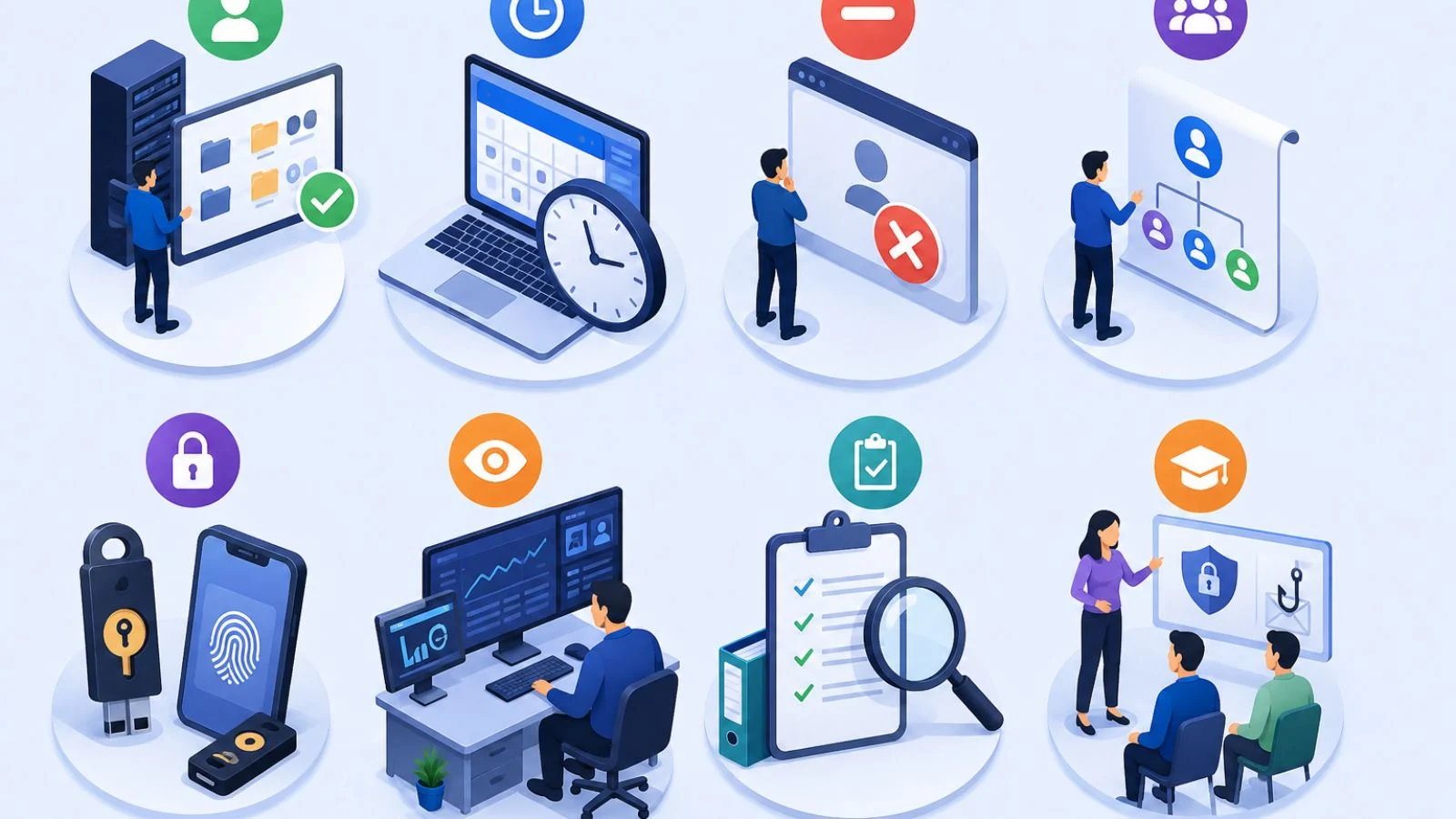
1. Enforce Least Privilege Access
Vendors should only be able to reach the specific systems, applications, or data required for their task, nothing more. Broad access “just in case” is one of the most common ways vendor risk quietly expands over time.
2. Implement Just-In-Time (JIT) Access
Instead of provisioning access that sits active indefinitely, JIT access grants a vendor entry for a defined window tied to the actual work being performed. Once that window closes, the access closes with it.
3. Remove Standing Privileges
Permanent, always-on credentials are a liability even when they aren’t actively misused, since they represent an open door that attackers can find at any time. Converting standing privileges into temporary, request-based access removes that exposure.
4. Use Role-Based Access Controls (RBAC)
Mapping vendor access to clearly defined roles keeps permissions consistent and auditable. It also makes it far easier to spot when someone has more access than their role actually requires.
5. Phishing-Resistant MFA
Traditional MFA methods like SMS codes or push notifications can still be bypassed through social engineering. Phishing-resistant MFA methods, such as FIDO2 keys or passkeys, remove that weak point entirely for vendor logins.
6. Continuously Monitor Vendor Sessions
Access decisions made at login aren’t enough on their own. Live session monitoring lets security teams see what a vendor is actually doing once they’re inside a system, and flag unusual behavior as it happens rather than after the fact.
7. Conduct Regular Access Audits
Vendor relationships change, projects end, and permissions that made sense six months ago often don’t anymore. Periodic audits catch the accounts and entitlements that should have been revoked but weren’t.
9. Provide Security Training for Users
Vendors and internal teams managing vendor relationships both benefit from clear guidance on credential handling, phishing awareness, and reporting suspicious activity. A well-configured system still depends on the people using it.
Also Read
Your Remote Team Has Forty IP Addresses. Your Access Policy Assumes One
Access Management: Why Is It So Important | 09 Benefits Of IAM
How PAM Helps Secure Third-Party Vendor Access
PAM acts as a controlled gateway that grants vendors access only when needed, to only the resources required, while continuously monitoring all privileged activity. Rather than handing out standing credentials, a Modern PAM Platform centralizes vendor access under one system, so security teams aren’t tracking permissions across scattered spreadsheets or ad hoc VPN configurations.
Centralized vendor access control gives teams a single place to approve, adjust, or revoke access as vendor relationships evolve. Credential vaulting and password elimination remove the need for vendors to ever see or store actual passwords, which cuts off one of the most common ways credentials leak. Granular access controls make sure permissions map precisely to what a vendor’s task requires, down to specific systems or actions rather than blanket network access.
Real-time session monitoring and recording give security teams visibility into what happens during a privileged session, not just whether one was authorized. And vendor activity auditing turns that visibility into structured records, which matters as much for compliance and audit benefits as it does for day-to-day security. When a regulator or auditor asks who accessed what and when, the answer already exists rather than needing to be reconstructed after the fact.
Final Thoughts
Vendor access isn’t going away, and neither is the risk that comes with it. What changes the equation is moving away from standing, broad-access credentials and toward a model built on least privilege, time-bound access, and continuous visibility. Organizations that combine PAM with phishing-resistant authentication and regular access reviews put themselves in a far stronger position to catch problems before they become breaches, rather than after.
FAQs
What is vendor privileged access management?
Vendor Privileged Access Management (VPAM) is the practice of controlling, monitoring, and securing privileged access granted to third-party vendors, contractors, and external partners.
Why is PAM important for third-party vendors?
PAM helps eliminate shared credentials, enforce least privilege, monitor sessions, and reduce the risk of unauthorized access from external users.
What are the best practices for securing vendor access?
Organizations should implement PAM, phishing-resistant MFA, JIT access, least privilege controls, session monitoring, and regular access reviews.
Can PAM replace a VPN for vendor access?
Modern PAM solutions like miniOrange can provide secure browser-based access that reduces or eliminates the need for traditional VPN connections.
What is Just-In-Time access for vendors?
JIT access grants vendors temporary privileged access only when needed and automatically revokes permissions after the approved time period ends.