Businesses increasingly rely on virtual assistants to streamline operations, reduce costs, and scale effectively. Offshore talent provides flexibility, access to global skills, and operational efficiency. However, managing remote teams comes with unique challenges. Without proper systems and strategies, even highly skilled virtual assistants may underperform or lack alignment with business goals.
Effective management of offshore teams requires a structured approach to offshore VA management, ensuring productivity, accountability, and seamless integration with in-house teams. This blueprint outlines how businesses can optimize their remote workforce for maximum results.
What Are The Key Challenges In Managing Virtual Assistants?
Managing virtual assistants across different locations and time zones presents several challenges:
- Communication Gaps: Misaligned expectations and lack of real-time interaction can reduce efficiency. Clear channels and structured updates are critical.
- Performance Visibility: Without proper monitoring, managers may struggle to assess productivity or detect bottlenecks in real time.
- Task Prioritization: Distributed teams may struggle with understanding priorities or deadlines without proper workflow integration.
- Time Zone Differences: Coordinating schedules across regions can complicate meetings, project handoffs, and collaboration.
- Security Concerns: Remote access to sensitive data requires secure systems and monitoring to prevent potential risks.
Addressing these challenges ensures that offshore virtual assistants deliver high-quality, reliable support while maintaining engagement and accountability.
How To Hire And Supervise Virtual Assistants Effectively?
Hiring the right offshore talent is the foundation of successful remote team management. To ensure optimal performance and seamless collaboration, follow these enhanced steps:
Define Roles Clearly:
Specify detailed responsibilities, expected outcomes, deadlines, and reporting lines. Clear role definitions prevent task overlap, reduce confusion, and ensure each team member knows exactly what is expected.
Evaluate Skills Thoroughly:
Beyond technical expertise, assess communication skills, problem-solving abilities, adaptability, and cultural fit. Consider conducting live task simulations or trial projects to evaluate real-world performance.
Set Up Structured Onboarding:
Provide comprehensive training covering company policies, workflow processes, communication protocols, and tools usage. Include access to resources, FAQs, and mentors to help new hires ramp up efficiently.
Implement Performance Metrics:
Establish measurable KPIs such as task completion rate, accuracy, responsiveness, and adherence to deadlines. Use data to monitor progress, identify strengths, and address weaknesses proactively.
Maintain Regular Communication:
Schedule frequent check-ins, progress reviews, and feedback sessions. Use video calls, messaging apps, and collaborative tools to maintain engagement, clarify expectations, and foster a sense of inclusion within the remote team.
Following these practices ensures offshore virtual assistants are productive from day one, aligned with business goals, and equipped to contribute effectively while minimizing miscommunication and inefficiency.
How Can Virtual Assistant Productivity Be Maximized?

Maximizing virtual assistant productivity requires a combination of clear processes, accountability, and the right tools.
Key strategies include:
- Structured Task Management: Use project management tools to assign, track, and prioritize tasks clearly.
- Time Tracking: Implement systems that allow visibility into hours spent on tasks and identify idle periods.
- Goal Setting: Define short-term and long-term goals, aligned with team and organizational objectives.
- Regular Feedback: Provide continuous guidance and recognize achievements to keep motivation high.
- Monitor Work Patterns: Analyze performance trends to identify areas of improvement and training needs.
By combining these strategies, businesses can ensure that offshore virtual assistants work efficiently and contribute to organizational growth.
What Are The Best Practices For Remote Team Management?
Effective remote team management is essential for seamless collaboration, accountability, and achieving organizational goals. Implementing structured practices ensures offshore teams remain aligned, motivated, and productive.
Best practices include:
Establish Communication Protocols:
Set up clear channels for real-time collaboration using video calls, messaging platforms, and shared document systems. Define expected response times, reporting formats, and escalation procedures to prevent misunderstandings.
Define Clear KPIs:
Establish measurable performance indicators such as task completion rates, response times, accuracy, and quality of work. Regularly review these metrics to track progress, identify bottlenecks, and recognize high performers.
Encourage Collaboration:
Foster a culture of knowledge sharing by promoting teamwork, providing access to shared resources, and encouraging peer support. Collaboration tools like project management software can enhance visibility and coordination across teams.
Regular Reporting:
Implement daily, weekly, or project-based reporting to maintain transparency. Structured updates allow managers to monitor progress, identify delays early, and provide timely feedback to keep the team on track.
Cultural Sensitivity:
Recognize and respect cultural differences, including communication styles, work ethics, and holidays. Inclusive practices help build trust, improve engagement, and reduce potential conflicts within a distributed team.
By consistently applying these best practices, organizations can maximize virtual assistant productivity, strengthen team cohesion, and ensure that remote teams contribute effectively to overall business objectives.
What Tools Can Enhance Offshore VA Management?
Technology is critical in offshore VA management, providing visibility, accountability, and efficiency. Tools help monitor attendance, track tasks, and measure productivity without micromanagement.
One standout solution is EmpMonitor, a comprehensive employee monitoring and workforce management platform.
How EmpMonitor Supports Virtual Assistant Management?
Effectively managing offshore virtual assistants requires real-time visibility, structured workflows, and actionable insights. EmpMonitor is a comprehensive platform that empowers managers to monitor, track, and optimize their remote workforce efficiently.
Key Features and Benefits:
Time Tracking:
EmpMonitor captures working hours, break times, and active work periods with precision. This allows managers to assess productivity trends, identify peak performance times, and ensure fair workload distribution. Accurate time tracking also helps in evaluating project timelines and billing hours.
Activity Monitoring:
Gain detailed insights into the tasks performed, applications used, and periods of inactivity. This feature helps identify workflow bottlenecks, repetitive tasks, or areas where training may be required, enabling managers to support team members proactively.
Attendance Management:
Track login and logout times, shifts, and leave schedules seamlessly. Automated attendance tracking reduces administrative errors, ensures accountability, and simplifies payroll management for remote teams.
Real-Time Dashboards:
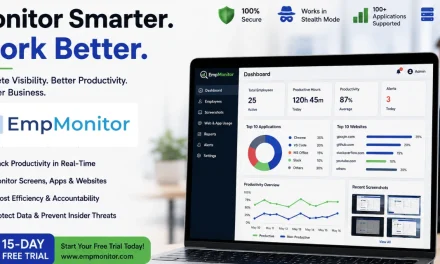
EmpMonitor provides centralized dashboards where managers can monitor performance metrics across all team members instantly. Visual analytics help detect trends, evaluate productivity, and make informed decisions without waiting for manual reports.
Project & Workflow Integration:
Assign tasks, monitor progress, and generate detailed reports within a unified platform. By linking attendance, activity, and project data, managers can ensure that projects stay on schedule, resources are allocated efficiently, and team output aligns with business goals.
By leveraging EmpMonitor, organizations can maintain high team productivity, strengthen compliance, streamline operations, and foster continuous improvement in offshore workforce performance.
This holistic approach ensures that remote teams deliver consistent results while managers retain full operational visibility.
How To Optimize Workflow For Offshore Virtual Assistants?
Optimized workflows reduce redundancies, enhance task clarity, and boost efficiency.
Steps to streamline workflows include:
- Map Existing Processes: Identify bottlenecks, redundancies, and unnecessary steps.
- Standardize Task Protocols: Ensure all team members follow the same processes for consistency.
- Automate Repetitive Tasks: Reduce manual effort in routine operations such as data entry, reporting, or follow-ups.
- Set Clear Accountability: Assign responsibilities for each workflow step to ensure ownership.
A well-structured workflow enables offshore teams to concentrate on high-value tasks while minimizing errors and avoiding delays.
Also Read:
Which Virtual Assistant Duties Save the Most Time?
Top 11 Intelligent Virtual Assistant Software To Optimize Your Business Productivity
How To Maintain Engagement And Motivation In Offshore Teams?

Engagement directly impacts virtual assistant productivity. Motivated employees are more attentive, proactive, and reliable. Managers can enhance engagement by:
- Regular Check-Ins: Weekly or biweekly meetings to review progress and resolve concerns.
- Recognition and Rewards: Celebrating achievements and milestones to boost morale.
- Learning Opportunities: Offering training programs and skill development initiatives.
- Encouraging Feedback: Providing channels for suggestions and insights.
- Team Bonding: Organizing virtual social events or collaborative sessions.
By applying these practices, offshore teams remain motivated, productive, and aligned with organizational goals.
How Can Data-Driven Decisions Improve Offshore VA Management?
Analytics play a vital role in maximizing virtual assistant productivity.
- Performance Analysis: Track completion rates, idle time, and quality metrics to identify improvement areas.
- Forecast Workload: Use data to plan staffing levels and allocate resources efficiently.
- Measure Training Impact: Evaluate whether training improves productivity and reduces errors.
- Optimize Task Assignments: Assign tasks based on individual strengths, workload, and past performance.
Tools like EmpMonitor provide actionable insights, enabling managers to make informed, data-driven decisions that enhance remote team performance.
Common Mistakes To Avoid When Managing Offshore Virtual Assistants
Even experienced managers can make errors that reduce efficiency.
- Lack of Clear Communication: Ambiguity in instructions leads to misunderstandings and delays.
- Over-Micromanagement: Excessive monitoring can reduce trust and engagement.
- Ignoring Time Zone Differences: Failing to plan for overlapping work hours can disrupt collaboration.
- Neglecting Performance Metrics: Without measurable KPIs, it’s difficult to track productivity.
- Inadequate Onboarding: Insufficient training results in mistakes and slower ramp-up times.
Avoiding these mistakes ensures that offshore teams contribute efficiently and effectively to achieving business goals.
Conclusion
Managing offshore virtual assistants effectively requires a structured approach that combines clear communication, workflow optimization, performance monitoring, and engagement strategies. B
By implementing best practices in offshore VA management, tracking virtual assistant productivity, and leveraging tools like EmpMonitor, businesses can achieve high efficiency, consistent output, and strong ROI from remote teams.
A well-managed offshore team not only reduces operational costs but also enhances overall service quality, client satisfaction, and long-term business growth.
FAQs
- What is the ideal team size for managing offshore assistants?
The optimal size depends on task complexity and scope. Smaller teams allow for closer supervision, while larger teams benefit from structured workflows, delegation, and task automation to maintain productivity. - How can I ensure accountability among offshore team members?
Accountability can be ensured by setting clear KPIs, assigning responsibilities for each task, implementing time tracking, and providing regular feedback. Using dashboards to monitor work progress helps maintain transparency. - What tools improve productivity without micromanagement?
Project management platforms, time-tracking software, and performance analytics tools help optimize work, track progress, and identify bottlenecks while fostering trust and independence among team members. - How often should performance reviews be conducted for offshore teams?
Performance reviews should ideally be conducted monthly or quarterly, depending on task volume and business requirements. Regular reviews help identify skill gaps, training needs, and opportunities for growth. - Can hiring offshore virtual assistants reduce operational costs without compromising quality?
Yes. Hiring skilled virtual assistants allows businesses to access global talent at competitive rates while maintaining high-quality output. Combining structured workflows, engagement strategies, and productivity monitoring ensures efficiency and quality.