Three days. That’s usually how long the most valuable evidence survives before it gets overwritten, rotated out, or quietly deleted. I’ve watched teams spend months arguing over a gap in the record that would’ve been closed by one phone call on day two. If a fatal accident touched your workplace or your family, the investigation clock is already running, and the people who build the strongest file are the ones who understand what that file actually needs to contain.
Here’s what I’ll do: explain how an investigator sequences the work, which records carry the most weight, and how the same discipline applies whether you’re an employer, a lawyer, or a family member trying to understand what happened. If the case moves toward civil liability, a denver wrongful death attorney will eventually read everything described here, then re-interview the same witnesses you already spoke with. Your job is to make sure that second read finds order, not contradiction.
I’ve sat through enough post-incident reviews to tell you the pattern is boringly consistent. The cases that hold up are the ones where somebody treated documentation like a discipline, not a chore.
What actually happens in the first week
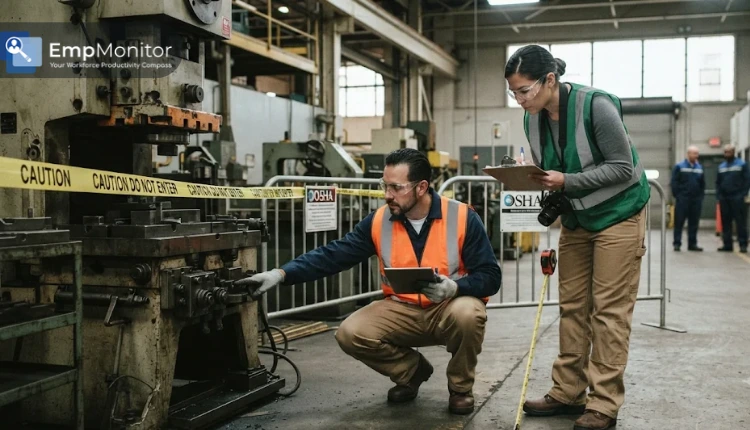
Investigators work outward from the scene, because the scene is the only evidence source that degrades fastest. Photographs, measurements, machine positions, and the positions of any vehicles get captured before cleanup and before the area gets pressed back into service. In a workplace context, the employer typically controls that site, which is why the early handling of it gets scrutinized later.
According to OSHA, employers have reporting obligations tied to work-related fatalities, and those obligations run on a tight clock. That matters less for the paperwork and more for the signal: a documented report establishes a timestamp, and timestamps tell you who knew what and when.
The first week produces four things if it goes well. A preserved scene. A list of every person who was present. The equipment and maintenance records tied to whatever was involved. And a written decision about what the company says publicly, which I’d argue should be almost nothing beyond condolence and a promise to cooperate. Say the minimum. Write it down. Review it before it leaves the building.
Documents that survive scrutiny, and the ones that don’t
Paper beats memory every time, but only certain paper. Here’s where I’d draw the line if I were reviewing a file:
| Document type | Why it matters | Weakness to watch
|
|---|---|---|
| Equipment inspection logs | Shows the condition of the machinery before the event | Gaps or backfilled signatures |
| Training records | Establishes who was cleared to do the task | Generic sign-off sheets with no date |
| Maintenance work orders | Reveals deferred repairs and known defects | Verbal fixes that were never logged |
| Access or badge data | Puts people at a location at a specific minute | Retention windows shorter than you think |
| Witness statements | Captures the account before memory reshapes it | Statements taken in a group setting |
That last row is the one people fumble. A witness interviewed alongside three coworkers will give a version that’s been negotiated in the break room. Separate them, ask open questions first, and record who said what. You’re not hunting for a villain, you’re preventing the drift that makes a good account look rehearsed.
Electronic records deserve their own warning. Semiautomated systems retain data on schedules set by someone who never imagined a fatality. Preserve first, sort later. A preservation letter or hold can freeze the clock, and it costs almost nothing compared with losing the one dataset that resolves the dispute.
The interview technique that separates accounts from stories
Good investigators follow a loose sequence, and it works in a warehouse, a construction site, or a hospital loading dock.
- Free recall first. Ask the person to describe what happened, start to finish, without interruption. Resist filling the silence.
- Then drill in. What did you see, hear, smell. Where were your hands. What did you check before you started the task.
- Cross-check against the physical record. A witness says the guard was in place. The maintenance log says otherwise. That gap is the case.
- Document the interview itself. Time, place, who was present, whether it was recorded. The recording rules vary by state, so confirm before you switch anything on.
- Re-interview after two weeks. The second version is where consistency shows up, and it’s where the other side will look for contradiction.
One more thing. Ask about the ordinary. Fatigue, a schedule change, someone covering a shift they didn’t normally work. The National Institute for Occupational Safety and Health, part of the CDC, has spent decades documenting how routine operational pressures shape incidents, and the research consistently points back to systems rather than individual recklessness. If your investigation closes with “one person made a mistake,” it’s probably unfinished.
Where the file gets tested, and how to prepare for it
Eventually, someone with an opposing interest reads the whole thing. They’re not looking for the story you wrote. They’re looking for the seam: the interview that contradicts the log, the training sheet with a signature dated the day after the accident, the gap between what the company policy says and what the floor actually does.
So prepare it like that. Build a single master timeline and put every item on it, including the boring arrivals and departures. Keep an index of who holds which record, because you’ll need to send the same list to counsel and to the insurer without rewriting it twice. Avoid summarizing in place of quoting. If the witness said something sharp and unpleasant, the file should contain it. Editing a narrative to read smoothly is the fastest way to make a truthful record look managed, and once it looks managed, everything in it gets questioned.
If you’re the family, ask one question early. Who is holding the original records, and what’s the retention window. If no one can answer, that’s your first problem, and it’s fixable.
What the report can’t do
A polished investigation file won’t tell anyone how to feel, and it won’t resolve the legal questions on its own. What it does is create a fixed point. It gives every later reader, whether an insurer, a regulator, or a courtroom, the same starting facts. In my experience, the families and employers who suffer least through the long process are the ones who treated that file as a public record from day one, written for a stranger who will read it two years later with no context and no sympathy.
The clock started already. Which record in your organization would be hardest to reconstruct from memory if it disappeared tomorrow, and why hasn’t anyone pulled it yet?