
Internal email communication can signal, or rather create, distance from your employees. Signals can be missed emails, unanswered emails, or emails we forget to answer. Emails can create or signal a communication vacuum. For intrapreneurial ventures utilizing tools such as an email templates builder, internal emails can be redesigned. Email communication can reconnect employees, re-engage them, or stimulate them into a new state of participation. At a minimum, emails can show management that they actually care. Some of the benefits from long-term email campaigns include a general state of increased positivity, employee care, heightened internal culture, and increased participation from the internal teams. Campaign emails can demand focus and stimulate participation.
Why Employees Do Not Respond To Internal Email Communication?
Disconnection from internal communication often begins with disengagement and a gradual loss of attentiveness. Employees may start losing interest in messages, announcements, and updates, which eventually leads to ignoring emails altogether. In the context of email communication, this behavior is rarely intentional or sudden; it usually develops slowly and often goes unnoticed until engagement has significantly declined. Over time, this detachment can even turn into a sense of indifference.
A targeted reactivation email is a straightforward way to reopen communication channels without having to allocate blame. Instead of sending employees a reminder that plans have been neglected, a well-thought-out reactivation strategy acknowledges disengagement, offering a plan. Organizations that use reactivation strategies know that internal communication strategies are marketing just like external communication strategies. When the internal communication strategy is used, the reactivation email strategies will reconnect employees before the disconnection becomes permanent.
Why Employees Stop Engaging With Internal Emails?
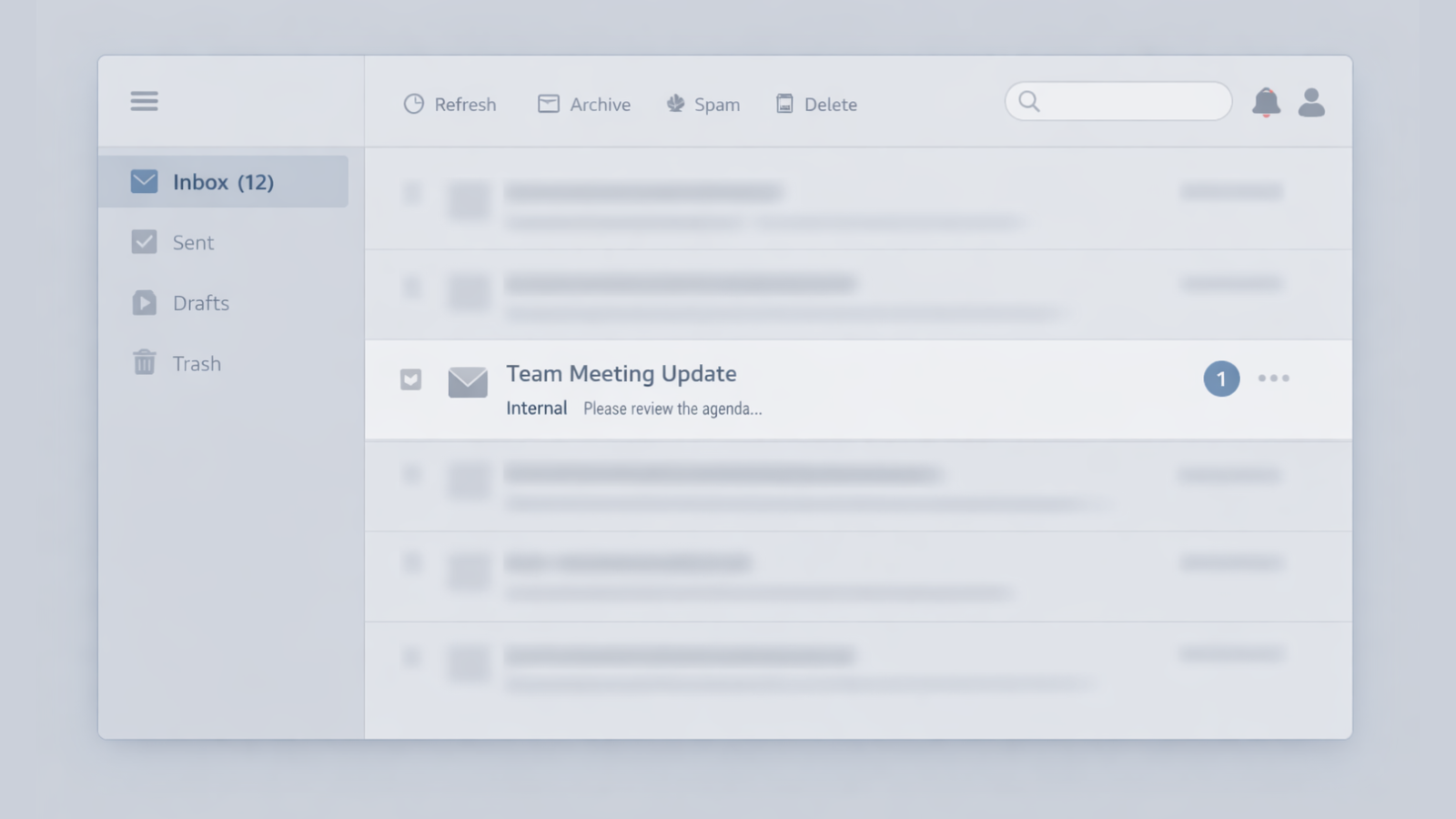
Employees disengage with internal email communication that is one-sided, repetitive, inconsistent, irrelevant, and lacking clarity. When communication becomes one-sided, employees mentally withdraw. A single reactivation message can interrupt this mental pattern, whereas a reactivation strategy consisting of multiple tiers aims to address this void and a few others. The absence of a disengagement strategy in place means that employees are likely to continue disengaging, just as they have been.
Why Reactivation Campaigns Matter in the Workplace?
Employee disengagement when it comes to internal email communication is likely to result in disengagement with important aspects of the organization, such as the goals, structure, and culture. A single well-structured reactivation strategy can prove to be the best way for an organization to gain clarity and close the circle of attention. The best way to describe the difference between reactivation email strategies and bulk email strategies is that they are focused and planned.
An employee reactivation email that shows employees how important their focus is restructures how a company communicates into a two-way dialogue rather than a monologue. Companies that implement internal reactivation campaigns report an increase in participation for collective activities such as surveys, meetings, and initiatives. With time, consistent reactivation emails decrease information fatigue and increase internal trust messaging.
Essential Features of a Quality Internal Reactivation Email
- Subject lines that are concise and considerate of the reactivation email recipients
- Personal touches so that the email feels as though it is specific to the recipient
- Transparency so that the recipient understands the reason for the email and why it is important
- An email that has a purpose that aligns with the objectives of the reactivation campaign
- Simple calls to action that encourage recipients to do something
- A positive and consistent tone to strengthen the purpose of the email
When all of these elements are lacking, reactivation emails fail to support effective email communication and become little more than background noise.
Steps to create an Internal Reactivation Campaign
- Identify employees who do not respond to internal emails.
- Define the goal of your reactivation campaign.
- Group employees by job, department, or level of engagement.
- Create email reactivation templates for the different groups.
- Determine the campaign timeline and the intervals when emails will be sent.
- Monitor engagement levels and modify messages as necessary.
- Integrate employees who have re-engaged into your regular communication cadence.
This method makes reactivation campaigns scalable, measurable, and respectful.
Rebuilding Trust and Attention Through Messaging
Tone and Language in Reactivation Emails
The tone of a reactivation email is critical; it can either be welcomed or ignored. Internal communications should never feel blunt or heavy. Reactivation email campaigns should be value-driven and mindful of the fact that employees already manage busy workflows. When employees clearly understand the purpose of a campaign, it removes any corrective connotation and reframes the message as a collaborative effort within effective email communication.
A positive supportive tone places leadership in the role of partners, rather than as distant authority figures. This makes the tone more supportive rather than authoritative. This makes the tone positive as opposed to simply authoritative. Over time, this positive tone improves the overall communication value as well, increasing the effect of future reactivation campaigns and improving the communication culture overall.
Relevance Over Volume
When it comes to emails sent, volume is not the goal; the value of each message matters far more. Poor communication is rarely intentional, but it often results from unfocused messaging. A successful reactivation campaign does the opposite by prioritizing value over the quantity or frequency of emails. Strengthening email communication through purposeful, value-driven messages increases employee attention and improves overall engagement.
The Effect of Timing, Frequency, and Consistency

Timing is perhaps the most important factor in all internal communications. Sending a reactivation email during busy periods will render the email ineffective, and in fact, the campaign can lessen the overall value of email communication. Similarly, the most successful reactivation campaigns rely on short, well-timed sequences rather than one-off messages.
Repeated use of the same communications creates a pattern of communication that improves employee trust in the communications. Excessive email campaigns can lead to employee disengagement, and poor timing or ineffective strategies can exacerbate this issue.
Personalization, as well as Automation in Internal Reactivation
Further personalization enhances internal reactivation campaigns, particularly when emails are tailored to reference team updates or role changes. Automation helps organizations personalize reactivation emails at scale.
For example, if an employee has skipped a few updates, a reactivation email automatically gets sent to prompt reconnection. Automated reactivation campaigns are more efficient, consistent, and reduce manual efforts.
Ethical Communication and Employees
Internal reactivation emails need to maintain employees’ privacy, and the reactivation email must remain within the bounds of the recipient’s comfort. Employees should clearly understand why a reactivation email appears in their inbox and how their engagement supports team alignment and workflow improvement. Transparent email communication builds trust in reactivation campaigns and keeps them ethical rather than intrusive.
How To Measure The Impact Of Reactivation?

Metrics to determine the success of reactivation campaigns should include email participation, engagement, and open rates. Strong reactivation campaigns improve interactions across all internal channels and strengthen overall email communication. Continual measurement helps refine future reactivation emails and improve their effectiveness.
Measuring qualitative data is also important. If employees notice improvements in how information is shared and understood, reactivation campaigns are working. A sign of a more mature communication ecosystem is when fewer reactivation emails are needed to maintain engagement.
Stopping Employee Disengagement
Re-engagement starts with employees responding to reactivation emails. After that, organizations need to focus on improving their internal communication. To maintain employee engagement, clear communication and a relevant message are the keys.
Post-reactivation strategies are important because, without them, an effective reactivation campaign will lose its impact. Sustainable communication minimizes the need to repeatedly conduct reactivation campaigns while reinforcing organizational alignment.
Conclusion
Inactive employees are not disengaged out of pent-up frustration; they are often overwhelmed, unheard, or disconnected. Reinvented internal communication, combined with thoughtfully planned reactivation emails, can help reestablish dialogue and rebuild trust. When supported by clear and empathetic email communication, these efforts become more effective and meaningful.
A reactivation campaign offers organizations a way to re-engage employees without applying outside pressure. With a well-planned strategy and a respectful approach to reactivation emails, internal communication can evolve into a powerful tool for alignment rather than noise. Over time, this approach strengthens organizational culture, productivity, and employee satisfaction.