Work has changed. Offices are no longer the only place where productivity happens. Teams work from home, cafés, co-working spaces, and sometimes even from different countries. In this new setup, companies still need visibility, and that is where privacy first monitoring becomes essential. Organizations must understand performance, security risks, and workflow efficiency while still respecting professional boundaries.
The idea behind this approach is simple: collect only what you truly need, explain it clearly, and never make employees feel watched or mistrusted. Businesses can gather insights without crossing ethical lines. Monitoring does not have to feel invasive. It can feel fair, structured, and supportive.
This blog explores how organizations can implement privacy first monitoring effectively without being “creepy,” while still maintaining productivity and accountability.
Listen To The Podcast Now!
Why Monitoring Feels “Creepy” In The First Place?
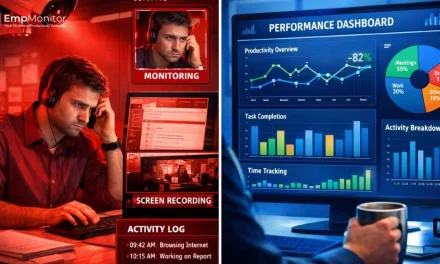
Most employees do not reject oversight. They reject hidden surveillance.
Monitoring becomes uncomfortable when:
- Employees do not know what is being tracked
- Personal information gets collected without clarity
- There is no written employee policy
- Data gets used for punishment instead of improvement
When companies fail to communicate openly, even necessary monitoring tools can damage trust. That is why privacy first monitoring focuses on transparency and intention rather than silent observation.
The Foundation Of Privacy-First Monitoring
To truly practice privacy-first monitoring, companies must build a strong foundation rooted in ethics, clarity, and respect for employee privacy. This approach starts with transparent communication, where employees clearly understand what is being monitored and why. It also requires collecting only relevant, work-related data instead of tracking unnecessary personal information.
A clearly documented employee policy plays a critical role in defining expectations, outlining monitoring practices, and protecting both the organization and its workforce. Secure storage practices ensure that collected information remains protected from unauthorized access, while accountability for managers guarantees that monitoring data is used responsibly and fairly.
When these elements work together, monitoring stops feeling like spying and instead becomes a structured method of performance management that supports productivity, compliance, and employee privacy.
Why Is Data Privacy Important In The Modern Workplace?
Modern organizations operate in a digital environment where almost everything leaves a trace. Emails, project updates, logins, and task reports all generate information. But collecting information does not mean collecting everything.
Strong data privacy practices mean that companies:
- Collect only work-related metrics
- Avoid personal communications
- Protect employee records with secure systems
- Limit access to authorized personnel
When companies commit to privacy first monitoring, they automatically reduce unnecessary data exposure. This builds confidence among team members.
Also Read:
Employee Privacy vs. Employee Productivity: How Employee Monitoring Software Keeps A Balance?
What Is Consent In Data Privacy?
Many people ask, what is consent in data privacy? Consent means that employees clearly understand what data the company collects, why it collects it, and how it will use it. It should never be hidden in complicated legal terms.
Consent must be:
- Informed
- Freely given
- Documented
- Easy to withdraw if policies change
When organizations apply privacy first monitoring principles, they explain monitoring during onboarding. They provide written documentation. They give employees the chance to ask questions. This approach removes fear and confusion.
Without consent, monitoring feels secretive. With consent, it feels structured and professional.
How Can Organizations Balance Trust And Accountability In Remote Work?
Remote and hybrid work models demand oversight. However, too much surveillance destroys morale. Zero oversight increases risk.
The solution lies in privacy first monitoring because it balances trust and accountability. Instead of tracking every keystroke, managers can review productivity trends. Instead of recording personal chats, they can analyze task completion rates.
When companies apply this approach correctly, they focus on outcomes rather than control.
Leaders must also set clear performance expectations from the beginning. When goals, deadlines, and responsibilities are well defined, monitoring becomes a support system rather than a policing tool. Employees understand what success looks like, and managers rely on measurable results instead of constant supervision.
How Can Organizations Shift From Surveillance To Insight?
Traditional monitoring systems focused heavily on watching. Screenshots, constant tracking, and silent recordings created anxiety.
Modern privacy first monitoring shifts the focus to insight. The goal is not to watch employees but to understand workflow patterns.
Questions companies should ask:
- Are projects being completed on time?
- Are employees overloaded?
- Are there productivity bottlenecks?
- Are company assets secure?
By concentrating on performance metrics rather than personal behavior, privacy first monitoring feels supportive instead of intrusive.
Also Read:
The Ultimate Guide To Employee Data Protection In 2025
How Can Organizations Build A Clear And Transparent Monitoring Policy?
A well-written employee policy protects both the organization and the workforce.
This document should:
Explain what tools the company uses:
Employees should clearly understand which monitoring systems are active and what their purpose is within daily operations.
Define what data gets collected:
The policy must specify whether the company tracks time logs, application usage, attendance, or productivity reports, avoiding vague explanations.
Clarify storage duration:
Organizations should mention how long collected data will be stored and when it will be securely deleted.
Outline security measures:
The policy must explain how the company protects collected information from unauthorized access or misuse.
Describe employee rights:
Employees should know their rights regarding data access, review, and clarification if needed.
Without policy clarity, monitoring appears random. With clear monitoring practices, everything operates under defined guidelines. Companies that ignore documentation often struggle with employee dissatisfaction. Those who adopt structured monitoring create predictable systems.
When companies look for tools that align with privacy first monitoring principles, they need software that supports visibility without unnecessary intrusion. Empmonitor is designed to help organizations manage distributed teams efficiently while maintaining structured oversight.
Instead of promoting blind surveillance, it provides analytical insights into productivity, attendance, and workflow patterns. It supports organizations that want to implement ethical monitoring in a structured and responsible way.
How Empmonitor Supports Privacy-First Monitoring?
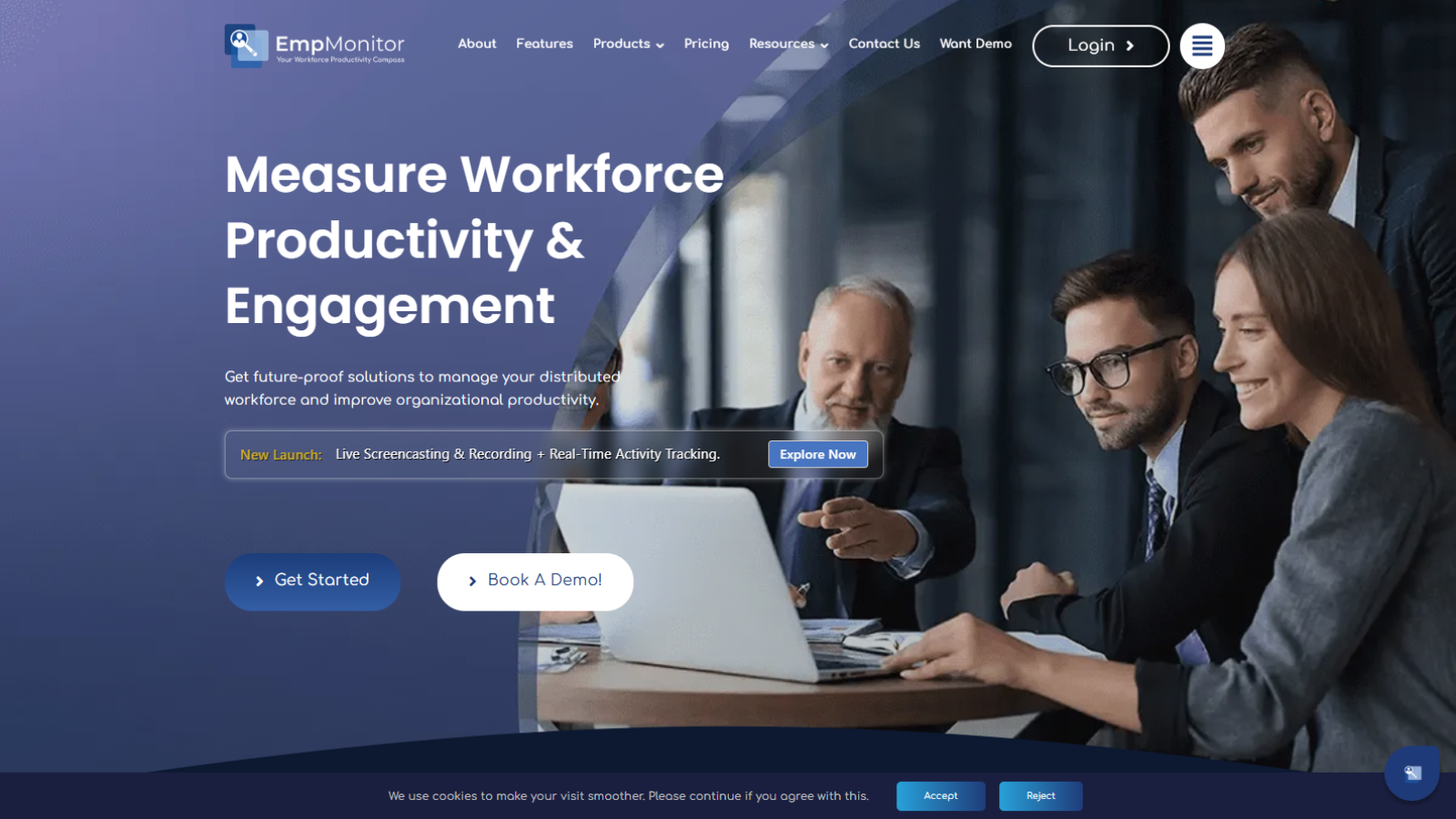
To successfully apply privacy first monitoring, businesses need tools that combine productivity tracking with ethical control. Empmonitor offers features that align with this approach.
1. Employee Monitoring Software:
Empmonitor provides detailed team activity analysis and daily or hourly insights. Managers can review performance trends without micromanaging individuals. This approach focuses on productivity data rather than personal behavior, supporting ethical and transparent monitoring.
2. Time Tracking:
The platform offers automated timesheets and working hour analysis. Managers can identify productive and idle time patterns. Instead of spying, organizations use these monitoring strategies to assess accountability through structured reports.
3. User Activity Monitoring:
Context-rich reporting helps managers understand workflow without invading personal space. By using these strategies, companies can analyze work-related application usage responsibly while maintaining employee trust..
4. Insider Threat Prevention:
Security matters. Empmonitor identifies suspicious or risky activities involving company assets. By using these monitoring strategies, organizations protect sensitive systems while limiting unnecessary exposure of employee information.
5. Attendance Monitoring:
The system simplifies attendance and leave management with centralized dashboards. By integrating attendance tracking responsibly, companies maintain compliance without excessive control.
6. Workforce Productivity & Engagement:
Empmonitor supports performance insights, project tracking, and engagement reporting. When companies use these monitoring tools correctly, they improve efficiency while maintaining transparency.
Why Is Training Managers Essential For Ethical Monitoring?
Monitoring systems often fail not because of technology, but because managers misuse or misunderstand the data. Without proper guidance, even structured systems can create distrust. Ethical oversight depends heavily on leadership behavior and decision-making.
Training should include:
- Interpreting productivity data correctly: Managers must understand what metrics truly indicate performance and avoid overreacting to minor fluctuations in activity.
- Avoiding assumptions based on limited metrics: A short period of inactivity does not always mean disengagement. Leaders should evaluate trends over time instead of judging isolated data points.
- Using data to support employees: Monitoring insights should help identify workload imbalances, burnout risks, or training gaps rather than serve as a punishment tool.
- Protecting confidential information: Managers must handle collected data responsibly and restrict access to sensitive reports to authorized personnel only.
- Communicating findings professionally: If performance discussions are necessary, managers should approach them with clarity and fairness rather than accusation.
With privacy first monitoring, leadership mindset matters more than technology. Ethical systems succeed when managers use data thoughtfully and responsibly.
How Can Organizations Encourage Open Communication Around Monitoring?
Employees feel safer when they understand the purpose behind monitoring. Silence creates suspicion, while clarity builds confidence. When companies openly explain their intentions, monitoring feels structured instead of secretive.
Companies practicing privacy first monitoring should:
Hold Q&A sessions:
Create opportunities where employees can openly ask questions about monitoring tools, data usage, and policies without hesitation.
Share monitoring goals:
Explain why monitoring exists, whether for productivity improvement, security protection, or compliance requirements.
Review policies annually:
Regular policy reviews ensure that monitoring practices stay relevant, fair, and aligned with evolving workplace standards.
Accept constructive feedback:
Encourage employees to share concerns or suggestions so the system can improve over time.
When communication flows both ways, monitoring stops feeling secretive and becomes part of a transparent workplace culture.
The Business Benefits Of Privacy-First Monitoring
When companies adopt privacy first monitoring correctly, they gain:
- Improved productivity visibility
- Reduced insider risk
- Stronger compliance structure
- Higher employee trust
- Lower turnover rates
Trust directly impacts performance. Employees who feel respected contribute more consistently.
The Future Of Workplace Monitoring

Work environments will continue evolving. Remote, hybrid, and global teams are here to stay.
The future belongs to organizations that embrace privacy first monitoring rather than outdated surveillance systems. Ethical oversight strengthens culture and improves operational efficiency.
Companies that ignore privacy concerns will struggle with retention and reputation. Those who commit to ethical monitoring practices will build sustainable growth.
Final Thoughts
Monitoring does not need to feel invasive. It can feel professional, structured, and fair. The difference lies in approach.
By focusing on transparency, consent, structured employee policy, and limited data collection, organizations can practice privacy first monitoring effectively.
When businesses adopt tools like Empmonitor responsibly, they support accountability without crossing boundaries. The goal should never be control. The goal should be clarity.
In a modern workplace, ethical monitoring is not just a strategy. It is a leadership mindset that builds trust while protecting performance.
FAQs
1. What is privacy-first monitoring in the workplace?
It is an ethical approach to tracking productivity and security while respecting employee boundaries, transparency, and consent.
2. How does privacy first monitoring differ from traditional employee surveillance?
Privacy first monitoring focuses on performance insights and limited data collection, whereas traditional surveillance often tracks excessive personal activity without context.
3.Why is employee consent important in workplace monitoring?
Consent ensures employees understand what data is collected, why it is needed, and how it will be used, which builds trust and legal compliance.
4.Can companies monitor productivity without invading personal space?
Yes, organizations can track task completion, time usage, and workflow trends instead of private messages or personal browsing.
5.How does privacy first monitoring improve employee trust?
When companies clearly communicate policies and collect only relevant work data, employees feel respected and more engaged.