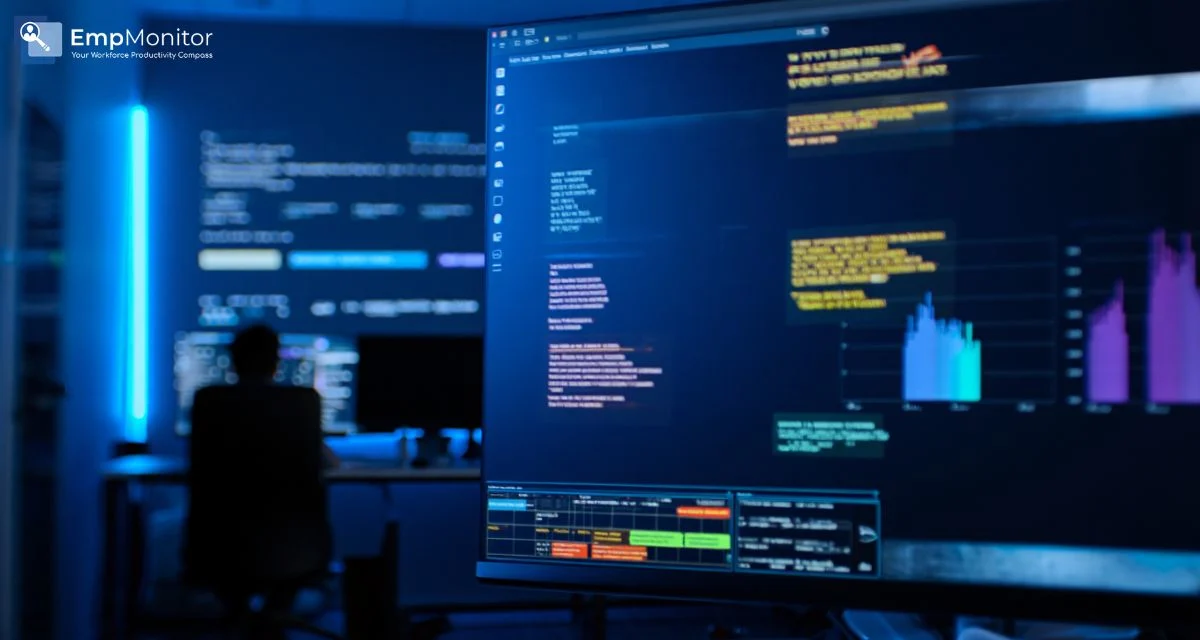
Optical Character Recognition (OCR) technology is revolutionising the way companies monitor, analyze, and manage data. By incorporating OCR into screen monitoring, companies can produce searchable video content that enables immediate audits, making data retrieval faster, more accurate, and more efficient. With the advent of OCR text recognition and intelligent character recognition (ICR), companies can now automate and optimise the process of auditing screen activity, ultimately saving time and increasing accuracy.
You can listen to this Blog here.
Understanding Optical Character Recognition (OCR)
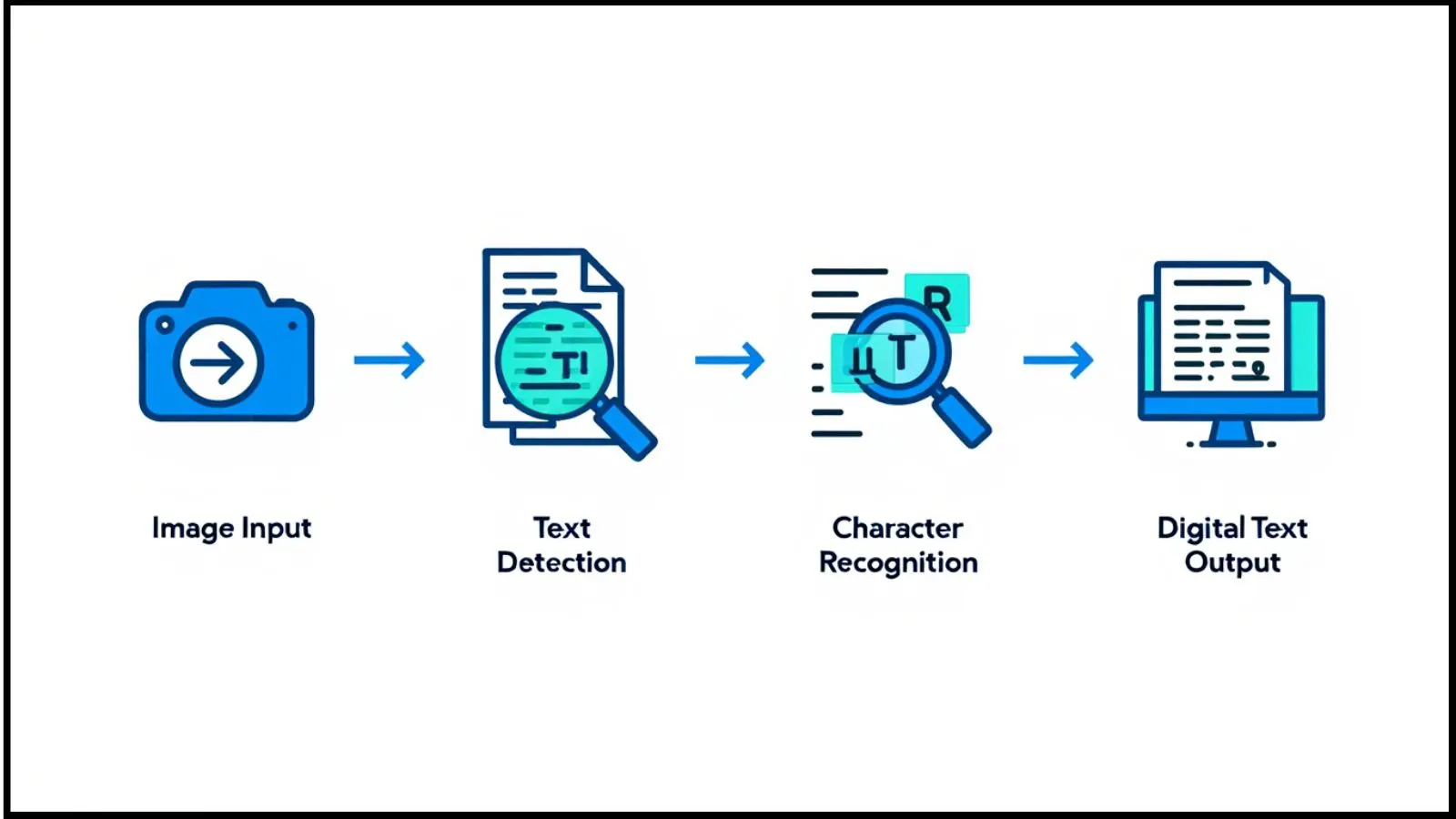
Optical Character Recognition (OCR) is a technology that converts printed or handwritten text into machine-readable data. By scanning images, videos, or documents, OCR enables businesses to extract and digitize text for easy manipulation, analysis, and storage.
When applied to screen monitoring, OCR makes it possible to extract text from live video feeds, screenshots, or screen recordings. This means that businesses can quickly search through screen activity to identify relevant data without manually reviewing hours of footage. OCR allows businesses to stay on top of real-time events and improve the efficiency of audits and compliance checks.
OCR Text Recognition in Action
Text recognition in OCR helps businesses extract and digitize text from on-screen activities. Whether it is in documents, software, or websites, OCR technology is capable of recognizing and extracting any text that is displayed on the screen, making it easy to search and analyze particular data points.
By incorporating OCR technology in screen monitoring software, businesses can make the auditing process completely automated.
For example, video content, such as employee activities, can be searched for particular keywords, phrases, or numbers, making the entire auditing process much simpler. Businesses will no longer have to manually watch hours of video content to analyze data points.
Intelligent Character Recognition (ICR): Enhancing OCR Capabilities
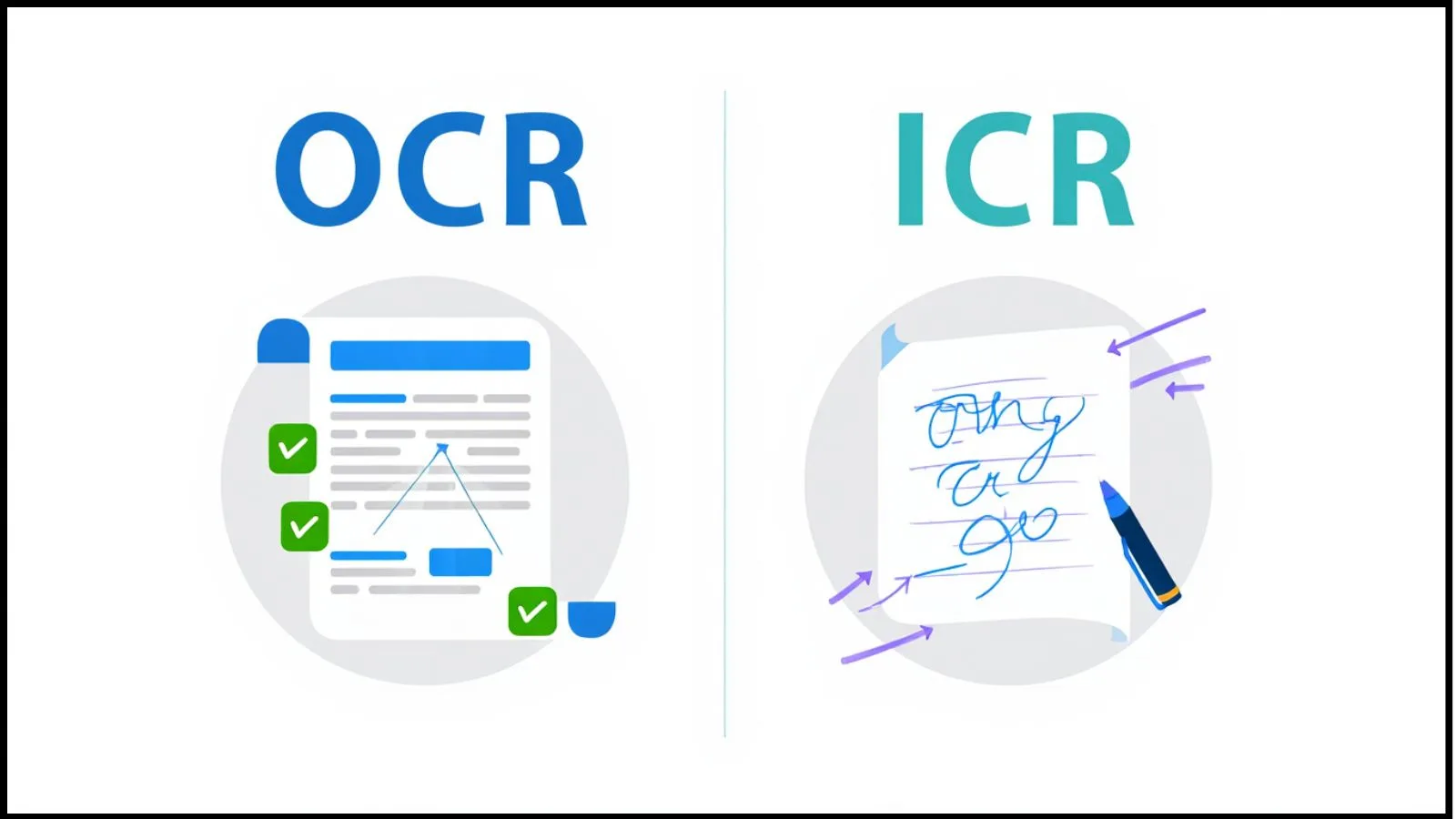
While OCR is effective at recognizing printed text, Intelligent Character Recognition (ICR) takes things further by recognizing handwritten text and various fonts. This capability is especially useful in industries where handwritten forms, notes, and signatures are prevalent.
By integrating ICR with OCR, businesses can ensure that even poorly legible handwriting or unconventional fonts are accurately recognized and digitized. This added layer of flexibility makes OCR screen monitoring an even more powerful tool for businesses seeking to enhance their audit capabilities.
The Role of OCR Screen Monitoring in Instant Audits
OCR screen monitoring plays a vital role in enabling instant audits for businesses. With this technology, organizations can monitor and review activities in real-time, ensuring they can quickly detect discrepancies, non-compliance, or errors as they happen. This is particularly important for industries with strict regulations, such as finance, healthcare, and legal sectors.
For example, by implementing OCR with EmpMonitor, organizations can track and review employee activity, identify potential security threats, or verify compliance without delay. As screen content is captured and converted into searchable text, auditors can immediately find the data they need, conduct reviews, and take corrective actions in a fraction of the time it would take with manual methods.
How OCR Enhances Data-Driven Decision Making
Having real-time access to searchable content on screen can greatly improve decision-making based on data. By incorporating OCR technology into video or screen monitoring systems, businesses can extract large amounts of data in a manner that is easily retrievable. This, in turn, can result in more informed and timely decision-making.
For example, rather than having to wait for employees to give them an overview of what has been happening, OCR technology enables businesses to automatically extract and analyze actions, thus eliminating the possibility of human error and ensuring that decisions are made based on actual data. Whether it is analyzing compliance reports, checking operational procedures, or evaluating employee performance, OCR technology provides a more accurate means of making timely decisions.
Practical Applications of OCR Screen Monitoring
The potential uses of OCR screen monitoring extend across various industries. Here are just a few examples of how OCR technology can be applied to different business sectors:
- Finance: OCR can be used to scan transaction records, audit logs, and financial reports to quickly identify inconsistencies or fraudulent activities.
- Healthcare: By capturing patient data, medical charts, and prescriptions, OCR ensures that healthcare organizations remain compliant with data protection regulations and avoid errors in patient records.
- Education: OCR can help monitor online courses, digital assessments, and materials, making it easier to ensure students are receiving accurate content and following guidelines.
- Customer Support: OCR screen monitoring can be used to track customer service interactions, ensuring that agents are following protocols and providing accurate responses.
Each of these examples demonstrates how OCR can optimize business processes and provide businesses with a powerful tool for efficient and accurate audits.
Integrating OCR with EmpMonitor for Comprehensive Audits
EmpMonitor is a powerful tool that helps businesses monitor employee activities, track performance, and ensure compliance. When combined with OCR screen monitoring, EmpMonitor becomes an even more valuable asset. By capturing screen content and converting it into searchable text, EmpMonitor enhances its audit capabilities, enabling businesses to conduct real-time audits without the need for manual intervention.
With this integration, businesses can track every aspect of their operations and instantly retrieve relevant information, ensuring that all activities are properly documented and analyzed. This makes EmpMonitor an essential tool for organizations looking to streamline their audit process and stay compliant with industry regulations.
Also Read,
Screen Recording Software For Employers: Is It Good Or Bad?
Benefits of Having Computer Screen Monitoring Software for Your Business
Conclusion
OCR screen monitoring offers a revolutionary way for businesses to enhance their audit capabilities, streamline data retrieval, and improve operational efficiency. With OCR text recognition and intelligent character recognition, organizations can instantly search video content and screen activity, enabling real-time audits and data-driven decision-making.
By integrating OCR with tools like EmpMonitor, businesses can take their audit processes to the next level, ensuring that compliance, security, and performance monitoring are more effective than ever. With the ability to automatically capture, index, and search data, OCR technology provides businesses with a powerful solution to handle audits quickly and accurately, saving time and reducing the risk of errors.
As OCR continues to evolve, it will undoubtedly become an even more integral part of the auditing and monitoring landscape, offering limitless potential for businesses in all industries.
FAQ’s
1. What is OCR Screen Monitoring?
OCR Screen Monitoring refers to the use of Optical Character Recognition (OCR) technology to capture and convert text displayed on a screen (whether live or recorded) into machine-readable data. This technology enables businesses to track and analyze on-screen activities in real-time, creating searchable content for audits, compliance checks, and performance analysis.
2. How does OCR text recognition work?
OCR text recognition works by analyzing images, videos, or screenshots and identifying characters within them. The OCR software then converts these characters into digital text that can be indexed and searched. This makes it possible to retrieve relevant data from on-screen activities without having to manually review video footage or documents.
3. What is the difference between OCR and Intelligent Character Recognition (ICR)?
While OCR is designed to recognize printed text, Intelligent Character Recognition (ICR) takes it further by recognizing and converting handwritten text or poorly legible characters. ICR is useful in industries where handwritten forms, signatures, or notes are common, ensuring that even non-standard text can be accurately digitized.