
A productive workday depends on how well employees stay focused on their responsibilities. However, office distractions often interrupt concentration and lower overall efficiency. Every minute lost to casual conversations, constant notifications, or sudden interruptions reduces output and affects team performance. Recognizing what triggers these distractions and applying the right strategies can help employees maintain focus, improve task quality, and strengthen overall workplace productivity.
Hit ‘Play’ Button & Tune Into The Blog!
Understanding Workplace Distractions And Their Impact
Workplace distractions take many forms. Some are external, such as noise, frequent meetings, or chatty coworkers. Others are internal, like stress, fatigue, or lack of motivation. Regardless of the source, office distractions consume valuable time and drain mental energy that could otherwise be used to fuel productivity.
A distracted employee takes longer to complete tasks, makes more errors, and often feels mentally exhausted. Over time, this loss of focus leads to missed deadlines, communication gaps, and reduced teamwork. Studies show that it takes an average of 23 minutes to regain full concentration after a distraction, showing how damaging constant interruptions can be to performance.
Leaders who recognize these patterns can plan better management strategies. By actively addressing workplace distractions, they create an environment that fosters deep focus, increased productivity, and sustained employee engagement.
Major Causes Of Distractions In The Office

Every workplace faces unique challenges, but certain office distractions appear almost everywhere. Understanding these causes helps teams stay organized, attentive, and productive throughout the workday.
1. Constant Notifications
Continuous alerts from emails, chats, and social platforms constantly pull employees away from deep work. Each interruption breaks focus and lowers efficiency. Managing notifications and setting fixed communication times can reduce office distractions and restore a steady workflow.
2. Excessive Meetings
Back-to-back meetings leave employees with limited time for essential tasks. Many of these discussions could easily be replaced with short updates or emails. By eliminating unnecessary meetings, managers reduce distractions in the office and give employees more time for meaningful work.
3. Background Noise
Noise from coworkers, ringing phones, or office equipment can easily disrupt concentration. In open setups, even small sounds break mental flow. Creating quiet spaces or using noise-control tools helps minimize workplace distractions and encourages deeper focus.
4. Poor Work Setup
A cluttered workspace or uncomfortable seating affects both comfort and attention. Poor ergonomics drains energy, while clutter causes visual distractions. Organizing workstations properly ensures employees stay focused and avoid physical fatigue caused by office distractions.
5. Lack of Clear Direction
When goals are unclear, employees struggle to decide which task deserves priority. This confusion often leads to wasted time, rework, and stress. Clear direction eliminates uncertainty, helping teams avoid common office distractions and stay aligned with company objectives.
Each of these office distractions influences performance differently, but together, they can severely affect productivity. Recognizing these causes early allows managers to take action, improve concentration, and create a distraction-free work culture.
Also Read:
How To Get Over Workplace Distractions In 2025?( 5 Proven Ways)
10+ Time Wasters In Your Workplace And How To Avoid Them In 2025
How To Reduce Distractions In The Office Effectively?
Managers often wonder how to reduce distractions in the office without turning the workplace into a strict environment. The best results come from balance. Employees stay productive when they have freedom supported by structure and clarity.
1. Set Clear Priorities
Employees perform better when they know exactly what they must accomplish each day. Defined goals eliminate confusion and help them focus on meaningful tasks. When priorities are clear, office distractions lose their hold, and productivity improves across the team.
2. Design Focus Zones
Quiet zones allow employees to handle deep work without interruption. These dedicated spaces encourage creative thinking and problem-solving. Even in hybrid offices, scheduling focused work hours helps maintain steady output and minimizes workplace distractions.
3. Limit Notifications
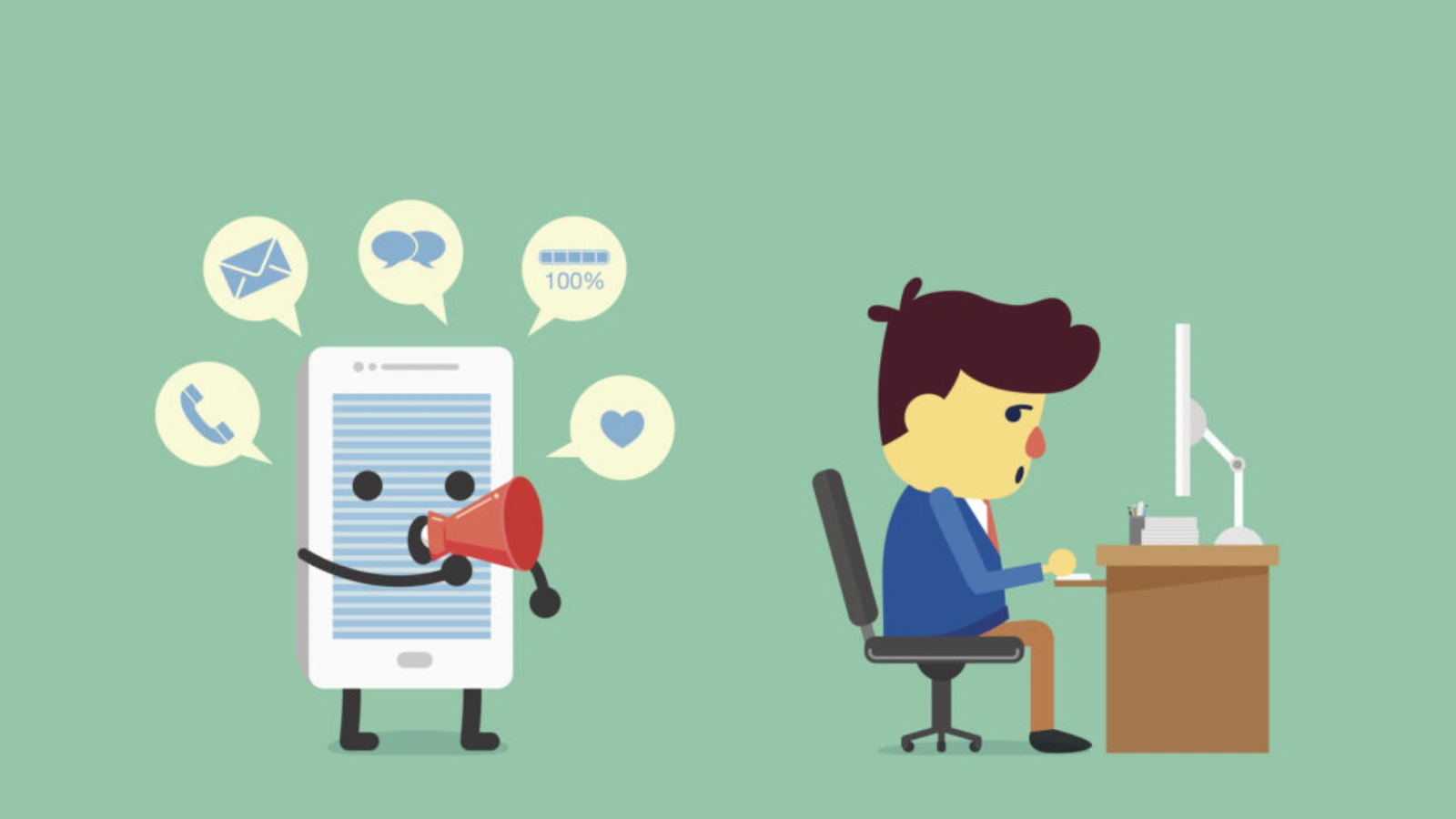
Constant alerts from messages and emails can easily pull attention away from tasks. Setting fixed times for communication helps employees stay focused for longer periods. This simple step can eliminate many distractions in the office and strengthen time discipline.
4. Encourage Short Breaks
Short breaks refresh the brain and restore energy. Instead of pushing through fatigue, a few minutes of rest can reset focus and improve mood. Regular pauses enhance attention, reduce burnout, and sustain consistent performance throughout the day.
5. Use Productivity Tools
Smart productivity tracking software helps employees see where their time goes. It highlights unproductive habits and allows quick corrections. With tools like EmpMonitor, managers gain clear data to improve efficiency while employees develop better focus and accountability.
Small, consistent actions like these can reshape daily routines. When teams learn to manage interruptions instead of reacting to them, engagement rises, and the entire workplace moves toward higher productivity and satisfaction.
Using Technology To Boost Employee Productivity

Modern workplaces depend on smart tools that simplify daily operations and improve efficiency. Managers use productivity tracking software to monitor how employees utilize their time, identify workflow gaps, and make informed decisions that strengthen overall performance.
These tools provide detailed insights into application usage, website visits, and the balance between active and idle hours. When productivity levels drop, managers can quickly identify the reason and take corrective action before it affects team results.
By combining real-time tracking with powerful analytics, organizations boost employee productivity and create an environment focused on accountability and consistent output. Over time, this data-driven approach encourages better work habits, fewer office distractions, and higher-quality performance across the company.
How Empmonitor Helps In Monitoring And Reducing Office Distractions?
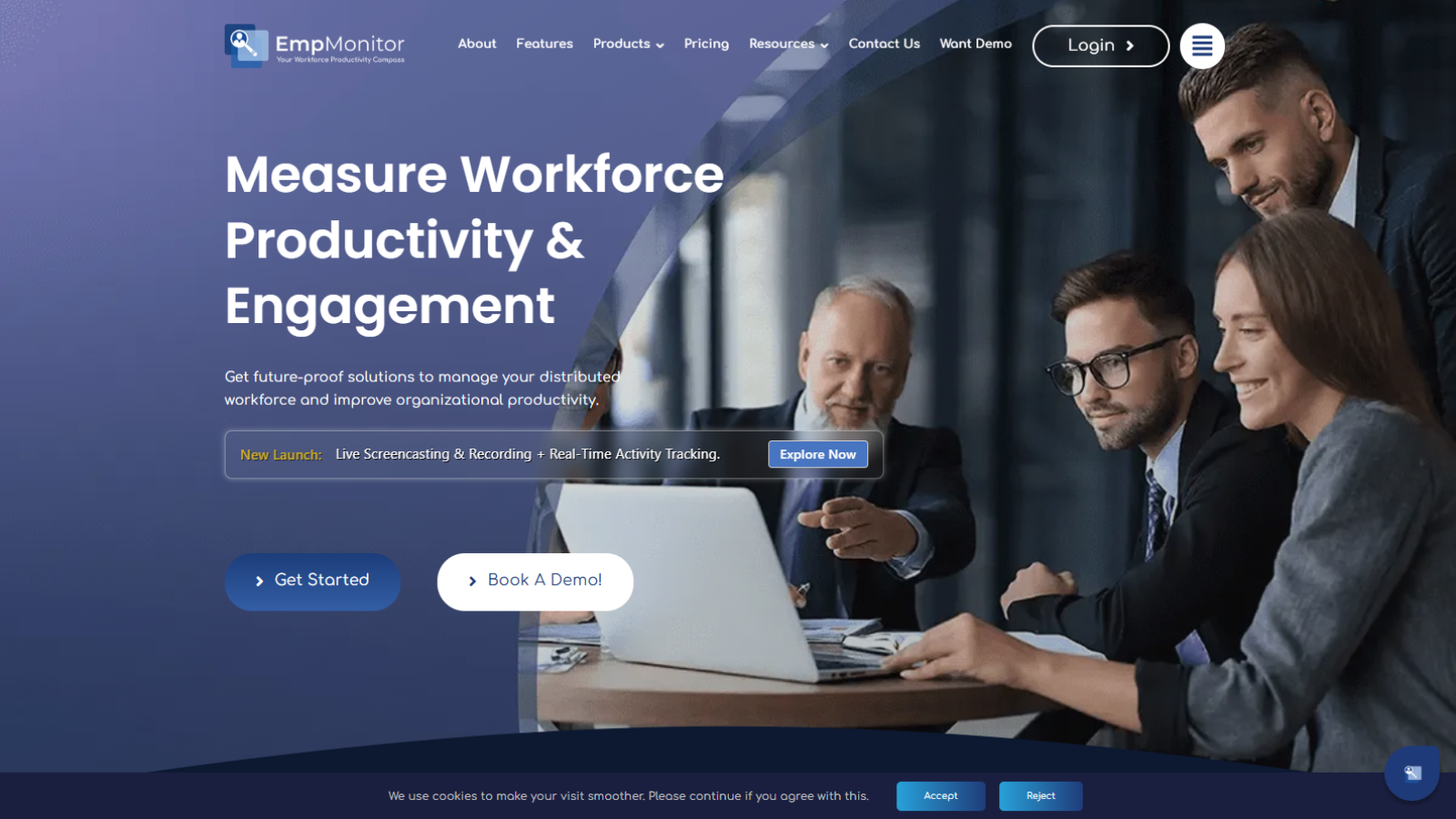
A solution like EmpMonitor gives companies complete visibility over employee activity, helping them reduce office distractions effectively. Its features support both employers and employees in achieving better focus and time management.
Real-Time Activity Tracking and Screen Monitoring
EmpMonitor provides live insights into what employees do during work hours. Managers can see which applications and websites are being used in real-time. This transparency ensures that employees stay aligned with their tasks.
Detecting Idle Hours and Unproductive Work Patterns
Every organization deals with lost time due to idle hours. EmpMonitor identifies these patterns with precision. It helps managers pinpoint when productivity drops, allowing them to take corrective measures immediately.
Insightful Reports to Identify Distractions in the Office
The software generates detailed reports that reveal activity levels, app usage, and time spent on each task. These insights highlight the exact reasons behind workplace distractions. With this data, teams can optimize schedules and cut down on non-work-related activities.
Productivity Tracking Software That Drives Results
EmpMonitor stands out as a powerful productivity tracking software that supports continuous improvement. Its automated timesheets, activity logs, and performance dashboards provide measurable insights into every employee’s contribution. This visibility promotes accountability and consistent output.
Data-Driven Insights to Boost Employee Productivity
The platform offers analytics that help managers identify the best performers and those who may need additional guidance. Real-time data enables leaders to take actions that boost employee productivity while maintaining fairness and motivation across teams.
EmpMonitor’s user-friendly interface makes it easy to use across departments. Whether it’s time tracking, attendance management, or project supervision, the tool simplifies workforce management and improves efficiency.
Practical Strategies To Maintain Focus In The Workplace
Technology helps improve focus, but it cannot fix every challenge on its own. True progress comes from leadership that builds discipline, accountability, and trust. Managers who create a balanced environment make it easier for employees to stay focused and avoid office distractions.
1. Build Accountability
When employees clearly see how their work contributes to company success, they naturally take ownership of their performance. This sense of responsibility reduces procrastination and careless time loss. Accountability keeps them alert, motivated, and focused on priorities rather than distractions.
2. Encourage Team Support
Supportive teams inspire each other to stay attentive and productive. When coworkers respect focus hours and avoid unnecessary chatter, overall efficiency increases. This shared effort creates a workplace where distractions in the office are minimized and teamwork thrives.
3. Set Clear Communication Rules
Constant messages and random calls often cause productivity drops. Setting clear communication hours and channels helps control workplace distractions. When everyone follows structured communication habits, the workflow stays smoother and less chaotic.
4. Recognize Effort
Employees perform better when their focus and dedication are noticed. Simple appreciation or rewards for consistent concentration can motivate others to follow suit. Recognition reinforces positive habits and shows that commitment to focus matters.
5. Integrate Monitoring Tools Wisely
Tools like EmpMonitor support employees without invading privacy. When used thoughtfully, monitoring tools act as guides that promote transparency and self-improvement. They give managers visibility while helping employees identify their own focus patterns and reduce office distractions.
A focused workplace depends on both people and systems. Managers who balance empathy with structure create teams that handle challenges calmly, manage time effectively, and stay on track no matter how many distractions arise.
Measuring The Success Of Distraction Reduction Efforts
Improving focus requires continuous assessment. Managers can measure success through key performance indicators, productivity metrics, and direct employee feedback. Evaluating these factors helps determine whether the applied strategies are truly minimizing office distractions.
Tracking project completion rates, work quality, and time utilization provides a clear picture of how distraction control impacts productivity. Tools like EmpMonitor make this process effortless by generating automated reports that display accurate and measurable progress.
When employees complete tasks faster and maintain higher work quality, it confirms that the strategy to reduce workplace distractions is effective. Over time, this data-driven approach helps build a motivated, well-organized, and high-performing workforce committed to consistent results.
Final Thoughts
Every organization deals with office distractions, but only a few take proactive steps to manage them effectively. Focusing on productivity, accountability, and the right tools can transform an average team into a high-performing one.
EmpMonitor gives companies the edge they need to maintain focus and consistency across departments. By combining technology with a supportive work culture, businesses can eliminate unnecessary interruptions, boost employee productivity, and build a workplace where focus becomes second nature.
Avoiding distractions is not just about control; it’s about empowering people to do their best work every day.
FAQs
Q1. What causes most office distractions?
Ans. Frequent notifications, unnecessary meetings, background noise, and a lack of clear direction are the most common causes of office distractions. These issues reduce employee focus and make it harder to maintain steady productivity levels. When interruptions happen too often, employees lose concentration and take longer to return to their tasks. Over time, these distractions can affect overall performance, communication, and workflow efficiency across teams.
Q2. How to reduce distractions in the office?
Ans. To effectively reduce distractions in the office, managers should set clear priorities, establish quiet zones, minimize unnecessary communication, and use tools like EmpMonitor to track performance and support focused work. Encouraging time-blocking techniques and structured breaks can also help employees maintain concentration. A distraction-free workspace builds discipline and allows teams to work smarter with consistent results.
Q3. Can technology help reduce workplace distractions?
Ans. Yes. Technology plays a vital role in improving concentration. Productivity tracking software such as EmpMonitor provides real-time insights into employee activities, helping managers identify distraction patterns and maintain consistent workflow. These tools also help track website usage and app activity to ensure time is spent on valuable tasks. With proper implementation, technology supports focus without feeling intrusive or restrictive.
Q4. How does EmpMonitor boost employee productivity?
Ans. EmpMonitor tracks active and idle time, captures work trends, and generates detailed productivity reports. These insights help managers optimize workload distribution, reduce idle hours, and boost employee productivity through informed decision-making. The software also identifies unproductive behaviors early, enabling corrective actions before performance declines. By fostering transparency and accountability, EmpMonitor encourages employees to stay motivated and focused.
Q5. Why is reducing distractions important for businesses?
Ans. Reducing workplace distractions helps employees focus better, make fewer mistakes, and complete tasks faster. It improves morale, increases job satisfaction, and directly contributes to long-term business growth and success. Focused employees deliver better quality work, collaborate more effectively, and maintain a positive work environment. Ultimately, fewer distractions mean stronger results and higher team engagement.