High-pressure environments challenge people in ways that extend far beyond tight timelines or growing workloads. Stress pushes individuals to think quickly, respond promptly, and interact with others who may also be operating at their limits.
Consider the example of nurses. The American Nurses Foundation states that around 56% of nurses are experiencing burnout, according to a 2023 survey. Moreover, 64% said that they feel a great deal of stress because of their work.
The situation is similar in the UK, too. The Guardian mentions a study that concluded that 85% of nurses in England showed up for work when ill. Despite having back pain, cold, anxiety, etc., they arrived for work at least once in 2024.
These moments reveal habits that often stay hidden during calmer periods, and they tend to amplify impatience or misunderstandings. Professionals who rely on empathy usually move through these situations with greater steadiness. They read tone more accurately, pay attention to concerns, and respond with a clearer sense of how their choices affect the surrounding atmosphere.
Empathy Shapes Stronger Reactions Under Stress
Empathy encourages people to pay attention to what others might be dealing with, even while tension rises around them. This mindset helps them read situations more accurately and avoid taking comments or hurried decisions personally.
This empathy is required to excel in many professions, such as school counseling. The teenagers that these counselors have to deal with can be very troubled and even arrogant in some cases. According to Walsh University, a master’s in school counseling can help professionals learn the right skills and techniques to handle such scenarios.
Thanks to the advancement in education technology, individuals with a bachelor’s degree can even enroll in an online program. Online master’s in school counseling degrees can help them learn about the foundation of counseling, handle crises in students’ lives, counsel adolescents, and more.
These habits lead to more consistent communication. People who use empathy this way often clarify expectations instead of escalating a situation. They learn to present disagreements calmly, which gives colleagues space to respond without feeling threatened. This approach lowers misunderstandings and improves team coordination during stressful phases.
The Link Between Empathy and Decision-Making
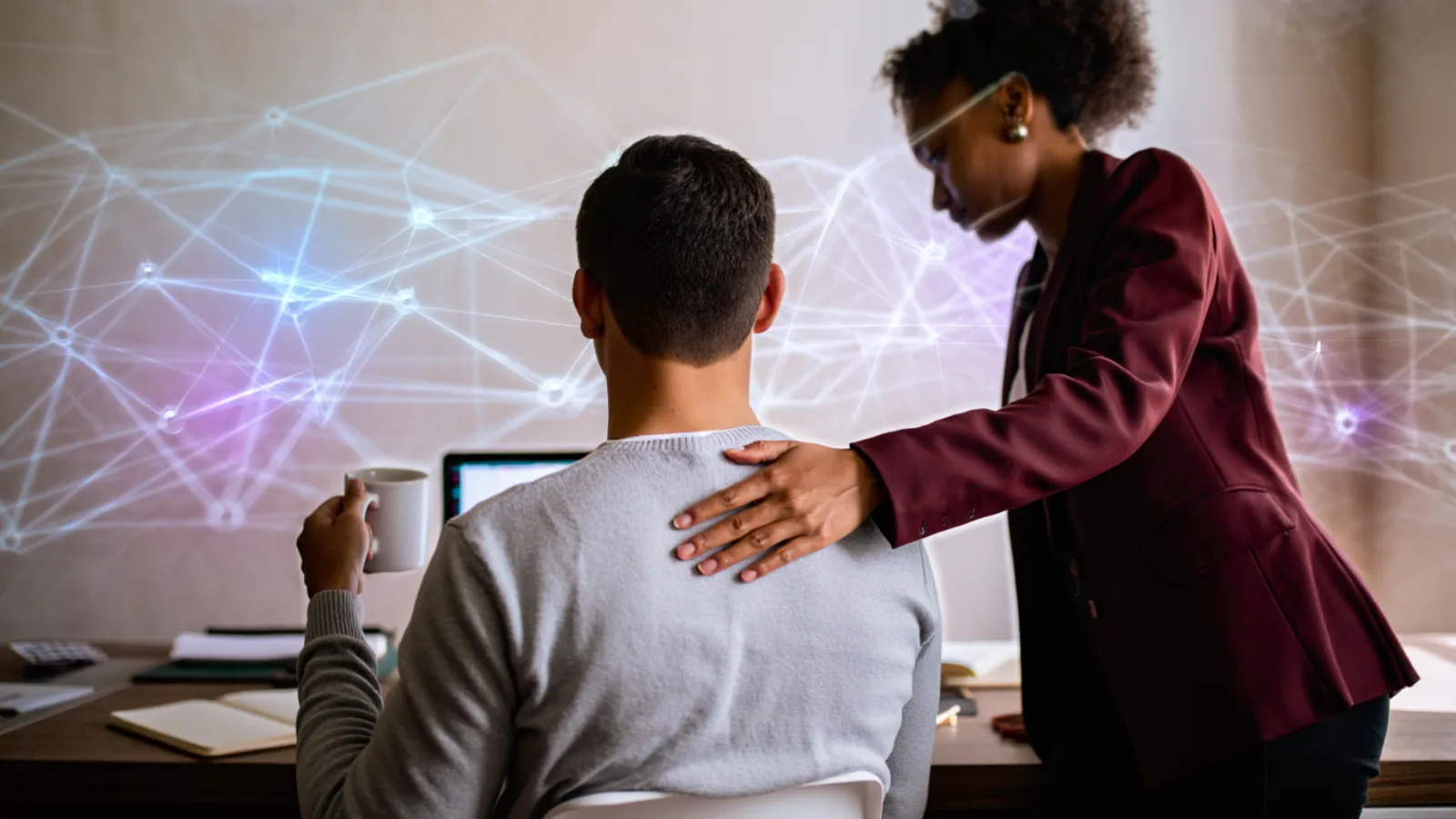
Empathy helps professionals consider the broader human impact of their choices. Decisions made under pressure often move quickly, and stress can narrow someone’s field of view. An empathetic mindset widens that view and encourages people to factor in how others may react or be affected.
A Fortune article notes that empathy is not just feeling someone else’s emotions. It is about understanding their perspective to assess how others interpret the world. Therefore, cognitive empathy is more than just a soft skill that every leader should have. For instance, every message given during a crisis can be scrutinized. During such high-stakes situations, empathy driven messages can influence how people receive them.
Another advantage appears in moments of conflict. Stressful environments frequently spark disagreements, and empathetic professionals tend to address them with curiosity rather than defensiveness. However, The Conversation states that empathy and reasoning are not rivals.
Many critics of empathy argue that it can make someone care too narrowly and focus on individuals. However, the opposite is true. Individuals who work with empathy can reason more without making others frustrated, leading to better outcomes.
Empathy Strengthens Collaboration Across Roles
High-pressure settings often require people with different responsibilities to work side by side, even when their priorities don’t align perfectly. Empathy helps them recognize the pressures others face, which smooths these interactions.
Instead of assuming resistance or disinterest, they understand that colleagues may simply be juggling conflicting demands. This understanding encourages more open exchanges and speeds up teamwork during demanding phases.
This can work both ways, as employees are also looking for workplaces that show empathy. An Ernst & Young survey from 2023 found that 86% of employees believed that empathy can boost their morale. Moreover, for 87% of respondents, it is essential to foster an inclusive environment.
Clear collaboration often depends on how well people anticipate each other’s needs. Empathy supports this instinct by prompting professionals to consider what information or support will help coworkers move forward. The result is a working dynamic where people feel seen and respected, which reduces friction during time-sensitive tasks.
Why Empathy Improves Long-Term Career Momentum?

Empathy supports professional growth because it allows people to build connections that endure beyond individual projects. Colleagues remember how others make them feel during stressful moments, and they tend to value those who remain thoughtful even under pressure. This reputation can open doors to new responsibilities, mentorship opportunities, and leadership paths.
As a McKinsey & Company article notes, many people believe that empathy is too soft for the work environment. But there are many examples to debunk this myth. For instance, a company was following a very strict approach of giving a warning or laying off the bottom 20% of the employees. This didn’t work well, and the company had to undergo a leadership change.
The new leadership was more listening and showed empathy. Eventually, the entire leadership started showing concrete support and responsiveness.
People who excel in demanding environments often show consistent emotional awareness. Their steadiness attracts collaborators, and their ability to handle complex interpersonal moments makes them valuable during transitions or organizational changes. Over time, these strengths contribute to a career built on reliability and strong working relationships.
Frequently Asked Questions
How can empathy influence workplace culture over time?
Empathy shapes workplace culture by encouraging people to interact with more awareness and patience, which gradually shifts team habits. A group that sees considerate behavior modeled regularly tends to mirror it, leading to friendlier communication and a stronger sense of psychological comfort. These patterns accumulate quietly, and over time, the environment becomes easier to work in because people feel respected even during fast-paced periods.
Can empathy help professionals handle feedback more effectively?
Empathy allows individuals to interpret feedback with a cooler mindset because they can separate the message from the moment. Instead of viewing comments through a defensive lens, they look for useful insights and consider the intention behind the guidance. This approach helps them apply constructive suggestions without letting stress overshadow learning opportunities.
How does empathy support remote or hybrid teams?
Remote and hybrid teams often struggle with missing context, such as tone or body language. Empathy encourages team members to assume good intentions and clarify concerns before they grow heavier. This habit reduces friction caused by quick messages or delayed responses and helps maintain steady collaboration even when people aren’t in the same physical space.
Empathy driven professionals thrive in high-pressure workplaces because they combine awareness, patience, and measured communication. These qualities help them stay grounded, make sound decisions, and maintain steady relationships even during intense periods. Teams often function more smoothly around people who work this way, and the overall atmosphere becomes easier to manage.