Time is one of the most valuable resources in modern work environments, yet it often goes unmanaged or inaccurately recorded. Whether you are an employee, a freelancer, a team leader, or a business owner, understanding how your time is spent directly impacts productivity, payroll accuracy, and long-term efficiency. This is where working out hours worked becomes an essential professional practice rather than a routine administrative task.
As work models shift toward flexible schedules, remote teams, and outcome-based performance, traditional methods of tracking time no longer provide the clarity organizations need.
Developing a structured and reliable approach to working out hours worked helps individuals and teams stay accountable, reduce disputes, and gain better control over daily operations.
Hit ‘Play’ Button & Tune Into The Blog!
Why Accurate Time Tracking Is Important?
Modern workplaces rely on transparency and data-driven decision-making. Accurate time records ensure fair compensation, realistic workload planning, and compliance with labor regulations. When professionals focus on working out hours worked accurately, they gain a clearer understanding of how effort translates into output.
Inaccurate tracking often leads to burnout, missed deadlines, or disputes over pay. Over time, small inconsistencies create larger operational gaps. By committing to working out hours worked, organizations improve trust, planning accuracy, and employee satisfaction.
The Hidden Cost Of Poor Time Management

When time tracking lacks structure, productivity declines. Employees may work longer hours without realizing it, while managers struggle to identify inefficiencies. Poor visibility makes it difficult to assess performance fairly.
A consistent process for working out hours removes ambiguity. It allows teams to recognize patterns, redistribute workloads, and improve overall efficiency without micromanagement.
How Do Different Work Schedules Affect Hour Calculation?
Not all work schedules follow a fixed pattern. Some professionals work standard office hours, while others operate on flexible, shift-based, or project-driven schedules. Each model requires a tailored approach to working out hours worked to ensure accuracy and consistency.
Understanding the structure of your schedule makes time calculation easier and reduces errors. Different schedules demand attention to different details, such as start times, break durations, and overnight shifts.
Key considerations for various work schedules include:
- Fixed schedules benefit from simple daily confirmations of start and end times
- Flexible schedules require precise logging of actual working hours instead of assumptions
- Shift-based work demands careful tracking of overnight hours and rest periods
- Project-driven roles need time segmentation across tasks and deliverables
By recognizing how your schedule operates, you can simplify working out hours worked and maintain reliable records regardless of work pattern.
Manual Time Calculation Methods

Manual time calculation methods involve recording work hours by noting start times, end times, and breaks. While flexible, they require consistency and discipline to ensure accurate results. Many people also use a work hour calculator to confirm totals.
- Recording start and end times:
Manually noting when work begins and ends helps create a basic structure for working out hours worked, especially for individuals with predictable schedules. - Tracking breaks separately:
Logging break durations prevents overcounting work time and improves accuracy when calculating total hours. - Using spreadsheets or daily logs:
Spreadsheets and written logs offer flexibility and allow users to customize how they track hours based on their workflow. - Maintaining consistency and discipline:
Manual tracking depends heavily on routine. Missing entries or delaying updates often leads to inaccurate results. - Avoiding estimated entries:
Estimating hours later from memory increases the chance of errors, reducing the reliability of working out hours worked over time.
Manual methods can still be effective, but they require focus and consistency to remain dependable in the long run.
Also Read:
Work Hours Calculator: 4 Best Practices To Calculate Work Hours
Employee Hours Tracker: Benefits of The Employee Time Tracking Software
How Can Digital Tools And Automation Improve Time Accuracy?
As teams scale and work becomes more distributed, automation plays a critical role in time management. Digital platforms eliminate guesswork and reduce calculation errors by capturing work data consistently. These tools log work hours in real time, allowing professionals to focus on meaningful tasks instead of manual calculations.
Automated systems make working out hours worked faster, more accurate, and easier to audit. They also provide valuable insights into productivity trends and workload distribution, which helps teams plan better and avoid inefficiencies.
This is where solutions like time tracking software and productivity tracking software become essential for modern organizations seeking clarity and efficiency. Platforms such as EmpMonitor extend these capabilities by combining automated time tracking with deeper workforce visibility, ensuring that recorded hours reflect actual work patterns rather than assumptions.
Instead of relying solely on clock-in and clock-out data, EmpMonitor connects time tracking with real work activity, giving teams a clearer picture of how time is utilized across the day. This approach supports more accurate records while maintaining transparency and accountability.
Key benefits of using a comprehensive solution like EmpMonitor include:
- Real-time capture of work hours without manual input
- Clear visibility into productive and idle time during shifts
- Activity-backed time records that support accurate audits
- Actionable insights into workload distribution and efficiency
By aligning automation with activity-based insights, teams gain confidence in working out hours worked while also improving productivity and engagement across distributed work environments.
How EmpMonitor Simplifies Working Out Hours Worked?

EmpMonitor is designed to provide 360-degree assistance for workforce operations, making it easier for businesses to track, analyze, and optimize time usage without disrupting workflows.
Its features align directly with the challenges professionals face when working out hours worked in modern work environments.
Employee Monitoring Software:
EmpMonitor’s employee monitoring capabilities offer detailed insights into daily and hourly activities. Managers gain visibility into how time is distributed across tasks, helping them validate records while maintaining transparency.
This level of insight strengthens accuracy when working out hours worked, especially for remote and distributed teams.
Time Tracking:
EmpMonitor delivers precise, automated time tracking through real-time timesheets. It identifies productive and idle hours, helping teams maintain accountability and fairness.
With automated reporting, working out hours worked becomes consistent and error-free, supporting payroll accuracy and performance assessments.
User Activity Monitoring:
User activity monitoring adds context to time data by showing how work hours translate into actual activity. This feature helps organizations analyze productivity patterns without relying on assumptions.
By combining activity insights with time records, EmpMonitor enhances confidence in working out hours worked across roles and departments.
Attendance Monitoring:
EmpMonitor’s attendance tracking simplifies daily check-ins, leave management, and compliance. Centralized dashboards reduce administrative effort while ensuring accurate records.
Reliable attendance data strengthens the foundation for working out hours worked, especially in organizations with flexible schedules.
Workforce Productivity and Engagement:
EmpMonitor integrates time data with workflow analysis to improve engagement and efficiency. By identifying patterns and bottlenecks, teams can optimize processes and workloads.
This approach transforms working out hours worked into a strategic tool rather than a reactive task.
Real-Time Activities Tracking:
Real-time monitoring of applications and websites helps teams identify idle time and improve efficiency. Role-based access ensures privacy while maintaining visibility.
These insights further support accuracy in working out hours worked without intrusive oversight.
Live Screencasting and Screen Recording:
Live screencasting enables real-time collaboration and troubleshooting, while screen recording creates secure, time-stamped records for audits and training.
These features add an additional layer of transparency to working out hours worked, especially during reviews or disputes.
Insider Threat Prevention:
EmpMonitor also supports security by tracking the use of company assets and identifying risky behavior. This proactive approach protects organizations while maintaining ethical monitoring practices.
Secure environments reinforce trust in systems used for working out hours worked.
Project Management:
Integrated project management tools allow teams to align time data with task progress and milestones. Managers gain clarity on resource allocation and delivery timelines.
This alignment makes working out hours worked more meaningful by connecting hours directly to outcomes.
Step-By-Step Approach To Accurate Time Calculation
A structured routine simplifies time tracking and helps maintain accuracy across daily work schedules.
Record start times immediately:
Logging the exact moment work begins eliminates guesswork later and ensures every productive minute is captured accurately.
Log all breaks accurately:
Tracking both short and long breaks separately prevents inflated work hours and supports fair, compliant time records.
Capture end times consistently:
Recording the end of each work session as it happens helps avoid underreporting or overreporting total hours worked.
Review daily totals:
Checking time entries at the end of the day allows quick correction of errors and reinforces consistency over time.
Following this routine ensures working out hours worked becomes a dependable habit rather than a rushed, last-minute task.
Why Are Weekly And Monthly Time Reviews Important?
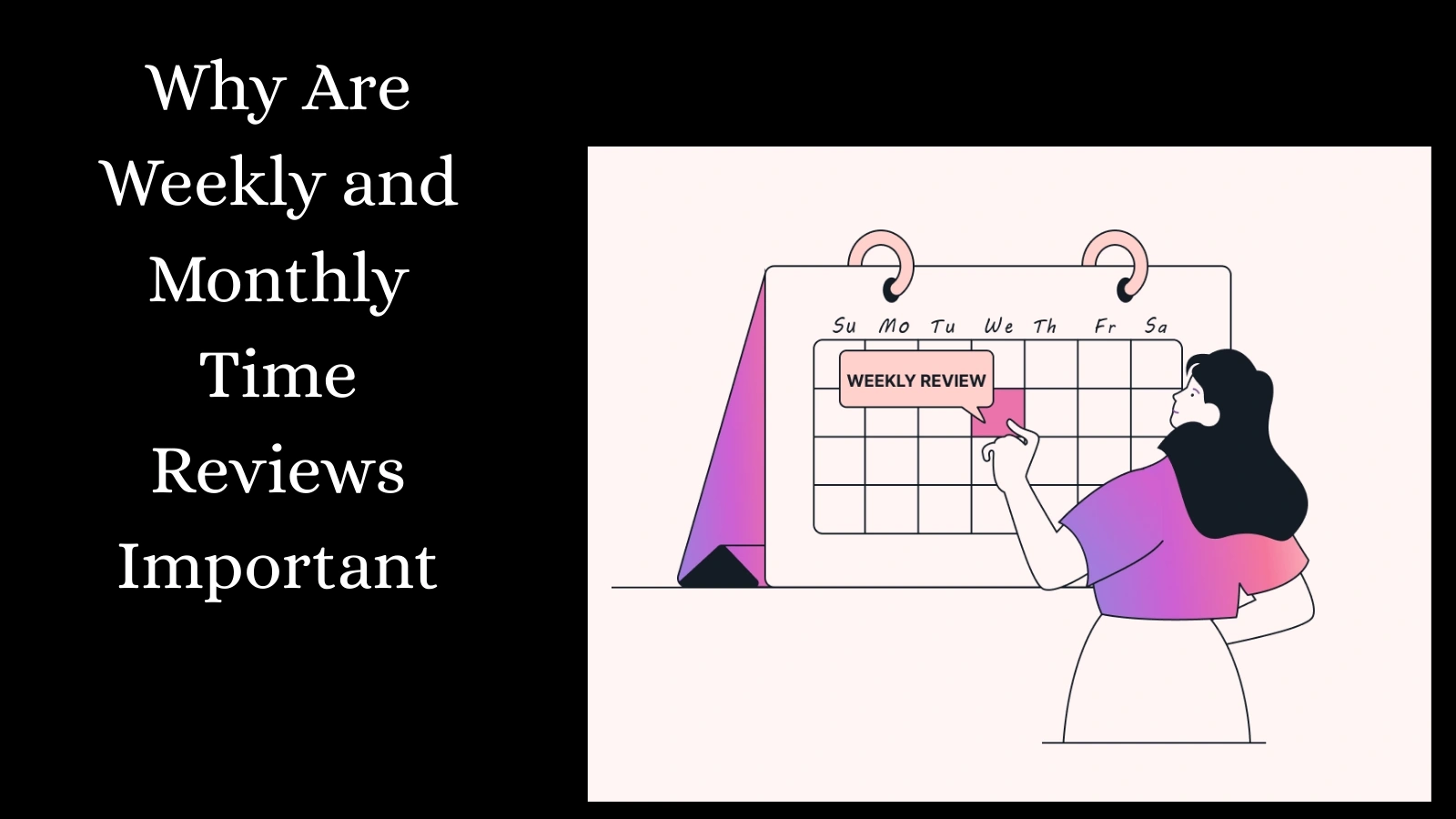
Daily time tracking helps maintain accuracy, but weekly and monthly reviews provide a broader perspective on how time is being spent.
- Identify workload patterns and trends:
Regular summaries reveal recurring overtime, idle periods, or uneven task distribution that may not be visible in daily logs. - Support balanced workload management:
Reviewing time data helps managers redistribute tasks and ensures employees are not consistently overworked. - Prevent burnout and fatigue:
Long-term reviews highlight sustained overworking, allowing early intervention to protect employee well-being. - Improve planning and forecasting:
Historical time data supports realistic project timelines and better resource allocation. - Enable data-driven productivity decisions:
Ongoing analysis transforms working out hours worked into a strategic planning tool rather than a reactive task.
Consistent weekly and monthly reviews help teams optimize productivity while maintaining healthy, sustainable work habits.
How Does Time Tracking Benefit Freelancers And Independent Professionals?
Freelancers and independent professionals rely on accurate time tracking to manage income, workload, and client expectations.
- Ensures fair and transparent client billing:
Detailed time logs help justify invoices, reduce payment disputes, and build long-term trust with clients. - Supports confident pricing and project estimates:
By consistently working out hours worked, freelancers can set realistic rates and timelines based on actual effort. - Improves workload balance and prevents burnout:
Tracking hours reveals overcommitment early, allowing independent workers to adjust schedules and maintain sustainability. - Strengthens professional credibility:
Clear and organized records demonstrate accountability and reliability, enhancing client relationships. - Identifies inefficiencies and unproductive tasks:
Reviewing time data helps freelancers optimize workflows and focus on high-value work.
Using a structured approach to working out hours worked empowers independent professionals to manage their time strategically and grow their businesses with confidence.
Addressing Common Time Calculation Questions
Professionals often ask how to work out hours when schedules change daily. Tracking actual time instead of assumptions solves this issue.
Others ask work out my hours across multiple tasks. Segmenting time by activity improves clarity.
A frequent concern is how do I figure out my hours worked without forgetting entries. Immediate logging reduces errors.
People also wonder how to figure out hours worked over longer periods. Weekly summaries provide a clear overview.
Some ask how to work out hours worked for overnight shifts. Splitting hours by date ensures accuracy.
How Can You Build a Sustainable Time Tracking Habit?
Building a sustainable time tracking habit starts with keeping the process simple and repeatable. Overly complex systems often lead to inconsistency, which reduces accuracy over time.
Choosing one reliable method, manual or digital, and applying it consistently each day helps reinforce the habit. Recording hours in real time, rather than at the end of the week, minimizes errors and improves reliability.
Regular reviews also play an important role. Checking time records daily or weekly helps identify gaps, correct mistakes early, and maintain accountability. With continued practice, working out hours worked becomes a natural part of professional discipline rather than an added task.
A sustainable approach to time tracking not only improves accuracy but also supports better planning, productivity, and long-term work-life balance.
Final Thoughts
Accurate time tracking empowers better decisions, fair compensation, and healthier work boundaries. Whether you work independently or manage a team, mastering time calculation strengthens your professional foundation.
By adopting reliable systems and leveraging smart tools like EmpMonitor, organizations turn working out hours worked into a strategic advantage built on clarity, trust, and efficiency.
FAQs
How often should work hours be reviewed for accuracy?
Work hours should be reviewed daily for individual accuracy and weekly for broader insights. Regular reviews help identify inconsistencies early and ensure long-term accuracy in records.
Can inaccurate time tracking affect employee morale?
Yes, inaccurate time tracking can lead to mistrust, unpaid overtime, or perceived unfairness. Transparent and accurate tracking systems help build trust and improve employee satisfaction.
Is it necessary to track time for salaried employees?
Even for salaried roles, tracking time provides insights into workload distribution, productivity trends, and potential burnout risks. It supports better planning without focusing solely on compensation.
How can businesses prevent time theft without micromanaging?
Using data-driven visibility and activity-based insights allows organizations to identify patterns without constant supervision. Clear policies and ethical monitoring practices also help maintain balance.
What is the best way to track time across multiple projects?
Segmenting work hours by task or project provides clearer visibility. This approach helps assess resource allocation, project profitability, and individual workload balance.