Productivity in the workplace depends on more than just effort it requires clear goals, measurable outcomes, and continuous guidance. Organizations that consistently perform well focus on aligning individual contributions with business objectives while creating systems that support improvement, accountability, and growth. This makes performance management a foundational element of modern workforce strategy.
For many years, performance was assessed through periodic reviews and manual reporting methods. These approaches often lacked accuracy, offered delayed feedback, and failed to capture real-time contributions. As organizations scale and adopt remote or hybrid work models, such limitations create gaps in visibility, engagement, and decision-making.
Performance management software addresses these challenges by introducing structure, transparency, and data-driven insights into how work is performed. Instead of relying on assumptions or infrequent evaluations, businesses gain continuous visibility into performance trends, productivity patterns, and opportunities for improvement. Throughout this blog, we’ll examine how performance management software boosts productivity and helps organizations build focused, high-performing teams.
Listen to the podcast.
What Is Performance Management?
To understand how software improves productivity, it’s important to first clarify what performance management is and why it matters to organizations of all sizes. Performance management is a structured approach to ensuring employees’ work aligns with business goals while continuously improving individual and team outcomes.
At its core, performance management focuses on setting clear expectations, tracking progress, providing ongoing feedback, and supporting employee development. It is not a one-time evaluation but an ongoing cycle designed to help employees understand their responsibilities, measure their impact, and grow in their roles. When done effectively, it creates transparency, accountability, and alignment across the organization.
Unlike traditional appraisal systems that rely on annual reviews, modern performance management emphasizes continuous communication and data-backed insights. Managers can identify strengths, address challenges early, and make informed decisions based on actual performance trends rather than assumptions. Employees, in turn, gain clarity on how their efforts contribute to organizational success.
As work environments become more dynamic, performance management has evolved from a manual HR task into a strategic business function. This evolution has paved the way for technology-driven solutions that support real-time monitoring, fair evaluation, and sustained productivity improvements.
The Performance Management Process Explained
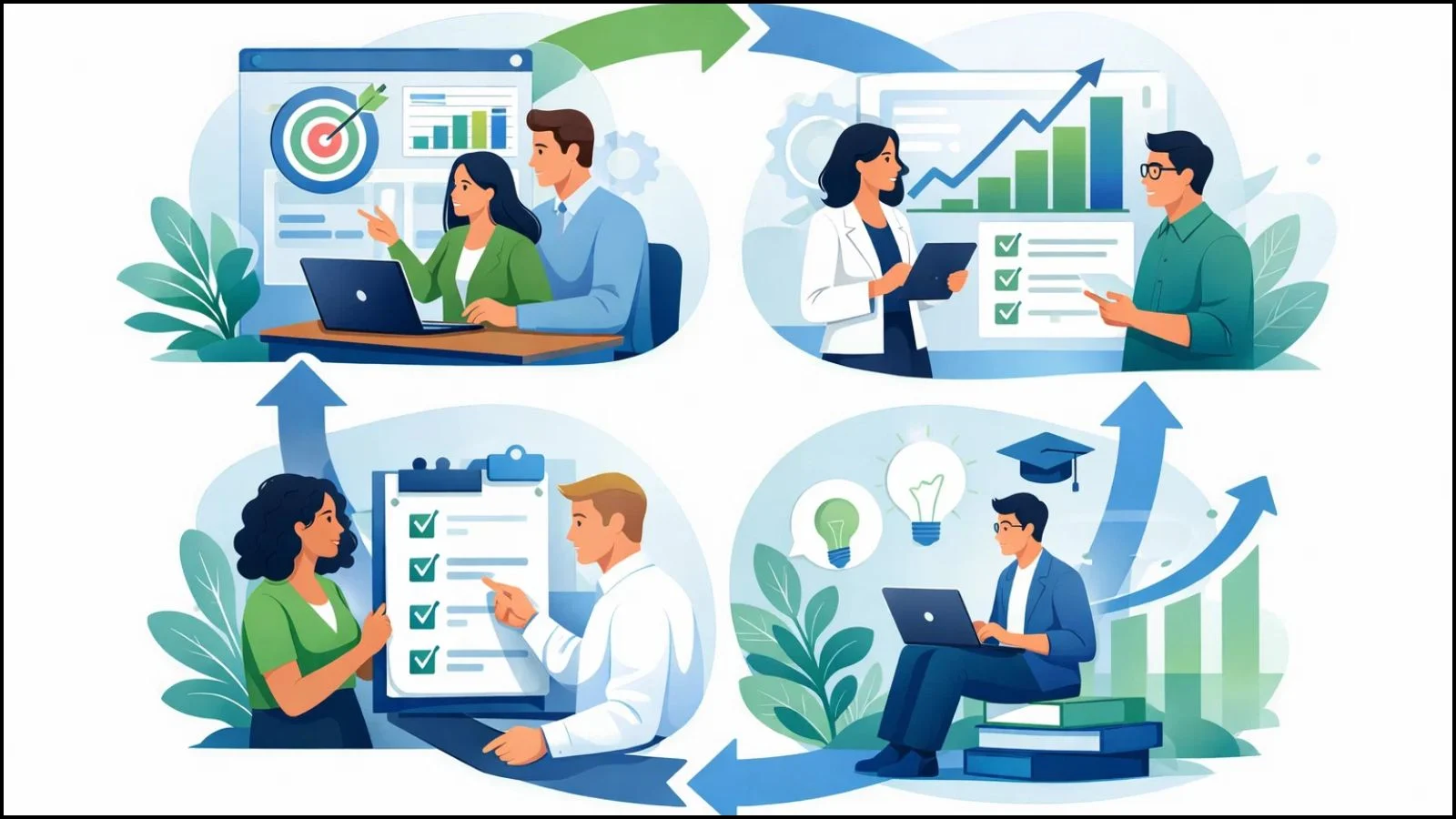
An effective performance management approach follows a structured and continuous cycle rather than a one-time evaluation. This cycle ensures that goals remain aligned with business priorities and that employees receive the guidance needed to perform consistently well. Understanding the performance management process helps organizations identify where productivity gains can be achieved and how software enhances each stage.
The process typically begins with goal setting. Clear, measurable objectives give employees direction and help them prioritize their work. When goals are aligned with team and organizational outcomes, employees can better understand how their contributions impact overall performance.
The next stage involves continuous monitoring and feedback. Instead of waiting for annual reviews, managers track progress regularly and provide timely input. This allows potential issues to be addressed early and encourages employees to stay focused and motivated. Ongoing feedback also promotes a culture of learning rather than correction.
Performance evaluation follows, using data and observations gathered throughout the cycle. Evaluations become more objective and fair when supported by consistent performance data rather than memory-based judgments. This stage helps identify high performers, skill gaps, and areas for improvement.
Finally, the process includes development and improvement planning. Insights from evaluations are used to create training plans, coaching initiatives, or role adjustments that support long-term growth. When the performance management process is executed continuously and supported by technology, it becomes a powerful driver of productivity and employee engagement.
Traditional Performance Management vs Software-Driven Approach
For many organizations, performance management was historically handled through spreadsheets, manual reports, and periodic reviews. While these methods worked in smaller or less dynamic environments, they struggle to meet the demands of modern workplaces where teams are larger, roles are fluid, and work happens across multiple locations.
Traditional approaches rely heavily on manual data collection and subjective evaluation. Managers often depend on memory or limited documentation when assessing performance, which can lead to bias, inconsistencies, and delayed feedback. The lack of real-time visibility also makes it difficult to identify productivity issues early or recognize high performers at the right time.
In contrast, a software-driven approach transforms performance management into a continuous, data-backed process. Platforms like PeopleGoal help organizations streamline goal tracking, employee feedback, and performance evaluations through centralized dashboards and real-time insights. Performance management software like Keka, factoHR, or greytHR automatically collects relevant activity, productivity, and outcome data, giving managers a clear and objective view of how work is progressing. This reduces administrative effort while improving accuracy and fairness in evaluations.
Another key difference lies in responsiveness. Manual systems are reactive, addressing performance concerns after they impact results. Software-enabled performance management is proactive, helping teams identify trends, optimize workloads, and make informed decisions before problems escalate. This shift from reactive to proactive management plays a major role in improving overall productivity and employee satisfaction.
What Is a Performance Management System?
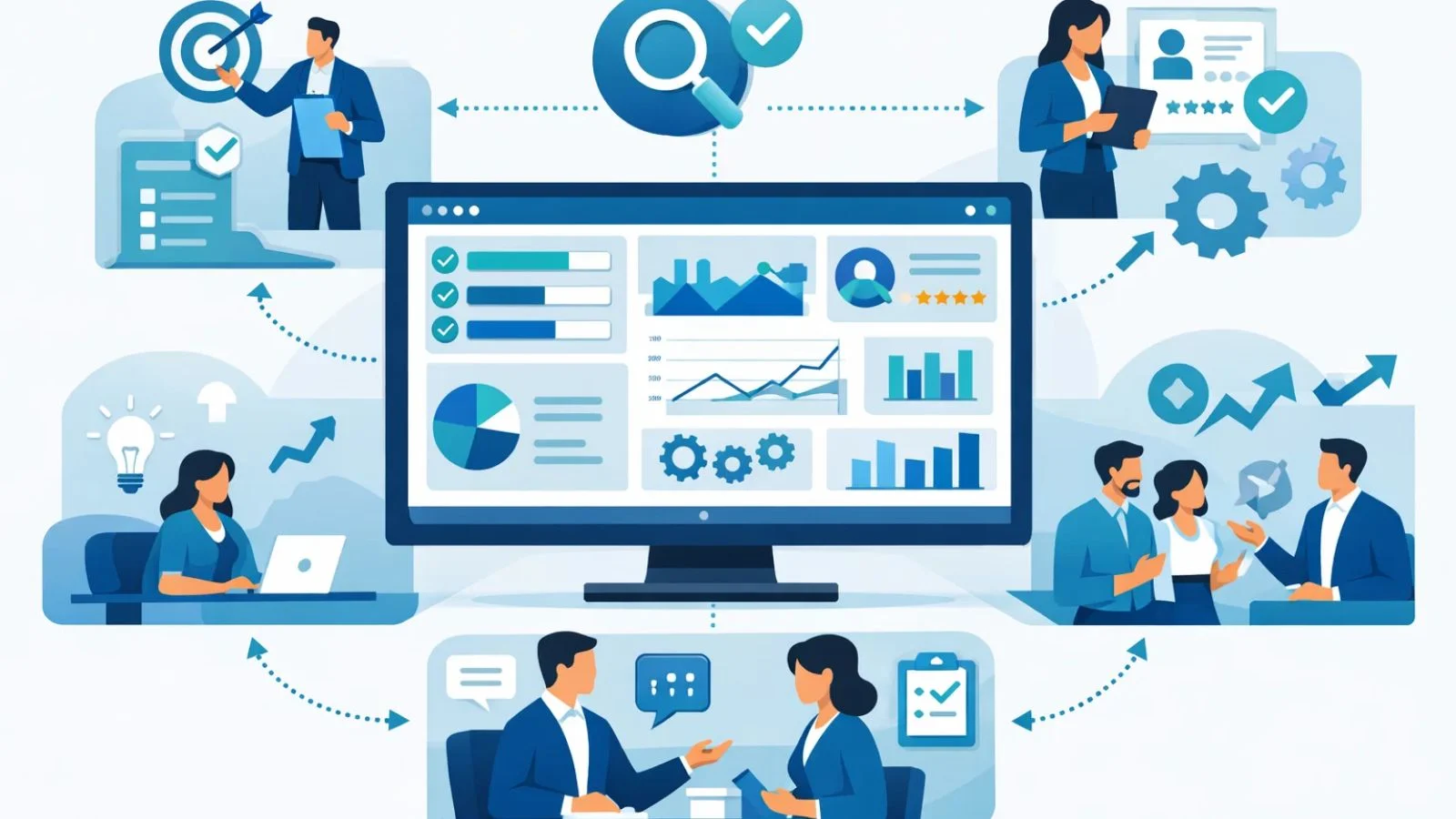
A performance management system is a structured framework that combines processes, tools, and metrics to monitor, evaluate, and improve employee performance across an organization. It brings consistency to how performance is measured and ensures that individual efforts align with broader business objectives.
At its foundation, a performance management system defines how goals are set, how progress is tracked, and how outcomes are reviewed. It establishes standardized criteria for evaluation, reducing subjectivity and creating a fairer environment for employees and managers alike. When supported by technology, this system becomes more dynamic and responsive.
Modern performance management relies on digital systems to centralize data from multiple sources such as task completion, time usage, and productivity indicators. This centralized view enables managers to track performance trends over time, compare outcomes across teams, and identify areas that need attention or improvement.
By integrating processes with real-time data and analytics, a performance management system moves beyond basic appraisal functions. It becomes a strategic tool that supports decision-making, workforce planning, and continuous productivity improvement across the organization.
Key Features of Performance Management Software
- Real-Time Employee Activity Tracking
Managers can monitor work progress as it happens, identifying bottlenecks or productivity dips immediately. This transparency ensures accountability without the need for constant supervision. - Goal and KPI Management
Software allows teams to set, track, and adjust goals and key performance indicators (KPIs) dynamically. Employees can see how their contributions align with broader organizational objectives, keeping everyone focused on outcomes that matter. - Productivity and Performance Analytics
Advanced reporting tools turn raw activity data into meaningful insights. Organizations can track trends, measure efficiency, and pinpoint areas for improvement, enabling informed decision-making. - Time Tracking and Attendance
Automated tracking of hours worked, project timelines, and attendance reduces administrative burden while helping managers assess workload and employee performance accurately. - Reporting and Dashboards
Customizable dashboards provide a clear overview of individual, team, and organizational performance. These visualizations make it easy to communicate results and trends to stakeholders at all levels. - Integration with HR and Payroll Tools
By connecting performance data with HR and payroll systems, organizations can streamline appraisals, incentives, and workforce planning. This integration reduces errors and improves operational efficiency.
These features collectively transform performance management from a cumbersome, manual task into a strategic function that drives productivity, engagement, and growth.
Impact on Employees
Performance management software not only improves organizational productivity but also directly benefits employees by providing clarity, support, and motivation. When implemented thoughtfully, it transforms the employee experience and encourages continuous growth.
- Clarity on Expectations
Employees gain a clear understanding of their responsibilities, goals, and performance standards. This transparency reduces ambiguity and empowers them to prioritize tasks effectively, knowing exactly how their contributions drive business success. - Continuous Feedback Instead of Annual Reviews
Rather than waiting for infrequent performance appraisals, employees receive ongoing feedback through the system. Regular guidance helps them adjust behaviors, improve skills, and stay aligned with expectations, fostering a culture of continuous improvement. - Recognition and Motivation
Software allows managers to identify and acknowledge achievements in real time. Public recognition and timely rewards boost morale, increase engagement, and encourage employees to maintain high performance levels. - Skill Development and Growth
Insights from performance data highlight areas where employees can develop new skills or improve existing ones. Personalized development plans enable targeted learning and career growth, making employees feel valued and supported. - Reduced Burnout Through Data-Driven Insights
By tracking workload, performance trends, and time management, software helps employees manage their tasks more efficiently. Managers can intervene when workloads are unbalanced, reducing stress and preventing burnout.
Overall, performance management software empowers employees to take ownership of their growth while providing the support and feedback they need to succeed, creating a more engaged, productive, and satisfied workforce.
Impact on Managers and Leadership
Performance management software is equally transformative for managers and organizational leaders. By providing real-time data, actionable insights, and streamlined workflows, it enables smarter decision-making, effective team management, and strategic workforce planning.
- Better Team Visibility
Managers gain a comprehensive view of individual and team performance. Real-time dashboards highlight who is excelling, who may need support, and how resources are being utilized, enabling more informed leadership decisions. - Data-Backed Performance Reviews
Software provides objective evidence of accomplishments, productivity, and progress against goals. This minimizes bias and subjectivity in evaluations, making performance reviews fairer and more credible. - Early Identification of Performance Issues
Continuous monitoring allows managers to detect declining performance or skill gaps early. Proactive interventions prevent minor issues from becoming major challenges, supporting both employee growth and team productivity. - Smarter Coaching and Mentoring
Insights from software help managers tailor coaching strategies for individual employees. Personalized feedback and development plans improve skills, engagement, and overall team performance. - Strategic Workforce Planning
Aggregated performance data helps leaders identify top performers, succession candidates, and skill shortages. This information supports informed decisions about promotions, training investments, and team restructuring, ensuring long-term organizational growth.
By equipping managers with actionable data and streamlined processes, performance management software turns leadership from reactive problem-solving into proactive guidance, ultimately boosting productivity across the organization.
How EmpMonitor Supports Smarter Performance Management
EmpMonitor is a cutting-edge performance management software designed to help organizations boost productivity while keeping employees engaged and motivated. By combining real-time monitoring, analytics, and actionable reporting, EmpMonitor ensures that performance management is both effective and employee-friendly.
Key Benefits of EmpMonitor:
- Real-Time Productivity Insights: Track performance trends and workflow efficiency as they happen, allowing managers to make proactive decisions.
- Employee-Friendly Monitoring: EmpMonitor emphasizes transparency and trust, focusing on improvement rather than surveillance.
- Actionable Reports for Managers: Automated dashboards and reports help leaders identify top performers, skill gaps, and team workload distribution.
- Alignment with Business Goals: By connecting individual contributions to organizational objectives, EmpMonitor ensures employees focus on what truly drives results.
With EmpMonitor, organizations can implement a modern performance management system that improves accountability, engagement, and productivity—all without adding administrative burden.
Future of Performance Management
The future of performance management is shifting toward continuous, personalized, and technology-driven models. Key trends include:
- Continuous Performance Models: Organizations are moving away from annual reviews toward ongoing feedback and coaching cycles.
- Greater Use of AI and Automation: Predictive analytics and AI tools help identify potential performance issues, skill gaps, and high-potential employees.
- Personalized Performance Insights: Individualized dashboards and reports provide employees with actionable insights to improve skills and productivity.
- Focus on Employee Experience and Well-Being: Modern performance management balances accountability with employee satisfaction, engagement, and mental well-being.
These innovations make performance management more proactive, strategic, and aligned with the needs of both employees and organizations.
Also Read,
7 Employee Engagement Tools to Help You Increase Engagement!
What Is Performance Management Software? 5 Tips To Enhance Performance Management Systems
Conclusion
Performance management software is no longer a luxury—it’s a necessity for organizations seeking to boost productivity, engage employees, and achieve strategic goals. By providing real-time insights, continuous feedback, and data-driven evaluation, such tools transform performance management from a reactive process into a proactive, growth-focused strategy.
EmpMonitor exemplifies this transformation by combining real-time monitoring, actionable analytics, and an employee-friendly approach. Organizations that adopt modern performance management solutions like EmpMonitor can expect better alignment between individual contributions and business objectives, more engaged employees, and higher overall productivity.
Investing in performance management software is investing in smarter teams, more informed leadership, and sustainable growth for the future.
{
“@context”: “https://schema.org”,
“@type”: “FAQPage”,
“mainEntity”: [{
“@type”: “Question”,
“name”: “What Is Performance Management?”,
“acceptedAnswer”: {
“@type”: “Answer”,
“text”: “Performance management is a continuous process that aligns employee efforts with business goals while improving overall productivity.
Defines clear goals and expectations
Tracks progress and performance consistently
Encourages ongoing feedback and improvement”
}
},{
“@type”: “Question”,
“name”: “Traditional vs Software-Driven Approach”,
“acceptedAnswer”: {
“@type”: “Answer”,
“text”: “Manual performance management is slow and reactive, while software-driven systems bring speed, accuracy, and real-time insights.
Manual methods rely on delayed and subjective reviews
Software provides real-time data and objective tracking
Enables proactive decisions instead of reactive fixes”
}
},{
“@type”: “Question”,
“name”: “How Software Improves Productivity”,
“acceptedAnswer”: {
“@type”: “Answer”,
“text”: “Performance management software helps teams work smarter by providing visibility, structure, and actionable insights.
Reduces confusion with clear task tracking and goals
Improves decision-making with real-time analytics
Identifies bottlenecks and performance gaps early”
}
}]
}
FAQs
- How often should performance management software be reviewed for effectiveness?
Performance management software should be reviewed at least quarterly to ensure dashboards, reports, and workflows align with organizational goals and continue to drive productivity improvements. - Can performance management software integrate with other workplace tools?
Yes, most modern performance management software integrates with HR, payroll, project management, and collaboration tools to provide a unified view of employee performance and streamline processes. - Is performance management software suitable for small businesses?
Absolutely. Many solutions, including EmpMonitor, are scalable and customizable, making them effective for small teams looking to improve productivity and performance tracking without complex infrastructure.