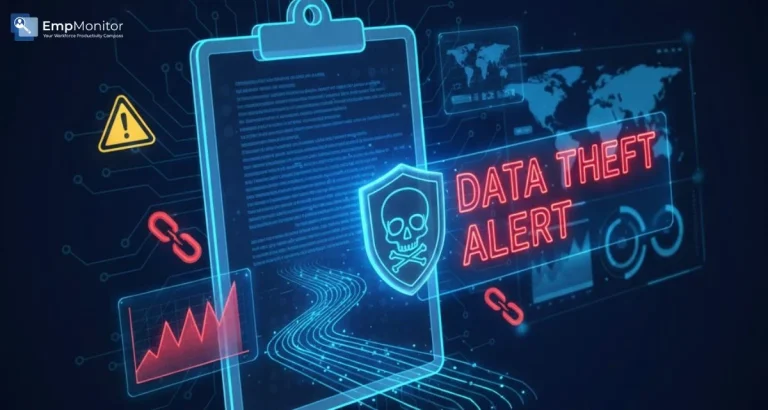
Data privacy is an ongoing challenge for enterprises, especially as more personal information is stored and shared electronically. While companies often secure their network, email, and apps, one potential threat that tends to fly under the radar is clipboard monitoring. The clipboard, where the copied data, for example, passwords, financial information, or sensitive personal information, is temporarily held, can be an attractive destination for this stolen data.
In this blog, we will take a look at the dangers of clipboard activity, why it is often neglected, and how software such as EmpMonitor can help companies to keep track of clipboard data in order to avoid losses that might arise from future data breaches.
You can listen to this blog here
What Is Clipboard Monitoring?
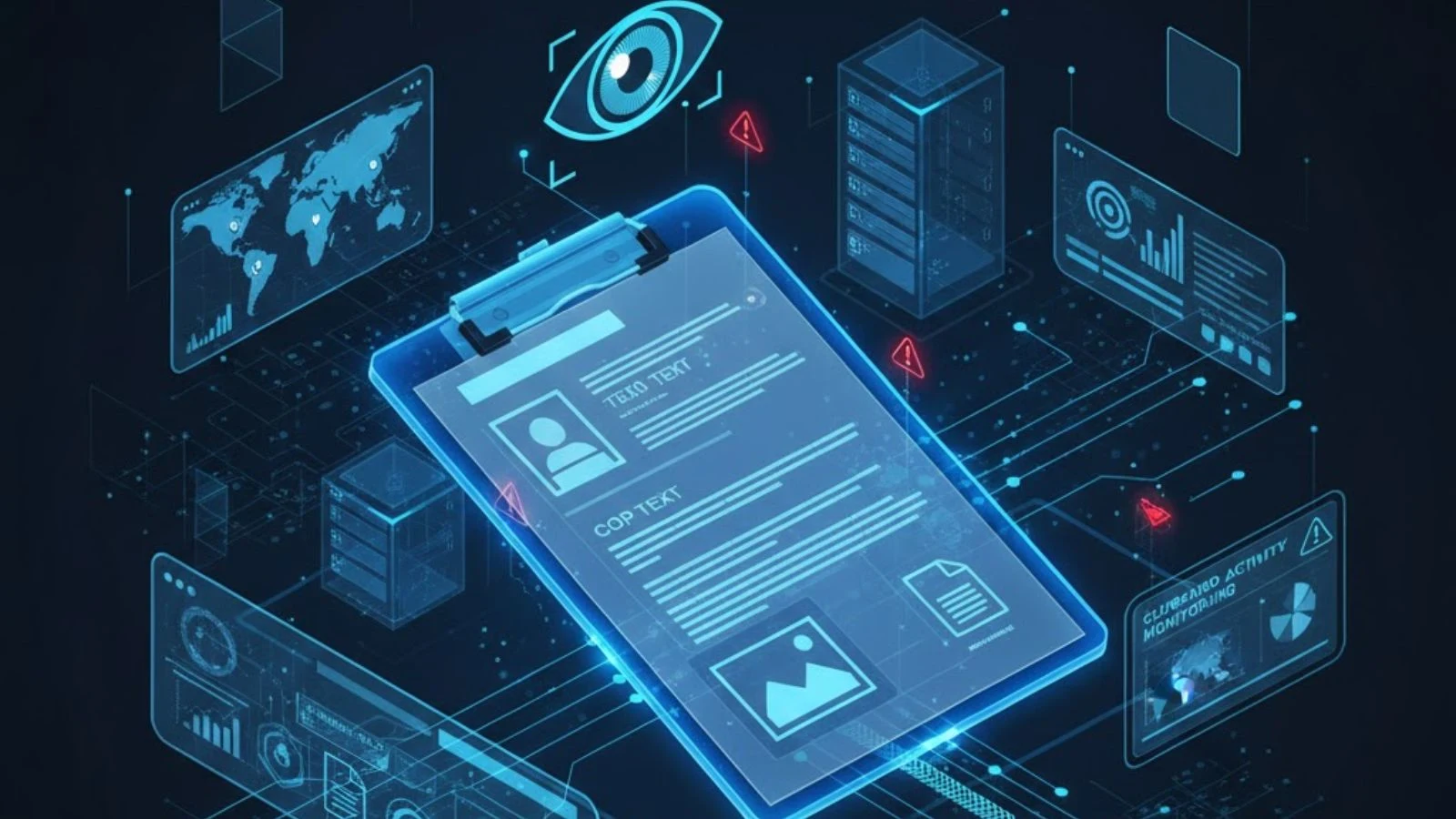
Clipboard monitoring refers to the tracking of data copied and pasted to and from the clipboard. The clipboard, a temporary storage area, holds data such as text, images, or files that users copy or cut, allowing them to paste the data elsewhere. While convenient, the clipboard is an easy target for attackers looking to steal sensitive information.
Clipboard monitoring allows businesses to track and log all clipboard activity, ensuring that sensitive data isn’t inadvertently exposed or maliciously stolen. This monitoring can be done in real-time, providing an active safeguard against data breaches that may otherwise go unnoticed.
The Risks of Clipboard Monitoring
The clipboard, often regarded as a temporary storage area, is an ideal target for data theft. The reason is simple: it temporarily holds whatever data the user is working with, which could include sensitive information like passwords, financial details, or personal identification numbers (PINs). If a hacker gains access to the clipboard, they can quickly grab this sensitive data without the user realizing it.
Malicious software, like clipboard hijackers, can target this often-overlooked data stream. These attacks occur when malicious programs monitor clipboard activity to track what the user has copied or cut, often silently in the background. For example, an attacker could see when a user copies a credit card number or a password and immediately use that information for malicious purposes.
Some clipboard hijackers even work in real-time, capturing information as soon as it is copied to the clipboard, offering hackers immediate access to highly sensitive data.
Why Clipboard Monitoring is Often Overlooked
Most organizations are concerned with more visible threats to cybersecurity, such as phishing messages, malware, and network vulnerabilities. But clipboard usage is normally overlooked. This is because clipboard data is temporary and constantly being updated. As such, organizations and individuals do not see it as a possible threat to their security.
Another reason why clipboard monitoring is normally overlooked is the fact that there is a lack of awareness. This is because most people believe that once data is copied to the clipboard, it is only accessible to the user. Unfortunately, this is not the case. This lack of awareness can be taken advantage of by hackers to access sensitive information that would otherwise be safely stored in other locations.
The casual use of copy and paste functionality in performing daily activities also increases the risk of sensitive data being exposed through clipboard monitoring.
How Clipboard Data Can Be Stolen
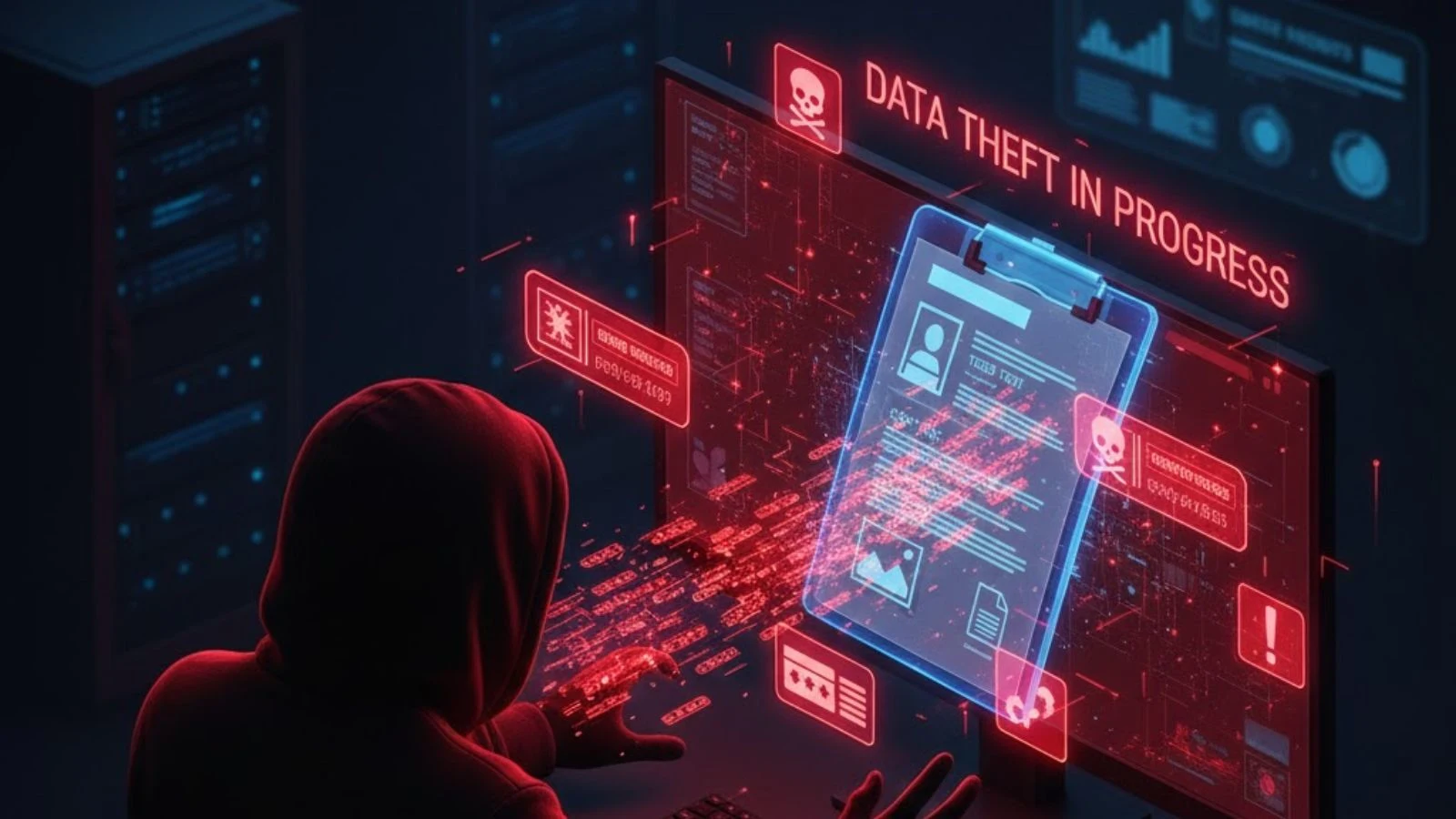
Clipboard hijackers typically work by running in the background, monitoring the clipboard for any copied data. When sensitive information like a password or credit card number is copied, the hijacker grabs it immediately. These attacks can happen without the user’s knowledge, making it particularly dangerous.
Additionally, untrusted applications or websites can access clipboard data if the user allows it or if there are security vulnerabilities in the system. Cybercriminals often use malicious software disguised as legitimate applications or websites to silently monitor clipboard data.
The problem becomes more severe when clipboard data is shared across multiple platforms. For example, copying a password on one device and pasting it on another could expose the data to interception or theft if the devices aren’t properly secured.
Best Practices for Monitoring Clipboard Activity
To minimize the risk of clipboard data theft, businesses need to adopt best practices for monitoring clipboard activity. These steps will help safeguard sensitive information while still allowing employees to be productive:
- Real-Time Monitoring: Set up tools that can track clipboard activity in real-time. This ensures that you can catch any suspicious behavior as it happens, preventing sensitive data from being exposed or stolen.
- Limit Access: Only authorized personnel should have access to the clipboard data. Limiting who can access this information reduces the risk of internal theft or accidental exposure.
- Employee Awareness: Educate employees about the risks of clipboard data theft and best practices for keeping their clipboard activity secure. This includes being cautious when copying sensitive data and being mindful of what is being pasted into documents or applications.
- Data Encryption: Encrypt sensitive data before copying it to the clipboard. This ensures that even if the clipboard data is accessed, it remains unreadable to unauthorized parties.
How EmpMonitor Helps You Monitor Clipboard Activity

EmpMonitor is a powerful employee monitoring tool designed to help businesses track clipboard activity and prevent data theft. It provides real-time monitoring of clipboard data, ensuring that sensitive information is not exposed to unauthorized individuals or malicious software.
With EmpMonitor, businesses can:
- Track Clipboard Usage: Monitor all clipboard activity to ensure sensitive data is not being copied or pasted without authorization.
- Log Clipboard Data: Keep a log of all clipboard actions, helping businesses maintain an audit trail for future reference.
- Set Alerts: Receive instant notifications whenever clipboard activity involves sensitive data, allowing businesses to take immediate action to protect that information.
- Maintain Privacy: EmpMonitor is designed to respect employee privacy while still providing businesses with the tools to monitor critical data. It helps strike the right balance between employee monitoring and data protection.
By implementing EmpMonitor’s clipboard monitoring features, businesses can ensure that sensitive data is protected from malicious actors, reducing the risk of data theft and safeguarding their reputation.
Conclusion
Clipboard monitoring is often an overlooked aspect of data security, yet it presents a significant risk for businesses handling sensitive information. Cybercriminals can exploit unmonitored clipboard data to steal passwords, financial details, and other confidential information. To protect against these threats, businesses must adopt proactive clipboard monitoring strategies and tools.
EmpMonitor offers a comprehensive solution for tracking clipboard activity while ensuring compliance with data security best practices. By using EmpMonitor, businesses can safeguard their sensitive data, prevent clipboard hijacking, and enhance their overall cybersecurity strategy.
Don’t overlook the clipboard; monitor it and protect your business from potential data theft.
Also read,
How To Prevent Your Company From Data Theft?
The Role Of Employee Monitoring Software In Successful Workplaces
FAQs
1. What is clipboard monitoring, and why is it important?
Clipboard monitoring tracks the data copied and pasted to and from the clipboard, such as text, passwords, or other sensitive information. It’s crucial for detecting and preventing data theft, as cybercriminals can hijack clipboard data for malicious use, such as stealing personal or financial details.
2. How can clipboard data be stolen?
Clipboard data can be stolen when malicious software or attackers monitor clipboard activity in real-time. Once sensitive information like passwords or credit card numbers is copied, the attacker can immediately access and use it. This can happen silently, without the user noticing.
3. Why is clipboard monitoring often overlooked?
Many businesses focus on more prominent security threats like phishing, malware, or network vulnerabilities, while clipboard data remains under the radar. Lack of awareness around clipboard activity and its potential for data theft makes it a commonly overlooked vector for security breaches.