
These days, markets are highly competitive, making it difficult for your company to thrive in such a setting. With little resource input, you are anticipating enormous results. Isn’t it? However, that is very difficult to accomplish.
In such a situation, every business searches for realistic ways to expand without going over budget. Efficiency enters the picture here. Knowing how to improve efficiency in a business can be the difference between struggling with daily operations, or even facing insolvency and voluntary administration resources from Restructuring Works and achieving long-term success.
Improving efficiency doesn’t always mean investing in expensive tools or hiring more staff. Rather, it’s about making better use of already-existing resources. From streamlining tasks to enhancing employee productivity, small changes can create a huge impact. The best part is that these advancements frequently result in lower expenses and higher output simultaneously.
We’ll go over tried-and-true methods to increase productivity without raising costs in this guide. You’ll discover doable solutions, cutting-edge resources, and long-term advantages that can improve the efficiency and cost-effectiveness of your company.
You can Listen to this Blog here.
Understanding Business Efficiency

Before we dive into strategies, it’s important to understand what efficiency really means in a business context. Efficiency is all about producing the best results while using the least possible resources. It’s not just about working harder but about working smarter.
When leaders think about how to improve efficiency in a business, they often confuse it with effectiveness. Efficiency focuses on how work is done, while effectiveness is about what results are achieved. For example, finishing a project quickly with fewer resources shows efficiency, while achieving the company’s goals through that project shows effectiveness. Both matter, but efficiency ensures sustainable growth.
Efficiency is also directly connected to productivity. A team that uses its time well, avoids waste, and leverages the right tools contributes more value without additional costs. This balance between output and input is what separates successful businesses from those that struggle.
Why Efficiency Matters for Business Growth?
Every organization, big or small, aims to grow steadily while keeping expenses under control. That’s why leaders constantly search for proven ways how to improve efficiency in a business. Efficiency directly impacts profitability because it allows companies to get more done with the same or even fewer resources.
When processes are efficient, businesses save time and money. For example, streamlined workflows reduce delays, and clear communication prevents costly mistakes. At the same time, efficiency boosts customer satisfaction. When clients receive faster responses and better service, they’re more likely to remain loyal to the brand.
Another benefit of efficiency is gaining a competitive edge. In markets where several businesses offer similar products, the one that can deliver faster and more cost-effectively often stands out. In short, efficiency isn’t just about cost-cutting—it’s about building a stronger foundation for growth and long-term sustainability.
Common Barriers to Efficiency
While most leaders want to figure out how to improve efficiency in a business, many struggle because of hidden obstacles within their operations. These barriers often slow down progress and lead to wasted time, money, and energy.
One of the most common barriers is poor communication. When teams don’t share information effectively, tasks get delayed, and errors multiply. Another challenge is relying on outdated tools or manual processes, which can consume more resources than necessary. Similarly, lack of employee engagement affects productivity because unmotivated team members rarely deliver their best.
Ineffective management practices also play a role. Without proper planning, clear goals, and accountability, even the most capable teams can underperform. Recognizing these barriers is the first step toward removing them, which then opens the path for a smoother and more productive work environment.
Practical Ways On How to Improve Efficiency in a Business?
Once you identify the common barriers, the next step is to implement strategies that bring visible improvements. Many businesses wonder how to improve efficiency in a business without making big financial investments. The truth is, even small adjustments can lead to significant results when applied consistently.
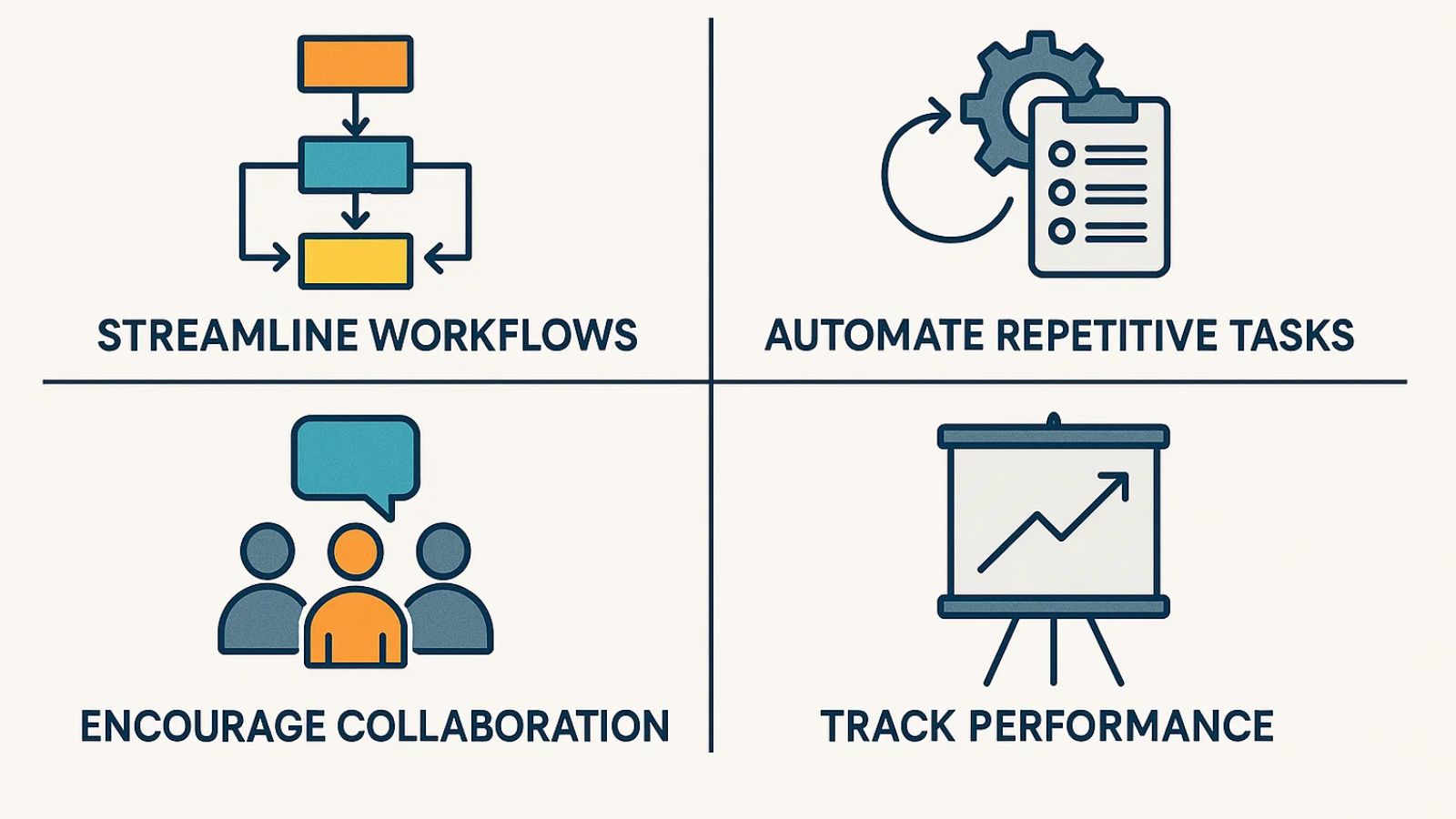
One of the most effective ways to start is by streamlining workflows. Eliminating unnecessary steps and simplifying tasks helps teams complete projects faster. Another important practice is automating repetitive activities, such as data entry or scheduling, which saves time and reduces human error.
Encouraging collaboration also plays a big role. When employees share ideas and work together, it often leads to innovative solutions. Tracking performance regularly is another key; knowing where time and resources are going makes it easier to improve. In the same way, keeping a close eye on spending helps businesses avoid unnecessary costs and make smarter decisions. A business expense tracking guide can help teams understand where money is going and identify areas to improve efficiency. These are some of the best ways to increase productivity in a business while keeping costs under control.
By focusing on process improvement, communication, and task automation, companies can discover sustainable ways to improve productivity that enhance overall performance.
Focusing on Employee Productivity
Employees are the backbone of every organization, which makes their performance a critical factor in overall efficiency. Leaders who want to learn how to improve efficiency in a business must focus on creating a workplace that supports employee growth and motivation.
Training and development are essential in this process. When employees are equipped with the right skills, they complete tasks faster and with fewer errors. Flexible working conditions, such as remote work or adjustable schedules, can also enhance productivity by reducing burnout and giving employees a better work-life balance.
Regular feedback and recognition go a long way in keeping staff motivated. Employees who feel valued are more engaged and perform at higher levels. By applying these methods, businesses can cost-effectively improve productivity. In fact, experts often recommend such strategies as practical examples of how to improve business productivity without the need for expensive changes.
How to Improve Efficiency in a Business with Technology?
Technology plays a vital role in modern business operations. Companies that understand how to improve efficiency in a business often leverage digital tools to simplify tasks, reduce errors, and save time. Implementing the right technology can transform processes without adding extra costs.
Automation software, for instance, helps handle repetitive tasks like scheduling, reporting, and data entry. This allows employees to focus on higher-value activities. Similarly, cloud-based platforms enable teams to collaborate seamlessly, regardless of their location, which reduces delays and enhances communication.
Specialists at a custom software development firm – Leobit regularly advise business owners on the most effective ways to integrate these modern tools into their daily workflows. Taking these steps helps organizations transition away from outdated manual practices and build a more resilient infrastructure for the future.
Data-driven decision-making is another advantage. By using analytics tools, businesses can track performance, identify bottlenecks, and make informed improvements. These steps directly contribute to operational efficiency and overall productivity.
Investing in technology doesn’t always mean high expenses. Affordable tools and software options exist that streamline operations effectively. A travel and expense management software can help businesses control travel spend. There are many such softwares that can carry out business operations efficiently. One such tool is Empmonitor, which allows businesses to monitor employee productivity, track time, and optimize workflows—all contributing to better efficiency without increasing overhead.
Tool to Improve Business Efficiency
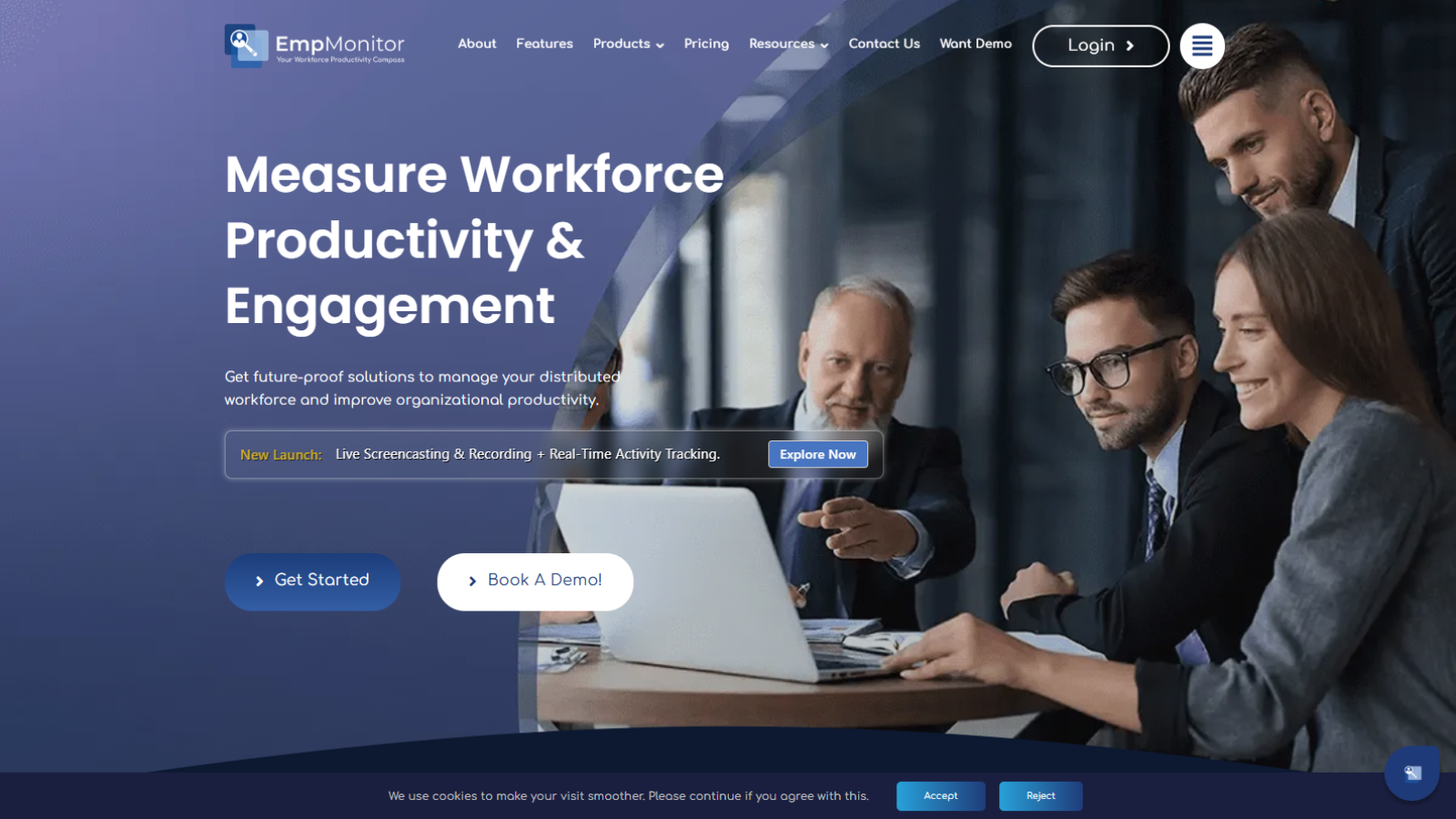
When learning how to improve efficiency in a business, having the right tools can make a significant difference. Empmonitor is a powerful platform designed to help businesses boost productivity without adding extra costs.
Empmonitor offers a variety of features that streamline operations and monitor employee performance. With real-time activity tracking, managers can see where time is spent and identify areas that need improvement. This ensures that employees remain focused on high-priority tasks, reducing wasted effort.
The platform also provides detailed productivity reports. These insights allow businesses to make data-driven decisions, optimize workflows, and improve accountability across teams. By tracking time and project progress, companies can achieve more with the same resources, a direct way to enhance operational efficiency.
Another advantage of Empmonitor is its user-friendly interface. It requires minimal training and integrates seamlessly into existing workflows. Whether a business wants to manage remote teams or optimize in-office productivity, Empmonitor provides actionable insights without significant investment.
Real-Time Activity Monitoring — Provides instant visibility into employee tasks, helping teams stay aligned with priorities throughout the day.
Automated Timesheets — Eliminates manual time-logging and ensures accurate records for better payroll and project calculation.
Productivity Scoring — Evaluates productive vs. unproductive time, giving managers a clear picture of performance trends across teams.
Project & Task Tracking — Keeps workflows organized and enables managers to track progress, deadlines, and workload distribution effortlessly.
Attendance & Leave Management — Automates attendance tracking and ease the leave approval process through HRMs feature, reducing administrative workload for HR and managers.
Comprehensive Reporting & Analytics — Generates customizable reports that help businesses make data-based decisions instead of relying on assumptions.
By leveraging tools like Empmonitor, companies can easily implement practical strategies on how to improve efficiency in a business and see measurable improvements in performance and output.
Low-Cost Strategies That Any Business Can Apply
Improving efficiency doesn’t always require a big budget. There are several low-cost strategies that businesses can implement while learning how to improve efficiency in a business. For many UK SMEs, understanding the advantages of private limited company structures can also play a key role in improving efficiency, offering clearer governance, limited liability, and better long-term scalability. These approaches focus on optimizing existing resources and processes.
Better scheduling is one of the simplest yet most effective strategies. Planning tasks carefully ensures that teams spend their time on the most important activities, avoiding unnecessary delays. Clear goal setting is equally important; when employees know what is expected, they can prioritize work more effectively.
Encouraging employee feedback also improves productivity. Team members often have firsthand insights into workflow challenges and solutions. Incorporating their suggestions can streamline processes and boost engagement.
Minimizing resource wastage is another key step. Whether it’s time, materials, or digital resources, careful monitoring ensures nothing goes unused or underutilized. By applying these strategies, businesses can improve their business operations efficiently, making daily tasks smoother and more cost-effective.
Long-Term Benefits of Improving Efficiency

Focusing on how to improve efficiency in a business brings benefits that extend far beyond immediate cost savings. Efficient operations create a strong foundation for sustainable growth and long-term success.
One of the most noticeable benefits is increased profitability. By reducing wasted time and resources, businesses can deliver more value without additional expenses. Improved efficiency also enhances workforce morale. Employees who work in well-structured, streamlined environments feel more engaged and motivated, which further boosts productivity.
Customer satisfaction is another long-term advantage. Businesses that operate efficiently respond faster to client needs, deliver quality products or services consistently, and build trust with their customers. Over time, this strengthens brand loyalty and reputation in the market.
Lastly, efficiency allows businesses to adapt quickly to changes. A company that has optimized workflows and effective processes can respond to challenges or new opportunities without major disruptions, ensuring continued growth and competitiveness.
Measuring Efficiency in Your Business
To truly improve, businesses need to track their progress. Measuring efficiency helps identify bottlenecks and areas that need improvement. Key performance indicators (KPIs) such as project completion time, employee output, and resource utilization provide actionable insights.
Using metrics allows managers to understand if strategies on how to improve efficiency in a business are working. Tracking results over time also ensures continuous improvement, making efficiency a long-term habit rather than a one-time effort.
Encouraging a Culture of Efficiency

Efficiency isn’t just about processes—it’s about people. Cultivating a culture where employees value time management, accountability, and smart work is crucial. Leaders can encourage efficiency by recognizing achievements, promoting collaboration, and providing training opportunities.
A strong efficiency culture ensures that everyone in the business contributes to optimized workflows, reinforcing strategies on how to improve efficiency in a business naturally over time.
Real-Life Examples of Efficiency Improvements
Many successful companies have improved their efficiency without spending more. For instance, some firms adopted simple automation tools, while others reorganized workflows to eliminate redundant tasks. Startups often achieve higher efficiency by embracing flexible work schedules and remote collaboration.
These examples show that businesses of any size can learn how to improve efficiency in a business through strategic planning, process improvements, and employee engagement, without additional costs.
Conclusion
Improving efficiency is essential for any business that wants to grow sustainably and stay competitive. By learning how to improve efficiency in a business, companies can optimize workflows, leverage technology, and empower employees—all without adding extra costs.
From measuring performance to fostering a culture of efficiency, every step plays a vital role. Real-life examples show that even small, practical changes can lead to significant improvements in productivity and operational efficiency. Tools like Empmonitor further simplify the process by providing insights into time management, task tracking, and employee performance.
By combining smart strategies, employee engagement, and the right tools, businesses can achieve higher profitability, better customer satisfaction, and stronger long-term growth. Efficiency is not just a goal—it’s a continuous process that shapes the future success of the business.
Also Read,
9+ Amazing Ways To Improve Efficiency In The Workplace
Operational Efficiency: Transform Your Business with Proven Success Tactics
FAQs
- What can a business do to improve its productivity?
By automating repetitive tasks, streamlining workflows, training staff, and tracking performance with tools like Empmonitor, a company can increase productivity. Encouraging collaboration and clear goal-setting also boosts efficiency. - What are the best ways to improve productivity without spending more?
Better scheduling, reducing resource waste, enhancing communication, and fostering an accountable culture are examples of low-cost tactics. Small process improvements often lead to significant gains in operational efficiency. - How does employee monitoring software help improve business productivity?
Employee monitoring software like Empmonitor provides insights into time management, task completion, and workflow bottlenecks. This enables managers to improve productivity, raise accountability, and streamline procedures without incurring extra expenses.