Managing a field force involves navigating a complex web of logistics, coordination, and efficiency challenges. With team members spread out in various locations, ensuring seamless communication, accurate tracking, and timely execution can be overwhelming. Effective field force management requires a strategic approach to monitor performance, allocate resources, and streamline operations.
By optimizing these aspects, businesses can enhance productivity, reduce operational delays, and achieve better overall results. The key to successful field operation management lies in overcoming these challenges and implementing systems that support effective coordination and task completion, ultimately leading to a more organized and efficient field operation.
This blog delves into the core principles of field force management, uncovering strategies and tools that can transform how businesses oversee their on-the-go teams.
Hit ‘Play’ Button & Tune Into The Blog!
What Is Field Force Management?
Field force management — also widely referred to as Field Service Management (FSM) — involves overseeing an external sales team or field workers to ensure they achieve the highest possible sales results with minimal effort and cost. It focuses on managing resources deployed outside of company property, including tracking vehicles, field sales teams, scheduling and dispatching workers, ensuring safety procedures are followed, and managing the real-time activity of field personnel.
All of these aspects must be incorporated with the management of on-site functions such as billing, inventory control, and employee systems. When proper field force management is not enacted, it can lead to customer disappointments, low productivity, and potentially dangerous situations in the field.
Because field force management has so many variables, many organizations are now turning to cloud-based solutions and field force management software to help track everything and ensure operations run smoothly. A typical field force management system includes back-end software accessible from both mobile apps and computing devices, enabling large-scale data collection and analysis that makes managing distributed field services significantly easier. Implementing a dedicated field workforce management software ensures that organizations can effortlessly bridge the gap between office dispatchers and mobile teams, syncing real-time GPS coordinates and automating complex field dispatching simultaneously.
This management strategy includes analyzing sales trends and utilizing resources effectively to maximize outcomes. It also requires clear communication between the sales team and management, appropriate delegation of tasks, assignment of roles and responsibilities, and setting clear expectations. Additionally, it emphasizes motivating and rewarding team members for meeting their targets. Efficient field operations management enables companies to gain a competitive advantage in the market.
Efficient field operations management can be further enhanced by utilizing solutions like EmpMonitor, which provides insights into productivity, task delegation, and performance tracking. These tools help companies stay ahead in the competitive market by optimizing their field operations.
What Is The Role Of Field Force Management Software?
Field force management software bridges the gap between your office and your field teams, providing clarity and control over your operations. It is a digital solution designed to manage and track field sales teams — helping businesses monitor sales activities, daily visits, routes, attendance, and orders from a single unified system. Sales reps use a mobile app to update visits, book orders, and capture market data instantly, while managers get live visibility into field performance without manual follow-ups.
Field force management software brings structure to scattered sales operations. It ensures every outlet visit is planned, tracked, and measured. Data flows directly from the field to dashboards and reports — improving sales productivity, accountability, and execution consistency. It also reduces delays, errors, and dependency on spreadsheets.
Here is how it plays a critical role in modern business operations:
1. Streamlining Operations Gone are the days of paper-based systems and endless phone calls to coordinate activities. Field force management solutions automate many of these processes, minimizing the risk of human error and freeing up time for more important tasks. Instead of manually dispatching workers, managers can schedule and assign tasks based on location, demand, and availability — all from a centralized platform.
2. Enhancing Real-Time Visibility With a field sales management app, managers gain real-time insight into field activities — whether checking if a sales rep visited a key client or how many service calls were completed in a day. This visibility enables informed, fast decision-making that keeps operations on track.
3. Improving Customer Service Customer demands are higher than ever — they want quick responses, accurate ETAs, and seamless service. Field force management software helps deliver on these expectations by optimizing routes and schedules to reduce wait times, sending automated status updates when field staff are nearby, and deploying the right person with the right skills to resolve issues on the first visit — reducing costly repeat calls.
4. Boosting Productivity Field force management apps keep your team focused and efficient by providing clear task lists, optimized routes, and easy access to necessary information. Businesses handling recurring service operations and large territories often rely on dispatch software for multi-day projects to better organize field schedules, reduce travel inefficiencies, and improve coordination across multiple job locations. This empowers field agents to get more done in less time and when your team is more productive, that improvement translates directly to your bottom line.
5. Real-Time Feedback For Continuous Improvement Field force management applications enable real-time feedback from the field. Whether it is customer reviews or performance metrics, having this data readily available allows managers to address issues as they arise. If a sales rep faces challenges with a specific product or client, they can report it immediately, enabling managers to offer timely support — boosting both employee confidence and customer satisfaction.
6. Integration With Other Business Systems No system should work in isolation. Field force management solutions often integrate with other essential tools such as CRM platforms, inventory management systems, and accounting software with implementation support from partners such as AlphaBOLD. Field sales data can sync directly with your CRM, keeping customer records updated in real time and eliminating manual data entry entirely.
Benefits Of Field Force Management For Managers

Field force management solutions have revolutionized how managers oversee their teams in the field, offering tools that streamline operations and boost efficiency.
- Eliminates Paperwork: Field operation management lets team members add meeting notes and upload documents in real time, allowing managers to review these updates instantly.
- Assigns Leads/Tasks: Managers can assign new leads to the appropriate sales or service personnel based on criteria such as zip code, product, or proximity, similar to how lead distribution software automatically routes and assigns opportunities.
- Provides Real-Time Visibility: Managers gain real-time insight into the location and status of field workers, helping them track progress and address issues as they occur.
- Increases Productivity: Managers can optimize field worker schedules and task assignments for greater efficiency.
- Improves Decision-Making: Field force automation produces valuable data that managers can use to analyze performance, identify trends, and make informed decisions.
- Reduces Costs: By optimizing field worker routes, automation helps decrease fuel consumption and minimize overtime expenses, leading to significant cost savings for the organization.
- Enhances Customer Service: Tools and information collected automatically enable field workers to resolve customer issues more effectively on the spot.
- Enables Efficient Resource Allocation: With comprehensive visibility, managers can better allocate resources like vehicles, equipment, and inventory.
Utilizing field force management enables managers to boost operational efficiency while also enhancing service delivery and reducing costs. Now, let’s explore the benefits of field activity management for workers.
Benefits Of Field Force Management For Workers

Enhanced Understanding of Leads/Tasks:
Field sales staff get detailed information about leads and their past interactions, which helps them make their pitch more effective. Service agents have complete information about issues- so they can be better prepared.
Mobile Flexibility:
With mobile apps, field staff can synchronize calls, emails, and texts with their mobile phones, facilitating seamless communication on the go.
Timely Meeting Reminders:
Field force management software provides alerts for upcoming events and tasks, including reminders about client meetings, ensuring timely follow-ups.
Locates Nearby Leads:
When in a specific location, the field force app can suggest additional leads nearby, maximizing meeting opportunities and minimizing travel. It also allows staff to quickly engage with new leads if a pre-scheduled meeting- is canceled.
Remote Support:
Field service apps with video calling or conferencing capabilities enable staff to seek immediate assistance from managers or experts, reducing the need for multiple client visits for the same issue.
With these advantages, field force management empowers workers to perform at their best, streamline their workflows, and achieve greater success in their roles.
Components Of Effective Field Force Management
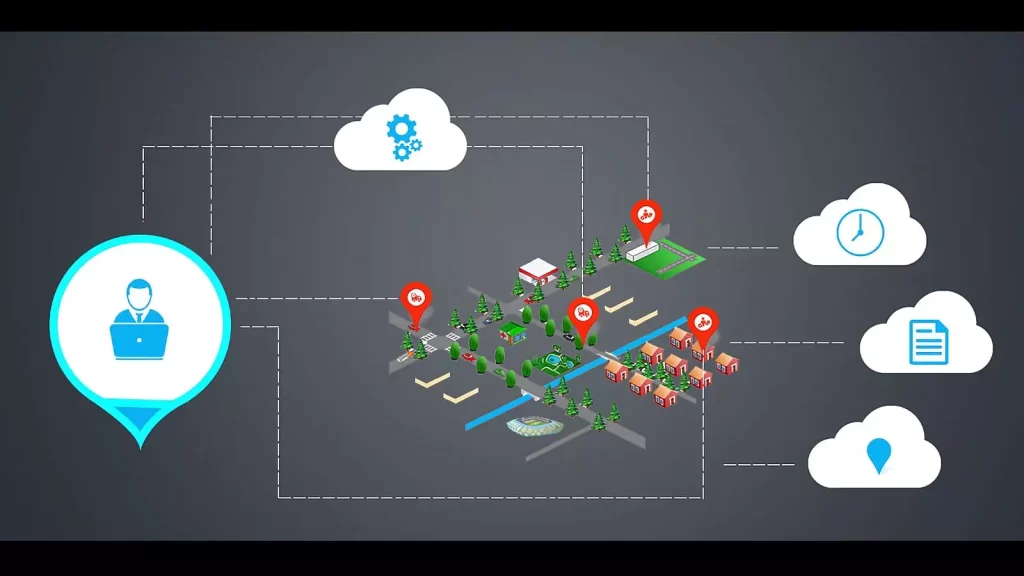
- Scheduling And Dispatching: Leverage advanced tools and technologies, such as field force scheduling software, to automate and streamline scheduling tasks. This approach minimizes manual errors, optimizes resource use, and reduces operational costs. It reduces manual errors, enhances resource utilization, and cuts operational costs.
- Real-Time Tracking: Employ GPS tracker and location tracking technologies to monitor field staff locations. It aids in optimizing routes, reducing travel time and fuel costs, and improving accountability. Geofencing technology can also provide alerts when staff enter or leave specific areas, enhancing route efficiency and customer service.
- Performance Monitoring: Track key metrics such as task completion rate, first-time fix rate, utilization rate, and customer satisfaction scores to evaluate field operations. Use business intelligence tools, customizable dashboards, and data aggregation platforms for in-depth performance analysis and reporting.
- Communication and Collaboration: Implement real-time communication tools to facilitate smooth interaction between field staff and office personnel. It ensures team members stay informed on crucial information, enhancing coordination and decision-making.
Integrating these components effectively enhances field force management, leading to more efficient operations and better service delivery.
How Field Force Management Impacts Your Business Strategy
Field force management is not just an operational tool — it has a direct and measurable impact on your overall business strategy.
1. Data-Driven Decisions One of the most valuable aspects of field force management solutions is the wealth of data they generate. Managers have access to both real-time and historical data to identify trends, spot potential problems, and make informed decisions. Whether tracking individual employee performance, analyzing customer preferences, or understanding which products sell best in which regions — this data directly guides business strategy and ensures resources are allocated where they matter most.
2. Improved Collaboration Across Teams Field force management applications connect different departments within your company. Real-time data from the field can be shared with the warehouse to improve inventory management, or customer feedback from field staff can be instantly passed on to the product development team. This breaks down silos and ensures all parts of your organization work toward a common goal.
3. Adaptability And Scalability As your business grows, so do the challenges of managing a larger field team. Field force management software is designed to scale with your business — from a small team of technicians to a nationwide sales force. Whether you are expanding into new territories or launching new products, the software can be adapted to meet your evolving needs, ensuring your operations remain disciplined and efficient at every stage of growth.
Tips For Managing Your Field Force Effectively

Move Away From A “Sales at Any Cost” Culture
To manage your sales force effectively, moving away from a “sales at any cost” mentality is crucial. This approach often leads to disregarding managerial control in favor of- aggressive sales tactics.
Instead, focus on ethical sales practices that not only- boost sales but also enhance profitability. Ensure your team is well-trained and understands their role in the broader success of the company. Provide clear guidelines, the necessary tools, and resources, and set realistic expectations. Consistent training and recognition for high performance are crucial. Frequent performance evaluations and feedback will help your team meet their targets and stay motivated, maximizing success and minimizing operational costs.
Equip Your Field Team With The Right Tools
Equipping your sales team with the right tools is essential for their success. It is key to provide them with technology that boosts productivity, such as sales automation software, outbound call center software for high-volume client outreach, and customer relationship management (CRM) systems. These tools offer valuable insights into customer data and sales performance, helping track activities and pinpoint areas for improvement. For further enhancement, utilize workforce management software like EmpMonitor which can offer detailed reports on team performance, giving sales managers better oversight. By ensuring your team has access to these necessary technologies, you support their ability to engage with customers effectively, close deals, and meet their targets.Managing employees outside the office also requires visibility into work patterns, attendance, and productivity without constant manual check-ins. For distributed teams, remote employee monitoring solutions can help managers understand how field staff spend their time, stay accountable, and identify workflow issues before they affect performance.
Eliminate Administrative Work For Your Field Team
Administrative tasks can divert your sales team’s focus and drain their resources. To optimize their effectiveness, reduce these administrative burdens. Delegate such tasks to administrative staff or utilize online platforms for management. Establish a tracking and reporting system to monitor progress and identify areas needing attention. EmpMonitor can effectively track performance and manage tasks.
Establishing clear goals for each team member can also help keep them focused on sales rather than administrative duties. By minimizing administrative work, you enable your sales team to concentrate on driving sales and revenue, ultimately leading to greater long-term success in your field service management operations.
To manage your field force effectively, shift from aggressive sales tactics to ethical practices. Provide your team with essential tools, like EmpMonitor for tracking performance, and simplifying administrative tasks. By setting clear goals and offering regular feedback, you’ll enhance productivity and achieve long-term success.
Best Field Force Management Software For Your Business

In a business environment, efficient management of field teams is crucial for operational success. EmpMonitor stands out as a leading field force management software designed to streamline operations, enhance productivity, and ensure real-time oversight of your field staff.
Here’s why EmpMonitor is considered the best choice for managing your field force effectively.
- Live Location Tracking: This feature allows you to monitor your field team’s location in real time. By tracking their movements, you can ensure they are on the job and adhering to their schedules. It helps in optimizing routes, improving response times, and enhancing overall operational efficiency.
- Leave Management: EmpMonitor streamlines the management of employee leave. You can easily process leave requests, track leave balances, and approve or reject requests with just a few clicks. This feature streamlines administrative tasks and ensures that leave management is handled efficiently.
- Task Management: Assign and manage tasks for your field executives with this feature. It enables you to allocate tasks, set deadlines, and monitor progress in real time. It helps keep the team focused and accountable, ensuring that tasks are completed on time and according to specifications.
- Centralized Dashboard: All critical information and functionalities are accessible from a single, integrated dashboard. It provides a comprehensive overview of field operations, allowing you to quickly review performance metrics, track tasks, and manage various aspects of field force management from one central location.
- Geo-Verified Client Visits: Geo-attendance tracking ensures your team visits the correct client locations with geo-verified check-ins. By using location data, this feature verifies that field staff are where they need to be, enhancing accountability and confirming that client visits are conducted as planned.
- Detailed Timeline Review: Review historical location data to gain insights into your team’s activities over time. This feature allows you to analyze productivity, identify areas where efficiency could be improved, and make informed decisions to better allocate resources and enhance overall performance.
EmpMonitor’s comprehensive capabilities provide real-time oversight, streamline task management, and enhance operational efficiency. By leveraging its powerful features, you can ensure that your field force operates with greater accountability and productivity, taking your business operations to new heights.
Read More
Geo Attendance System: The Future Of Employee Management
Employee GPS Tracker: Enrich Work Transparency With EmpMonitor
9 Benefits of Employee Location Tracking for Business Efficiency
Wrapping Up
Effective field force management is crucial for optimizing operations and boosting productivity. In today’s competitive landscape, outdated methods for managing field teams simply will not cut it — whether you are in FMCG, services, or any industry reliant on a mobile workforce.
Employee monitoring software like EmpMonitor provides valuable insights into team performance and productivity. From data-driven decision-making to cross-team collaboration and scalable systems, the right field force management platform becomes the backbone of disciplined, efficient execution. Adopting these practices enhances overall performance and cultivates a more agile and responsive team.
Remember, a well-managed field force is a cornerstone of operational excellence, driving success and delivering outstanding results. Better management, better outcomes.
FAQs
Q. What is a field force in business?
A field force consists of agents, managers, and other personnel working in local offices to generate sales directly in the field. It differs from a sales force, which focuses on creating sales mainly through online channels or telephone calls.
Q. What is field force management also known as?
Field force management is also commonly referred to as Field Service Management (FSM). Both terms describe the process of managing resources deployed at locations outside of company property — including field sales teams, service technicians, delivery personnel, and their associated logistics.
Q. What are the objectives of field force management?
The objectives of field operation management are to enhance the performance of a company’s mobile workforce and boost efficiency in field operations. It involves automating processes to simplify tracking and evaluating team performance and providing support as needed.
Q. What are the various types of field forces?
Field forces can generally be divided into the following segments: Sales, Service, Delivery, Research, Audit, and Marketing.
Q. What happens when field force management is not implemented properly?
Without proper field force management, businesses risk customer disappointments due to missed or delayed service, low productivity from poorly coordinated teams, increased operational costs, and potentially dangerous situations when safety procedures are not followed. It also results in data silos, making it harder for management to make informed decisions.