
Modern businesses no longer struggle with a lack of ideas. They struggle with execution. When multiple people work across projects, deadlines, and tools, clarity becomes the biggest challenge. This is where teams task management becomes the backbone of productivity.
Whether you run a startup, manage a remote workforce, or lead a growing enterprise, mastering teams task management can dramatically improve efficiency, accountability, and results.
In this comprehensive guide, you will learn how to optimize workflows, choose the right tools, and implement strategies that actually work in real-world scenarios.
Hit ‘Play’ Button & Tune Into The Blog!
What Is Teams Task Management?
It refers to the process of organizing, assigning, tracking, and completing tasks within a group. It ensures that everyone knows what they need to do, when they need to do it, and how their work contributes to the bigger picture.
Unlike individual productivity systems, teams task management focuses on collaboration. It aligns team members, reduces confusion, and eliminates duplicated efforts.
When done correctly, it creates a structured workflow where tasks move smoothly from planning to completion.
Effective teams task management also creates a sense of ownership and clarity across the entire team. When responsibilities, priorities, and expectations are clearly defined, team members can focus on execution instead of constantly seeking direction. This not only improves productivity but also builds trust and accountability, ensuring that projects move forward without unnecessary delays or confusion.
Why Teams Task Management Matters More Than Ever?

The way we work has changed. Hybrid and remote environments have made coordination more complex. Without a solid teams task management system, teams often face:
- Missed deadlines
- Poor communication
- Lack of accountability
- Inefficient workflows
A well-implemented teams task management approach brings structure and transparency. It ensures that every team member understands priorities and responsibilities.
It also helps managers make better decisions based on real-time data instead of assumptions.
Also Read:
Task And Project Management: Insider Tips For Success
Team Management Software: How to Boost Productivity and Collaboration
What Are the Key Elements of Effective Teams Task Management?
To build a strong system, you need to understand what makes teams task management truly effective and sustainable in real-world workflows.
1. Clear Task Assignment:
Every task should have a clearly defined owner who is responsible for its completion. This removes ambiguity and ensures that no task gets overlooked or duplicated. Clear ownership also improves accountability and enables faster decision-making when challenges arise.
2. Defined Deadlines:
Deadlines give structure and direction to work. When timelines are properly set, team members can prioritize tasks more effectively and manage their workload without unnecessary stress. It also becomes easier to measure progress and ensure timely delivery.
3. Centralized Communication:
Keeping all task-related communication in one place ensures better clarity and coordination. Teams can easily access updates, feedback, and instructions without searching across multiple channels, reducing confusion and miscommunication.
4. Progress Tracking:
Tracking progress helps teams understand how work is moving and whether it aligns with planned timelines. It allows managers to identify bottlenecks early and take corrective action before delays impact the overall project.
5. Accountability:
A structured system ensures that each team member takes responsibility for their assigned tasks. This builds trust within the team and encourages consistent performance, as everyone understands their role in achieving shared goals.
What Are The Common Challenges In Teams Task Management?

Even with tools and strategies, teams often struggle with teams task management due to practical issues.
Lack of Visibility:
Team members often do not know what others are working on. This leads to duplicated efforts and confusion.
Overloaded Team Members:
Without proper tracking, some employees handle too many tasks while others remain underutilized.
Poor Time Management:
Teams underestimate how long tasks take. This affects planning and delivery.
Communication Gaps:
Miscommunication remains one of the biggest barriers to effective teams task management.
How To Improve Teams Task Management?
Improving teams task management requires a combination of clear strategy, consistent execution, and the right set of tools that support collaboration and visibility.
Set Clear Goals:
Start by defining clear and measurable goals for every project or task. When teams understand the bigger objective and expected outcomes, they can align their efforts more effectively. Clear goals also help in prioritizing tasks, avoiding unnecessary work, and ensuring that everyone is moving in the same direction.
Break Down Tasks:
Large and complex tasks can overwhelm team members and slow down progress. Breaking them into smaller, actionable steps makes execution easier and more manageable. It also allows teams to track progress at each stage, identify delays early, and maintain steady momentum.
Use the Right Tools:
The right tools can simplify workflows and bring structure to your processes. A good system should allow task assignment, progress tracking, and real-time collaboration in one place. With proper tools, teams can reduce manual effort, improve communication, and stay organized without confusion.
Monitor Progress Regularly:
Regular monitoring ensures that tasks stay on track and deadlines are met. Managers should conduct quick check-ins or use dashboards to review progress and identify any bottlenecks. This proactive approach helps resolve issues early and keeps the entire team aligned.
Encourage Transparency:
Transparency creates a culture of trust and accountability within the team. When everyone has visibility into tasks, deadlines, and progress, collaboration becomes smoother. Open communication also encourages team members to share updates, raise concerns, and contribute more effectively to overall success.
How To Choose The Right Tool For Your Team?

Selecting the right platform is critical for effective teams task management.
Many organizations ask: what is the best task management app for teams?
The answer depends on your needs. Some teams need simple task lists, while others require advanced analytics, monitoring, and collaboration features.
A good task management app for teams should include:
- Task assignment and tracking
- Real-time updates
- Reporting and analytics
- Integration with other tools
Introducing EmpMonitor: A Smarter Approach
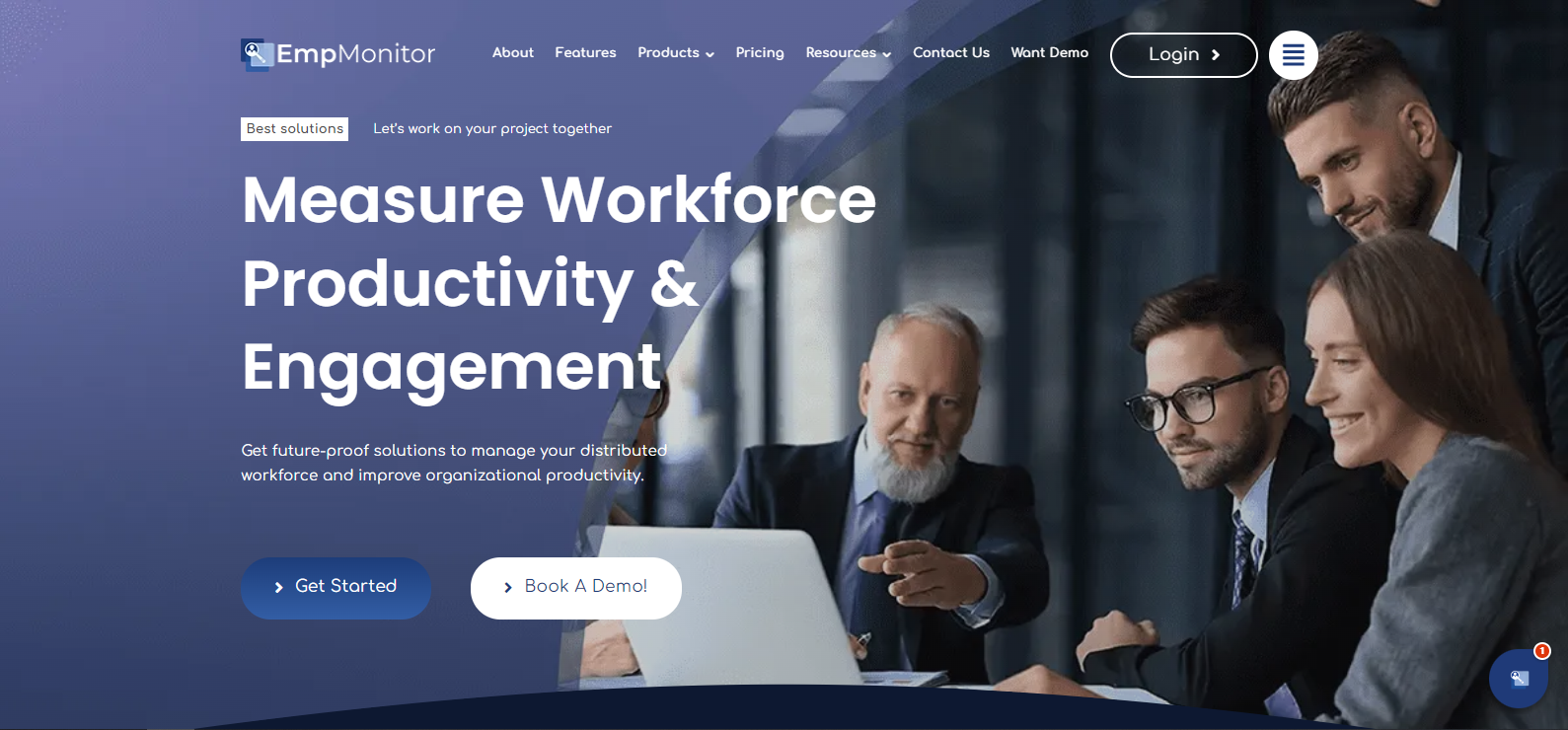
While many tools focus only on assigning tasks, modern businesses need deeper insights. This is where EmpMonitor enhances teams task management.
EmpMonitor goes beyond basic functionality. It combines task tracking with workforce analytics, giving teams a complete view of productivity and performance.
By integrating EmpMonitor into your workflow, you can elevate teams task management from simple coordination to data-driven execution.
EmpMonitor Features That Transform Teams Task Management
1. Time Tracking for Accurate Work Insights
Time tracking is the foundation of effective teams task management because it reveals how time is actually spent on tasks. EmpMonitor provides detailed, real-time timesheets that capture productive and idle hours with precision. Managers can identify inefficiencies, optimize workloads, and ensure that deadlines are realistic. This level of visibility helps teams stay accountable while improving overall performance without guesswork.
2. User Activity Monitoring for Smarter Decision-Making
EmpMonitor’s user activity monitoring gives deep insights into daily work patterns. It shows which applications and processes consume the most time, helping managers understand how tasks are executed. This improves teams task management by allowing leaders to eliminate distractions, refine workflows, and ensure that team efforts align with business goals.
3. Project Management for Streamlined Collaboration
A strong project management system is essential for organizing and executing tasks efficiently. EmpMonitor enables teams to assign responsibilities, track progress, and manage deadlines within a unified platform. This eliminates confusion and ensures that every team member knows their role, making teams task management more structured, transparent, and goal-oriented.
4. Real-Time Activity Tracking for Complete Visibility
Real-time tracking provides instant insights into what team members are working on at any given moment. EmpMonitor allows managers to monitor application usage, website activity, and productivity levels through a centralized dashboard. This enhances teams task management by helping leaders quickly identify bottlenecks, redistribute workloads, and maintain consistent productivity across the team.
5. Workforce Productivity & Engagement for Better Outcomes
Beyond tracking, EmpMonitor focuses on improving how teams work. It analyzes workflow patterns and provides actionable insights that help boost engagement and efficiency. When employees feel supported and workflows are optimized, teams task management becomes more effective, leading to higher-quality outputs and better team morale.
6. Attendance Monitoring for Workforce Consistency
Reliable attendance tracking plays a crucial role in maintaining smooth operations. EmpMonitor simplifies attendance and leave management through a centralized system, ensuring accurate records and easy access. This supports teams task management and strengthens the value of team management software, helping managers plan resources effectively and avoid disruptions caused by unexpected absences.
What Are The Benefits Of Using Empmonitor For Teams Task Management?
When used effectively, EmpMonitor improves how teams manage tasks by adding clarity, control, and data-driven insights.
- Better Visibility into Team Performance: Get real-time insights into what your team is working on and how tasks are progressing.
- Improved Accountability: Clear tracking ensures every team member stays responsible for their assigned work.
- Data-Driven Decision-Making: Use detailed reports and analytics to make smarter workflow and resource decisions.
- Enhanced Productivity: Identify inefficiencies and optimize time usage to improve overall team output.
- Stronger Collaboration: Shared visibility and updates help teams communicate better and stay aligned.
EmpMonitor helps turn traditional task management into a more structured and efficient system.
What Are The Best Practices For Teams Task Management In 2026?
To stay competitive in 2026, businesses need to adopt smarter and more flexible approaches to managing team tasks.
Focus on Outcomes, Not Just Tasks:
Instead of tracking only activity, teams should focus on results and impact. Measuring outcomes ensures that efforts contribute directly to business goals and improves overall efficiency.
Automate Repetitive Work:
Automation helps eliminate manual and repetitive tasks such as updates, reminders, and reporting. This saves time, reduces errors, and allows teams to focus on high-value work.
Use Data for Decision Making:
Analytics play a key role in improving workflows. By using performance data and insights, managers can identify gaps, optimize processes, and make more informed decisions.
Encourage Team Collaboration:
Strong collaboration leads to better ideas and faster execution. Providing teams with shared platforms and open communication channels helps improve coordination and overall productivity.
What Are The Future Trends In Teams Task Management?
The future of teams task management will be shaped by evolving technology and modern work environments.
- AI Integration: AI will automate task prioritization, scheduling, and resource allocation, making workflows faster and more efficient.
- Remote Work Optimization: Tools will focus on improving collaboration and tracking performance for remote and hybrid teams.
- Real-Time Analytics: Instant insights will help teams monitor progress and make quicker, data-driven decisions.
- Enhanced Security: Security features will become essential to protect data and ensure safe collaboration across teams.
Final Thoughts
Effective task coordination is no longer optional. It has become essential for success in today’s fast-paced business environment where teams handle multiple priorities at once.
By implementing the right strategies and tools, organizations can streamline workflows, reduce confusion, and achieve better results with less effort. A structured approach helps teams stay aligned, meet deadlines consistently, and maintain a clear focus on goals.
EmpMonitor stands out as a comprehensive solution that not only supports teams task management but also enhances productivity, accountability, and security through data-driven insights.
If you want to build a high-performing team, now is the time to invest in smarter systems, improve collaboration, and create a more efficient way of working that drives long-term success.
FAQs
1. How can small teams implement teams task management without complex tools?
Small teams can start with simple workflows like shared task lists, clear ownership, and regular check-ins. As the team grows, they can gradually adopt more advanced tools to scale operations efficiently.
2. How do you prioritize tasks effectively in a team environment?
Prioritization works best when tasks align with business goals. Teams should categorize tasks based on urgency and impact, ensuring that high-value activities get immediate attention.
3. What role does accountability play in team productivity?
Accountability ensures that every team member takes ownership of their responsibilities. A clear process helps define roles, making it easier to track progress and maintain performance standards.
4. How can managers avoid micromanaging while tracking tasks?
Managers should focus on outcomes rather than constant supervision. Using data-driven insights helps track performance without interfering with employee autonomy.
5. How often should teams review their task management process?
Teams should review their workflows weekly or monthly. Regular evaluations help identify inefficiencies and improve overall productivity while keeping teams aligned.