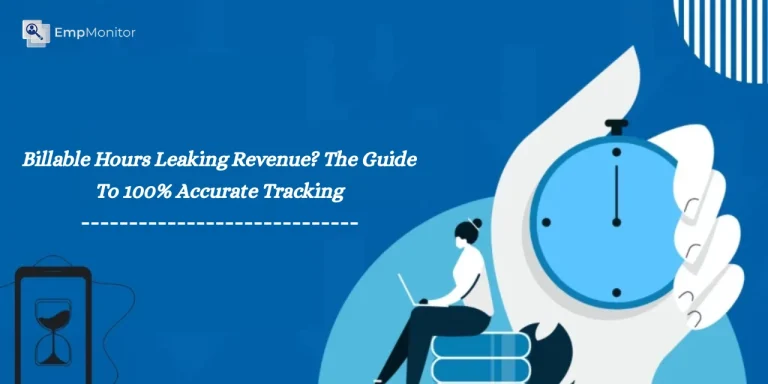
In the modern workplace, tracking billable hours accurately is essential for maximizing revenue, improving client trust, and ensuring operational efficiency. For professionals in consulting, law, freelancing, or any service-based business, every minute counts. Mismanaged time can lead to lost revenue, inaccurate invoicing, and strained client relationships.
With the rise of remote teams and distributed workforces, traditional methods like spreadsheets and manual timesheets are no longer sufficient. Businesses now require advanced tools and strategies to monitor productivity and optimize billing processes.
Why Billable Hours Matter?
They are the lifeblood of service-based businesses. Accurately recorded hours ensure clients are billed correctly and employees’ work is properly valued. When organizations fail to track these hours effectively, they risk:
- Lost revenue due to unrecorded work.
- Disputes with clients over invoicing discrepancies.
- Reduced transparency and trust.
- Inefficient workforce allocation.
Tracking billable hours also enables managers to analyze productivity patterns, identify top performers, and forecast project costs accurately. Proper monitoring supports financial planning and resource allocation, ensuring teams remain efficient and accountable.
What Are The Common Challenges In Tracking Billable Hours?

Despite its importance, accurately monitoring work hours is often challenging due to:
- Manual Time Logs: Employees may forget to record their work, leading to incomplete or inaccurate records.
- Multitasking and Interruptions: Employees often work on multiple projects simultaneously, making it difficult to allocate time correctly.
- Remote Work Complexity: Managers cannot directly observe employees, increasing the risk of untracked hours.
- Discrepancies in Billing: Manual calculations can result in underbilling or overbilling, harming revenue and client relationships.
- Lack of Standardization: Without standardized processes, different employees may track time differently, reducing consistency.
These challenges highlight the need for automated systems to monitor time, track productivity, and ensure billable hours are captured accurately.
How To Track Billable Hours Accurately?
To prevent revenue loss and maximize efficiency, organizations should follow best practices for how to track billable hours accurately:
Set Clear Definitions:
Clearly distinguish between billable and non-billable tasks. Communicate guidelines to all employees so everyone records time consistently and avoids disputes over client billing.
Use Digital Tools:
Adopt automated platforms that capture working hours, track task activity, and generate timesheets. Digital tools reduce human error, save administrative effort, and provide reliable audit trails.
Regular Updates:
Encourage employees to log time in real-time rather than at the end of the day or week. This ensures accuracy, minimizes forgotten hours, and provides managers with up-to-date insights into project progress.
Project Integration:
Link time tracking directly to specific projects, tasks, or clients. Doing so provides clear context for each hour worked, simplifies project cost analysis, ensures accurate client invoicing, and allows managers to effectively evaluate team performance and resource allocation.
Monitor Trends:
Analyze recorded hours to identify productivity patterns, idle periods, or workflow inefficiencies. Data-driven insights help managers adjust staffing, reassign tasks, and optimize resource allocation.
Platforms like EmpMonitor simplify this process by automatically tracking employee work, monitoring activity, and generating detailed reports. By combining accurate time capture with actionable analytics, businesses can ensure all billable hours are accounted for without increasing administrative workload.
The Role Of Time Tracking For Revenue
Time tracking is not just about recording hours; it is a revenue-driving practice. By understanding how employees spend their time, businesses can:
- Accurately invoice clients based on actual work performed.
- Prevent lost revenue from unrecorded hours.
- Identify inefficient processes and areas for improvement.
- Allocate resources effectively across multiple projects.
Real-time dashboards in tools like EmpMonitor allow managers to monitor employee activity, project progress, and task completion. This ensures all work is captured for billing while also offering insights into team performance and operational efficiency.
How Can You Maintain Accurate Billing Methods?

Maintaining accurate billing methods is essential for preventing client disputes, ensuring fair compensation, and sustaining profitability. To achieve this, organizations should adopt structured practices:
Standardized Timesheets:
Use uniform timesheet formats across all employees to ensure consistent recording of hours. Clear guidelines prevent confusion and make audits straightforward.
Task-Based Billing:
Assign time to specific projects, tasks, or clients. This transparency allows managers and clients to see exactly where hours are spent and ensures precise invoicing.
Automated Invoicing:
Integrate time-tracking platforms with billing software to generate invoices automatically. This reduces manual errors, saves administrative time, and accelerates the billing cycle.
Regular Audits:
Periodically review recorded hours and invoices to confirm accuracy, catch discrepancies, and maintain compliance with organizational or client policies.
Tools like EmpMonitor make accurate billing effortless by automatically capturing employee activity, tracking project-specific hours, and producing comprehensive, error-free timesheets. With these practices, organizations can ensure all work is properly accounted for, improve financial accuracy, and maintain trust with clients.
Also Read:
How To Track Billable Hours in 5 Easy Steps In 2025?
Non Billable Hours vs. Billable: How To Maximize Earnings In 2025?
How Can Businesses Prevent Lost Revenue From Billable Hours?
Organizations risk losing substantial revenue when work hours are not accurately recorded. Common causes of these losses include:
- Employees forgetting to log tasks.
- Multitasking without proper project allocation.
- Miscommunication about billable versus non-billable work.
By using automated tools like EmpMonitor, businesses can track all productive activity in real-time, capture idle periods, and generate accurate reports. This not only prevents lost revenue but also ensures accountability and transparency across the organization.
Additionally, analyzing these reports allows managers to identify recurring issues, optimize workflows, and provide targeted support where needed. Implementing these insights ensures every hour worked is captured accurately, maximizing revenue and improving overall team efficiency.
How EmpMonitor Supports Billable Hour Management?
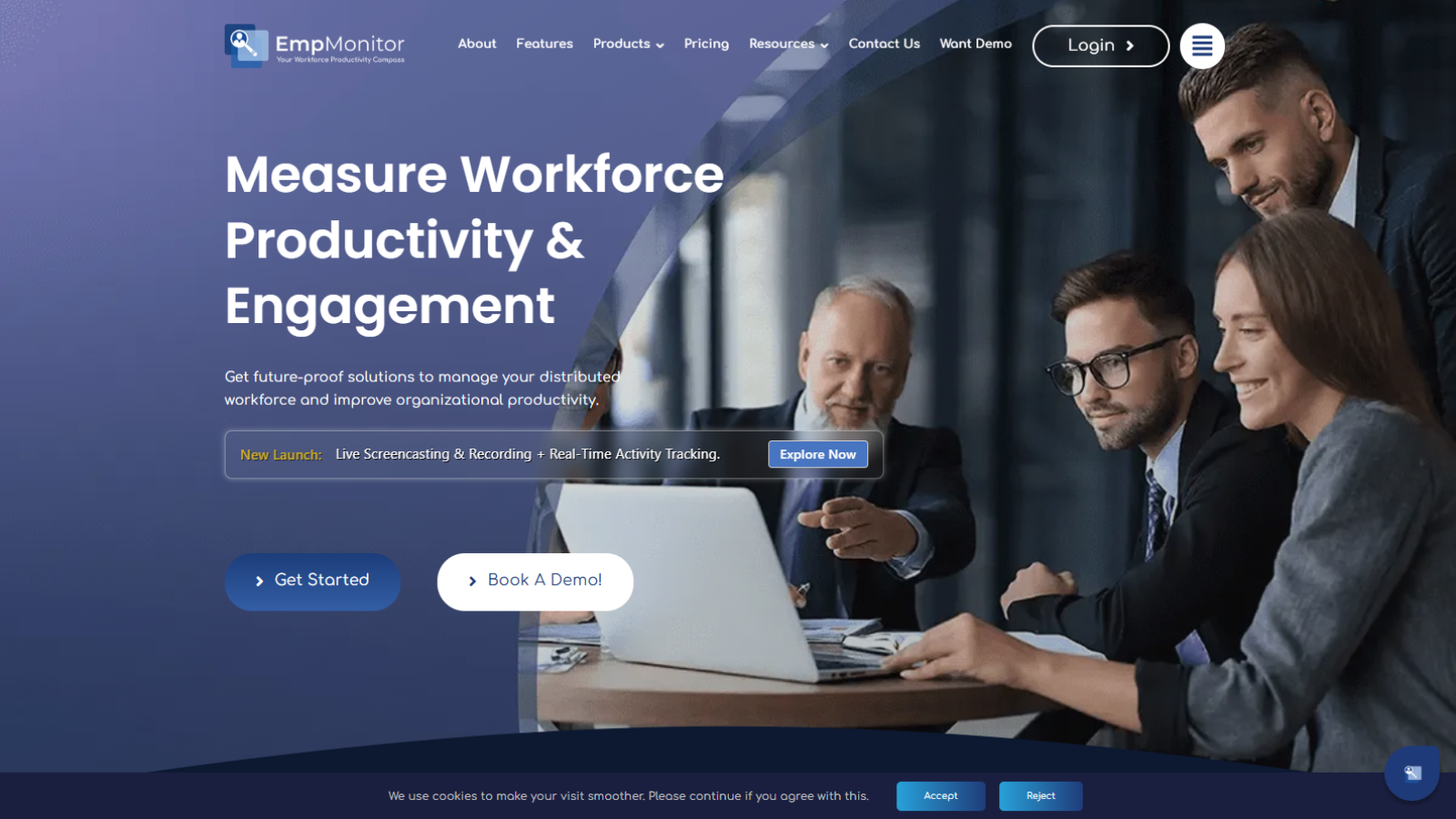
EmpMonitor delivers a complete solution for managing work hours efficiently, providing accurate tracking, fostering accountability, and safeguarding organizational revenue.
Time Tracking:
Monitors working hours, break times, and active work periods with precision. This allows managers to capture every billable minute accurately and ensures employees’ contributions are recorded correctly.
Activity Monitoring:
Provides detailed insights into application usage, tasks performed, and idle periods. This helps validate work, identify productivity patterns, and ensure that all client-related tasks are accounted for.
Attendance Management:
Tracks login times, shifts, and leave records to maintain team accountability. By automating attendance tracking, businesses prevent missed hours and reduce discrepancies in billable time.
Real-Time Dashboards:
Managers gain instant visibility into team performance, hours logged per project, and individual productivity trends. This enables quick decision-making, resource allocation, and identification of any potential bottlenecks.
Project & Workflow Integration:
EmpMonitor allows tasks to be assigned, progress monitored, and work directly linked to client projects. This ensures that all billable work is tracked in context, simplifies invoicing, and enhances project transparency.
By centralizing these functions, EmpMonitor helps organizations optimize productivity, minimize billing errors, and protect revenue from unrecorded or missed billable hours. The platform transforms time tracking from a manual task into an actionable, data-driven process that drives profitability.
Best Practices To Optimize Billable Hours
To maximize productivity, ensure accurate invoicing, and protect revenue, organizations should adopt these best practices:
- Define Billable and Non-Billable Work Clearly: Clearly communicate which tasks contribute to client billing versus internal or administrative work. Providing examples and guidelines ensures employees log time consistently and prevents disputes during invoicing.
- Encourage Real-Time Tracking: Prompt employees to record hours immediately as they work. Real-time logging minimizes forgotten tasks, reduces errors, and gives managers an up-to-date view of project progress.
- Integrate with Project Management: Integrate time-tracking tools directly with project boards and task lists. This provides context for each recorded hour, enhances reporting accuracy, simplifies reconciliation with specific deliverables, and ensures managers can clearly assess project progress and resource allocation.
- Leverage Analytics: Analyze trends in logged hours, idle times, and task completion rates to identify bottlenecks or inefficiencies. Using these insights, managers can optimize workflows, allocate resources better, and enhance overall productivity.
- Regularly Review and Adjust: Periodically audit timesheets and compare them with project progress. Adjust billing practices and internal processes as needed to reflect actual work, ensuring accountability and accuracy in client invoices.
Implementing these strategies ensures all billable hours are accurately captured, boosts team accountability, supports informed decision-making, and builds stronger client trust through precise and transparent invoicing.
Conclusion
Tracking billable hours effectively is critical for revenue generation, operational efficiency, and client satisfaction. By implementing digital tools, defining clear processes, and monitoring performance in real-time, businesses can prevent lost revenue, improve accuracy, and maintain productive teams.
EmpMonitor plays a central role in this process by providing time tracking, activity monitoring, attendance management, and project integration in a single platform. Organizations that leverage such tools can maximize billable hours, enhance transparency, and make data-driven decisions that improve profitability and team performance.
For businesses looking to streamline operations and ensure no hour goes unaccounted for, EmpMonitor offers an intuitive, all-in-one solution designed to boost productivity and protect revenue effortlessly.
Accurate tracking, combined with optimized workflows and employee accountability, ensures that every hour worked contributes meaningfully to business success.
FAQs
- What are billable hours and why are they important?
They represent the time spent on tasks that can be charged to clients. Tracking them accurately ensures fair client billing and prevents revenue loss. - How can I track billable hours effectively for my team?
Using digital time-tracking tools and project management software helps monitor work in real-time, assign hours to specific tasks, and maintain accurate records. - What are common mistakes that lead to lost billable hours?
Common issues include failing to log time in real-time, multitasking without proper tracking, and unclear differentiation between billable and non-billable tasks. - Can automated systems improve billing accuracy?
Yes. Automated time-tracking and activity monitoring systems reduce errors, ensure consistent recording, and simplify invoicing processes. - How often should billable hours be reviewed?
Regular review, such as weekly or monthly, ensures that hours are logged correctly, discrepancies are corrected, and reporting remains accurate.