Information classification helps organizations manage and protect the vast amount of data they handle daily, from personal details to confidential documents. Since not all information holds the same importance, this process ensures data is organized, secure, and used wisely.
In this guide, we’ll explain what information classification is, why it matters, and how businesses can implement it effectively.
In a hurry? Listen to the blog instead!
What Is Information Classification?
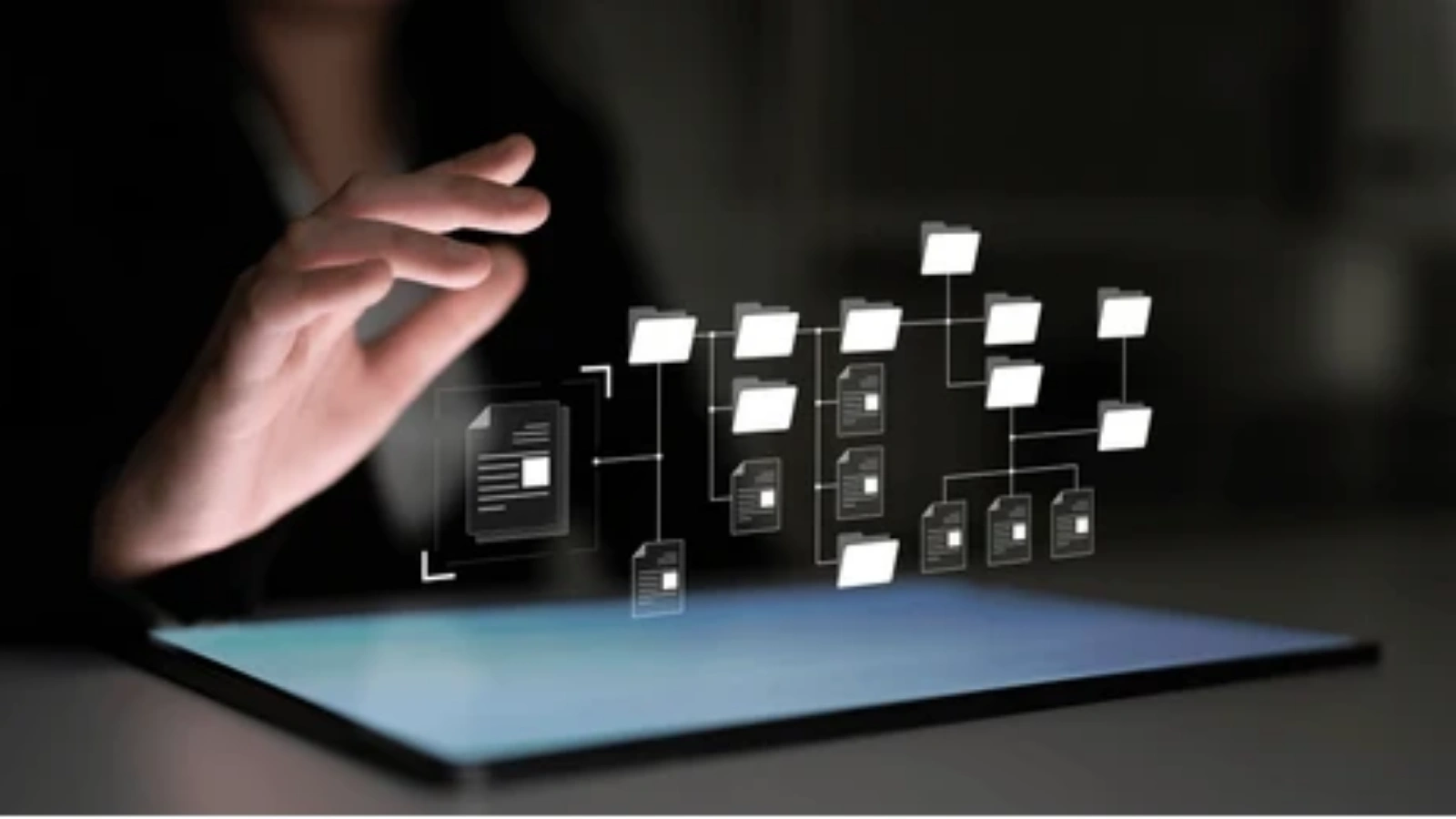
It is the process of categorizing data based on its sensitivity, value, and importance to an organization. It helps determine how data should be handled, protected, stored, and shared within and outside the organization.
This process ensures that highly sensitive information, such as financial details, customer records, or trade secrets, receives stronger protection than routine or public data.
For example, while a company’s public press release can be shared openly, employee payroll data should be restricted to authorized personnel only. Information taxonomy ensures such distinctions are maintained consistently across the organization.
Why Information Classification Is Crucial For Businesses?
It is not just a security measure, it’s a strategic business necessity. As data breaches, cyber threats, and compliance requirements continue to grow, companies need structured systems to manage their information assets responsibly and strengthen overall data protection.
Let’s look at why information classification holds such critical importance today:
- Protects Sensitive Data: By identifying and labeling sensitive data, organizations can apply the right level of protection and prevent unauthorized access or leaks.
- Ensures Regulatory Compliance: Many industries, such as healthcare, finance, and government, are governed by strict data protection laws. A structured data management system helps organizations comply with standards like GDPR, HIPAA, or ISO 27001 by defining how each data type should be handled.
- Enhances Operational Efficiency: When employees know the value and confidentiality level of the data they’re dealing with, they can manage it more efficiently and avoid mishandling or duplication.
- Facilitates Risk Management: Information classification enables organizations to assess the risk associated with data exposure. It helps prioritize protection for information that poses the greatest threat if compromised.
- Builds Customer Trust: Clients and stakeholders trust organizations that demonstrate accountability in managing and protecting their data. A robust data management policy builds long-term credibility.
Also Read:
The Ultimate Guide To Employee Data Protection In 2025
How Information Classification Works?

This process typically involves several stages, from identifying data to assigning labels and enforcing protection measures. Data classification is based on factors like sensitivity, confidentiality, and business impact, and these same principles guide effective information classification. Here’s how it generally works:
Step 1: Identify Information Assets:
The first step is to determine what information the organization holds, documents, databases, emails, images, reports, or intellectual property. Each type of information should be listed and mapped to its source.
Step 2: Evaluate Data Sensitivity:
Once identified, each piece of information is assessed based on sensitivity and business impact. For instance, data containing customer names, addresses, or credit card details would be classified as highly sensitive.
Step 3: Assign Classification Levels:
Next, information is labeled according to predefined categories (for example: public, internal, confidential, or restricted). These categories represent the degree of protection required.
Step 4: Apply Security Controls:
Based on its classification, each type of data receives specific protection measures such as encryption, limited access, or multi-factor authentication.
Step 5: Review and Update Regularly:
Data categorization is not a one-time process. Organizations must review and update classifications as data evolves, new regulations emerge, or business priorities shift.
By following these steps, organizations can ensure that every piece of information is properly protected and managed throughout its lifecycle.
Which Categories Are Used In Information Classification?
Organizations use classification categories to clearly define how data should be treated. Though labels may vary, most systems use four primary levels:
- Public Information: This information can be freely shared without risk. Examples include marketing materials, company brochures, or published reports.
- Internal Information: This data is meant for internal use only but does not pose significant damage if disclosed. Examples include employee schedules or internal newsletters.
- Confidential Information: Confidential data is sensitive and requires limited access. Examples include financial statements, customer details, or business strategies.
- Restricted Information: This is the highest classification level. Unauthorized disclosure of restricted data can cause severe damage. Examples include trade secrets, merger details, or government data.
A proper data categorization system ensures that each of these levels is consistently applied and monitored across all departments, supporting smarter decision-making with the help of location intelligence.
Information Classification vs. Data Classification
Many people use these two terms interchangeably, but they serve slightly different purposes within an organization.
- Data classification primarily focuses on digital assets, such as files, emails, databases, and other electronic records. Its main goal is to categorize data based on sensitivity and apply the right security controls.
- Information categorization, however, has a broader scope. It includes not just digital data but also physical documents, printed reports, verbal communication, and handwritten notes.
In essence, data classification is a part of the larger information categorization framework.
When both are applied together, they create a comprehensive system that ensures all types of organizational information are securely managed and efficiently protected.
Benefits Of Implementing An Information Classification System

A well-designed data categorization framework brings numerous benefits across the organization. Let’s explore the major advantages:
Improved Security Posture:
Classifying information ensures that critical data receives maximum protection, reducing the likelihood of data breaches or insider threats.
Streamlined Data Management:
Employees can easily identify what type of information they’re handling, leading to faster decision-making and reduced confusion about data handling protocols.
Cost-Effective Resource Allocation:
Not all data requires the same level of security investment. By classifying information, companies can focus resources on protecting high-value assets.
Simplified Compliance:
Information classification makes audits and compliance reporting more straightforward by providing clear documentation of how data is managed.
Enhanced Collaboration:
Clear classification guidelines foster secure collaboration across teams, departments, and partners without risking data leaks.
Support for Cloud Security:
With growing cloud adoption, a structured data categorization approach helps organizations determine which data can be stored or shared externally and which must remain in secure on-premises systems.
To manage these benefits effectively, tools like EmpMonitor help organizations monitor data use, track user activity, and ensure classified information remains secure across teams and devices.
How Information Classification Supports Data Governance?
Strong data governance depends heavily on a well-defined data categorization process. It ensures that data handling aligns with business objectives, privacy laws, and security frameworks.
When organizations understand what information they possess and how it’s classified, they can enforce policies more effectively, improve audit readiness, and respond to incidents faster.
This structured approach minimizes data silos and ensures every department follows the same governance principles, promoting transparency and trust across the organization.
Also Read:
Location Intelligence: The Ultimate Guide With Insights
Information Classification And Data Protection Laws

Modern regulations around data privacy, such as GDPR (Europe), CCPA (California), and India’s Digital Personal Data Protection Act, demand clear accountability in how data is handled.
A structured data categorization system is the foundation of compliance with these laws. It helps organizations identify personal, confidential, and regulated information, ensuring each receives the protection required under relevant regulations.
Failure to classify and protect sensitive data can lead to penalties, reputational damage, and customer mistrust.
What Are The Emerging Trends In Information Classification?
The landscape of data categorization continues to evolve as technology advances. Some of the key trends shaping the future include:
AI-Driven Classification:
Leveraging artificial intelligence to automate the classification process using natural language processing and pattern recognition, ensuring faster and more accurate results.
Real-Time Data Monitoring:
Continuous scanning of new data to ensure instant classification and risk detection. Tools like EmpMonitor enhance this process by providing real-time activity tracking, allowing organizations to monitor data access, employee activity, and potential anomalies instantly.
Integration with Zero-Trust Models:
Incorporating classification into identity and access management frameworks to ensure users only access data aligned with their role and authorization.
Privacy-First Design:
Embedding data protection and classification policies directly into software development and cloud infrastructure to ensure privacy from the ground up.
These trends ensure that information classification remains dynamic, secure, and adaptive in today’s ever-changing digital ecosystem.
7 Steps To Develop An Information Classification Policy
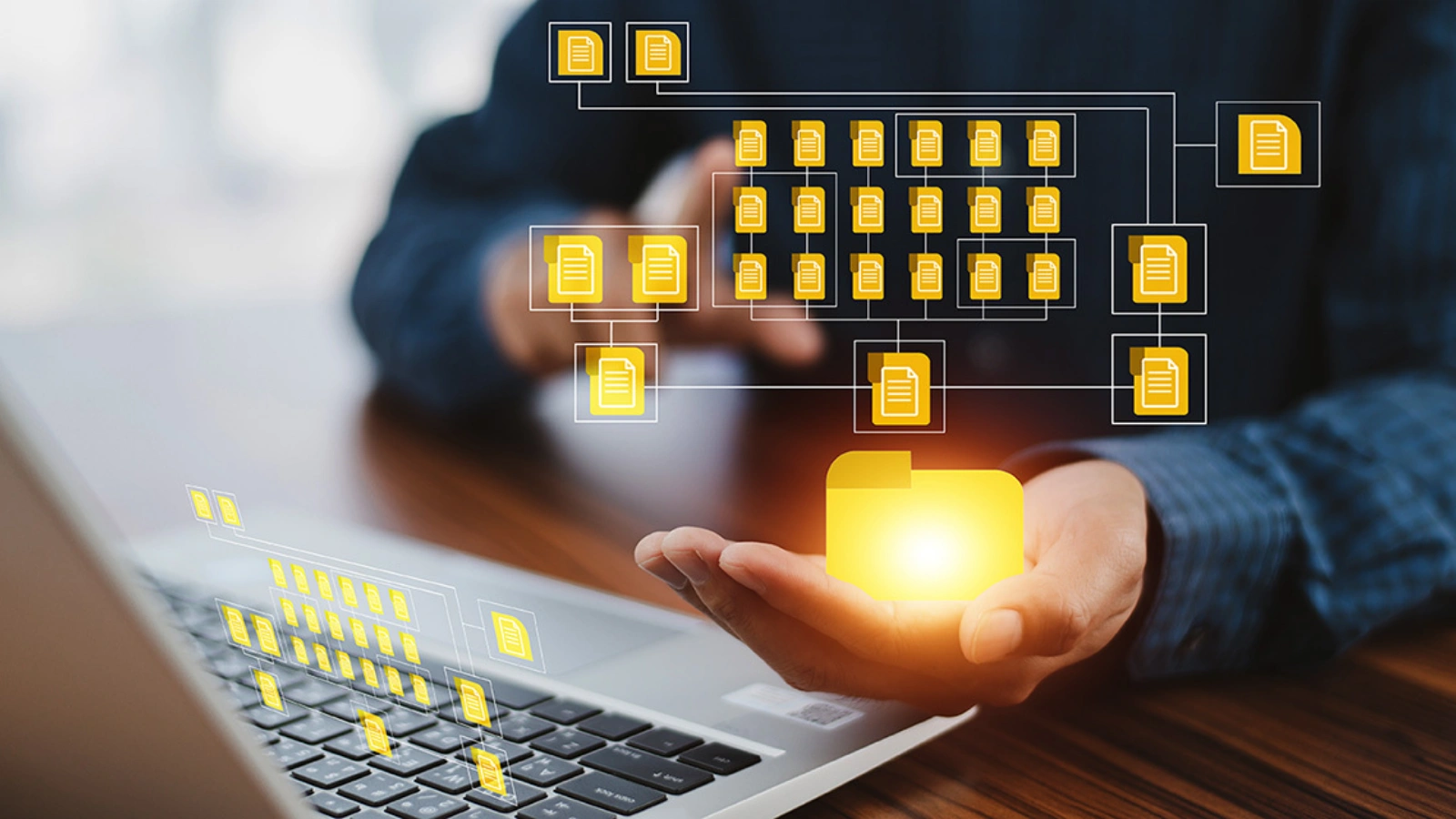
Creating a well-structured policy is the first step toward effective data categorization. Here’s how to build one from scratch:
- Define Objectives: Clearly outline why your organization needs a structured data categorization process, whether for compliance, risk management, or operational efficiency.
- Establish Classification Categories: Decide the classification levels and provide detailed definitions for each.
- Assign Roles and Responsibilities: Specify who is responsible for classifying, labeling, and reviewing information.
- Develop Labeling Standards: Use consistent visual indicators, such as digital tags, headers, or stamps, to identify the classification level.
- Integrate Technology Tools: Leverage data discovery and classification tools that automatically identify and label sensitive data.
- Train Employees: Conduct regular training sessions to educate staff on classification policies and procedures.
- Monitor and Audit Regularly:Review classification accuracy periodically to ensure continued compliance and efficiency.
Together, these steps form the foundation of an effective policy that strengthens data governance and promotes responsible information handling.
Best Practices For Implementing Information Classification
For a smooth and effective implementation, organizations should follow these best practices:
- Start Small: Begin with a pilot project before scaling organization-wide.
- Engage Stakeholders: Involve IT, legal, compliance, and business teams in planning.
- Use Clear Labels: Avoid overly complex classification systems.
- Integrate with Security Policies: Ensure alignment with access control, encryption, and retention policies.
- Monitor Regularly: Review classifications as part of routine audits.
- Update with Change: Reassess classifications when regulations or business processes evolve.
By following these best practices, organizations can ensure their data categorization efforts are efficient, compliant, and sustainable.
How Data Classification Levels Help Decision-Making?
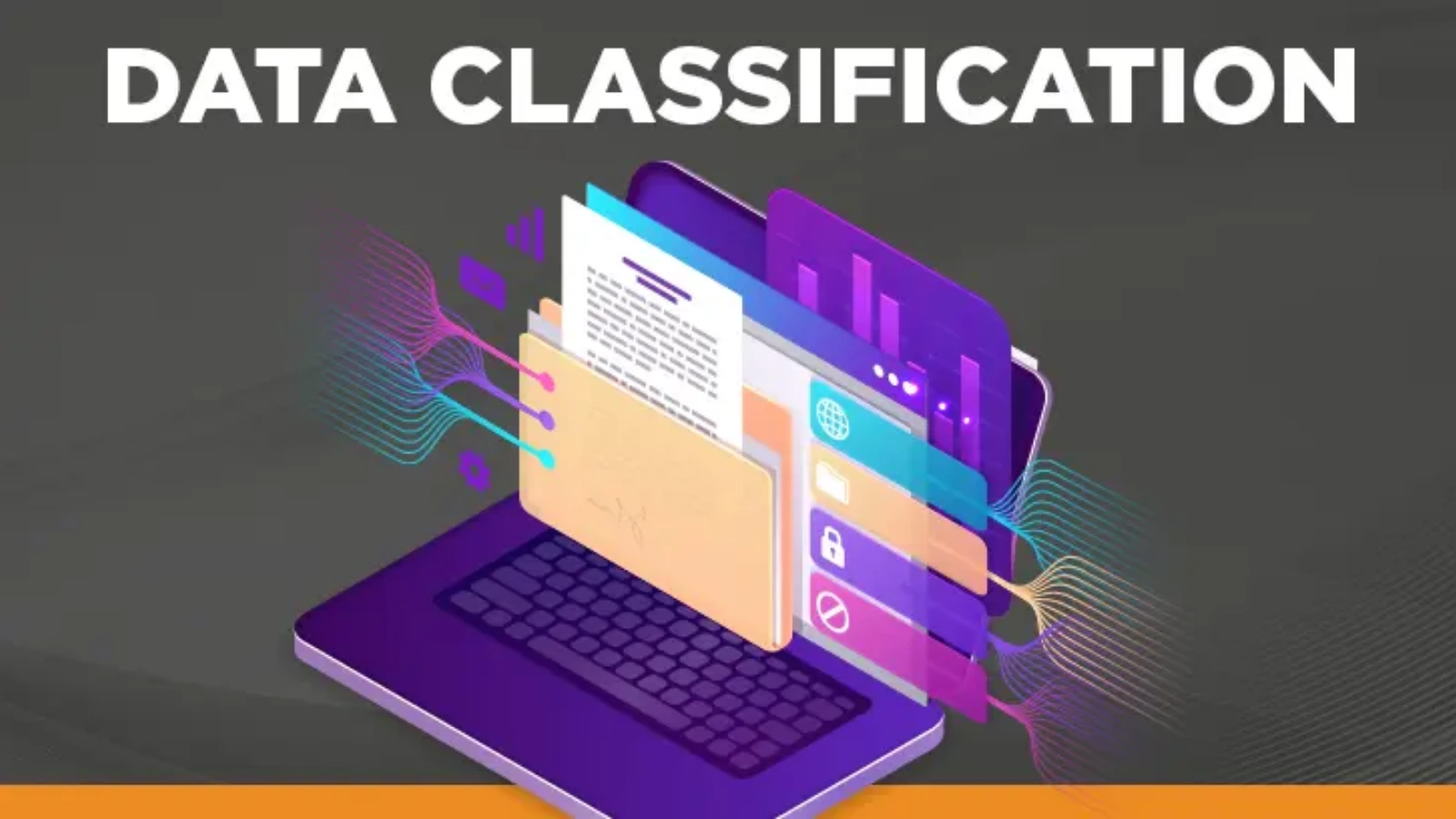
When discussing data sensitivity, organizations often refer to data classification levels. These levels define how valuable and confidential the data is, guiding decision-makers in assigning appropriate resources and protections.
For instance, management can decide that “restricted” information requires encryption and multi-factor authentication, while “public” data can be shared freely.
This alignment of information classification with decision-making enables consistent data handling policies and reduces ambiguity in daily operations.
Information Classification And Data Categorisation
In essence, data categorisation is a subset of broader information management practices. While data categorisation organizes data into logical groups (such as customer data, financial data, or product data), information management focuses on the sensitivity and confidentiality of that information.
Both are essential for efficient data management, categorisation helps organize data by type, while classification determines its protection level.
How EmpMonitor Strengthens Data Security?
Implementing information classification becomes more efficient when supported by a comprehensive monitoring and management solution. EmpMonitor is designed to help organizations gain full visibility into workforce activity, ensuring data security, productivity, and compliance go hand in hand.
1. Employee Monitoring Software:
EmpMonitor offers detailed insights into team performance by tracking daily and hourly activities. It helps identify workflow patterns, monitor digital behavior, and strengthen accountability.
These insights support better alignment between employee actions and organizational information security standards.
2. Time-Tracking and Productivity Insights:
With EmpMonitor’s intelligent time-tracking tools, businesses can analyze productive and idle hours, assess performance trends, and generate accurate time reports. This data-driven visibility helps ensure sensitive information is handled efficiently and responsibly during working hours.
3. Insider Threat Prevention:
EmpMonitor also enhances data protection implementation by identifying and mitigating insider threats. It tracks suspicious activity on restricted platforms, detects potential misuse, and alerts administrators before issues escalate, providing an added layer of defense against internal risks.
4. Attendance and Engagement Management:
Through digital attendance monitoring and leave tracking, EmpMonitor simplifies HR workflows while ensuring data accuracy and compliance. Its centralized dashboard makes it easier to monitor employee consistency and ensure transparency in attendance records.
5. Real-Time Activity and Live Monitoring:
EmpMonitor’s real-time tracking and live screencasting features allow administrators to view user activity instantly. It promotes accountability while ensuring that classified or sensitive data isn’t accessed or shared inappropriately.
6. Project Management and Collaboration:
Beyond monitoring, EmpMonitor also provides project management tools that streamline workflows and boost collaboration. It helps teams stay on track, optimize resource allocation, and maintain productivity while upholding information governance policies.
Why EmpMonitor Complements Information Classification?
By combining intelligent analytics, user monitoring, and secure reporting, EmpMonitor empowers organizations to strengthen data categorization practices. It also provides you with the option to define peers in your organization to manage data accessibility, ensuring better security. This bridges the gap between policy and execution, turning compliance goals into measurable, actionable results.
With EmpMonitor’s 15-day free trial, businesses can explore its full suite of features and witness how it simplifies employee monitoring while safeguarding valuable information assets.
Final Thoughts
Information is one of the most valuable assets of any organization. Without proper management and protection, it can become a source of vulnerability rather than strength.
Information classification helps organizations strike the right balance between accessibility and security, ensuring every piece of information is treated according to its importance and sensitivity.
In a world where data is the new currency, information classification isn’t just an option, it’s a necessity for every responsible, future-ready business. EmpMonitor makes this even easier by ensuring secure and efficient data handling.
FAQs
1. What are the key challenges organizations face when starting data categorization?
Many organizations struggle with accurately identifying sensitive data, maintaining consistency across departments, and balancing data accessibility with security. These challenges can be minimized by using automated tools and clear classification policies.
2. How often should data categorization policies be reviewed or updated?
It’s recommended to review data categorization policies at least once a year or whenever there’s a major change in regulations, business operations, or technology infrastructure. Regular updates ensure continued compliance and relevance.
3. Can small businesses also benefit from data categorization systems?
Absolutely. Even small organizations handle valuable data that requires protection. Implementing a basic data categorization system helps small businesses safeguard customer details, ensure regulatory compliance, and maintain trust without high costs.