Strong employee management is not only about tracking attendance or assigning tasks. It’s about understanding how time, effort, and work actually come together during the day. Many managers assume that if employees are present and projects are moving, the system is working.
But in reality, employee management often becomes difficult when visibility is limited. A team lead may see attendance reports, meetings may happen on time, and tasks may be assigned correctly, yet productivity slowly declines.
This case study shows how one manager improved employee management by gaining better visibility into daily work activity. With the help of EmpMonitor, the manager was able to understand how work hours were being used, support the team more effectively, and strengthen the overall approach to workforce management.
Listen To The Podcast!
The Office That Looked Like It Was Working
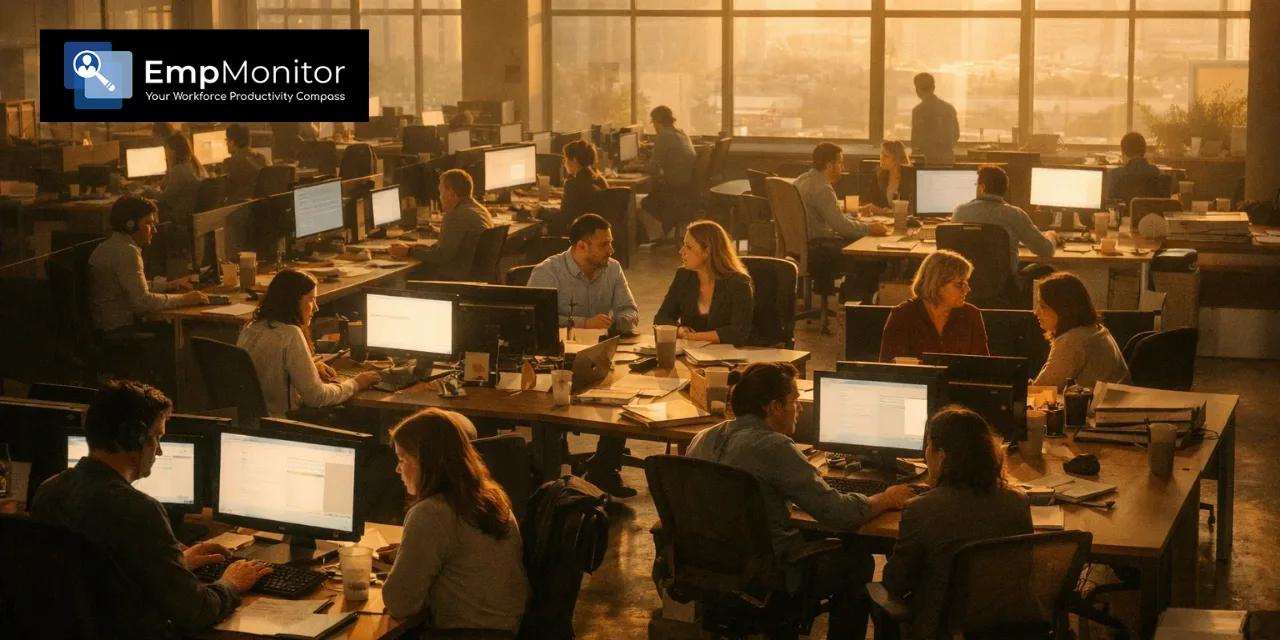
A team of 78 employees showed up every morning.
Desks were occupied by nine. Timesheets were submitted on time. Attendance records were clean. From the outside, and even inside the office, everything looked normal.
The manager had been leading this team for over three years. Good employee management had always been part of his routine. He knew which employees preferred working quietly and who needed regular guidance.
But during the last two quarters, the results started changing.
Deadlines were being met, but the results were not what the team used to deliver. Work that once felt sharp and well-thought-out now needed multiple revisions. Projects that had shown clear progress each week began to feel slow and inconsistent.
Sprint goals were completed on paper, yet the overall impact seemed lower than expected. Outputs lacked the same clarity and quality the team was known for.
No one raised concerns openly. On the surface, everything looked normal. People were active, discussions were happening, and work seemed to be moving.
However, when the manager reviewed the outcomes closely, the results told a different story. The effort was visible, but the effectiveness was not.
Something felt off.
Presence Was Never the Problem

The challenge was not attendance.
In many offices, employee management is based on the assumption that if someone is present at their desk, they are working. But presence and productivity are not always the same thing.
Across the team, small habits had developed over time.
Short conversations that lasted longer than planned. Personal browsing during work hours. Social media tabs left open. Breaks that quietly extended beyond scheduled times.
None of these actions looked serious individually.
But across 78 employees, every day, they added up.
After reviewing six weeks of project data, the manager estimated that nearly 25–30 percent of paid work hours were not directly contributing to project output.
The office was full. But the work wasn’t moving at the same pace.
The Employee Nobody Expected
One employee made the issue clearer.
He was a mid-level team member who had always been reliable. He attended meetings, shared updates, and maintained a friendly presence in the office.
But over several weeks, his output began dropping slightly.
It wasn’t enough to create conflict, but it slowed project timelines.
The manager couldn’t see what happened between updates and task completions. The attendance system only recorded entry and exit times.
It didn’t show how the hours in between were spent.
Without data, the manager had no clear way to discuss the issue.
The Tool Wasn’t Shattered- It Was Just Limited
The attendance system was functioning exactly as designed.
It recorded when employees arrived, when they left, and their break schedules. For payroll and compliance, it worked perfectly.
But it couldn’t support deeper employee management needs.
It didn’t show application usage.
It couldn’t track time spent on different websites.
It didn’t identify idle periods during the day.
For a growing team, relying only on physical presence was no longer enough for effective workforce management.
The manager needed visibility into how work hours were actually being used.
Deciding to Look Deeper
While researching productivity tools, he came across EmpMonitor.
The implementation process was transparent.
The team was informed before the rollout. The manager explained that the goal was not constant monitoring, but better employee management through clearer data.
A pilot group of eight employees was selected.
Within two weeks, the system began providing insights that were previously impossible to see.
Features such as screenshot monitoring, application tracking, and idle time reports helped create a clearer view of the workday.
For the first time, the manager could see how work hours were actually divided.
What the First Week Revealed
The results were straightforward.
Across the pilot group, employees spent a little over two hours each day on non-work activities during paid hours.
This included social media browsing, personal websites, and longer breaks.
The employee whose performance had dropped appeared in the data quickly.
Instead of relying on assumptions, the manager could now discuss the situation using real information.
The conversation was calm and direct. Expectations were clarified.
Within two weeks, the employee’s productivity improved and returned to normal levels.
The same pattern appeared across the pilot group.
Once employees knew their work patterns were visible, their habits adjusted naturally.
Sixty Days Later
After the successful pilot, the manager expanded EmpMonitor to the full team.
Two months later, the results were clear.
Time lost to non-work activity dropped by 28 percent.
But the improvements went beyond numbers.
Before the system was introduced:
- Employee management relied heavily on observation.
- Attendance data existed, but didn’t reflect productivity.
- Idle time and personal browsing were difficult to identify.
- High performers and low performers often appeared similar.
After implementation:
- Work activity became visible alongside attendance.
- Hours logged started reflecting real output.
- Productivity discussions became easier.
- Consistent employees stood out clearly in reports.
Project timelines became more reliable, and the team’s workflow improved.
How the Manager’s Leadership Changed
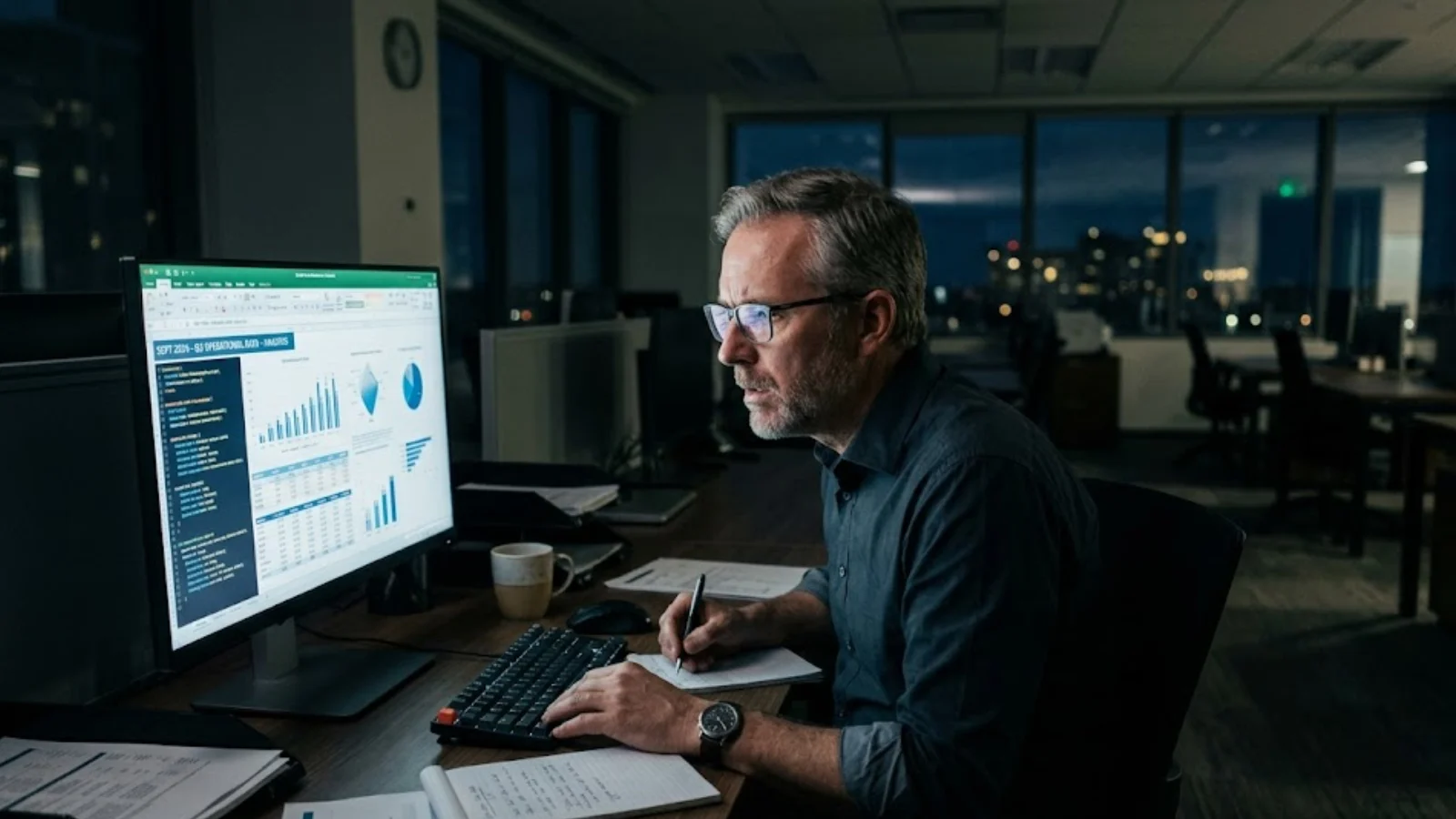
Better information gradually changed the manager’s approach.
Instead of guessing what was happening across the floor, he now had clear insights.
One-on-one meetings became more focused. Discussions were based on real work patterns rather than assumptions.
Recognition also improved.
Employees who consistently performed well became more visible through the data. Their work stood out clearly week after week.
Underperforming employees rarely need strict intervention. Once expectations were clear, most adjusted their work habits.
This experience also strengthened the manager’s leadership qualities.
Good leadership isn’t only about supervision. It’s about clarity, fairness, and the ability to guide a team using reliable information. Handling friction well is part of that too — a conflict resolution course helps managers turn difficult performance conversations into constructive ones, keeping teams aligned without damaging trust.
With better visibility, the manager could lead more confidently.
Also Read,
9 Ways To Improve Employee Productivity In The Workplace
Effective Ways to Implement Employee Computer Monitoring Software
How EmpMonitor Changed the Way Managers Lead Teams
Effective employee management depends on more than attendance records.
In modern offices, productivity can quietly drop when small distractions accumulate across a team.
Managers need a clearer view of how work hours are being used in order to support their teams properly.
Tools like EmpMonitor help organizations strengthen workforce management by connecting work hours with actual output.
When managers can see what’s happening during the day, they can guide teams better, recognize strong performers, and address issues early.
Sometimes, better visibility is all a team needs to improve.
Frequently Asked Questions (FAQ)
What is employee management, and why is it important?
Employee management refers to the process of organizing, guiding, and supporting employees so they can perform their roles effectively. It includes task allocation, performance monitoring, communication, and productivity tracking.
Good employee management helps teams stay organized, improves accountability, and ensures work goals are met consistently.
How can a team lead improve employee management?
A team lead can improve employee management by maintaining clear communication, setting realistic expectations, and regularly reviewing team performance. Using productivity insights and feedback also helps managers guide employees more effectively.
What role does workforce management play in productivity?
Workforce management focuses on how employees’ time, skills, and workloads are organized. When workforce management is handled well, teams can work more efficiently, avoid idle time, and complete projects within expected timelines.
How do monitoring tools support leadership and productivity?
Tools like EmpMonitor provide insights into work activity, helping managers understand how employees use their time. This allows leaders to make better decisions, recognize strong performers, and support employees who may need guidance.
Can employee monitoring improve leadership qualities?
Yes. Access to accurate productivity data helps managers make fair decisions, communicate clearly, and manage teams more effectively. Over time, this strengthens important leadership qualities such as transparency, accountability, and informed decision-making.