Employment privacy is becoming increasingly important in today’s digital workplace, where employers have more tools than ever to monitor, track, and collect data about their workforce. If you’re an employee concerned about your personal information or a manager responsible for maintaining workplace standards, understanding employment privacy violations is crucial to protecting yourself while ensuring your organization stays compliant with the law.
The workplace has undergone a significant transformation over the past few years. Remote work has blurred the lines between professional and personal spaces. Technology has made surveillance easier and less noticeable. And yet, employees are more concerned than ever about their employee privacy rights.
At the same time, employers face pressure to protect company data, maintain productivity, and comply with increasingly complex regulations. This creates a tension that many organizations struggle to navigate. So what exactly constitutes an employee privacy violation? How can you protect your employment privacy without compromising legitimate business needs?
And what steps should you take if you suspect your employee privacy has been breached? This guide serves as a comprehensive Guide To Employee Data Protection, walking you through everything you need to know about employment privacy protection and compliance.
In A Hurry? Listen To The Podcast Instead!
Understanding Employment Privacy Violations and Why They Matter:
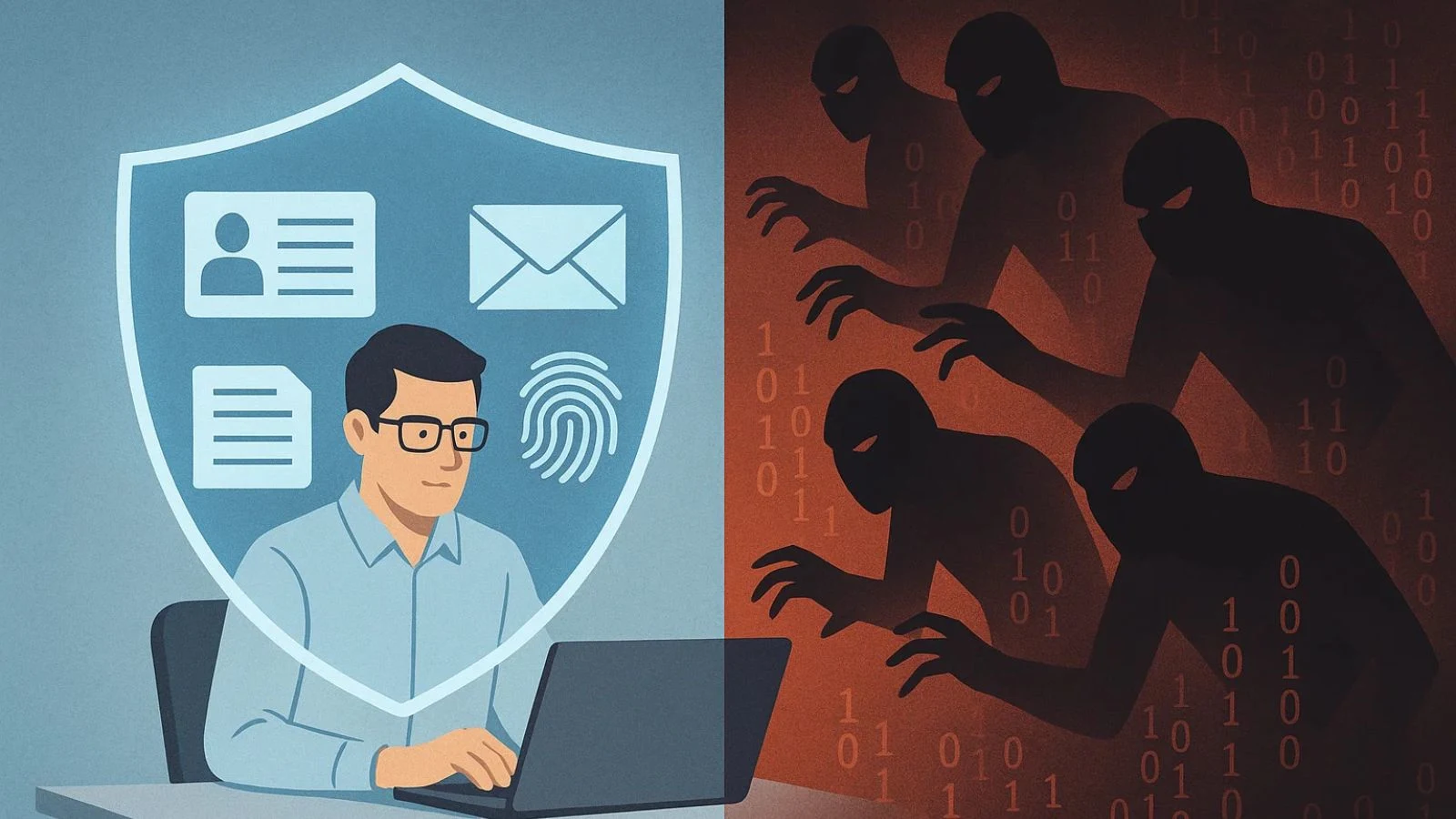
An employee privacy violation occurs when an employer collects, uses, stores, or shares employee information without proper consent or legal authorization or in direct violation of established workplace privacy law. These violations range from minor oversights to serious legal breaches that result in massive fines, lawsuits, and reputational damage.
Think about it this way: your employee privacy information, your address, Social Security number, health records, banking details, and employment history are incredibly sensitive. If it falls into the wrong hands or gets misused, the consequences can be devastating. Identity theft, discrimination, wrongful termination, and financial fraud all become real possibilities when employee privacy isn’t properly protected.
The most common employee privacy violations we see today include unauthorized monitoring of emails and internet activity, improper sharing of medical or personal information, recording employees without consent, collecting biometric data without permission, and monitoring off-duty conduct inappropriately. Each of these represents a breach of employment privacy that can have serious consequences.
Many employee privacy violations happen accidentally. An employer implements monitoring software without realizing they need to provide disclosure. A manager shares an employee’s health information with colleagues who don’t need to know. An HR system stores data without proper security measures. While these might seem like minor missteps, they’re still violations of employee privacy law that can trigger legal action.
The Legal Framework: Employment Privacy Law Across Different Jurisdictions:
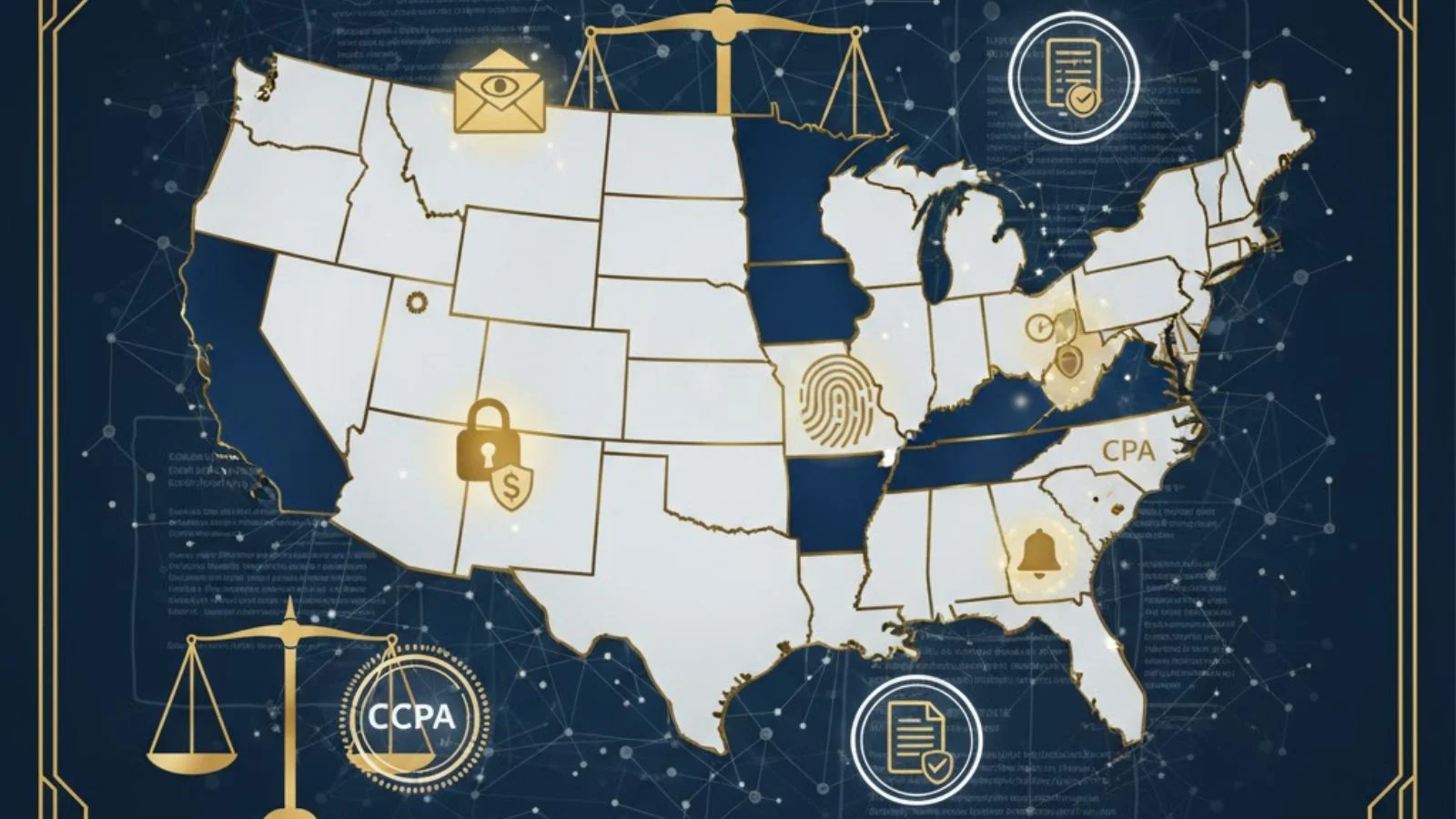
To avoid employment privacy violations, you need to understand the legal landscape. The challenge is that employee privacy law isn’t uniform across the country; it varies significantly by state and even by municipality in some cases. At the federal level, the Electronic Communications Privacy Act (ECPA) sets the foundation for workplace privacy.
It permits employers to monitor work-related communications on company systems, but employee privacy law requires that employees receive notice about this monitoring. You can’t just silently track someone’s emails and web usage; they need to know it’s happening. The Americans with Disabilities Act (ADA) protects medical information as part of employee privacy law.
If someone shares health information during an employment process or reports a disability, that information must be kept confidential and separate from their personnel file. Only specific people in HR or occupational health can access it. Violating these employee privacy protections can result in significant penalties.
Then there’s HIPAA, which protects health insurance information. If your employer offers health benefits, they must follow HIPAA rules as part of their employee privacy law obligations. Breaches of employee privacy related to health data can cost millions in fines. But state-level employee privacy law is where things get really specific. California has emerged as the gold standard for employee protections.
The California Consumer Privacy Act (CCPA) and California Privacy Rights Act (CPRA) give employees substantial rights regarding their employee privacy. You can request to know what data your employer collects, why they collect it, and how they use it. You can even ask for your data to be deleted in some circumstances. This employee privacy law in California sets a high bar that employers must meet.
New York takes a different but equally important approach to workplace privacy law. They require employers to provide written notice before implementing any electronic monitoring systems. This includes monitoring internet usage, emails, phone calls, or even video surveillance. The law is clear: employees must know they’re being monitored. Failing to provide this notice is a direct employee privacy violation.
Illinois (US state) focuses its employee privacy law on biometric data. The Biometric Information Privacy Act (BIPA) is one of the strictest employee privacy laws in the country. It requires employers to get explicit written consent before collecting fingerprints, facial recognition data, voiceprints, or other biometric identifiers. Facebook actually paid $650 million to settle a BIPA case related to facial recognition; that’s how seriously courts take employment privacy violations involving biometric data.
Colorado’s employee privacy law takes a consumer-focused approach. Employers must notify employees if their data is collected or sold. If you’re working in Colorado, your employee privacy includes the right to know what’s happening with your information.
Common Scenarios: How Employment Privacy Violations Happen:
Understanding how employee privacy violations occur helps both employees and employers spot problems before they become serious legal issues. Many employee privacy violations start with inadequate disclosure. An employer implements a monitoring system but doesn’t clearly communicate what will be tracked, how the data will be used, or who has access to it.
Maybe they mention monitoring in general terms during onboarding but don’t specify that they’re tracking every keystroke. This lack of transparency creates employee privacy violations. Other employee privacy violations happen because employers simply go too far with monitoring.
While it’s reasonable to track whether someone is doing their job, monitoring personal conversations or accessing personal devices crosses the line. This excessive monitoring violates employee privacy principles and legal standards in most jurisdictions. Data security failures represent another major category of employee privacy violations. Companies collect employee data but fail to protect it adequately.
When hackers breach poorly secured systems and steal thousands of employee records, that’s an employee privacy violation with serious consequences. The company might face regulatory fines, lawsuits from affected employees, and severe reputational damage. Sometimes employee privacy violations occur because employers don’t understand the tools they’re using. They implement monitoring software without fully understanding what data it collects or where that data goes.
Maybe the software shares information with third parties without employee consent. Either way, if employees haven’t consented to this data collection, it’s an employee privacy violation. Healthcare information mishandling creates particularly serious employee privacy violations. If a manager discusses an employee’s medical leave with others or fails to keep medical records secure, that’s a violation that can trigger federal penalties under HIPAA.
Protecting Your Employment Privacy: Essential Steps for Employees:
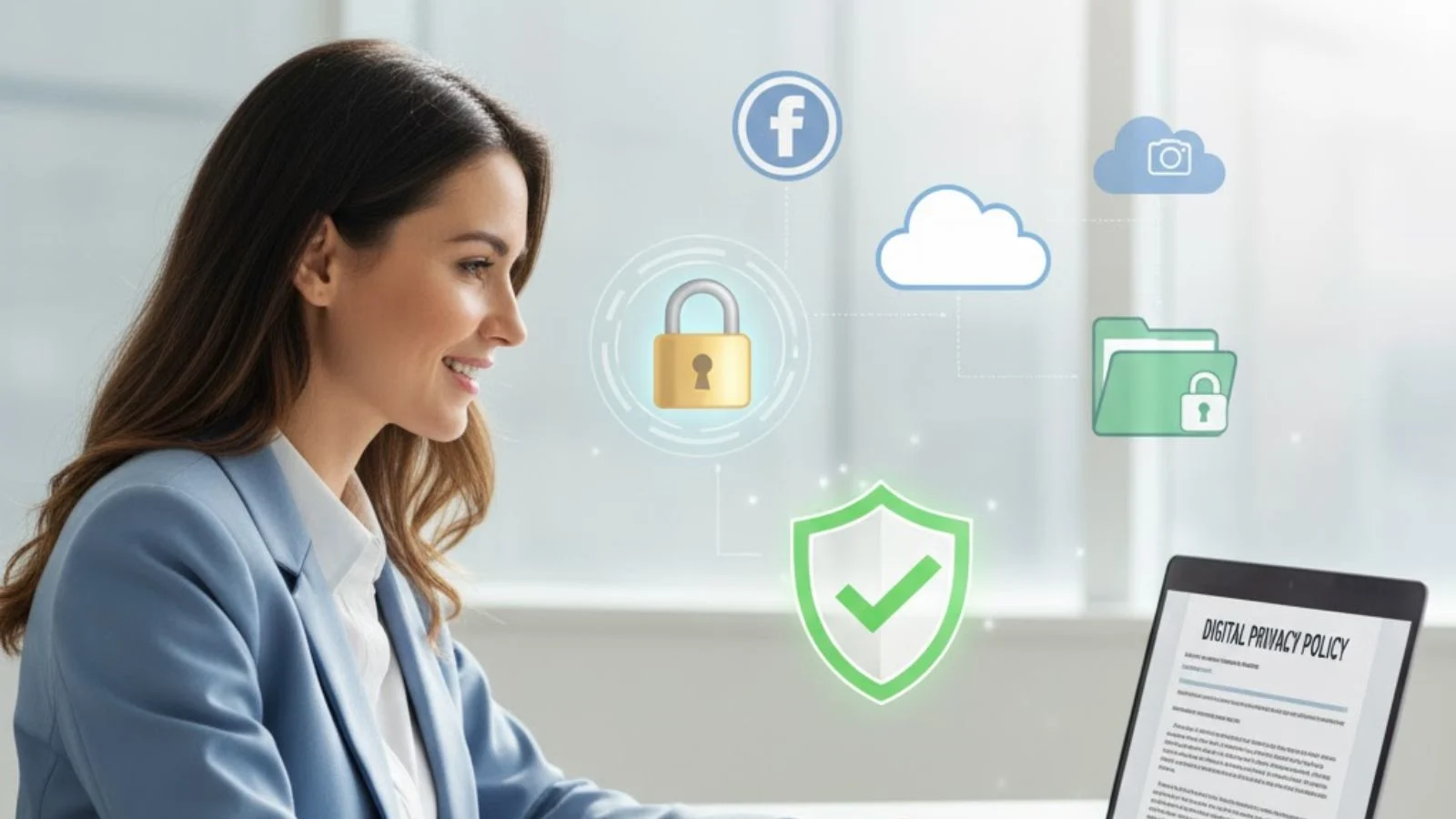
If you’re an employee concerned about your employment privacy, there are concrete steps you can take to protect yourself. Employee privacy in the workplace starts with awareness and proactive management of your personal information. First, request your company’s employee privacy policy and carefully read it. Understand what data your employer collects, how they collect it, and what they do with it.
If something seems unclear or concerning, ask HR for clarification. Don’t assume your employee privacy is being protected; verify it. Learn the employee privacy law in your state. If you work in California, New York, Illinois, Colorado, Washington, or another state with strong employment privacy protections, familiarize yourself with your rights. Knowing the law helps you recognize when an employment privacy violation might be occurring.
Be cautious about what personal information you share at work. Keep personal details to yourself when possible. Use your personal devices for personal activities rather than company devices whenever feasible. This creates a clear separation and better protects your employee privacy. Document any suspicious data practices or unauthorized access.
If you suspect an employee privacy violation, keep detailed records including dates, times, specific incidents, and any communications related to the issue. This documentation becomes crucial if you need to report the violation or pursue legal action. Review your social media privacy settings carefully. While employers have limited rights regarding your personal social media accounts, they can still monitor what’s publicly visible. Adjust your employee privacy settings to control what information is accessible to people outside your network.
If you discover an employee privacy violation, report it to your HR department or compliance officer in writing. Keep copies of your report. If internal reporting doesn’t resolve the issue, contact your state’s labour department or attorney general’s office. Many states have specific agencies dedicated to employee privacy complaints.
Maintaining Compliance: What Employers Need to Know:

For employers and managers, maintaining employee privacy compliance protects both your employees and your organization. Start by creating a comprehensive employee privacy policy. This document should clearly explain what data you collect, why you collect it, how you protect it, and who has access to it.
Include detailed information about all monitoring systems and surveillance tools. Make this policy accessible to all employees and require acknowledgment of receipt. Before implementing any new monitoring system, obtain written consent from employees. This demonstrates respect for employee privacy.
Employees who understand and consent to monitoring are less likely to feel violated and more likely to accept the practice as reasonable. Limit monitoring to business-related activities and work hours. If you need to monitor productivity, monitor work productivity, not personal conversations or non-work activities.
This focused approach respects employee privacy while still providing the insights you need. Avoid monitoring systems that extend into employees’ personal time or personal devices without a very clear justification. Invest in robust data security measures. Your employee privacy obligations include protecting the data you collect.
Use encryption, implement role-based access controls, conduct regular security audits, and establish clear procedures for data disposal. When you take employee privacy and security seriously, you protect employees and reduce your legal exposure. Train your management team and HR staff on employee privacy law and best practices. Many employee privacy violations occur because managers don’t understand the legal requirements.
Proper training prevents these mistakes and creates a culture that respects employee privacy. Establish clear data retention policies. Don’t keep employee data longer than necessary. Develop schedules for when different types of employee privacy information should be deleted or securely destroyed. The longer you hold sensitive data, the greater the risk of an employment privacy breach.
Also Read:
How To Use EmpMonitor While Complying with Employment Privacy?
Organizations serious about protecting employment privacy while conducting legitimate workplace monitoring need the right tools. And EmpMonitor is one such tool. EmpMonitor provides a comprehensive platform specifically designed to help employers maintain employment privacy compliance while addressing business needs.
EmpMonitor’s approach to employment privacy starts with transparency. The platform includes built-in consent management features that ensure employees understand exactly what’s being monitored before any data collection begins. This transparency addresses one of the most common causes of employment privacy violations: undisclosed or unclear monitoring practices.
Rather than collecting unnecessary data, EmpMonitor lets employers customize monitoring to focus on business-relevant metrics. This targeted approach respects employment privacy by avoiding the excessive monitoring that creates legal exposure and employee concerns. You can choose to monitor productivity without monitoring personal conversations, for example.
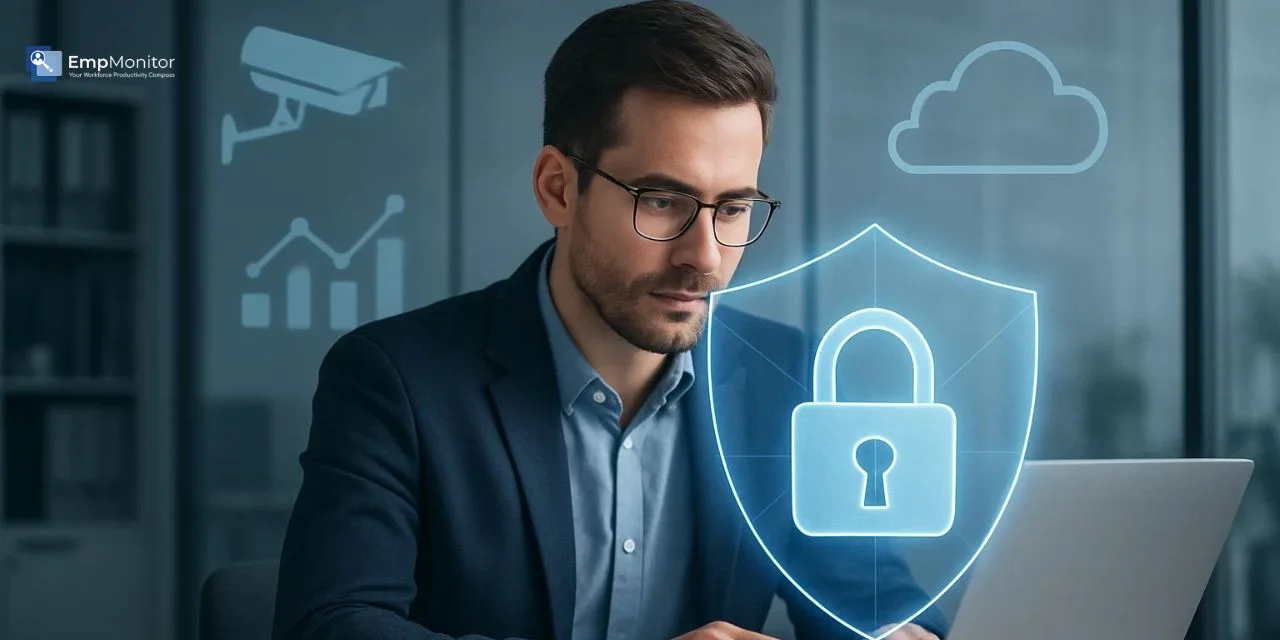
The platform employs enterprise-grade security measures to protect all employment privacy data. Encryption, secure storage, and rigorous access controls ensure that collected information stays protected from unauthorized access. Role-based permissions mean that only the people who actually need access to specific employment privacy information can view it.
Also, EmpMonitor doesn’t share the collected data with any third-party organization. The company may even choose to store all data on its own servers, retaining complete ownership and control. This accountability makes it easy to identify any unauthorized access or improper handling of sensitive information that might constitute an employment privacy violation.
Note– EmpMonitor offers a wide range of monitoring features designed to comply with legal standards in most countries. However, organizations are responsible for understanding their local laws and regulations and should configure EmpMonitor’s monitoring settings accordingly to ensure full compliance.
Conclusion:
Employment privacy violations create real problems for both employees and employers. For employees, these violations can lead to identity theft, discrimination, or loss of autonomy in their own workplace. For employers, employment privacy breaches result in regulatory fines, legal liability, damaged reputation, and lost employee trust.
By understanding employment privacy law, recognizing common violations, and implementing proper safeguards, both parties can create workplaces where genuine employment privacy protection exists alongside legitimate business needs.
Whether you’re an individual concerned about your rights or an organization committed to legal compliance, prioritizing employment privacy protection is an investment in a healthier, more ethical workplace.
FAQ’s:
Q1: What is considered an employment privacy violation?
Ans: An employment privacy violation occurs when an employer collects, uses, or shares employee information without proper consent or legal justification. This includes unauthorized monitoring of emails or internet activity, improper sharing of personal information, recording without consent, and collecting biometric data without permission.
Q2: What should I do if I suspect an employment privacy violation?
Ans: Document everything with specific dates and details. Review your company’s employment privacy policy and compare it to what’s actually happening. Report the suspected employment privacy violation to HR or your compliance officer in writing and keep a copy.
Q3: Are employers allowed to monitor employee emails?
Ans: Yes, employers can monitor work email on company systems when they provide proper notice. However, employment privacy law prohibits accessing personal email accounts. The key requirement is transparency; employees must know monitoring is occurring before any data collection begins.