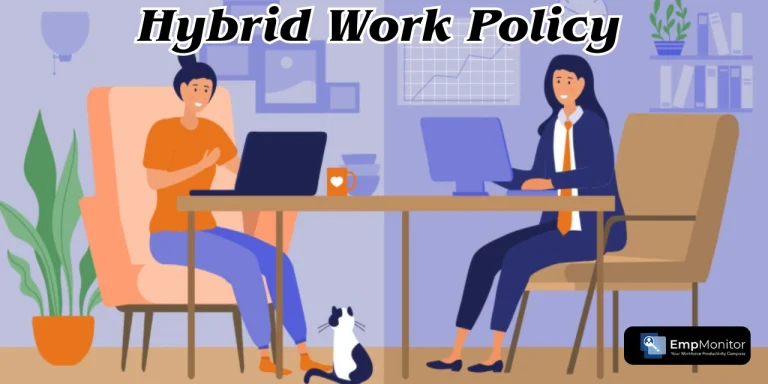
The way we work has changed dramatically. Offices are no longer the sole hub of productivity. Employees split their time between home, co-working spaces, and traditional offices, creating the hybrid work model. To manage this effectively, organizations need a solid hybrid work policy that balances flexibility, accountability, and employee well-being.
This blog explores the essentials of a hybrid work policy, provides actionable best practices, and shares templates organizations can adapt for 2026 and beyond.
Hit ‘Play’ Button & Tune Into The Blog!
Why A Hybrid Work Policy Matters In 2026?
Hybrid work offers employees flexibility, but without clear guidelines, it can create confusion and inefficiency. A formal hybrid work policy ensures that both employees and managers understand expectations around:
- Work schedules and core hours
- Communication standards
- Performance evaluation
- Security and compliance
Organizations with a well-structured flexible work policy see improved productivity, higher employee satisfaction, and stronger retention rates.
What Are The Key Components Of A Hybrid Work Policy?
Creating a hybrid work policy involves more than just allowing employees to work remotely. A strong policy provides structure, clarity, and support. Essential elements include:
1. Work Schedule Guidelines:
Define clear core hours when employees are expected to be available for meetings, collaboration, and key tasks. Specify which days employees are expected in the office versus working remotely. Include guidance for flexible schedules and procedures for requesting changes, ensuring teams stay coordinated without limiting flexibility.
2. Communication Protocols:
Outline which communication tools should be used for specific purposes, such as Slack or Teams for instant messaging, Zoom for video calls, and email for formal updates. Set expectations for response times and meeting availability. This prevents miscommunication, keeps teams aligned, and ensures remote employees remain connected to office-based colleagues.
3. Performance and Productivity Metrics:
Set measurable goals and key performance indicators (KPIs) to track outcomes rather than hours worked. Include guidance for managers on how to evaluate productivity fairly and consistently, and encourage regular feedback loops. This ensures accountability while allowing employees autonomy in managing their workflow.
4. Security and Compliance Measures:
Provide detailed instructions for data protection, including VPN usage, secure file sharing, password protocols, and device management. Outline responsibilities for safeguarding company information and ensure compliance with industry regulations such as GDPR or HIPAA. Clear guidance minimizes the risk of breaches in hybrid environments.
5. Employee Well-Being Initiatives:
Include policies promoting mental health, ergonomics, and work-life balance. Offer resources like wellness programs, ergonomic guidance for home offices, and strategies to prevent burnout. This helps employees maintain productivity while safeguarding their overall health and morale, particularly in remote settings where boundaries between work and personal life can blur.
Also Read:
Workforce Management, The Future of the New Era…
Templates For Hybrid Work Policy
To save time, organizations often start with a policy template. A well-structured hybrid work policy template includes sections for schedules, responsibilities, communication, and performance tracking.
For companies formalizing remote or hybrid work arrangements, you can also integrate sections from a remote work policy template, which emphasizes home-office expectations, technology requirements, and cybersecurity practices.
Using a template ensures consistency across teams and helps employees clearly understand expectations from day one.
Best Practices For Implementing A Hybrid Work Policy

Creating a policy is one thing, implementing it successfully is another. Follow these best practices:
- Involve Employees in Policy Design:
Get feedback from employees to ensure policies address real challenges. Input from the workforce increases adoption and trust. - Communicate Policies Clearly:
Share the flexible work policy during onboarding and regularly through newsletters or team meetings. Transparency prevents confusion and sets clear expectations. - Use Technology for Monitoring and Support:
Tools like EmpMonitor can help managers track workflows, attendance, and engagement without micromanaging. This aligns with a hybrid work policy that values productivity over constant supervision. - Regularly Review and Update Policies:
The hybrid model evolves constantly. Reassess policies every 6-12 months to address emerging challenges and refine expectations. - Promote a Culture of Accountability:
Focus on outcomes rather than hours logged. Encouraging ownership of work enhances productivity while maintaining employee trust.
What Are The Common Challenges In Hybrid Work And How Can They Be Addressed?
Even with a well-crafted flexible work policy, organizations can encounter challenges that affect productivity, engagement, and security. Identifying these issues and applying proactive solutions is essential for a successful hybrid work environment.
1. Isolation and Reduced Collaboration:
Remote employees can feel disconnected from their teams, leading to lower engagement and weaker collaboration. To address this, schedule regular virtual team meetings, brainstorming sessions, and cross-functional check-ins.
Encourage informal communication channels like chat groups or virtual coffee breaks to foster social connection and maintain team cohesion.
2. Unequal Access to Resources:
Hybrid work can create disparities in access to technology, tools, and software. Organizations should provide standardized hardware, software licenses, and reliable internet stipends or reimbursement policies to ensure remote employees can work efficiently. This reduces frustration and levels the playing field for all team members.
3. Monitoring Productivity Without Micromanaging:
Managers often struggle to balance oversight with autonomy. Excessive tracking can erode trust, while too little visibility can hinder accountability. Using tools like EmpMonitor allows managers to gain actionable insights through context-rich reporting, live screencasting, and user activity tracking.
These features focus on outcomes, task completion, and workflow patterns rather than constant monitoring, creating a fair and transparent approach to productivity management.
4. Compliance and Security Risks:
Remote and hybrid setups can increase vulnerability to data breaches or policy violations. To mitigate this, hybrid work policies should enforce the use of secure networks, VPNs, encrypted file sharing, and multi-factor authentication.
Training employees on security best practices and regular audits ensures compliance with regulatory standards and protects sensitive organizational information.
How Can EmpMonitor Support Hybrid Work Policies?
Building a strong hybrid work policy doesn’t stop at writing guidelines you also need the right tools to put those policies into action. EmpMonitor is a comprehensive workforce management platform that gives organizations real-time visibility, security oversight, and performance insights across remote and office environments.
Here’s how EmpMonitor helps make hybrid work policies practical and effective:
Work Pattern Insights:
EmpMonitor provides detailed activity analysis showing daily and hourly work behaviors, active versus idle time, and productivity trends. Managers can see how teams are spending their work hours and make informed decisions without constant micromanagement.
Attendance and Time Management:
With automated attendance monitoring and accurate timesheets, companies can track in-office and remote schedules seamlessly. This helps enforce hybrid work schedules and simplifies payroll processes by capturing login, logout, and working-hour data.
Workflow Transparency:
EmpMonitor’s context-rich reporting and activity logs show task completion, application use, and web activity for each employee or team. This data gives managers clarity on work progress and helps align hybrid teams without intrusive supervision.
Security and Compliance Oversight:
Hybrid work environments can create security challenges. EmpMonitor monitors user activity, app and web usage, alerts on suspicious behavior, and supports compliance with secure cloud storage. These features help reduce data risk while enforcing hybrid work guidelines.
Project Management Integration:
EmpMonitor also includes features like project planning and progress tracking, letting teams assign tasks, monitor milestones, and manage workloads from one centralized platform. This supports hybrid work by ensuring all team members whether remote or in-office stay aligned on goals.
By combining clear policies with technology like EmpMonitor, organizations can make their hybrid work policy more than just guidelines on paper they become living practices that support productivity, transparency, and employee trust every day.
Tips For Writing An Effective Hybrid Work Policy
- Keep It Clear and Concise:
Avoid overly long policies. Focus on actionable rules and expectations. - Tailor to Your Organization:
No two companies are alike. Adjust templates to match company culture, size, and industry requirements. - Include Legal and Compliance Considerations:
Ensure the policy aligns with labor laws, data privacy regulations, and industry standards. - Use Examples and Scenarios:
Illustrate acceptable remote behaviors, collaboration expectations, and conflict resolution to avoid ambiguity. - Encourage Feedback Loops:
Allow employees to suggest improvements or report challenges. Regular feedback keeps the policy relevant.
What Are The Benefits Of A Well-Defined Hybrid Work Policy?
A well-designed flexible work policy offers clear, tangible benefits for both employees and organizations:
- Clear expectations reduce misunderstandings and conflict.
- Employees feel trusted and supported, boosting engagement.
- Managers can measure outcomes effectively, improving productivity.
- Reduced turnover and higher retention thanks to flexibility and transparency.
- Enhanced security and compliance across distributed work environments.
Also Read:
How Hybrid Work Security Is Impacting Modern Workspace?
What Are Practical Examples of Hybrid Work Policy Elements?
A thoughtfully designed flexible work policy balances employee flexibility with organizational accountability. Here are key elements companies can include to ensure clarity, fairness, and smooth operations:
1. Office vs. Remote Days:
Specify which days employees are expected in the office and which days are flexible. For example, employees might work on-site on Tuesdays and Thursdays, while other days are remote. Clear guidance prevents confusion and helps managers plan collaboration sessions effectively.
2. Core Hours:
Define the hours when all team members should be available for meetings, check-ins, and collaborative work for instance, 10 am to 3 pm. Core hours help synchronize distributed teams while still allowing flexibility outside these times.
3. Communication Protocols:
List the tools for different types of communication: Teams for instant messaging, Zoom for video meetings, and email for formal updates. Include expected response times to ensure seamless coordination between remote and in-office employees.
4. Performance Tracking:
Focus on results rather than the number of hours worked. Track completed projects, KPIs, and deadlines. This encourages accountability while giving employees autonomy to manage their workflow effectively.
5. IT and Security Requirements:
Set minimum standards for secure remote work, such as secure Wi-Fi, VPN usage, updated devices, antivirus software, and access control. Emphasizing hybrid work security protects company data, ensures compliance, and reduces the risk of breaches across distributed environments.
By including these elements, organizations create a flexible work policy that offers structure, empowers employee autonomy, and ensures seamless day-to-day operations.
Future Trends In Hybrid Work Policies

Looking ahead, hybrid work policies will evolve to address:
- AI-Driven Performance Insights: Using analytics for fair and data-driven evaluations.
- Flexible Work Hours: Moving beyond strict schedules to outcome-based productivity.
- Enhanced Security Measures: Zero-trust models and continuous monitoring to protect data.
- Employee Well-Being Focus: Mental health, ergonomics, and burnout prevention become core policy elements.
Integrating technology like EmpMonitor will be central to supporting these trends while maintaining employee trust.
Conclusion
A hybrid work policy in 2026 is more than just a document it’s a framework for balancing flexibility, productivity, and employee well-being. By combining clear policies, thoughtful templates, best practices, and smart tools like EmpMonitor, organizations can create a hybrid work environment that works for both employees and management.
With careful planning, transparent communication, and regular updates, your hybrid work policy can drive engagement, improve performance, and future-proof your organization for evolving work trends.
FAQs
1. What does a company’s flexible work arrangement cover?
A hybrid work policy defines how employees split their time between remote and in-office work, including schedules, communication, and performance expectations.
2. Is there a starting point for creating such a work arrangement?
A policy template provides a structured starting point and ensures consistency, but it should be customized to your organization’s needs.
3. How can structured work guidelines improve team performance?
Clear rules help employees stay accountable, managers measure outcomes effectively, and teams collaborate efficiently across locations.
4. Can technology help enforce flexible work policies?
Yes. EmpMonitor provides productivity insights, attendance tracking, workflow management, and security oversight, supporting hybrid work policies effectively.
5. How frequently should work arrangement rules be updated?
Policies should be reviewed at least annually, or whenever significant changes in workflows, technology, or employee needs occur.