Businesses now get cyber protection for their endpoints against malware, ransomware, and other online threats. Laptops, desktops, and mobile devices, even IoT endpoints, are all collectively but deceptively known as endpoints, which makes them easier hunting (and attacking) grounds for cyber predators.
Even so, while endpoint security is essential, it does not always provide information about what is happening on the endpoint, such as insider threats, unauthorised access, and data leakage.
This is where the activity log gets in. By monitoring and analysing all activities on an endpoint, companies can monitor user activity and system events that may not be detected by other security solutions. In short, endpoint security locks the door, but activity logs show who is moving around inside and what they are doing.
Integrating endpoint security solutions with activity monitoring capabilities provides a more robust security solution that prevents attacks and detects malicious activity before it becomes a major issue.
You can listen to this Blog here.
What is Endpoint Security?
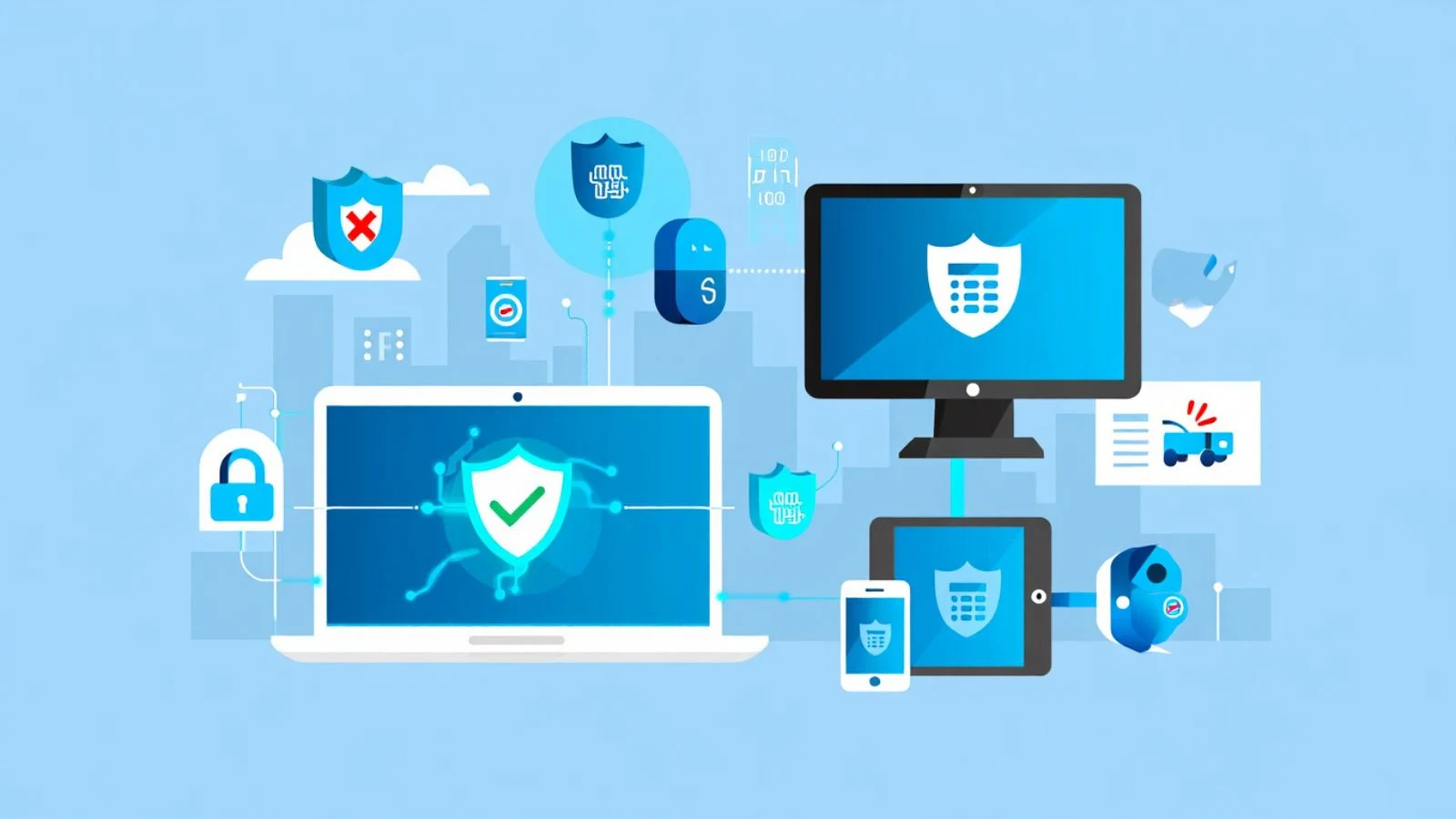
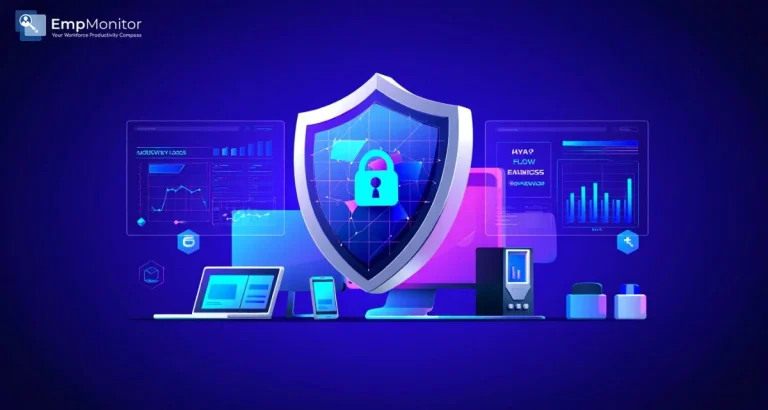
Endpoint protection refers to the strategies and tools used to protect devices like computers, laptops, smartphones, and IoT devices from cyber threats. Every device connected to a network represents a potential entry point for hackers, making endpoints a critical focus for cybersecurity.
At its core, endpoint security software is designed to detect and block malware, ransomware, phishing attempts, and other malicious activities. This can include antivirus programs, firewalls, encryption tools, and intrusion detection systems. While these solutions are essential, they primarily focus on preventing external threats and may not capture suspicious activity originating from within the organization.
Understanding what endpoint security is helps organizations see why adding another layer, like activity logs, is so important. Monitoring user actions and system events ensures that even if a threat bypasses traditional defenses, it can still be detected and addressed quickly.
The Limitations of Endpoint Security Software
While endpoint protection software is essential for protecting devices from external threats, it isn’t a complete solution on its own. Most traditional tools focus on stopping malware, ransomware, or unauthorized access, but they often miss subtle or insider-related activities that can compromise sensitive data.
For example, an employee with legitimate access might accidentally or intentionally move confidential files, install unauthorized software, or attempt actions that standard security measures can’t detect. Similarly, advanced persistent threats (APTs) can quietly bypass antivirus scans and firewalls, remaining hidden for weeks or months.
Another key limitation is lack of visibility. Traditional endpoint protection tools are designed to detect and block threats, but they often do not provide detailed insights into user behaviour, file access, application usage, or system changes. As a result, IT teams may only become aware of an issue after damage has already occurred.
Without real-time visibility, it becomes difficult to identify suspicious actions, policy violations, or insider risks early on. This is why organizations need more than just basic endpoint protection. They require endpoint protection combined with user activity monitoring, a solution that tracks activity in real time, records critical actions, and delivers actionable insights so potential threats can be detected and addressed before they escalate.
Why Activity Logs are Critical
Even the best endpoint security tools can’t always reveal what’s happening inside a system. That’s where activity logs become essential. These logs record user actions, application usage, file access, and system changes, giving organizations a detailed view of endpoint behavior.
Activity logs help identify unusual patterns that might indicate security risks, such as repeated failed login attempts, access to restricted files, or unexpected software installations. They also provide a historical record, allowing IT teams to trace incidents, investigate potential breaches, and meet compliance requirements.
For instance, an employee might inadvertently download a malicious file, or a contractor might access sensitive data beyond their permission level. Without activity logs, these actions could go unnoticed until serious damage occurs. By combining endpoint security with comprehensive activity log tracking, organizations gain real-time visibility and a proactive approach to threat detection, rather than just reacting after an incident.
How Activity Logs Enhance Endpoint Security Solutions
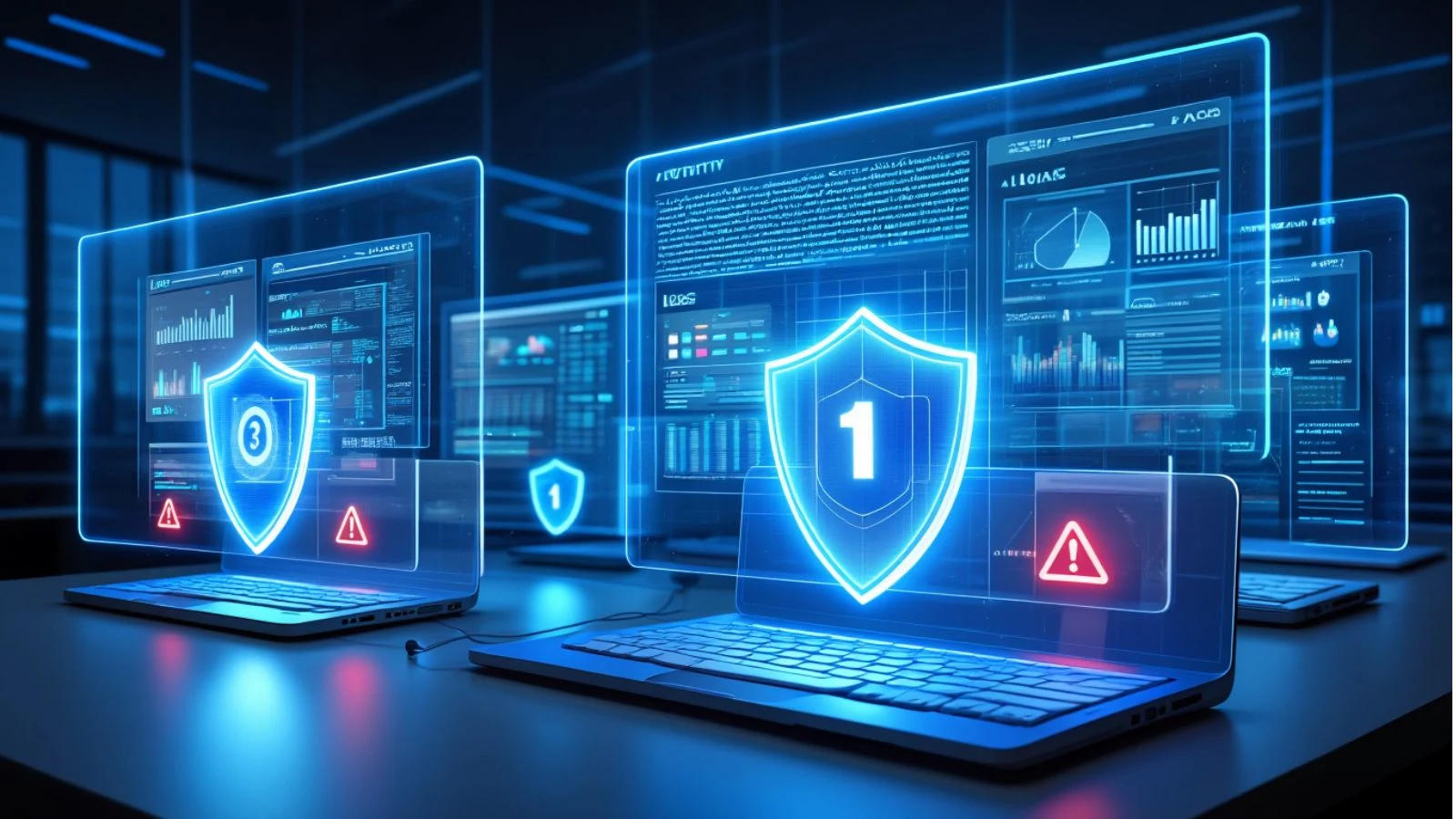
Integrating activity logs with endpoint security solutions transforms basic protection into a proactive security strategy. While traditional endpoint tools focus on blocking malware and preventing unauthorized access, activity logs provide a deeper layer of insight by monitoring everything that happens on a device.
For example, logs can reveal patterns such as repeated access to sensitive files, unusual login times, or high-volume data transfers, activities that might indicate insider threats or compromised accounts. This information allows IT teams to respond quickly, often before a minor issue escalates into a major breach.
Additionally, activity logs help organizations fine-tune their endpoint protection software. By understanding how users interact with their systems, security teams can adjust policies, enforce stricter access controls, and prioritize vulnerabilities that require immediate attention.
In short, combining endpoint protection software with detailed activity logs ensures a layered defence. It not only stops external threats but also uncovers hidden risks that traditional tools alone might miss, making your overall security posture stronger and more resilient.
Choosing the Right Tool for Activity Monitoring
Not all activity monitoring tools are created equal, and choosing the right one can make a significant difference in your endpoint protection monitoring strategy. A strong tool should track user activity in real time, provide detailed logs, and integrate seamlessly with your existing endpoint protection solutions.
Key features to look for include:
- Real-time alerts: Quickly notify IT teams of unusual behavior or potential threats.
- Comprehensive logging: Record file access, application usage, and system changes to provide a complete view of endpoint activity.
- Easy integration: Ensure the monitoring tool works alongside your existing endpoint security software without causing conflicts or performance issues.
- Actionable insights: The logs and reports should help IT teams identify risks and take preventive action before incidents escalate.
By selecting the right monitoring tool, organizations can move from reactive security to proactive defense, identifying both external threats and internal anomalies before they cause damage.
Boost Your Endpoint Security with Empmonitor
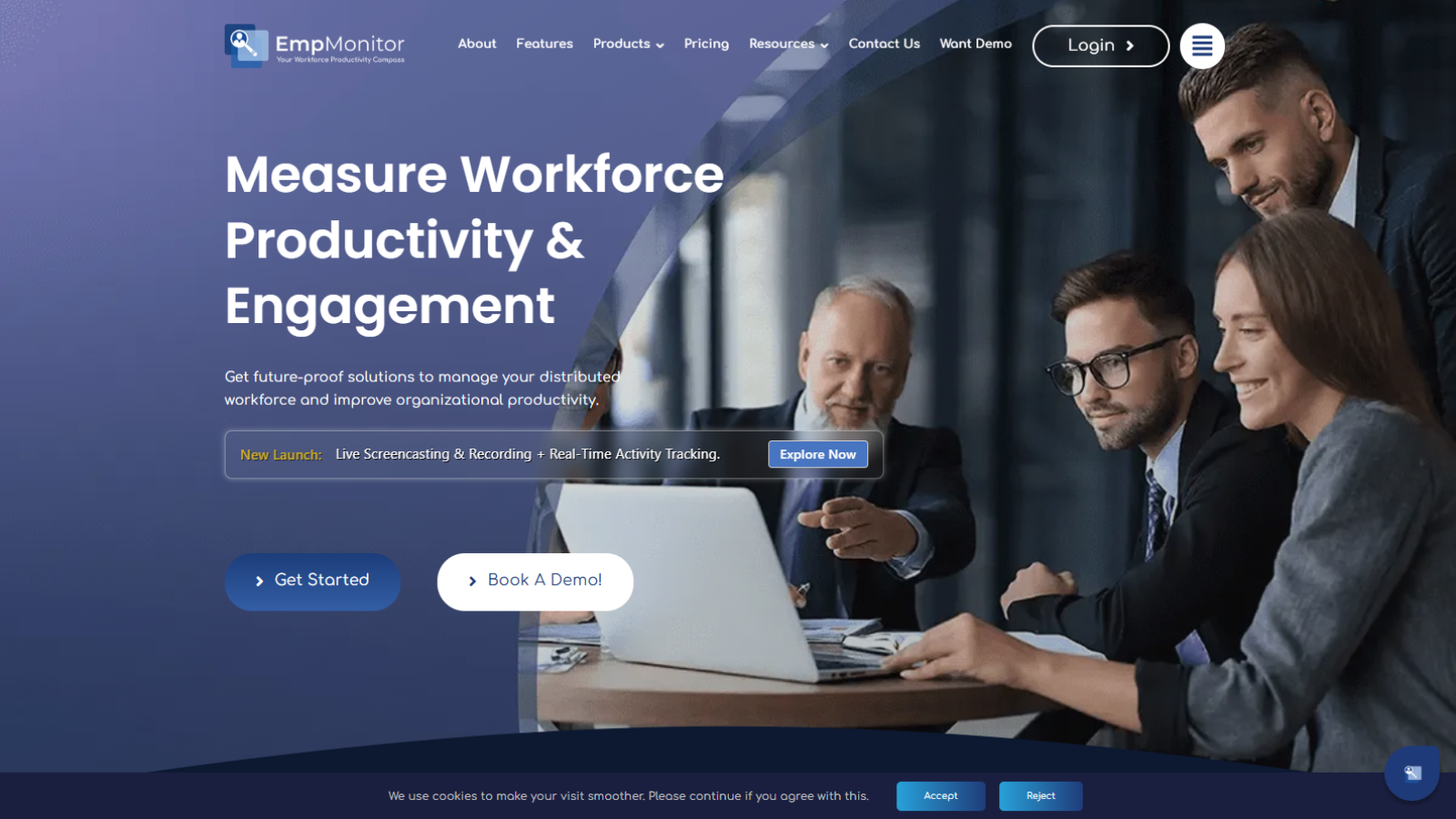
While robust endpoint security solutions and activity logs are essential, having a tool that makes monitoring simple and actionable can take your security to the next level. Empmonitor is designed to complement your existing Endpoint protection setup by providing detailed visibility into all endpoint activity.
With EmpMonitor, organizations can:
- Monitor device and application activity in real time
Get complete visibility into which devices are being used, what applications are running, and how systems are accessed throughout the workday. - Receive instant alerts for suspicious behavior
Be immediately notified when unusual activities occur, such as unauthorized app usage, abnormal login patterns, or potential policy violations. - Generate detailed compliance and security reports
Access comprehensive logs and reports that simplify audits and help meet regulatory and data protection requirements. - Improve productivity without sacrificing security
Analyze internal workflows and usage patterns to identify inefficiencies, streamline operations, and maintain a secure work environment at the same time.
By integrating a solution like Empmonitor, IT teams can move from reactive monitoring to proactive management, detecting potential issues before they become serious threats. It’s an easy way to strengthen your security posture while keeping every endpoint under watchful eyes.
Best Practices for Effective Endpoint Security & Monitoring
Having Endpoint protection software and activity monitoring tools is just the first step. To maximize protection, organizations should adopt best practices that ensure both security and efficiency:
- Regular Log Analysis – Review activity logs frequently to identify unusual patterns or potential security threats. Consistent monitoring helps detect issues before they escalate.
- Integrate Monitoring with Security Tools – Ensure your monitoring solution works seamlessly with your Endpoint protection solutions, creating a unified system that covers both external and internal threats.
- Enforce Access Controls – Limit permissions based on roles to minimize the risk of unauthorized access. Even with strong security software, improper access can lead to breaches.
- Employee Awareness and Training – Educate staff on safe practices, phishing risks, and the importance of following company policies. Human error is a leading cause of security incidents.
- Update and Patch Regularly – Keep all endpoints, applications, and security software updated to protect against known vulnerabilities.
- Proactive Alerts and Incident Response – Use monitoring tools to receive real-time alerts and have a defined plan to respond quickly to potential threats.
By combining these best practices with Endpoint protection monitoring and detailed activity logs, organizations create a proactive security environment that can detect, prevent, and respond to threats effectively.
Also Read,
Using Activity Logs To Build Productive Work Habits In Modern Organizations
Conclusion
Relying solely on Endpoint protection is no longer enough to protect organizations from the growing range of cyber threats. While antivirus programs, firewalls, and other security software provide essential defences, they often miss subtle or insider-related risks. That’s why integrating activity logs and Endpoint protection monitoring is critical.
Activity logs give IT teams a detailed view of user behaviour, system changes, and file access, allowing potential issues to be detected early. When combined with robust Endpoint protection solutions, this approach creates a layered defence that is both proactive and effective.
Tools like Empmonitor make it easier to track and analyse activity across all endpoints, turning raw data into actionable insights and strengthening overall security. By adopting best practices and using comprehensive monitoring, organizations can protect their devices, data, and users more effectively than ever before.
Investing in Endpoint protection monitoring and activity logging isn’t just about preventing attacks, it’s about gaining visibility, understanding risks, and staying one step ahead of potential threats.
FAQ’s
- How do activity logs improve security?
Activity logs record every action on an endpoint, helping IT teams detect unusual behaviour, investigate incidents, and meet compliance requirements. They provide insight that traditional Endpoint protection solutions might miss, especially insider threats or subtle malicious activity. - Can small businesses benefit from Endpoint protection monitoring?
Absolutely. Even smaller organizations handle sensitive data and rely on endpoints for daily operations. Monitoring tools help detect potential threats early, prevent data loss, and improve overall security posture without requiring large IT teams. - What features should I look for in a monitoring tool?
Look for real-time tracking, comprehensive logging, actionable alerts, integration with existing Endpoint protection software, and easy-to-read reports. These features help organizations respond quickly to potential threats and maintain a proactive defence strategy.