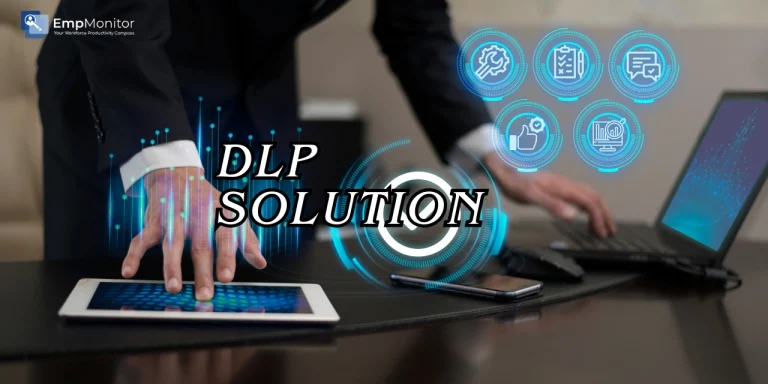
Safeguarding confidential business information is essential in order to avoid financial losses, data breaches, and compliance violations. A strong DLP solution system protects important records/files, analyzes employees’ behaviours, and prevents access by individuals who do not have rights. Good DLP tools protect your company, whether the data is on the cloud or in an internal network.
This guide provides information on selecting the most appropriate DLP solution, as well as how EmpMonitor can assist you in improving workforce monitoring and data protection.
In a hurry? Listen to the blog instead!
Introduction: Why Data Loss Prevention Matters
Every business handles critical information daily, from financial records to employee data and customer information. Any unauthorized access or accidental leakage can lead to significant financial and reputational damage. Implementing a robust data loss prevention strategy safeguards sensitive information and ensures smooth operations.
Companies face increasing risks from both external cyber threats and internal mistakes. Without proper monitoring, employees may unintentionally compromise data, and malicious actors can exploit vulnerabilities. A DLP solution acts as a protective layer, securing data while keeping operations efficient.
Selecting the right data loss prevention software ensures that sensitive information remains safe, insider threats are mitigated, and compliance with industry regulations remains intact. Businesses now demand solutions that not only protect data but also enhance visibility into user behavior and enforce security policies effectively.
Understanding Data Loss Prevention (DLP)
A Data Loss Prevention solution provides mechanisms to monitor, detect, and prevent unauthorized data access or leaks. It ensures that sensitive files, emails, or cloud-stored data do not leave the secure network without proper authorization.
DLP comes in multiple forms:
- Network-based DLP monitors and controls data while it moves across corporate networks.
- Endpoint-based DLP secures devices such as laptops, desktops, and USB drives.
- Cloud DLP solutions manage data stored in cloud environments, providing visibility and control over remote storage.
A strong data loss prevention software ensures encryption, access restrictions, real-time alerts, and detailed reporting. It enables companies to enforce policies effectively, identify risky behavior, and maintain accountability across all employees.
Investing in the right Data Loss Prevention solution can prevent data leaks before they occur, saving businesses high costs and maintaining customer trust.
Common Data Security Risks That Necessitate DLP Tools
Organizations face multiple data security risks, making DLP tools essential for safeguarding sensitive information:
- Insider Threats – Employees, whether accidentally or maliciously, may share confidential company data, exposing sensitive information and increasing the risk of costly breaches.
- External Attacks – Hackers exploit vulnerabilities through phishing, malware, or ransomware, targeting sensitive data to steal information or disrupt business operations.
- USB and Removable Device Risks – External drives or devices can copy, remove, or leak critical company data, bypassing network security and increasing exposure to breaches.
- Unauthorized Application Access – Using unapproved software, employees may store, transfer, or share sensitive company information, creating hidden vulnerabilities that compromise data security.
- Web-Based Threats – Visiting unsafe or malicious websites can expose company systems, enable data theft, or introduce malware, threatening overall business operations.
- DLP Tools Role – DLP solutions monitor user activity, restrict access to sensitive files, block risky applications or websites, and provide actionable alerts. They help businesses prevent breaches, reduce insider risks, and maintain compliance with industry standards.
By implementing DLP tools, organizations gain visibility over potential threats, secure critical information, and enforce security policies effectively across all users and systems.
Cloud DLP Solutions: Protecting Data In The Cloud
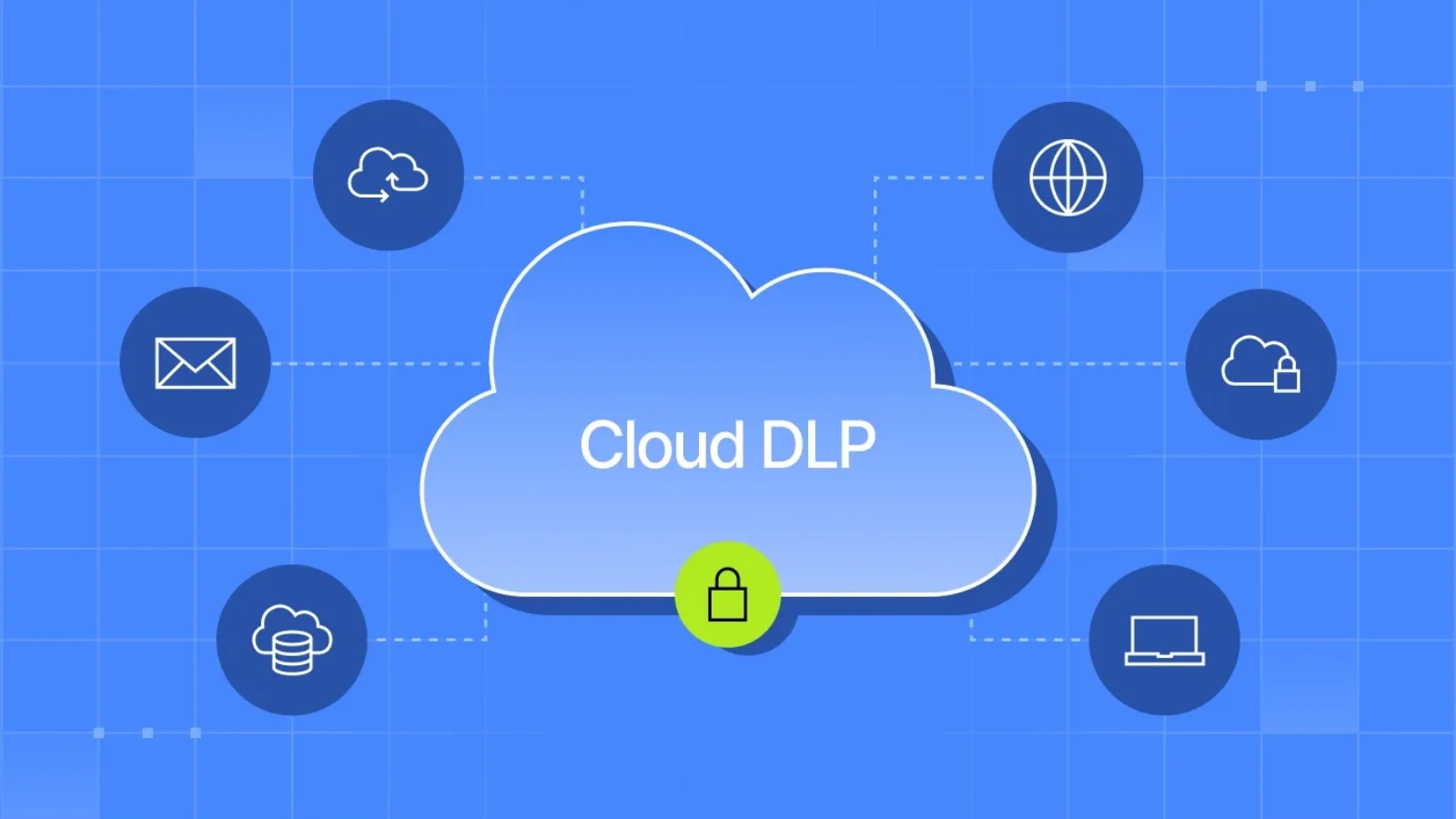
Cloud adoption has increased business flexibility, but it introduces new security challenges. Cloud environments store vast amounts of sensitive data, making them prime targets for cyber threats.
A cloud Data Loss Prevention solution ensures data stored in cloud systems remains secure while allowing authorized users seamless access. It provides:
- Real-time monitoring of cloud storage activity.
- Alerts when sensitive information moves outside approved channels.
- Encryption and access control to prevent unauthorized sharing.
Using cloud-based DLP simplifies security management, especially for remote teams or businesses using multiple cloud platforms. Companies can maintain high visibility and enforce consistent security policies across all cloud storage and collaboration tools.
Key Features To Look For In Data Loss Prevention Software
Choosing the right data loss prevention software requires evaluating its capabilities. Key features include:
- Access Control – Limit access to sensitive files by assigning permissions, ensuring only authorized employees can view, edit, or share data.
- Application and Website Restrictions – Block unsafe or unapproved apps and websites to prevent accidental or intentional data leaks and security breaches.
- USB and Device Protection – Restrict external device usage to stop unauthorized copying, transferring, or theft of critical business information.
- Real-Time Monitoring – Track employee activity, file movements, and system access instantly to detect and prevent potential data loss immediately.
- Reporting and Analytics – Generate comprehensive reports highlighting user behavior, policy violations, and trends to ensure compliance and improve data security.
- Overall DLP Solution Value – A robust DLP solution integrates all these features, safeguarding sensitive data, mitigating insider threats, and simplifying compliance management.
A strong Data Loss Prevention solution combines these features to prevent data leaks, monitor insider activity, and streamline compliance reporting.
Also Read:
How To Use Data Loss Prevention Tools To Safeguard Data?
Unlocking the Powerful Benefits of Data Loss Prevention Tools
How To Choose The Right DLP Solution For Your Business?

Selecting a DLP solution depends on your business size, industry, and specific security needs. Here are key factors to consider:
- Data Sensitivity – Identify critical files, databases, and intellectual property that require protection. Classify data based on importance to prioritize monitoring, access control, and security measures effectively.
- Integration – Ensure the DLP solution integrates seamlessly with existing software, cloud platforms, and IT infrastructure. Smooth integration reduces implementation challenges and maintains consistent security across all systems.
- Scalability – Select a solution that adapts to your business growth. Scalable DLP tools accommodate more users, devices, and data without compromising performance or increasing management complexity.
- Ease of Use – Implement a user-friendly system for IT teams and employees. Intuitive interfaces reduce training time, encourage compliance, and simplify daily monitoring and reporting tasks.
- Compliance – Verify that the solution aligns with industry regulations such as GDPR, HIPAA, and PCI DSS. Compliance ensures legal adherence and protects your organization from penalties.
- Reporting Capabilities – Choose a solution offering actionable insights, detailed visual reports, and trend analysis. Effective reporting enables informed decisions, risk assessment, and demonstration of compliance to stakeholders.
- Overall DLP Solution Value – A well-chosen DLP solution balances security and operational efficiency, protecting sensitive data without disrupting workflows or productivity, providing confidence in business data management.
A carefully selected Data Loss Prevention solution ensures both security and operational efficiency without hindering employee productivity.
How Empmonitor Helps In Monitoring And Enhancing DLP?

EmpMonitor offers a complete approach to data loss prevention, combining robust security with workforce management to protect sensitive data and enhance productivity.
- User Activity Monitoring – Track employees’ application and website usage in real-time, detect unusual activity promptly, and ensure adherence to company policies without disrupting workflows or daily productivity across all systems.
- Insider Threat Prevention – Identify risky behavior, monitor potential internal threats proactively, and prevent data leaks caused by negligence or malicious actions, ensuring sensitive information remains secure and reducing organizational risk.
- Screen Recording and Live Screencasting – Access live screens or recorded sessions to review employee activity, support training, ensure compliance, resolve disputes, and maintain accountability while safeguarding critical company data.
- Time-Tracking – Monitor employee working patterns, assess performance, maintain accountability, and provide clear insights into productivity, helping managers make informed decisions while enhancing overall operational efficiency.
- USB and App Restrictions – Block unauthorized device connections and limit application usage, preventing accidental or intentional transfer of sensitive data, ensuring company information remains secure across all endpoints.
- Overall Value – Integrating EmpMonitor into a DLP solution provides real-time visibility, strengthens security policies, and combines data loss prevention tools with workforce monitoring for a comprehensive modern business solution.
Integrating EmpMonitor into your Data Loss Prevention solution provides real-time visibility, strengthens security policies, and ensures that employees remain productive. It merges data loss prevention tools with workforce monitoring, creating a holistic, modern solution for businesses.
Benefits Of Implementing A Robust DLP Solution
Implementing a strong DLP solution offers multiple advantages:
- Prevent Data Breaches – Stop unauthorized access to sensitive files, emails, or databases, ensuring company information remains secure and confidential at all times.
- Boost Compliance – Maintain adherence to regulations like GDPR, HIPAA, or PCI DSS through actionable reports and consistent monitoring of sensitive data.
- Enhance Employee Accountability – Track employee activity, detect policy violations, and ensure responsible data handling to maintain productivity and reduce risks effectively.
- Protect Intellectual Property – Safeguard trade secrets, business strategies, and confidential documents from leaks or theft, preserving the company’s competitive advantage.
- Increase Operational Efficiency – Combine DLP with tools like EmpMonitor to secure data while streamlining workflows, improving productivity, and reducing management overhead.
The benefits extend beyond security. Companies can gain insight into workflows, reduce insider threats, and protect their reputation.
Best Practices For Effective Data Loss Prevention
Follow these best practices to maximize the effectiveness of a DLP solution:
- Classify Data – Identify and categorize sensitive information based on its importance and risk level. Proper classification ensures critical files receive the highest protection and monitoring priority.
- Enforce Access Policies – Assign permissions according to employee roles and responsibilities. Limiting access ensures only authorized personnel can view, edit, or share sensitive data, reducing exposure risk.
- Monitor Endpoints – Track activity on laptops, desktops, and mobile devices to detect unauthorized access or suspicious behavior. Endpoint monitoring strengthens security and prevents potential data leaks.
- Educate Employees – Provide regular training on data security policies, best practices, and potential threats. Informed employees act as the first line of defense against breaches.
- Use Real-Time Alerts – Implement instant notifications to detect and respond to unauthorized activity immediately. Real-time alerts allow swift mitigation of potential data loss incidents.
- Integrate with Workforce Monitoring – Utilize tools like EmpMonitor to seamlessly track user activity, enforce security policies, and protect sensitive data while maintaining employee productivity.
These steps ensure a proactive approach, reducing the chances of data loss and strengthening internal security.
Future Trends In Data Loss Prevention
The landscape of data loss prevention solutions continues to evolve:
- AI-Powered DLP – Artificial intelligence analyzes patterns, detects unusual behavior, and predicts potential threats, enabling proactive prevention of data breaches before they can impact business operations.
- Cloud-First Strategies – As businesses increasingly adopt remote and cloud infrastructure, cloud DLP solutions provide centralized protection, visibility, and control over sensitive data stored and shared online.
- Integration with Monitoring Tools – Combining DLP with workforce monitoring tools like EmpMonitor enhances real-time oversight, improves compliance tracking, and strengthens overall data security across all systems.
- Automation – Automated alerts, policy enforcement, and response mechanisms reduce the need for manual monitoring, ensuring timely protection and minimizing the risk of human error.
- Future-Ready DLP Solutions – Investing in scalable, AI-driven, and integrated dlp solutions ensures businesses stay ahead of emerging threats while maintaining productivity and operational efficiency.
Investing in a future-ready DLP solution ensures that businesses stay ahead of emerging threats while maintaining operational efficiency.
Conclusion
Selecting the right DLP solution protects sensitive business data, reduces security risks, and ensures compliance with industry regulations. Integrating data loss prevention software with workforce monitoring tools like EmpMonitor provides real-time activity tracking, insider threat detection, USB and application restrictions, and context-rich reporting for better decision-making.
A well-chosen DLP solution not only secures critical information but also enhances employee accountability, boosts productivity, and streamlines workflow efficiency. By implementing a robust Data Loss Prevention solution, businesses gain comprehensive visibility, prevent data breaches, and maintain long-term data integrity. Start today to safeguard your organization and ensure sensitive data remains protected across all systems.
FAQs
Q1. What is a DLP solution?
A Data Loss Prevention solution monitors, detects, and prevents unauthorized access or sharing of sensitive business data, ensuring protection of confidential information and reducing risks of breaches, leaks, or regulatory violations.
Q2. Can DLP solutions work for cloud data?
Yes, cloud DLP solutions secure sensitive information stored in cloud platforms, monitor user activity, enforce access policies, and prevent unauthorized sharing while maintaining visibility across remote storage environments.
Q3. How does EmpMonitor enhance DLP?
EmpMonitor tracks employee activity, monitors application and web usage, restricts unauthorized access, prevents insider threats, and generates detailed compliance reports, providing businesses with enhanced security and operational oversight.
Q4. What are the key features of a DLP software?
Key features of DLP software include access control, USB/device restrictions, application and website monitoring, real-time activity tracking, reporting, analytics, and enforcement of security policies for comprehensive data protection.
Q5. Why is DLP important for businesses?
DLP solutions prevent data breaches, protect intellectual property, enforce regulatory compliance, ensure sensitive information remains secure, maintain customer trust, and safeguard the organization’s reputation against potential security threats.