
Keeping operations running smoothly is a challenge many businesses face, especially when every task needs to contribute to bigger goals. That’s where process monitoring comes in. It’s not just about checking boxes—it’s about understanding how work flows, spotting bottlenecks, and making improvements before small issues turn into big problems.
When workflows are closely monitored, teams can act quickly to fix inefficiencies, which saves time, reduces costs, and helps everyone work more effectively. It also ensures customers get a better experience because processes are streamlined and reliable.
Implementing process monitoring doesn’t have to be complicated. With the right tools and strategies, organizations can gain clear insights into their operations, make smarter decisions, and keep projects on track. By regularly tracking and refining workflows, companies not only improve productivity but also create a culture of continuous improvement that benefits employees, clients, and the business as a whole.
Hit ‘Play’ Button & Tune Into The Blog!
What Is Process Monitoring?


It refers to the continuous tracking and analysis of business processes to ensure that operations run smoothly and meet desired performance standards. It involves observing workflows, tracking progress, and identifying deviations from expected outcomes. By using process monitoring, organizations can make informed decisions, prevent bottlenecks, and optimize operational efficiency.
Unlike traditional supervision, workflow oversight relies on real-time data and analytics. It emphasizes transparency, accountability, and proactive problem-solving, making it a crucial tool for modern businesses.
Why Is Process Monitoring Important For Modern Businesses?
Businesses are facing complex operational challenges, including tight deadlines, high customer expectations, and increased competition. Without proper workflow oversight, these challenges can escalate, leading to inefficiencies, delays, and financial losses.
Here are some reasons why process monitoring is essential:
Enhances Operational Efficiency:
By tracking every step of a workflow, organizations can identify redundant or time-consuming tasks. Eliminating these inefficiencies allows employees to focus on high-priority activities, improving overall operational efficiency.
Reduces Errors and Risks:
Human errors are inevitable, but with proper workflow oversight, organizations can detect anomalies early. Real-time alerts and reports allow managers to intervene before issues escalate, significantly reducing operational risks.
Improves Decision-Making:
Tracking workflows provides valuable insights through analytics and reporting. Managers can make decisions based on data rather than intuition, leading to smarter choices that drive growth and profitability.
Ensures Compliance and Accountability:
Many industries are subject to regulatory standards. Workflow oversight helps maintain compliance by documenting every action in a process. It also promotes accountability, as employees’ work is continuously tracked and evaluated.
Also Read:
The Future Is Now: Real-Time Monitoring And Its Implications
Which Types Of Process Monitoring Do Businesses Use?
Organizations can implement workflow oversight in several ways, depending on their business needs and operational structure. Understanding these types helps in selecting the right strategy for your organization.
Real-Time Process Monitoring:
Real-time monitoring involves tracking workflows as they happen. This approach allows immediate detection of issues, enabling swift corrective actions. For example, a manufacturing unit can monitor machine performance in real time to prevent downtime.
Batch Process Monitoring:
In batch monitoring, data from completed tasks is analyzed periodically rather than continuously. While it doesn’t provide instant alerts, it helps review overall performance and plan long-term improvements.
Event-Based Monitoring:
Event-based monitoring focuses on specific triggers within workflows. For instance, if a critical task is delayed, the system generates an alert. This approach is particularly useful for risk management and keeping projects on schedule.
Predictive Monitoring:
Predictive monitoring uses advanced analytics and artificial intelligence to forecast potential issues in business processes. By identifying risks before they occur, organizations can prevent disruptions and optimize resource allocation.
Compliance Monitoring:
Compliance monitoring ensures that business processes follow internal policies, industry standards, and regulatory requirements. It helps organizations avoid legal risks, maintain data integrity, and ensure consistent operational practices.
This approach is especially important in industries such as finance, healthcare, and manufacturing, where strict compliance is mandatory.
Key Components Of Process Monitoring

Successful workflow oversight requires several critical components to function effectively. Understanding these elements ensures that organizations can implement monitoring strategies efficiently.
1. Data Collection:
The foundation of effective workflow oversight is accurate and comprehensive data. Organizations need to capture information from various sources, such as employee activities, system logs, and workflow progress, to gain meaningful insights.
2. Process Analysis:
After data collection, the next step is analyzing it to identify trends, patterns, and anomalies. Analytical tools help managers evaluate performance, spot bottlenecks, and measure adherence to standards.
3. Reporting and Visualization:
Reports and dashboards make complex data easily understandable. Visual representations of workflows and performance metrics allow managers to quickly identify problem areas and take corrective actions.
4. Alerts and Notifications:
Automated alerts and notifications are essential for effective workflow oversight. They inform stakeholders when deviations occur, ensuring timely intervention and minimizing operational disruptions.
How Does Process Monitoring Benefit An Organization?
Implementing robust workflow oversight practices brings several benefits to organizations, regardless of industry. Here are some of the key advantages:
Increased Productivity:
By streamlining workflows and reducing unnecessary delays, workflow oversight enhances employee productivity. Employees spend less time on low-value tasks and more time on activities that contribute to business goals.
Cost Savings:
Identifying inefficiencies and optimizing processes helps reduce operational costs. Companies can save money by avoiding errors, minimizing downtime, and allocating resources more effectively.
Enhanced Customer Satisfaction:
When processes run smoothly, businesses can deliver products and services faster and more reliably. Improved operational efficiency directly translates to better customer experiences.
Continuous Improvement:
Process monitoring enables continuous improvement by providing insights into workflow performance. Organizations can adapt to changes, implement best practices, and foster a culture of excellence.
Better Compliance:
With proper monitoring, businesses can maintain regulatory compliance easily. Documentation and real-time tracking ensure that all processes meet industry standards, reducing the risk of legal issues.
Also Read:
The Role Of Employee Monitoring Software In Successful Workplaces
Comprehensive Guide To Employee Monitoring [2020 Updated]
Process Monitoring vs. Employee Monitoring
While workflow oversight and employee monitoring are sometimes confused, they serve different purposes. Employee monitoring focuses on tracking individual performance and behavior, whereas workflow oversight emphasizes efficiency and process optimization.
Employee monitoring can be part of a broader process monitoring strategy, but it should not overshadow the goal of improving overall business operations. Balancing both ensures a productive workforce without compromising operational efficiency.
What Tools Can Businesses Use For Process Monitoring?
Adopting the right tools is crucial for effective process monitoring. Modern software solutions simplify tracking, analysis, and reporting, allowing organizations to focus on strategic initiatives.
One of the leading solutions in this space is EmpMonitor, a comprehensive software designed not just for employee monitoring but for complete workflow and productivity management. With Empmonitor, organizations can seamlessly track team activities, manage attendance, monitor user behavior, and gain detailed insights into project progress, all from a unified dashboard.
This makes it a perfect complement to any workflow oversight strategy, providing real-time analytics and actionable data to enhance operational efficiency.
Other tools include:
- Process monitoring software that automates workflow tracking, data analysis, and reporting.
- Business process monitoring platforms to oversee end-to-end operations.
- Work process monitoring tools to track specific tasks and improve efficiency.
Choosing the right tools depends on business size, complexity, and operational requirements. A combination of software and analytics provides the most effective workflow oversight solution.
How Does Empmonitor Provide A Complete Solution For Efficient Process Monitoring?
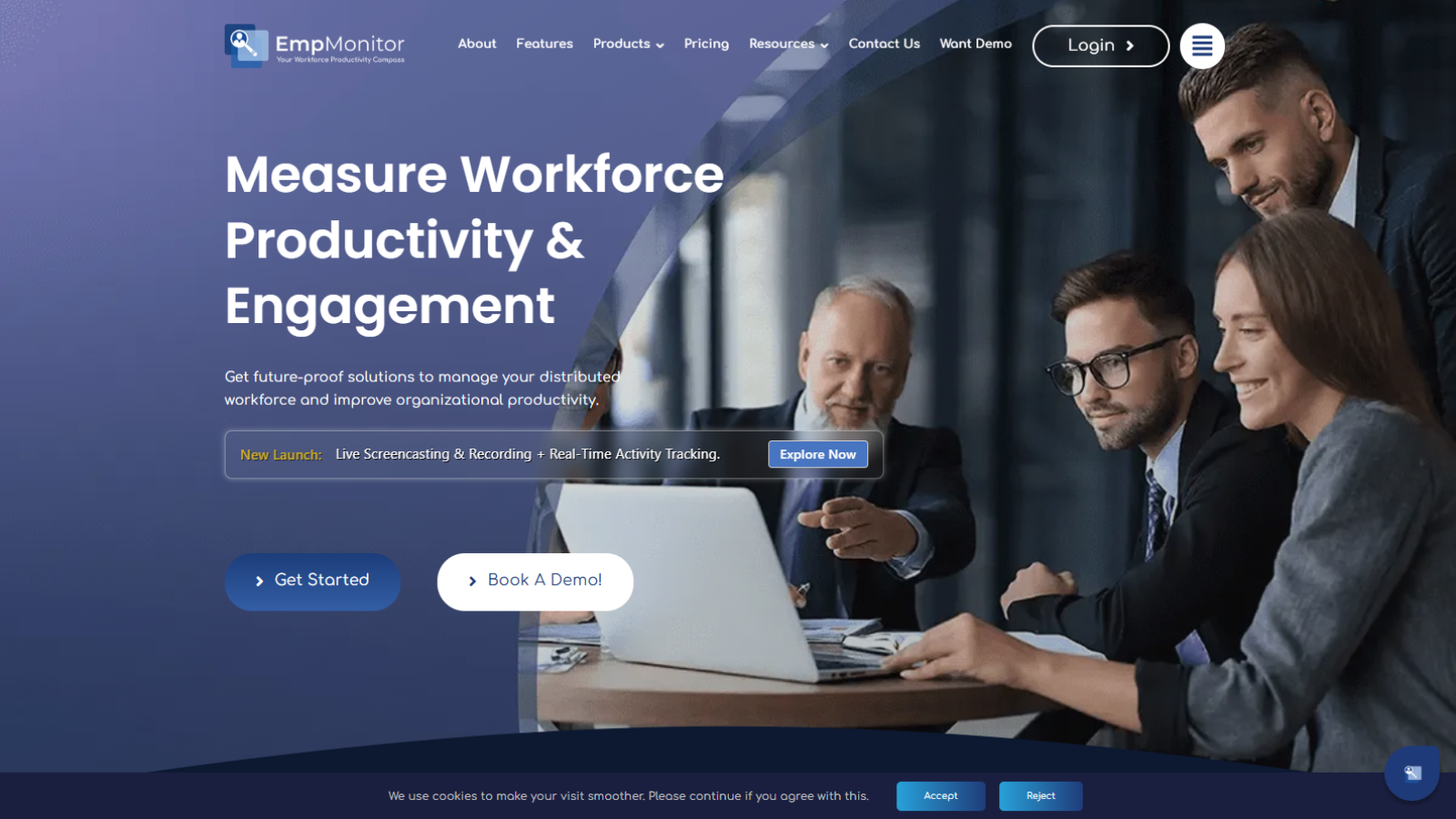

Managing workforce productivity and operational workflows can be challenging without the right tools. Empmonitor goes beyond traditional employee monitoring to provide a holistic view of your business processes. It helps organizations track, analyze, and optimize team performance while ensuring compliance and security.
Key Features of Empmonitor:
- Employee Monitoring Software: EmpMonitor’s Employee Monitoring Software provides detailed insights into your team’s activities on a daily and hourly basis. This advanced Employee Monitoring Software delivers context-rich reporting, helping managers analyze work patterns, optimize performance, and enhance productivity across distributed teams.
- Time-Tracking: Monitor working patterns effortlessly. Automated reports and real-time timesheets provide an accurate assessment of productive and idle hours.
- User Activity Monitoring: Track application usage, websites visited, and task engagement. Identify trends, bottlenecks, or underperformance for immediate intervention.
- Insider Threat Prevention: Protect sensitive company data by identifying suspicious or negligent employee activity. Mitigate risks before they escalate.
- Attendance Monitoring: Simplify attendance and leave management while ensuring data accuracy. Generate online payslips and maintain compliance with a centralized dashboard.
- Workforce Productivity & Engagement: Boost engagement and efficiency with detailed workflow analysis and project tracking. Empower employees to perform at their best.
- Live Screencasting & Screen Recording: Access real-time screens or recorded sessions to assist, train, or resolve issues without interrupting workflows.
- Project Management: Streamline project planning, assign tasks, track progress, and allocate resources efficiently. Empmonitor ensures smooth collaboration and workflow optimization.
Why EmpMonitor Is Ideal For Process Monitoring?
Empmonitor provides a 360-degree view of workforce activities and operational processes, aligning perfectly with the objectives of workflow oversight. By combining time-tracking, project management, and real-time reporting, it empowers managers to make informed decisions, prevent bottlenecks, and maintain high efficiency across all workflows.
Steps To Implement Effective Process Monitoring
Implementing workflow oversight requires careful planning and execution. Here is a step-by-step guide to help organizations get started:
1: Define Objectives
Clearly define what you want to achieve with workflow oversight. Objectives may include reducing operational costs, improving productivity, or enhancing customer satisfaction.
2: Identify Key Processes
Identify the critical workflows that impact business performance. Focus on processes that are complex, resource-intensive, or prone to errors.
3: Choose the Right Tools
Select suitable process monitoring software and analytics tools that match your organization’s needs. Ensure the tools can track relevant metrics and generate actionable insights.
4: Collect and Analyze Data
Gather data from all relevant sources and analyze it to understand process performance. Identify bottlenecks, delays, and inefficiencies that require intervention.
5: Implement Monitoring
Set up dashboards, alerts, and reporting systems to monitor processes in real time. Ensure that stakeholders can access relevant data to make informed decisions.
6: Continuous Improvement
Use insights from monitoring to implement changes and improve workflows. Regularly review processes to ensure they remain efficient and aligned with business goals.
Which Best Practices Improve The Process Monitoring Workflow?

To maximize the benefits of workflow oversight, organizations should follow these best practices:
- Focus on Key Metrics: Monitor performance metrics that matter most to your business. Avoid tracking irrelevant data that can overwhelm decision-making processes.
- Automate Where Possible: Automation reduces human error and ensures real-time tracking. Use workflow management software to automate repetitive tasks, data collection, and reporting.
- Foster a Culture of Transparency: Encourage employees to embrace monitoring as a tool for improvement rather than surveillance. Transparency builds trust and increases engagement.
- Regularly Review Processes: Monitoring is not a one-time activity. Regularly review workflows, metrics, and reports to identify areas for improvement and adapt to changing business needs.
- Integrate with Other Systems: Integrate workflow oversight with other business tools, such as project management, CRM, and ERP systems, to gain a holistic view of operations.
Which Common Challenges Can Affect Process Monitoring?
Despite its benefits, workflow oversight comes with certain challenges. Organizations must be aware of these and develop strategies to overcome them.
1. Data Overload:
Monitoring generates a large volume of data, which can be overwhelming. Effective analytics and reporting tools are essential to convert data into actionable insights.
2. Employee Resistance:
Some employees may view monitoring as intrusive. Clear communication about the purpose and benefits of workflow oversight helps mitigate resistance.
3. Cost of Implementation:
Investing in workflow management software and analytics tools can be expensive. Organizations should weigh the costs against potential efficiency gains and long-term benefits.
4. Integration Issues:
Integrating monitoring tools with existing systems can be challenging. Proper planning and technical support are essential for smooth implementation.
Conclusion
Process monitoring is no longer optional; it is a necessity for modern businesses aiming to optimize operations, increase productivity, and stay competitive. By implementing effective monitoring strategies, organizations can identify inefficiencies, reduce risks, and foster a culture of continuous improvement.
From real-time tracking to advanced predictive analytics, tools and techniques for workflow oversight continue to evolve, providing businesses with unparalleled insights into their operations. Whether you are a small startup or a large enterprise, embracing workflow oversight will help you achieve operational excellence and long-term success.
For businesses looking for a comprehensive solution, Empmonitor provides all-in-one employee and workflow monitoring, empowering teams to perform better, track productivity, and manage processes efficiently.
FAQs
1: What tools help companies track workflow accuracy?
Companies use various digital tools that analyze performance data, highlight inefficiencies, and ensure every task meets quality standards. These tools also provide alerts when workflows deviate from expected results.
2: Can workflow oversight improve team collaboration?
Yes, workflow oversight supports better collaboration by giving teams clear visibility into responsibilities, progress, and deadlines. When everyone understands how their work connects, collaboration improves naturally.
3: How do businesses ensure smooth transitions during workflow changes?
Successful transitions depend on clear communication, step-by-step migration plans, and real-time feedback loops. Teams should also track new workflow patterns to confirm that updated systems operate as expected with minimal disruption.