


Every business decision carries some level of risk. While certain risks are easy to identify, others remain hidden until they create serious problems. This is why responsible organizations take time to evaluate situations before making commitments. The process that enables this careful evaluation is best understood through the due diligence process. Due diligence is not just a formal step. It is a disciplined approach that helps businesses verify information, assess risks, and make decisions with confidence. This guide explains the due diligence meaning in practical terms, why it matters, and how businesses can apply it effectively in real-world situations.
Tap to listen:
What Does Due Diligence Mean?

The due diligence process refers to a structured process where businesses verify facts, assess potential risks, and confirm the reliability of information before taking action. Instead of relying on assumptions, organizations actively investigate and validate the details that influence their decisions.
In practical terms, this means reviewing financial records, checking legal compliance, evaluating operational processes, and understanding the people involved. The goal is to ensure that nothing important is overlooked before committing resources or forming partnerships.
The due diligence meaning is closely linked to responsibility. When a business performs proper checks, it demonstrates accountability and foresight. This reduces uncertainty and helps create a stable foundation for future decisions.
What Is Due Diligence And Why Is It Important?
Understanding the due diligence meaning is essential because poor decisions often result from incomplete or unchecked information. When businesses skip proper evaluation, they expose themselves to unnecessary risks that can lead to financial loss, legal complications, or operational disruption.
Due diligence encourages a mindset built on verification rather than assumption. It ensures that every important decision is backed by reliable data and careful analysis. This approach not only protects the organization but also builds trust with investors, clients, and partners.
A strong understanding of the due diligence meaning allows leaders to act with clarity and confidence, especially in situations where the stakes are high.
Due Diligence Meaning In Business Explained
In a business environment, the due diligence meaning extends beyond basic research. It involves a detailed and systematic evaluation of multiple areas that directly affect decision-making.
Financial accuracy is one of the most critical aspects. Businesses must verify revenue, expenses, and cash flow to ensure that financial data reflects reality. Without accurate financial information, even well-planned decisions can fail.
Legal compliance is another essential area. Organizations need to review contracts, licenses, and regulatory obligations to avoid disputes or penalties in the future. This step ensures that all operations align with applicable laws.
Operational efficiency also plays a key role. By examining workflows and internal processes, businesses can identify inefficiencies or gaps that may affect performance. This helps ensure that operations are aligned with business goals.
Workforce reliability is equally important. Evaluating employee behavior, productivity, and adherence to policies provides insight into how effectively the organization functions daily.
Data security has become a major component of Due diligence meaning in modern businesses. Assessing how information is accessed, stored, and protected helps prevent data breaches and compliance issues.
The due diligence meaning in business also includes continuous evaluation. Risks evolve, so ongoing monitoring is necessary to maintain control and visibility.
Types Of Due Diligence Businesses Should Know
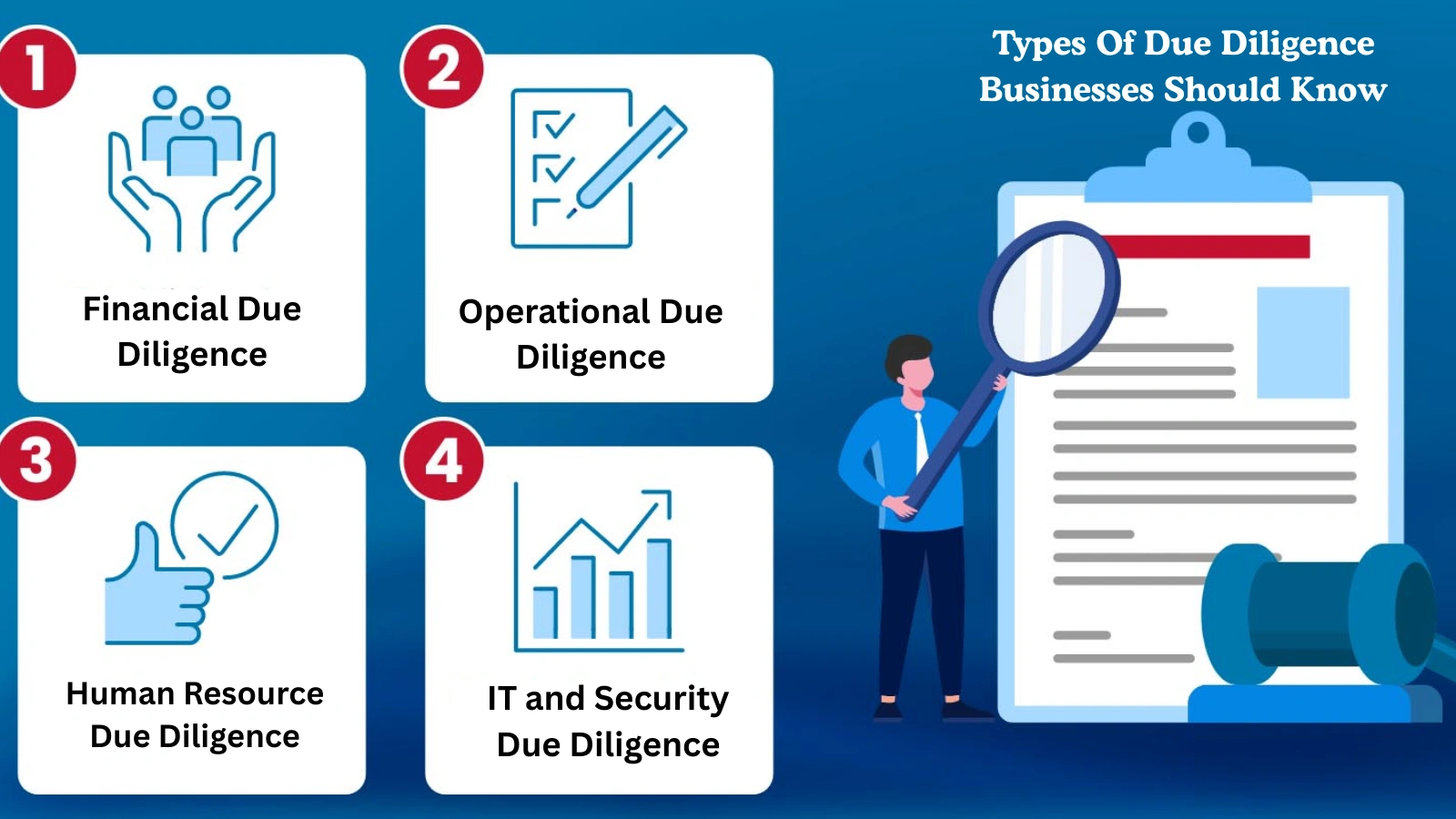
The due diligence meaning changes slightly depending on the situation, as different scenarios require different types of evaluation.
Financial due diligence
It focuses on understanding the financial health of a business. This includes reviewing income statements, balance sheets, and liabilities to ensure transparency and accuracy.
Legal due diligence
This involves examining contracts, regulatory requirements, and potential legal risks. This helps businesses avoid future disputes and ensures compliance with laws.
Operational due diligence
Operational due diligence evaluates how efficiently a business operates. It looks at processes, systems, and resource utilization to determine whether the organization can meet its objectives.
Human resource due diligence
A company’s workforce insights play a critical role in its overall stability and performance. This aspect of due diligence examines employee behavior, performance consistency, attendance patterns, and adherence to internal policies. It goes beyond surface-level metrics to reveal how effectively teams are managed and how reliably they operate within established systems.
These insights help organizations address internal challenges early and maintain a disciplined, accountable work environment.
IT and security due diligence examines system access, data protection, and cybersecurity measures. This type of evaluation is increasingly important as businesses rely more on digital infrastructure.
Due Diligence Process Step by Step
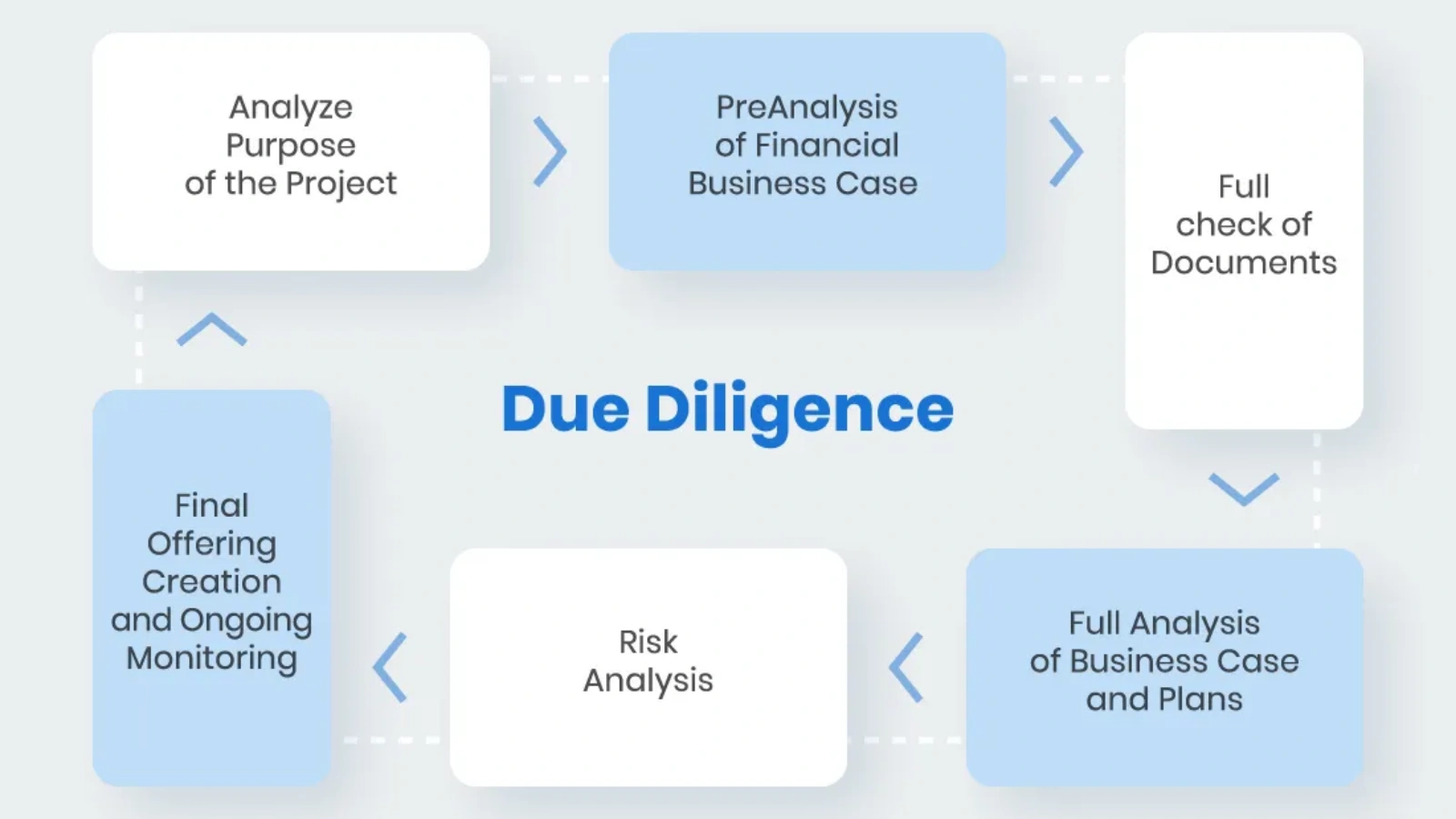
A structured approach helps businesses apply the due diligence meaning consistently.
Step 1: Define Objectives
Set clear goals to determine what the business must verify, evaluate, or confirm before making informed decisions.
2: Collect Reliable Data
Gather accurate financial records, contracts, system logs, and workforce data to ensure factual analysis and dependable conclusions.
3: Review People and Processes
Examine employee behavior, productivity monitoring, access permissions, and compliance practices to assess operational reliability and internal control strength.
4: Identify Risks
Detect gaps, inconsistencies, policy violations, or unusual patterns early to prevent financial loss, compliance failures, or operational disruption.
5: Document Findings
Create detailed reports that record observations, support accountability, guide decisions, and provide evidence for audits or future evaluations.
This process answers what does due diligence mean in practical terms. It replaces guesswork with evidence.
Common Due Diligence Mistakes Businesses Make
Even when businesses understand the due diligence meaning, they sometimes make mistakes in execution. One common issue is limiting the scope of evaluation. Many organizations focus only on external factors and ignore internal operations, which can lead to incomplete assessments.
Another challenge comes from relying too heavily on manual processes. Manual reviews are time-consuming and often fail to identify patterns or hidden risks.
A lack of continuous monitoring is also a major weakness. Due diligence is not a one-time activity. Without ongoing oversight, businesses may miss changes that introduce new risks over time.
Keep reading
Balancing Trust And Security: Best Practices For Personal Computer Monitoring
How To Develop Employee Wellness Programs That Drive Results?
How Workforce Monitoring Supports Due Diligence
Workforce monitoring plays an increasingly important role in strengthening due diligence by giving businesses clear, data-backed visibility into their internal operations. While monitoring tools do not replace the due diligence process itself, they provide the kind of consistent and verifiable information that makes evaluations more accurate and reliable.
Instead of relying on assumptions or occasional checks, organizations can base their decisions on real activity data, which improves both transparency and work accountability.
Tools like EmpMonitor are designed to support this need for visibility.
How EmpMonitor Improves Visibility and Control
EmpMonitor is an employee monitoring and Productivity hours solution that helps businesses understand how work is performed across teams. It offers features such as real-time activity tracking, application and website usage insights, time tracking, attendance monitoring, and detailed reporting. These capabilities allow organizations to maintain a continuous view of workforce behavior and operational patterns without interrupting daily workflows.
When applied within the context of due diligence, workforce monitoring contributes in several meaningful ways:
Improved operational visibility
By tracking employee activity and application usage, businesses gain a clear understanding of how work actually happens. This helps verify whether internal processes are being followed as intended and whether teams are aligned with organizational goals.
Stronger audit and compliance support
Accurate records of time usage, attendance, and productivity create a reliable data trail. During audits or compliance reviews, this information serves as supporting evidence, making internal assessments more credible and structured.
Early identification of risks
Monitoring systems can highlight unusual patterns such as unauthorized access, excessive idle time, or policy violations. Detecting these issues early allows organizations to take corrective action before they develop into larger operational or security risks.
Documented accountability
Detailed reports generated by tools like EmpMonitor provide a consistent record of employee activity and system usage. This documentation becomes valuable when businesses need to justify decisions, respond to audits, or demonstrate compliance to stakeholders.
Support for continuous oversight
Due diligence is not a one-time effort. Continuous monitoring ensures that businesses remain aware of changes in behavior, performance, and system usage over time. This ongoing visibility helps maintain readiness for future evaluations and reduces the chances of unnoticed risks.
By integrating workforce monitoring into their processes, businesses enhance the practical application of due diligence. Instead of relying solely on periodic reviews, they build a system of ongoing awareness and control. This combination of structured evaluation and continuous data insight allows organizations to operate with greater confidence, reduce internal risks, and maintain stronger compliance standards over the long term.
Due Diligence Meaning In Business Compliance And Security
The due diligence meaning has become increasingly important in the areas of compliance and security. As regulations become stricter, businesses must ensure that they follow policies and protect sensitive information.
Due diligence helps organizations verify that access controls are properly implemented and that data is handled responsibly. This reduces the likelihood of compliance violations and security incidents.
Many security risks originate from within the organization. By maintaining visibility into internal operations, businesses can strengthen their defenses and reduce exposure to threats.
Benefits Of Implementing A Strong Due Diligence Framework
A strong framework delivers clear advantages:
Reduced Operational Risk
A strong due diligence framework helps businesses identify weaknesses early, address internal gaps, and prevent costly errors that disrupt operations or expose the organization to unnecessary risk.
Improved Transparency
Clear review processes create visibility across people, systems, and decisions, allowing leaders to understand how work happens and maintain accountability at every operational level.
Better Decision Quality
Reliable data and verified information replace assumptions, allowing leaders to make informed choices that align with business goals, resources, and long-term priorities.
Stronger Compliance Posture
Consistent due diligence checks help businesses meet regulatory obligations, enforce internal policies, and reduce the likelihood of legal penalties or compliance failures.
Higher Stakeholder Confidence
Investors, partners, and clients trust organizations that demonstrate responsibility, control, and preparedness through structured due diligence practices and documented oversight.
The due diligence meaning in business supports long-term growth and stability.
When Should Businesses Perform Due Diligence?
Businesses should apply due diligence before:
Partnerships or Mergers
Businesses should conduct due diligence before partnerships or mergers to verify financial stability, legal standing, operational practices, and risk exposure before committing resources or shared responsibilities.
Hiring or Outsourcing
Due diligence before hiring or outsourcing helps organizations evaluate reliability, skills, compliance history, and potential risks associated with granting access to internal systems or sensitive information.
System Access Changes
Before modifying system access, due diligence ensures only authorized individuals receive permissions, reducing security risks, misuse of data, and unauthorized operational activity.
Policy Updates
Due diligence before policy changes helps leaders assess impact, compliance requirements, and operational readiness, ensuring new rules align with business objectives and workforce capabilities.
Compliance Reviews
Conducting due diligence before compliance reviews allows organizations to identify gaps, correct issues, and prepare accurate documentation that supports regulatory expectations and audit readiness.
Waiting too long weakens protection. Understanding what is due diligence helps leaders act early.
Final Thoughts
The due diligence meaning goes far beyond a simple definition. It represents a structured and responsible approach to decision-making.
Businesses that prioritize verification, evaluation, and continuous monitoring are better equipped to handle uncertainty and protect their operations. As modern organizations become more complex, the importance of due diligence continues to grow.
By combining disciplined processes with tools that improve visibility and accountability, businesses can turn due diligence into a strategic advantage rather than just a requirement.
FAQs
What does due diligence mean in simple terms?
Due diligence means carefully checking facts, assessing risks, and confirming reliability before making important business decisions. It ensures decisions are informed, accountable, and backed by accurate, verifiable information rather than assumptions or incomplete data.
What is due diligence in business operations?
In business, due diligence involves systematically reviewing risks, employee management, financial records, internal processes, and compliance practices. This structured evaluation helps leaders act confidently, prevent operational failures, and reduce exposure to legal or financial issues.
Why does due diligence matter today?
Due diligence matters because it minimizes uncertainty, prevents financial and operational losses, strengthens regulatory compliance, and ensures that business decisions align with objectives, stakeholder expectations, and long-term growth strategies.
How does employee monitoring support due diligence?
Employee monitoring provides clear insights into workforce activity, productivity tools, and policy adherence. These insights help businesses make informed decisions, verify internal processes, identify risks early, and strengthen accountability during audits and operational reviews.
Is due diligence a one-time process?
No. The due diligence process involves continuous evaluation and monitoring. Businesses must regularly review operations, employee behavior, policies, and processes to maintain transparency, control risks, and ensure compliance over time.