
Balancing professional responsibilities with personal life has never been more challenging. With remote work, constant connectivity, and rising workplace demands, employees often struggle to maintain boundaries. Achieving a harmonious lifestyle requires intention, planning, and actionable work life balance tips.
In a hurry? Listen to the blog instead!
In this blog, we explore 10 essential work life balance tips that help you manage stress, protect your energy, and lead a more fulfilling life.
1. Redefine Success on Your Terms:
Many people measure success by salary, job titles, or recognition, but ignore their well-being. A key step toward better work-life balance is redefining success on your own terms.
Ask yourself:
- What truly matters to me outside of work?
- How do I want to feel at the end of each day?
- Which personal goals are non-negotiable?
When you focus on fulfillment, not just achievements, you make room for family, rest, hobbies, and growth. Real success isn’t just professional; it’s balanced and meaningful.
2. Set Boundaries You Actually Honor:


Boundaries are useless if they’re ignored. One of the most important work life balance tips is to set firm boundaries and stick to them consistently. Clear boundaries prevent burnout, reduce stress, and ensure both your personal and professional lives receive the attention they deserve.
Examples of actionable boundaries:
- Turn off work notifications after a set hour: Avoid checking emails, chats, or work apps after your designated work time. This allows your brain to fully disconnect and recharge for the next day.
- Reserve weekends or evenings for family and rest: Schedule time for family, hobbies, or relaxation, and treat it as non-negotiable. Protecting personal time strengthens relationships and improves overall well-being.
- Limit work emails outside office hours: Responding immediately to every email can blur work-life boundaries. Decide on specific times for checking messages and communicate this to colleagues when needed.
- Define specific remote work hours: If working from home, set clear start and end times. Avoid extending work into personal hours, and create a dedicated workspace to separate professional tasks from home life.
By implementing these boundaries consistently, you enhance productivity during work hours while ensuring your personal life remains fulfilling and stress-free, one of the most effective work life balance tips for managing tasks from home life.
Also Read:
Work-Life Balance 101: How To Stay Positive In a Negative Work Environment
3. Build Daily Routines That Support Mind And Body:
Routines reduce stress, improve efficiency, and create space for personal well-being. Include the following in your daily schedule:
- Consistent sleep and wake-up times: Maintaining a regular sleep schedule regulates your body clock, improves focus, boosts energy levels, and supports overall mental and physical health.
- Morning rituals that energize you: Activities like light exercise, stretching, meditation, or a healthy breakfast prepare your body and mind for a productive day.
- Scheduled breaks during work hours: Taking short, regular breaks prevents fatigue, enhances concentration, and reduces the risk of burnout. Consider techniques like the Pomodoro method for structured intervals.
- Evening habits to unwind: Reading, journaling, or light stretches before bed help you relax, disconnect from work stress, and improve sleep quality, important work life balance tips for ending your day on a positive note.
- Time for hobbies and personal growth: Allocating even 30–60 minutes for hobbies, learning new skills, or personal projects nurtures creativity, reduces stress, and fosters a sense of accomplishment.
By embedding these routines, you free mental space, manage energy effectively, and maintain a balanced life while excelling at work.
4. Manage Energy, Not Just Time:
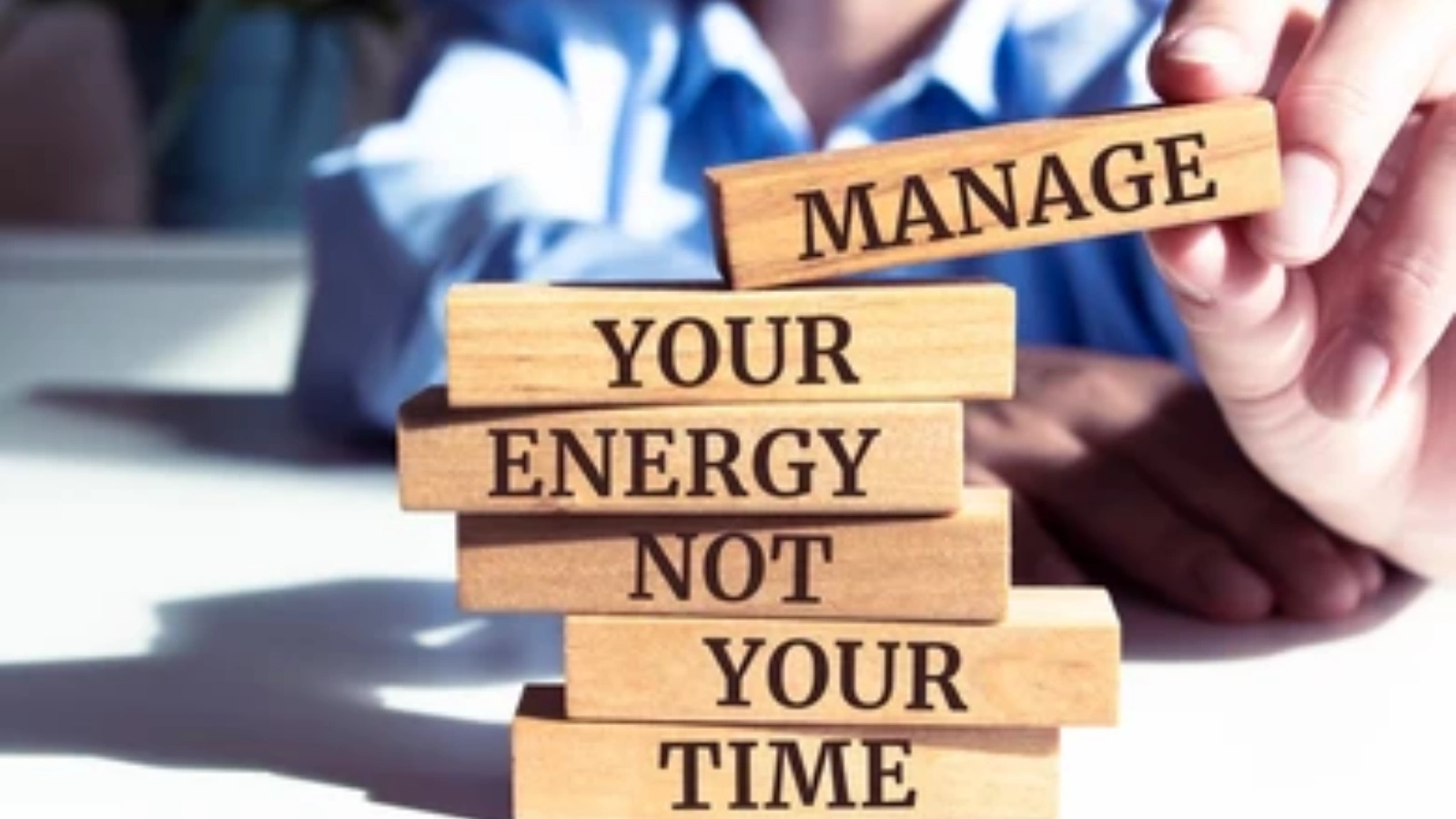
Focusing solely on time management can be limiting. One of the most effective work life balance tips is energy management.
Identify periods of high and low energy and align your tasks accordingly:
- High-energy periods → tackle complex tasks
- Low-energy periods → focus on routine or simpler work
Tools like Empmonitor can help you track your activity patterns and identify productivity peaks. Using it can help you understand the best working hours. Based on that, you can schedule demanding tasks during high-focus periods and leave low-energy periods for easier activities. Thereby improving overall efficiency and preserving personal time.
5. Learn To Say No Without Guilt:
Saying no is a powerful but often underused skill. One of the essential work life balance tips is to politely decline tasks that drain your energy or don’t align with your priorities.
Benefits of saying no:
- Reduces mental clutter: Helps you focus on essential tasks by eliminating distractions and unnecessary responsibilities.
- Prevents burnout: Conserves your physical and mental energy, reducing stress from overcommitment.
- Protects personal and professional priorities: Ensures that your important goals, deadlines, and commitments receive the attention they deserve.
- Maintains control over your schedule: Gives you authority over your time, so you can plan your day intentionally and avoid being pulled in multiple directions.
6. Improve Work Efficiency, Not Just Work Hours:
Overworking is not the same as working efficiently. Smart workflow habits are key to maintaining balance. Effective work life balance tips include:
- Time-blocking important tasks: Allocate dedicated blocks of time for high-priority work. This prevents distractions and ensures critical tasks are completed without feeling rushed.
- Avoiding multitasking: Focus on one task at a time to improve accuracy, reduce errors, and complete work faster, which ultimately frees up personal time.
- Using “deep work” sessions: Schedule uninterrupted periods to concentrate on cognitively demanding tasks. Deep work enhances creativity and output while minimizing stress from constant context-switching.
- Taking short breaks every 90 minutes: Brief pauses allow your mind to rest, improve focus, and sustain energy throughout the day. Even a five-minute walk or stretch can recharge productivity.
Here, tools like Empmonitor can further enhance efficiency by tracking task completion, monitoring app usage, and providing insights into productive versus idle hours.
With these insights, you can optimize workflows, reduce unnecessary overtime, and create more time for personal life, supporting a sustainable work-life balance.
7. Protect Your Mental and Emotional Health:

Mental and emotional well-being is the foundation of a balanced life. Some of the best work life balance tips for mental health include:
- Practicing mindfulness and meditation: Spend a few minutes daily focusing on your breath or doing guided meditation to reduce stress and improve clarity.
- Journaling your thoughts and reflections: Writing down emotions, goals, or challenges helps process feelings, track progress, and gain perspective.
- Limiting social media and digital noise: Reducing exposure to constant notifications and online distractions prevents mental fatigue and promotes presence in your daily life.
- Spending time outdoors: Nature walks, fresh air, or simply stepping outside helps rejuvenate your mind, improve mood, and increase energy levels.
- Maintaining gratitude practices: Daily gratitude exercises, like listing things you’re thankful for, boost positivity, reduce stress, and foster a sense of fulfillment.
Even short daily habits like these can prevent burnout, enhance focus, and make it easier to enjoy both work and personal life.
8. Strengthen Relationships And Personal Connections:
Strong connections with family, friends, and colleagues enrich life and provide support during stressful times. Key work life balance tips include:
- Weekly catch-ups with loved ones
- Being fully present during meals and conversations
- Scheduling date nights or quality family time
- Creating shared hobbies and rituals
Healthy relationships enhance happiness and provide energy to perform well at work without feeling depleted.
9. Make Time For Hobbies, Joy, And Personal Growth:
Many adults lose touch with hobbies and passions because work consumes mental bandwidth. One of the most effective work life balance tips is to reconnect with activities that bring joy.
Ideas include:
- Painting, music, or dancing: Engaging in creative arts stimulates the brain, relieves stress, and enhances emotional expression.
- Gardening or outdoor activities: Spending time in nature improves mood, increases physical activity, and provides a healthy break from screens and work.
- Reading and writing: These activities sharpen the mind, foster self-reflection, and offer an escape that promotes mental relaxation.
- Travel and exploration: Exploring new places, cultures, or experiences broadens perspective, encourages mindfulness, and creates lasting memories.
- Cooking or creative DIY projects: Hands-on projects provide a sense of accomplishment, boost creativity, and allow you to unwind productively.
Hobbies remind you that your identity is not solely defined by your career. They enrich life, spark creativity, enhance emotional well-being, and are among the most effective work life balance tips for maintaining a sustainable lifestyle.
10. Keep Improving And Realigning As Life Changes:
Balance is not a one-time goal—it evolves as life circumstances change. The final work life balance tip is to periodically assess and realign your priorities to ensure both personal and professional needs are met.
Ask yourself monthly:
- Am I allocating enough time to what matters most? Evaluate whether your schedule allows sufficient attention for family, health, hobbies, and personal growth alongside work commitments.
- Is work draining or inspiring me? Reflect on whether your current tasks and projects energize you or cause chronic stress. Identifying draining responsibilities helps you adjust or delegate them.
- Do I need to adjust routines, tasks, or energy allocation? Life and work demands change over time. Revisiting your schedule and daily routines ensures your energy is spent on meaningful activities.
Tools like Empmonitor provide data-driven insights to make this process easier. By analyzing team and personal activity, monitoring productive versus idle hours, and tracking project progress, you can identify patterns, optimize workflows, and make informed adjustments.
This continuous evaluation is crucial for understanding how to balance work and life effectively and maintaining a sustainable, fulfilling lifestyle.
How Empmonitor Helps You Optimize Work-Life Balance?
Maintaining productivity while protecting personal time is easier when you have the right tools. Empmonitor is an advanced employee monitoring and productivity platform that supports both individual and team efficiency, enabling a healthy work life balance.
It also provides actionable insights, making it one of the most effective work life balance tips for managing tasks, improving focus, and maintaining personal well-being alongside professional responsibilities.
Why Empmonitor Helps Maintain Work-Life Harmony
Empmonitor provides insights into work patterns, team performance, and time management, which allows employees to optimize their workflow and managers to allocate tasks smartly. This creates a less stressful work environment, enhances productivity, and ensures employees have time for personal life.
Key Features of Empmonitor
- Employee Monitoring Software
- Track daily and hourly activities of distributed teams
- Context-rich reporting helps managers enhance productivity
- Time Tracking
- Automated timesheets show real-time activity stats
- Analyze productive versus idle hours for better planning
- User Activity Monitoring
- Monitor app and website usage for optimized workflow
- Identify time-draining activities and adjust schedules
- Insider Threat Prevention
- Detect negligent or malicious behavior to protect assets
- Strengthens security and operational efficiency
- Attendance & Leave Management
- Track attendance digitally and manage leave seamlessly
- Simplifies HR processes while ensuring compliance
- Project Management
- Assign tasks, monitor progress, and foster collaboration
- Allocate resources effectively and optimize team output
- Real-Time Activity Tracking & Live Screencasting
- Monitor live applications and employee desktops
- Troubleshoot or collaborate in real-time without disrupting work
With Empmonitor, employees can work efficiently without extending hours unnecessarily, and managers can ensure workload is distributed fairly. This is one of the most effective work life balance tips, fostering a healthier, more balanced work environment and helping everyone maintain personal well-being while achieving professional goals.
Conclusion
Creating a fulfilling life requires a combination of intention, planning, and smart tools. By following these 10 work life balance tips, you can:
- Protect your mental and physical well-being
- Strengthen personal relationships
- Improve productivity without overworking
- Reconnect with hobbies and passions
- Continuously adjust and realign priorities
Platforms like Empmonitor amplify these efforts by providing actionable insights into productivity, time management, and team engagement. When used wisely, technology can enhance, not replace, your work-life harmony.
A balanced life is not a dream; it’s a choice, and the right strategies and tools make it achievable.
FAQs
1. How can technology help improve work-life balance?
Technology, when used wisely, can streamline tasks, automate repetitive work, track productivity, and provide insights into time management. Leveraging these tools is one of the most effective work life balance tips, helping employees maintain a better balance between work responsibilities and personal life.
2. What are the signs of poor work-life balance?
Signs include chronic stress, constant fatigue, lack of personal time, strained relationships, decreased productivity, and frequent burnout or mental exhaustion.
3. Can flexible work hours improve work-life balance?
Yes. Flexible schedules allow employees to align work with personal priorities, manage energy levels effectively, and maintain both professional performance and personal well-being.
4. How can employers support employees in achieving work-life balance?
Employers can offer flexible schedules, encourage breaks, provide productivity tools, limit after-hours communication, and foster a culture that respects personal time. Implementing such strategies is one of the most effective work life balance tips for creating a supportive work environment and helping employees maintain a healthy balance between work and personal life.
5. Is work-life balance the same for remote and office employees?
Not always. Remote employees may struggle with blurred boundaries, while office employees may face commuting stress. Each setup requires tailored strategies and tools to maintain balance effectively.