



Employee productivity directly impacts business growth, profitability, and team morale. However, distractions, burnout, and poor communication often prevent employees from using a performance tracking system. In today’s fast-moving work environment, organisations must find smarter ways to help employees stay focused, motivated, and efficient while maximising productivity without overwhelming employees.
Every business owner wants to maximise staff productivity to deliver consistent results, but improving workplace productivity is not simply about increasing workloads or monitoring every activity. Sustainable productivity comes from clear communication, proper support, healthy work environments, and the right technology.
Whether you manage a startup, a growing business, or a large enterprise, these practical strategies can help you create a more engaged and high-performing workforce. Here are 10 proven ways organisations improve employee efficiency while maintaining a positive workplace culture.
Listen to the podcast.
1. Set Clear Goals and Expectations
One of the biggest reasons employees struggle at work is not a lack of effort, but a lack of clarity. When employees are unsure about priorities, deadlines, or expected outcomes, they often spend time on tasks that contribute little to business goals.
Start by setting SMART goals for every team member:
- Specific
- Measurable
- Achievable
- Relevant
- Time-bound
Break large projects into smaller milestones with defined responsibilities. This makes progress easier to track and reduces confusion across teams.
Managers should also schedule regular one-on-one meetings to review progress, address roadblocks, and provide guidance before small issues become larger problems. Employees who clearly understand their responsibilities tend to stay more focused, accountable, and motivated throughout the workday — a key step to maximize productivity across every team.
2. Prioritize Employee Well-Being
A stressed and exhausted workforce cannot consistently perform at a high level. Employee well-being plays a direct role in productivity, engagement, and retention.
Workplace wellness goes beyond offering gym memberships or occasional team activities. It includes:
- Manageable workloads
- Mental health support
- Flexible schedules
- Healthy work-life balance
- Supportive leadership
Encourage employees to take breaks during the day, use their vacation time, and disconnect after work hours whenever possible. Managers should actively watch for signs of burnout, such as declining performance, low engagement, or increased absenteeism.
Research consistently shows that employees who feel supported are more engaged and maximize productivity. A healthy workplace culture improves morale while reducing turnover and workplace stress.
3. Minimize Workplace Distractions
Frequent interruptions can significantly reduce focus and efficiency. Unnecessary meetings, constant notifications, excessive messaging, and social media browsing often break employee concentration and slow down progress.
Encourage employees to practice deep work by setting aside uninterrupted blocks of time for important tasks. During these periods, notifications and non-essential communication should be minimized.
Organizations can also improve focus by:
- Reducing unnecessary meetings
- Setting clear communication guidelines
- Batching emails at specific times
- Limiting multitasking
- Creating quiet work environments
For remote and hybrid teams, identifying maximize productivity patterns becomes even more important. Managers should understand how employees spend their time so they can provide support where needed and remove obstacles that reduce efficiency.
4. Use Automation Tools to Improve Efficiency
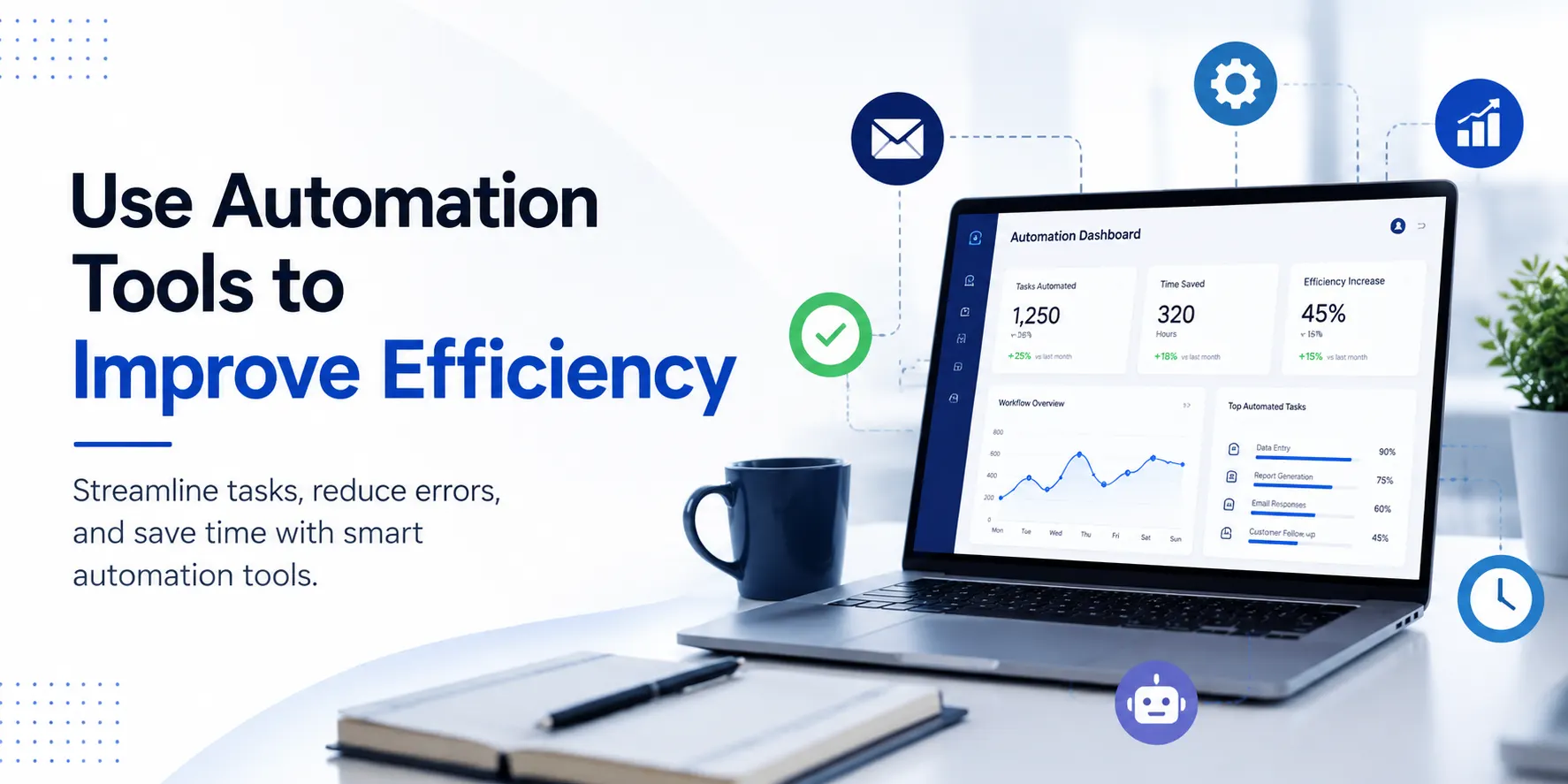

Many employees lose valuable hours every week performing repetitive administrative tasks. Automating routine work allows maximize staff productivity and focus on higher-value responsibilities that require creativity, problem-solving, and decision-making.
Businesses can automate processes such as:
- Attendance tracking
- Report generation
- Scheduling
- Data entry
- Workflow approvals
- Repetitive communication
Project management and collaboration platforms also improve coordination between departments while reducing manual follow-ups.
For example, instead of manually compiling weekly maximize productivity reports, automated systems can generate real-time insights instantly. This saves time, reduces errors, and helps managers make faster decisions.
Regularly reviewing your workplace tools ensures your organization continues using solutions that genuinely improve operational efficiency.
5. Encourage Open Communication and Feedback
Poor communication often creates confusion, delays, and disengagement within teams. Employees who feel ignored or disconnected from company decisions are less likely to stay motivated.
Create a workplace culture where communication flows openly between employees and leadership. Managers should provide timely, constructive feedback while encouraging employees to share ideas, concerns, and suggestions without hesitation.
Organizations can strengthen communication by:
- Holding regular team meetings
- Sharing transparent company updates
- Using anonymous feedback channels
- Encouraging collaborative discussions
- Recognizing employee contributions publicly
When employees feel heard and informed, they develop stronger trust in leadership and become more invested in their work. Open communication is one of the simplest ways to maximize productivity without adding cost or complexity.
6. Offer Continuous Learning Opportunities
Employees who continue learning are more likely to remain engaged, motivated, and committed to organizational success. Investing in employee development also helps businesses build stronger internal talent and reduce turnover.
Provide opportunities such as:
- Online training courses
- Skill development workshops
- Mentorship programs
- Cross-functional projects
- Leadership training
- Industry certifications
Even small learning initiatives can significantly improve employee confidence and performance over time. For example, training employees on new software tools can reduce errors, improve collaboration, and increase efficiency across departments. A workplace that supports growth creates employees who are more adaptable, productive, and loyal. Continuous learning is one of the most overlooked ways to maximize productivity at an organizational level.
7. Recognize and Reward Employee Contributions
Employee recognition has a powerful impact on motivation and workplace morale. People naturally perform better when their efforts are appreciated and acknowledged.
Recognition does not always require large financial incentives. Small but meaningful gestures can have a strong effect, including:
- Public appreciation during meetings
- Personalized thank-you messages
- Employee reward programs
- Performance-based bonuses
- Peer recognition initiatives
According to workplace engagement studies, employees who feel recognized are more likely to stay committed to their roles and contribute consistently.
Celebrating achievements also encourages a positive work environment where employees feel valued for their efforts rather than overlooked. When recognition becomes part of daily culture, teams consistently maximize productivity without needing added pressure.
8. Embrace Flexible Work Arrangements
Traditional work schedules do not always suit every employee. Some individuals perform best early in the morning, while others are more productive later in the day.
Flexible work arrangements allow employees to work during their most productive hours while maintaining a better work-life balance. Options such as remote work, hybrid schedules, and flexible hours can improve both employee satisfaction and performance.
Studies have shown that employees with greater flexibility often demonstrate:
- Higher engagement
- Better focus
- Reduced stress
- Improved job satisfaction
The key is to evaluate employees based on results and performance rather than simply tracking hours worked. Giving employees more autonomy often leads to stronger accountability and better overall output. Flexible arrangements are a proven way to maximize productivity while improving long-term employee retention.
9. Conduct Regular Performance Reviews
Regular performance evaluations help employees understand their strengths, identify improvement areas, and align their goals with organizational objectives.
Instead of relying solely on annual reviews, businesses should conduct more frequent check-ins throughout the year. Quarterly or monthly discussions provide managers with opportunities to:
- Review progress
- Address challenges early
- Recognize achievements
- Adjust priorities
- Set new development goals
Effective performance reviews should focus on clear examples and measurable outcomes rather than vague observations.
For example, instead of saying an employee needs to “improve productivity,” managers can discuss specific challenges such as missed deadlines, excessive idle time, or communication gaps. Constructive feedback helps employees improve without feeling discouraged. When reviews are consistent and goal-focused, they become one of the most reliable ways to maximize productivity across the whole organization.
Read more :
25 Best Productivity Examples To Improve Work Efficiency In 2026
How Autonomous IT Agents Are Redefining Employee Productivity?
10. Use EmpMonitor to Improve Workplace Productivity

One of the most effective ways to improve workforce productivity is by using a reliable employee monitoring and workforce management platform like EmpMonitor.
EmpMonitor is an open-source employee monitoring software trusted by more than 15,000 companies across 100+ countries. It helps organizations gain real-time visibility into employee activities, identify inefficiencies, and improve operational performance without disrupting workflows.
Key Features of EmpMonitor
● Productivity Tracking
Track work hours, active time, idle time, and offline activity to understand how employees spend their workday.
● Real-Time Dashboard
Monitor team activity live and identify employees who may require support or workload adjustments.
● Website and App Usage Tracking
Analyze which websites and applications employees use during working hours and identify unproductive usage patterns.
● Productivity Reports
Generate detailed reports by categorizing websites and apps as productive, unproductive, or neutral.
● Automated Email Reports
Receive scheduled productivity summaries directly in your inbox for easier performance monitoring.
● Custom Alerts
Set alerts for unusual productivity drops, excessive idle time, or policy violations so managers can respond quickly.
● Project and Task Management
Assign tasks, track project progress, and manage workflows from a centralized dashboard.
● Attendance Management
Simplify attendance tracking, leave management, and timesheet monitoring without manual spreadsheets.
● Flexible Customization
Customize productivity settings, access permissions, and reporting structures according to your organization’s needs.
● IP Blacklisting
Restrict access to distracting or unsafe websites to maintain a secure and focused work environment.
EmpMonitor works efficiently for in-office, remote, and hybrid teams. Instead of relying on assumptions, managers gain real insights into workplace productivity and employee engagement.
For example, if a team consistently loses time switching between non-work applications, managers can identify the issue early and introduce better workflow practices before maximize employee productivity, productivity declines further.
Conclusion
Maximize employee productivity requires more than simply asking employees to work harder. Organizations achieve better results when they create supportive environments, reduce distractions, encourage communication, and provide employees with the tools they need to succeed.
From setting clear goals to investing in employee development and flexible work arrangements, small improvements can create long-term gains in both performance and morale.
Combining these strategies with workforce management tools like EmpMonitor can help businesses gain deeper visibility into workplace efficiency while supporting employees more effectively. With the right balance of leadership, communication, and technology, organizations can build a more productive, motivated, and engaged workforce that continues to maximize productivity at every level.
FAQs
Q1. What is the fastest way to improve employee productivity?
Start by reducing distractions, setting clear expectations, and identifying workflow inefficiencies. Using productivity management tools can also help managers understand where time is being lost.
Q2. How does employee monitoring improve workplace efficiency?
Employee monitoring tools provide insights into work patterns, application usage, idle time, and productivity trends. These insights help managers make informed decisions that improve team performance.
Q3. Do flexible work arrangements increase productivity?
Yes. Flexible schedules and remote work options often improve employee satisfaction, reduce stress, and help employees work during their most productive hours.
Q4. Is EmpMonitor suitable for remote teams?
Absolutely. EmpMonitor supports remote, hybrid, and in-office teams with features like real-time monitoring, productivity tracking, attendance management, and project tracking.