

Managing time effectively is essential for both businesses and individuals. One solution that has gained popularity in recent years is web based time tracking. This modern approach helps organizations keep an eye on employee activities, monitor project progress, and boost productivity effortlessly. Unlike traditional methods like manual logs or punch cards, this system uses advanced technology to deliver accurate, real-time insights.
This guide will walk you through what web based time tracking is, its benefits, how it works, and why it has become a must-have tool for businesses of all sizes. By the end, you’ll see how adopting this system can improve efficiency, accountability, and overall performance.
Hit ‘Play’ Button & Tune Into The Blog!
What Is Web Based Time Tracking?


Before diving deeper, it is essential to understand what is a web-based time tracking software. At its core, this system allows users to log work hours, monitor tasks, and manage projects online. Unlike desktop-based applications, web-based solutions can be accessed from any device with an internet connection. This flexibility ensures that employees, freelancers, and managers can track work hours anytime, anywhere.
Web based time tracking eliminates the need for manual record-keeping, reducing human errors and providing a clear picture of work allocation. By using this system, businesses can maintain transparency, improve payroll accuracy, and identify bottlenecks in workflows.
Key Features Of Web Based Time Tracking
Modern tracking tools now come packed with features that go far beyond simple time logging. Some of the most common functionalities include:
- Real-Time Tracking: Employees can track the exact time spent on tasks and projects.
- Automated Reports: Generate detailed insights on work hours, project progress, and productivity.
- Integration with Other Tools: Sync with project management software, payroll systems, and collaboration platforms.
- Mobile Access: Use on smartphones, tablets, and laptops for remote work flexibility.
- Task Management: Assign tasks and monitor completion in real time.
- Alerts and Notifications: Get notified about deadlines, overtime, or untracked time.
These features collectively make web based time tracking a versatile solution for modern organizations.
What Are The Benefits Of Using These Time Tracking Tools?

The advantages of implementing time-tracking solutions in your organization are manifold. Here are some of the most compelling benefits:
Enhanced Productivity:
By tracking time, employees become more aware of how they spend their hours. This awareness often leads to better time management and improved productivity. Managers can also identify which tasks consume excessive time and reallocate resources accordingly.
Accurate Billing and Payroll:
For service-based businesses, accurate billing is critical. A reliable digital tracking system ensures that every minute of work is accounted for, leading to precise invoicing and payroll calculations. This minimizes disputes with clients and ensures employees are fairly compensated.
Better Project Management:
Project managers can monitor progress in real time, ensuring that deadlines are met. With a centralized time tracking solution or time tracking software for employees, tasks can be prioritized, resources allocated efficiently, and potential delays addressed before they escalate.
Remote Work Efficiency:
In a remote or hybrid work environment, monitoring productivity can be challenging. Using an online tool allows managers to stay informed about employee activity, even from a distance, ensuring accountability without micromanagement.
Data-Driven Decisions:
The detailed reports generated by modern tracking tools help managers make informed decisions. From evaluating employee performance to planning project timelines, data-driven insights support strategic business growth.
In the end, choosing the right digital solution ensures accuracy, transparency, and long-term efficiency, making tools like web based time tracking essential for modern workplaces.
How Web Based Time Tracking Works?
Understanding how this type of time tracking functions can help you implement it more effectively. The process typically involves:
- Task Assignment: Managers assign tasks to employees within the system.
- Time Logging: Employees start a timer when beginning work on a task and stop it upon completion.
- Data Collection: The system collects and stores time data in a centralized database.
- Analysis and Reporting: Managers access detailed reports that show hours worked, task progress, and productivity trends.
- Integration: Time data can be integrated with payroll, project management, or accounting systems for streamlined operations.
Most modern time tracking apps include automated features that reduce manual effort, such as idle time detection and reminders for untracked hours.
Also Read:
Time Tracking Software For Employees: The Next Big Thing In Productivity Tools
How Do You Choose The Right Web Based Time Tracking Tool?

Selecting the appropriate web based time tracking software is critical for maximizing its benefits. Consider the following factors when evaluating options:
Ease of Use:
The system should have an intuitive, beginner-friendly interface so employees can start tracking time quickly without long onboarding or confusion.
Customization:
A flexible tool that lets you customize tasks, activity labels, schedules, and reports will better match the unique workflows of your team.
Integration Capabilities:
Make sure the software connects smoothly with your project management tools, payroll systems, communication apps, or CRMs to reduce manual work.
Security:
Since time tracking involves sensitive employee data, choose software that offers encrypted storage, strict access controls, and reliable data protection.
Scalability:
As your team expands, the tool should easily support more users, projects, and increased data without slowing down or becoming expensive to maintain.
While comparing different tools, many teams also look for a solution that goes beyond basic time tracking. This is where EmpMonitor fits in naturally. It not only provides accurate real-time time tracking but also offers deeper productivity insights through detailed activity reports, automated timesheets, and smart monitoring features.
For remote, hybrid, or office-based teams, EmpMonitor brings both simplicity and powerful analytics, making it a strong option for businesses wanting clarity and accountability in their workflow.
How Does Web Based Time Tracking Benefit Different Industries?
This type of time tracking is not limited to a specific sector. Here’s how various industries can benefit:
- IT and Software Development: Developers often work on multiple projects simultaneously. Project time tracking ensures accurate reporting of billable hours and efficient task management.
- Marketing Agencies: Marketing teams can monitor campaign progress, client work hours, and team productivity using web based time tracking tools.
- Healthcare: Hospitals and clinics can track staff shifts, patient appointments, and administrative tasks more efficiently.
- Freelancers and Remote Workers: Freelancers can record billable hours and generate invoices automatically using time tracking software for freelancers. Remote teams can maintain accountability and transparency without constant supervision.
- Manufacturing: Production teams can track machine usage, employee shifts, and project timelines, leading to better resource allocation.
Common Challenges In Time Tracking And How Web Based Tools Solve Them

Even the most dedicated teams face challenges in managing time effectively. Here’s how web based time tracking addresses common issues:
1. Manual Errors:
Traditional time sheets are prone to human error. Automated time tracking reduces mistakes, ensuring accurate reporting.
2. Lack of Transparency:
Managers may not have a clear picture of task progress. Modern time tracking tools provide real-time visibility for better decision-making.
3. Payroll Discrepancies:
Calculating hours manually often leads to errors in payroll. Integrated time tracking systems generate accurate data for smooth payroll processing.
4. Mismanaged Projects:
Without proper tracking, projects may exceed timelines or budgets. Project time tracking helps monitor progress and identify potential delays early.
5. Employee Accountability:
Employees may underreport hours or forget to log work. Automated reminders and timers ensure accurate tracking and accountability.
Also Read:
How A Time Tracking App For Freelancers Fuels Growth?
Remote Work Time Tracking Tips And Tool
What Are The Key Web Based Time Tracking Tools Benefits For Organizations?
Implementing a web based time tracking tool can transform how an organization manages productivity, accountability, and workflow efficiency. When used correctly, these systems uncover hidden time leaks, streamline operations, and help teams perform better.
Here are the core web based time tracking tools benefits organizations experience today:
Cost Savings:
Businesses can detect inefficiencies, eliminate unnecessary workflows, and make smarter decisions based on accurate time data. This directly cuts down operational costs.
Enhanced Accountability:
When employees log hours and tasks transparently, it naturally promotes responsibility. Teams stay more focused because they know their effort is measured clearly.
Improved Client Satisfaction:
Accurate time records make billing more precise and transparent, building trust and long-term relationships with clients.
Simplified Reporting:
Instead of spending hours compiling manual reports, managers can generate detailed insights instantly with just a click.
Remote Work Enablement:
Whether your team is hybrid or fully remote, time tracking ensures everyone stays productive and aligned no matter where they work from.
Together, these advantages help organizations run smoother, boost productivity, and improve overall performance.
How Does EmpMonitor Strengthen Your Time Tracking And Productivity Efforts?
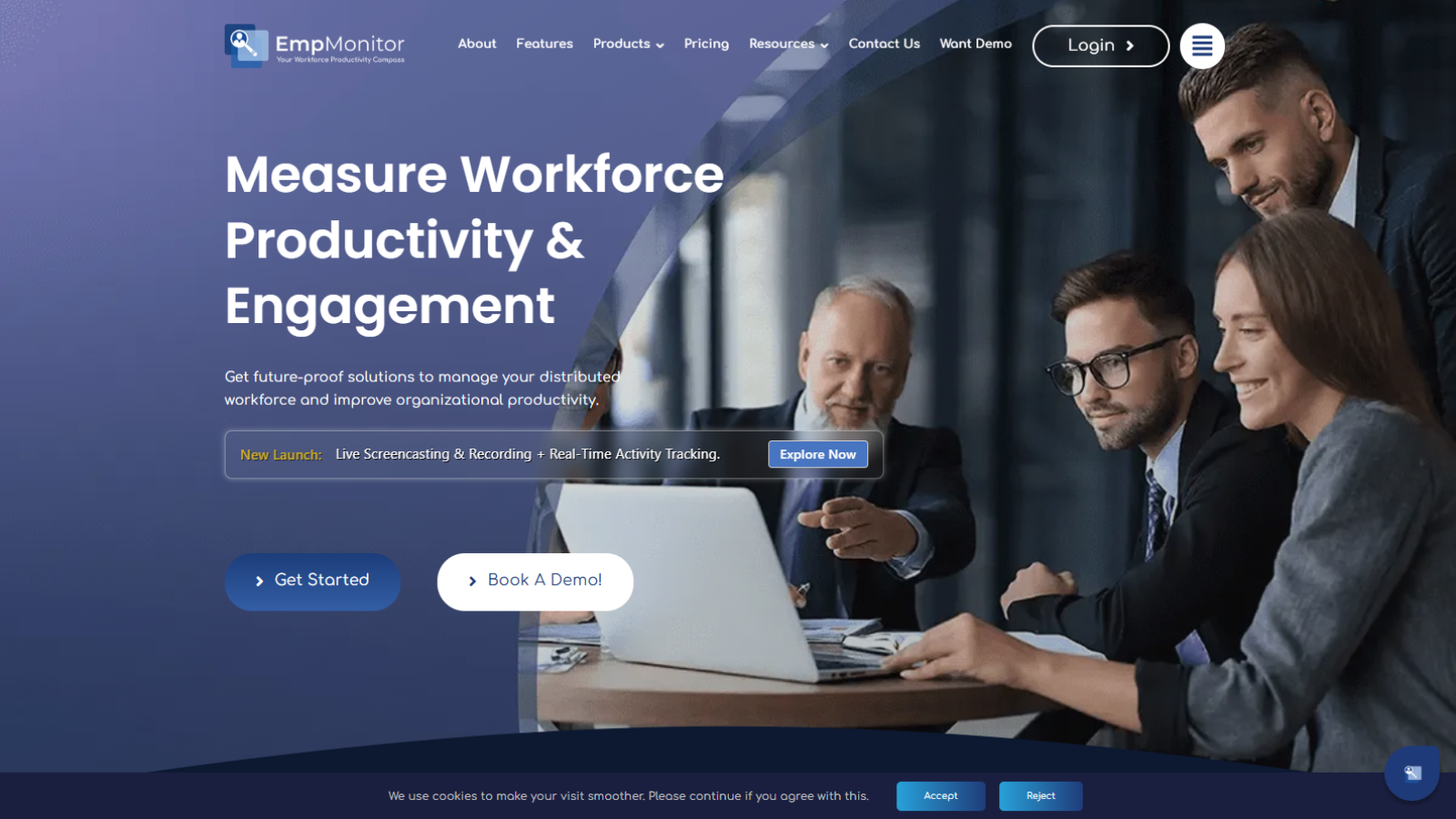
Since effective time tracking is essential for running a productive and secure workplace, EmpMonitor provides a fully integrated approach that fits perfectly into modern workflows. It doesn’t just track hours; it gives businesses deeper clarity into performance, behavior, project efficiency, and security, all within one easy-to-use dashboard.
Here are the most relevant EmpMonitor features that align with improving time tracking and team productivity:
Advanced Time Tracking:
EmpMonitor offers real-time timesheets, detailed work-hour breakdowns, and automated analytics. It highlights productive versus idle time, enabling managers to understand accountability with complete accuracy.
User Activity Monitoring:
Track apps, websites, and activity trends to get a clear picture of how employees use their work hours. This helps reduce distractions without needing to micromanage.
Employee Monitoring Software:
With daily and hourly behavioral insights, EmpMonitor gives a comprehensive look into performance trends, workload distribution, and team productivity.
Attendance & Leave Monitoring:
It automates attendance, shift timings, and leave tracking so everything stays consistent, accurate, and payroll-ready.
Project Management Tools:
Assign tasks, track project updates, and evaluate team efficiency in real time—keeping every milestone on schedule.
Insider Threat Prevention:
EmpMonitor enhances workplace safety by detecting risky activities, unauthorized access attempts, and any actions that may threaten business data.
Real-Time Activity Tracking:
Monitor productivity as it happens with a live dashboard that allows filtering by task, time, user, and applications, making it easier to resolve workflow issues instantly.
With these capabilities, EmpMonitor becomes more than a tool, it becomes a complete productivity and workforce management solution that strengthens every aspect of time tracking.
Tips For Implementing Web Based Time Tracking Successfully
To get the most out of web based time tracking, consider the following tips:
Communicate Purpose Clearly: Explain to employees how time tracking benefits them and the organization. Avoid presenting it as a surveillance tool.
Start Gradually: Begin with a pilot team or project to test workflows and gather feedback.
Encourage Consistency: Employees should log time consistently to ensure accurate data collection.
Utilize Reports: Leverage the insights from reports to improve processes, allocate resources, and manage workloads effectively.
Integrate with Existing Systems: Seamless integration with project management and payroll systems maximizes efficiency.
Following these steps ensures that web based time tracking adds value rather than becoming a burden.
Conclusion
Web based time tracking has changed how businesses operate. From simplifying payroll to boosting productivity and helping teams stay organized, it has become a vital part of modern workflow systems.
By choosing a tool like EmpMonitor, companies get a complete solution , time tracking, monitoring, productivity insights, attendance management, and security features all in one place.
Whether you’re managing a remote team, running a growing business, or just want better workflow visibility, web-based time tracking provides the clarity and efficiency needed to grow confidently.
FAQs
1. Can web based time tracking help me if I’m freelancing?
Absolutely! If you’re a freelancer, it’s super handy because you can track exactly how long you spend on each project. It makes invoicing way easier and ensures you get paid for every minute you work.
2. Will using web based time tracking feel like I’m being watched all the time?
Not really! It’s more about helping you stay organized and on top of your work rather than spying on you. You get to see your own progress, and managers can make smarter decisions without bothering you constantly.
3. Do I need to be tech-savvy to use a web based time tracking tool?
Nope! Most tools are really simple and user-friendly. You just log in, start a timer for your task, and that’s it. Even if you’re not a tech genius, you’ll get the hang of it super quickly.