
Managing a growing list of tasks, whether at work or in your personal life, can quickly feel overwhelming. From deadlines to daily responsibilities, finding a way to organize your time effectively is essential. Learning how to prioritize tasks can boost your productivity, reduce stress, and help you focus on what truly matters.
In this guide, we’ll explore practical strategies, tools, and techniques to help you stay organized and get more done every day.
Hit ‘Play’ Button & Tune Into The Blog!
Why Task Prioritization Matters?
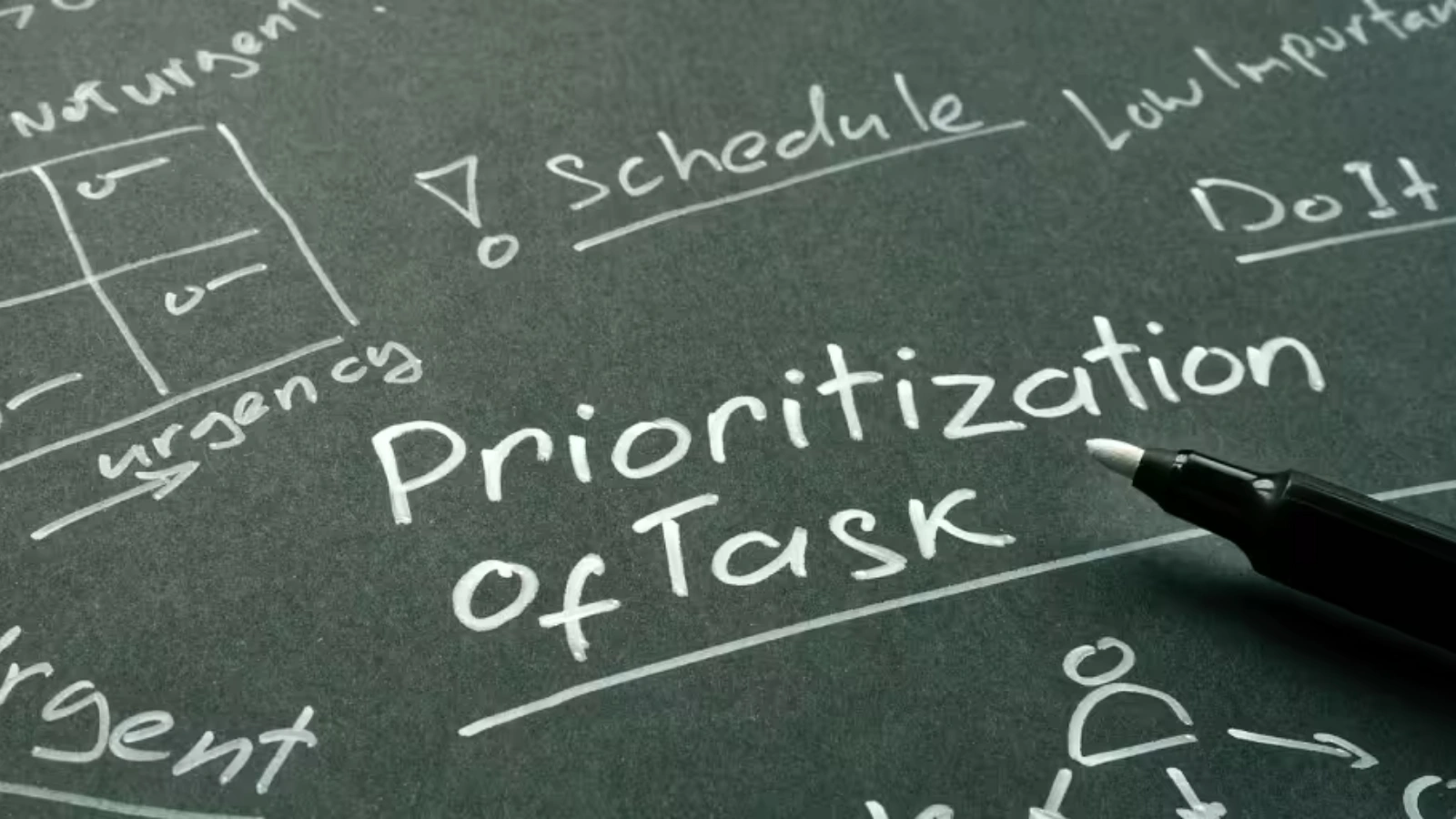

Before diving into methods, it’s essential to understand why knowing how to prioritize tasks is so important. When you don’t prioritize, you may spend time on low-impact activities while high-priority tasks get delayed. This can lead to missed deadlines, increased stress, and reduced overall productivity.
Proper task prioritization ensures that your time and energy are invested in activities that provide the greatest value. It helps you focus on meaningful work rather than constantly being interrupted by urgent but unimportant tasks. Ultimately, mastering how to prioritize tasks is about working smarter, not harder.
Practical Strategies To Prioritize Tasks Effectively
Once you understand why task prioritization matters, the next step is to implement actionable strategies. These methods help you identify high-impact tasks, organize your workload efficiently, and ensure that your time is focused on what truly drives results.
Identify Your Tasks Clearly:
The first step in learning how to prioritize tasks is to identify all the tasks that require your attention. Writing everything down, whether big or small, gives you a complete overview of your commitments and supports better workload prioritization.
Make a comprehensive list including:
- Daily work responsibilities
- Deadlines and appointments
- Personal commitments
- Ongoing projects
Once you have a clear picture, it becomes easier to rank tasks based on importance and urgency. This initial step is fundamental to any effective task management system.
Evaluate Tasks By Urgency And Importance:
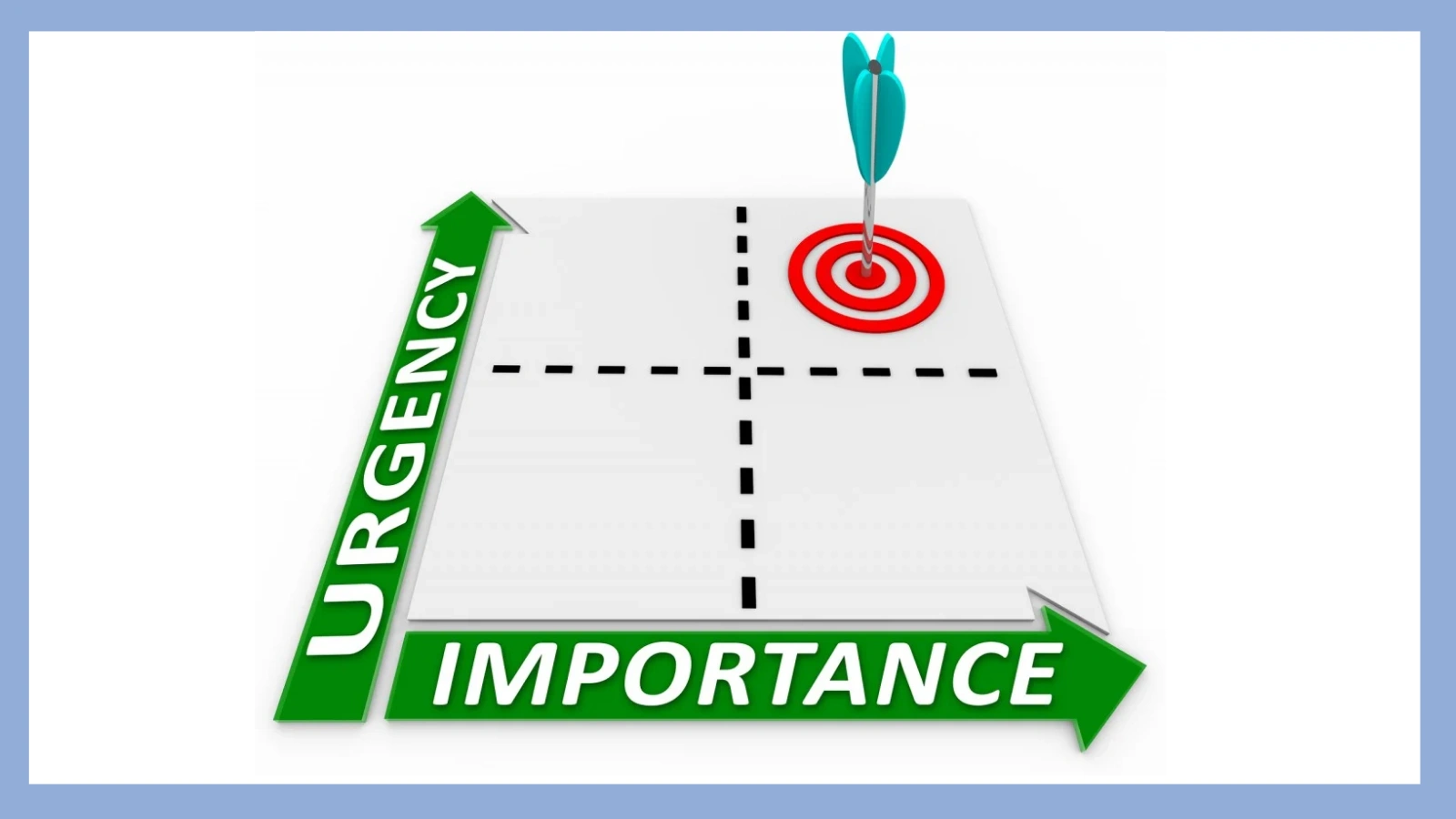
Not all tasks are created equal. Understanding the difference between urgent and important tasks is key to effective task management.
- Urgent tasks demand immediate attention and often have strict deadlines.
- Important tasks contribute to your long-term goals and have a significant impact on your success.
By evaluating tasks on these two dimensions, you can ensure that you focus on what truly matters rather than just what is pressing in the moment.
Use The Eisenhower Matrix:
One popular method for prioritizing tasks effectively is the Eisenhower Matrix. This tool helps you categorize tasks into four quadrants:
- Urgent and important – Do these tasks immediately.
- Important but not urgent – Schedule these tasks strategically.
- Urgent but not important – Delegate these tasks if possible.
- Neither urgent nor important – Consider eliminating these tasks.
The Eisenhower Matrix provides a visual and systematic approach to prioritization, helping you focus your energy on high-value activities.
Also Read:
How Workload Prioritization Can Grow Your Organizational Progress
Consider The Consequences Of Delay:
When deciding which tasks to tackle first, ask yourself what will happen if a task is delayed. Tasks with serious consequences for your work or life should naturally take priority.
For example, submitting a project report late can affect your team’s performance, while responding to non-critical emails can often wait. Evaluating potential consequences helps you make informed decisions about where to invest your time.
Factor In Deadlines:
Deadlines play a crucial role in determining how to prioritize tasks at work. Time-sensitive tasks should be tackled first, while those with flexible timelines can be scheduled later.
Creating a calendar or timeline can help you visualize deadlines and plan your day or week accordingly. This ensures that you avoid last-minute rushes and maintain steady progress across all responsibilities.
Also Read:
Break Large Tasks Into Smaller Steps:

Large tasks can feel overwhelming, making it difficult to decide which to tackle first. Breaking them into smaller, manageable steps makes the process much more approachable.
For example, instead of listing “launch marketing campaign,” break it into subtasks such as:
- Draft content plan
- Design visuals
- Schedule social media posts
- Review and approve content
By dividing complex tasks into smaller pieces, you can prioritize and complete them sequentially, reducing stress and improving productivity.
Focus On High-Impact Activities:
To learn how to prioritize tasks effectively, focus on high-impact activities that contribute the most to your goals. Not every task provides equal value, so it’s important to identify the ones that truly matter.
High-impact tasks often include:
- Projects with significant deadlines
- Tasks that advance career growth
- Activities that generate revenue or major results
Prioritizing these tasks ensures that your effort produces meaningful outcomes rather than busywork.
Use a Task Management Tool:
Digital tools can make learning how to prioritize tasks in the workplace much easier. Platforms like Trello, Asana, or Microsoft To-Do are popular time management tools that allow you to organize, schedule, and track tasks efficiently.
To make how to prioritize tasks even more effective, software like EmpMonitor can help managers and teams gain detailed insights into work patterns, track productivity, and ensure tasks are completed efficiently.
By monitoring activity and providing context-rich reports, EmpMonitor empowers teams to focus on high-priority tasks without missing deadlines.
With EmpMonitor, you can not only organize tasks but also see how time is spent, which tasks are consuming most of your day, and adjust priorities in real-time, making it easier than ever to tackle what matters most.
How Can EmpMonitor Boost Team Productivity And Help Prioritize Tasks?
Managing a busy team or workforce can be challenging when trying to figure out how to prioritize tasks effectively. This is where EmpMonitor, an advanced employee monitoring and management software, can make a significant difference.
EmpMonitor offers a comprehensive suite of features designed to enhance task management, productivity, and engagement:
Time-Tracking :
Allows managers to gain real-time insights into employee work patterns, helping them identify both productive and idle hours.
By understanding how team members spend their time, tasks can be allocated more effectively, and automated timesheets provide a clear view of where efforts are focused, making task management simpler and more efficient.
User Activity Monitoring :
Takes this a step further by tracking daily and hourly activities to show how time is being spent across different tasks.
With context-rich reporting, managers can prioritize critical work first, make informed decisions for task delegation, and balance workloads to ensure every team member is contributing effectively.
Attendance Monitoring :
Streamlines the process of tracking employee attendance, leaves, and work hours. Centralized dashboards provide accurate data for planning and task allocation, ensuring that managers have the right information to make scheduling decisions while maintaining efficiency.
Project Management :
Features help teams assign tasks and monitor progress in real-time. By streamlining workflow, managers can ensure teams focus on high-priority projects, optimize the allocation of resources, and foster collaboration across team members, resulting in smoother project execution and better outcomes.
Workforce Productivity & Engagement :
Tools offer comprehensive insights into team performance and engagement. Managers can ensure employees are aligned with organizational priorities while focusing on high-impact activities, which helps in effectively prioritizing tasks and boosting overall productivity.
Real-Time Activity Tracking & Screen Monitoring :
Enables managers to monitor app usage, website visits, and productivity metrics on a unified dashboard. Live screencasting and screen recording allow instant support and quality checks, ensuring critical tasks are on track and priorities remain clear.
Why EmpMonitor Helps with Task Prioritization?
With EmpMonitor, managers can make informed decisions on how to prioritize tasks based on accurate data about team performance and activity. This ensures that urgent and important tasks are completed first, deadlines are met, and overall productivity improves across the board.
Beyond tracking performance, EmpMonitor also provides practical insights similar to actionable time management tips, helping teams understand where their time goes and how they can optimize daily workflows for better efficiency.
Start a 15-day free trial of EmpMonitor today and discover how it can streamline task prioritization, enhance productivity, and empower your team to achieve more.
Prioritize Tasks Based On Energy Levels:
Understanding your energy levels throughout the day can improve how to prioritize tasks. Schedule demanding tasks when your energy and focus are at their peak, and leave less intensive tasks for low-energy periods.
For example:
- Morning: High-focus work like analysis, writing, or strategic planning
- Afternoon: Routine tasks like emails or follow-ups
- Evening: Reflection, planning, or light administrative work
Aligning tasks with energy levels ensures you accomplish more efficiently.
Review And Adjust Daily:
Priorities can shift quickly. To continue learning how to prioritize tasks, review your task list daily and adjust as necessary.
Ask yourself:
- What tasks must be completed today?
- Have any deadlines or urgencies changed?
- Are there tasks that can be delegated or deferred?
A daily review keeps your priorities relevant and ensures that you’re always working on the most impactful tasks.
Delegate When Possible:
Effective delegation is a crucial component of learning how to prioritize tasks. Not every task requires your direct attention. Identify tasks that can be handled by others and delegate appropriately.
Delegation allows you to:
- Focus on high-priority responsibilities
- Empower team members
- Reduce stress and workload
By letting go of low-priority tasks, you create more space to concentrate on what truly matters.
Avoid Procrastination:
Procrastination is a major barrier to learning how to prioritize tasks effectively. Delaying important tasks often leads to a pile-up of urgent issues.
Combat procrastination by:
- Breaking tasks into smaller steps
- Using time-blocking methods
- Setting deadlines and sticking to them
Rewarding yourself for completed tasks
Overcoming procrastination ensures that your prioritization efforts translate into tangible results.
Also Read:
7 Best Time Management Tips For Workforce That You Must Implement
Balance Work and Personal Tasks:

Learning how to prioritize tasks isn’t limited to the workplace. Balancing personal and professional responsibilities is equally important.
Include personal tasks such as:
- Exercise and health routines
- Family commitments
- Personal development activities
Balancing work and personal priorities helps maintain well-being, motivation, and long-term productivity.
Use Time-Blocking Techniques:
Time-blocking is a powerful method for prioritizing tasks effectively. Allocate specific time slots in your calendar for high-priority activities.
Benefits of time-blocking include:
- Reduced distractions
- Improved focus and efficiency
- Clear structure for the day
- Better tracking of progress
By assigning dedicated time for essential tasks, you ensure that priorities receive the attention they deserve.
Apply The 80/20 Rule:
The Pareto Principle, or 80/20 Rule, is useful for how to prioritize tasks. It suggests that 20% of your tasks produce 80% of the results. Identify these high-impact tasks and focus your energy there.
This approach helps prevent wasted effort on low-value activities and ensures that your work produces meaningful outcomes.
Learn To Say No:
Saying no is a vital skill in how to prioritize tasks at work. Accepting every request can overwhelm your schedule and compromise your focus on priority tasks.
Politely decline tasks that do not align with your goals or responsibilities. Setting boundaries ensures that your time is spent on activities that truly matter.
Combine Urgency And Impact:
When learning how to prioritize tasks in the workplace, it’s helpful to evaluate both urgency and impact. Some tasks may be urgent but low impact, while others are impactful but not urgent.
Prioritize tasks that have both high urgency and high impact first. This ensures you tackle critical tasks that directly contribute to your success.
Continuous Improvement:
Mastering how to prioritize tasks is an ongoing process. Continuously evaluate your methods, tools, and outcomes to identify areas for improvement.
Reflect on questions such as:
- Which tasks consistently get delayed?
- Are there patterns in task completion efficiency?
- Can delegation or automation improve results?
Continuous improvement ensures that your prioritization strategy evolves as your responsibilities and goals change.
Conclusion
Knowing how to prioritize tasks is essential for anyone seeking productivity, efficiency, and work-life balance. By identifying tasks, evaluating urgency and importance, using tools like the Eisenhower Matrix, and focusing on high-impact activities, you can take control of your schedule and achieve your goals.
Remember, prioritization is not a one-time activity but a daily practice. Combine strategies like time-blocking, energy-based scheduling, and the Two-Minute Rule to stay ahead of deadlines, reduce stress, and improve overall effectiveness.
Implementing these techniques will empower you to make deliberate choices about where to invest your time and energy, ultimately helping you accomplish more with less effort.
By consistently practicing these strategies and using productivity tools like EmpMonitor, you will not only enhance your personal productivity but also streamline team performance and create a clear path toward organizational and personal success.
FAQs
1. What is the best method to prioritize tasks quickly?
The best method depends on your workflow, but tools like the Eisenhower Matrix, time-blocking, or task lists help quickly rank tasks by urgency and importance.
2. How can I handle interruptions while prioritizing tasks?
Use techniques like batching similar tasks, setting focus periods, and keeping a buffer for urgent interruptions to maintain priority alignment.
3. Can prioritizing tasks reduce work-related stress?
Yes, prioritizing tasks helps focus on what truly matters, prevents last-minute rushes, and creates a sense of control, reducing stress.