

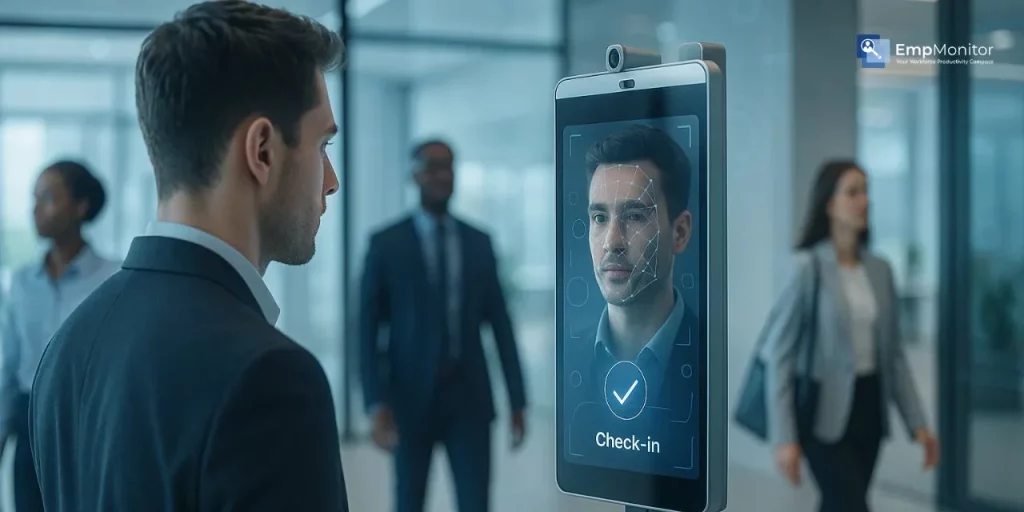
The coordination of employee attendance has never been so critical. Older systems, such as manual registers, punch cards, and even the rudimentary forms of biometric systems, are fast being phased out. The next technology that is changing the face of attendance tracking in organizations is the face recognition attendance system.
But with all these choices filling the market, business owners and HR managers are always wondering: what makes these systems accurate and reliable? The solution is not as straightforward as having a camera with a face recognition feature. The face recognition attendance system is truly reliable and consists of a combination of the latest artificial intelligence, powerful hardware, advanced algorithms, and smooth software integration.
These are the basic elements that would assist you in making a sound choice of the desired solution for your organization. This is a detailed tutorial that divides the technical and practical aspects that define the accuracy and reliability of the current facial recognition systems to manage attendance.
Listen To The Podacst Now!
The Foundation: Understanding Face Recognition Technology:

Before diving into what makes a face recognition attendance system accurate, it’s essential to understand how this technology actually works, especially when organizations plan to Implement A Facial Recognition Attendance System In Your Office for daily workforce management.
Facial recognition uses biometric data, unique facial features that are as distinctive as fingerprints.
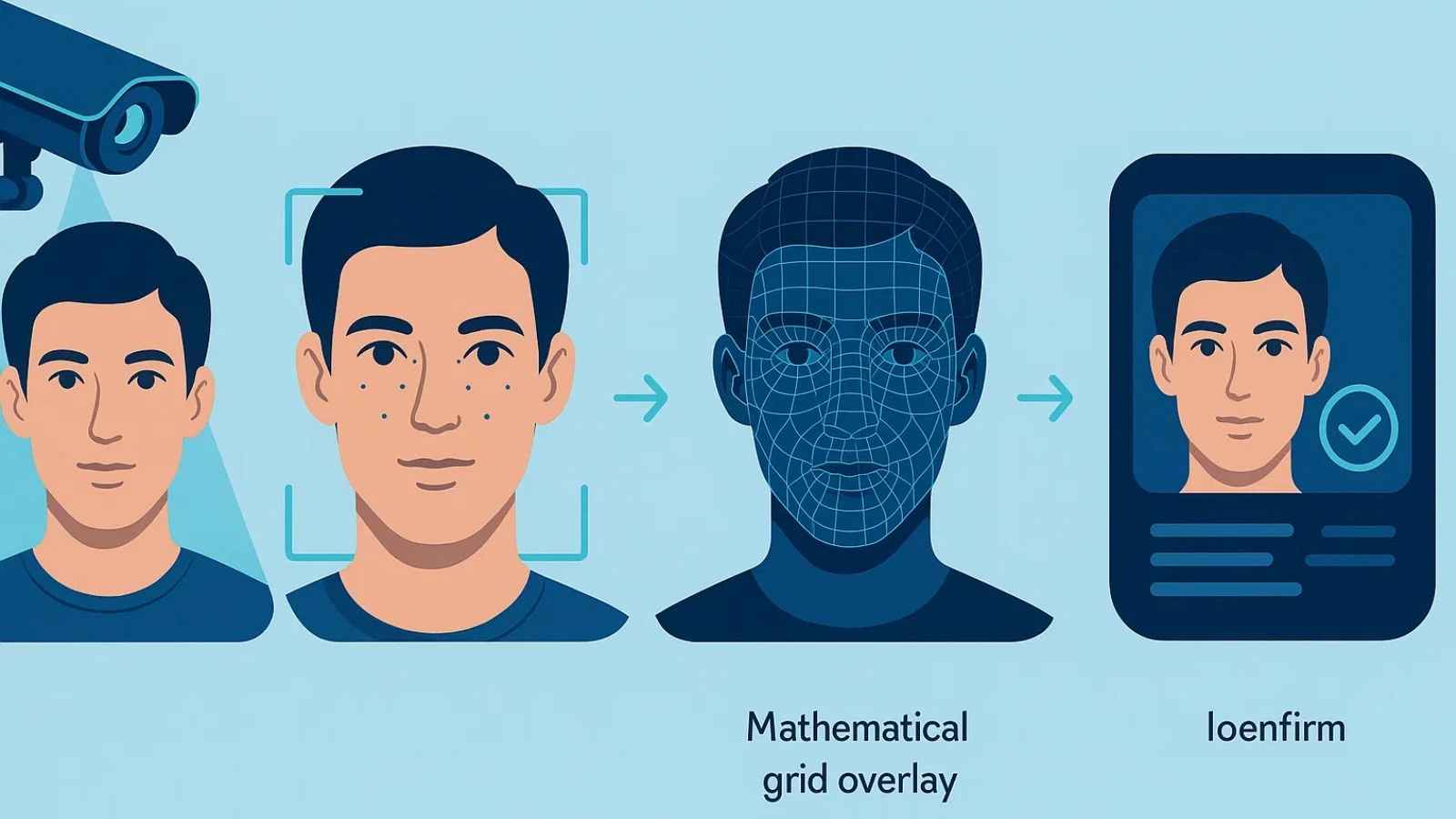
The process typically involves four key stages:
1. Detection: The system first locates a face within the camera’s field of view, distinguishing it from the background and other objects.
2. Alignment: Once detected, the software maps facial landmarks such as the distance between the eyes, nose shape, jawline, and cheekbones. Modern systems can identify up to 128 unique facial landmarks.
3. Feature Extraction: The system converts these physical measurements into a mathematical representation called a face template or face print. This numerical data is what gets securely stored in the database.
4. Matching: When someone stands before the camera, the system compares the newly captured face print against stored templates to find a match and verify identity.
The sophistication of each stage directly impacts overall system performance. A face recognition attendance system that excels across all four stages delivers the accuracy, speed, and reliability that modern businesses depend on.
Key Factors That Determine Accuracy:
1. Advanced AI Algorithms and Deep Learning:
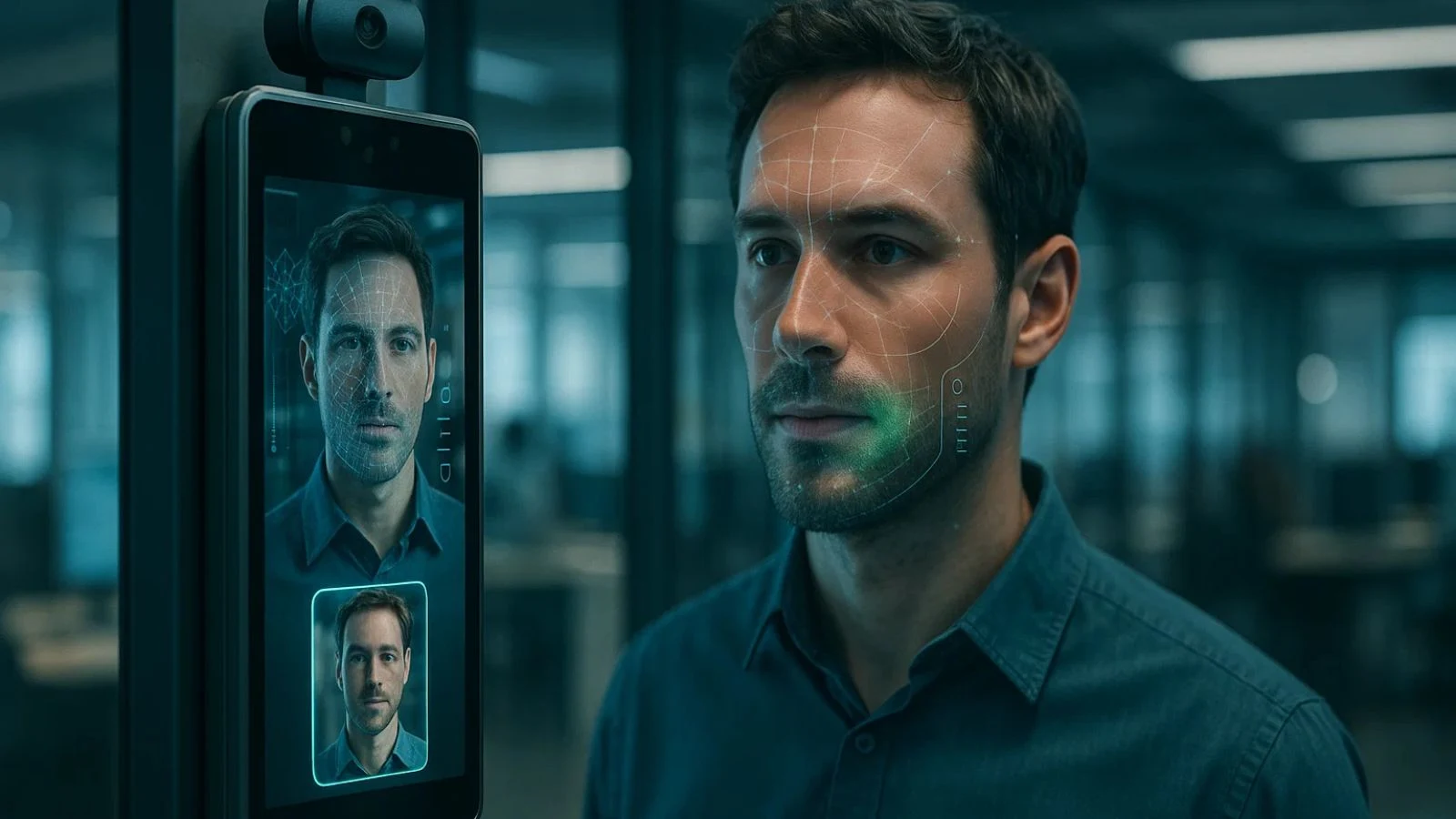
The brain of any facial recognition system is its algorithm. Modern systems use deep learning networks, the same technology behind AI applications. These algorithms have been trained on millions of facial images, enabling them to recognize faces across different angles, expressions, and conditions.
What sets top-tier systems apart is their continuous learning capability. As the system processes more faces over time, it becomes better at handling variations in appearance, lighting conditions, and even subtle changes like new glasses or facial hair. This adaptive learning is what transforms a good face recognition attendance system into an exceptional one.
The accuracy rate of professional-grade systems now exceeds 99.7%. For example, Canon’s access control systems for businesses in Singapore can achieve over 99% accuracy, meaning false matches are extremely rare. This precision eliminates the attendance fraud that affects traditional methods, such as buddy punching, where one employee clocks in for another.
2. Liveness Detection Technology:
Here’s where reliability truly matters. Anyone can hold up a photograph or play a video of an employee to trick a basic camera. That’s why advanced systems incorporate liveness detection, technology that verifies you’re looking at a real, living person rather than a spoof attempt.
Modern liveness detection uses multiple techniques:
- 3D Depth Sensing: Creates a three-dimensional map of the face, which photographs and screens cannot replicate.
- Texture Analysis: Examines skin texture and micro-movements that only real skin exhibits.
- Challenge-Response: Asks users to perform simple actions like blinking or turning their head slightly.
A face recognition attendance system without robust anti-spoofing measures might offer high accuracy under normal conditions but fails the reliability test when security matters most.
3. Camera Quality and Specifications:
You could have the world’s best algorithm, but if the camera hardware is subpar, accuracy suffers. Several camera specifications directly impact recognition performance:
- Resolution: Minimum 2MP cameras are standard, but 4MP or higher provides significantly better facial detail capture, especially from a distance.
- Frame Rate: Higher frame rates (30fps or more) ensure the system captures clear images even when employees are moving.
- Wide Dynamic Range (WDR): This feature handles challenging lighting scenarios, such as someone standing with a bright window behind them or in dimly lit areas.
- Infrared Capability: For 24/7 operations, infrared sensors enable accurate recognition even in complete darkness.
The positioning of cameras also matters tremendously. Professional installations place cameras at face height, 3-5 feet away from where employees stand, and angle them to avoid glare from overhead lighting.
Factors That Ensure Long-Term Reliability:
1. Database Management and Storage:
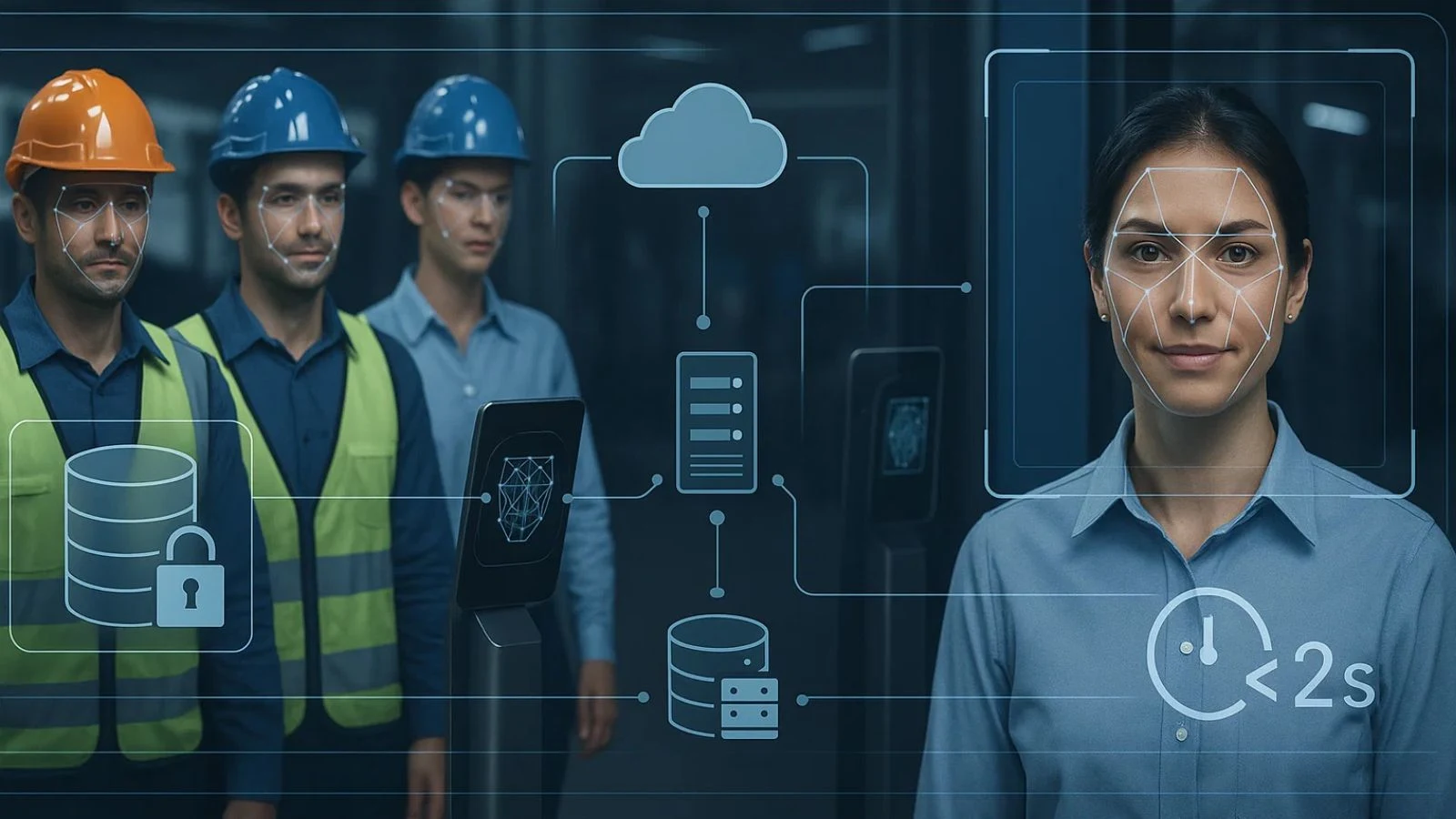
Accuracy at the moment of recognition is only part of the equation. How the system manages and stores facial data determines its long-term reliability. Every face recognition attendance system must maintain data integrity across thousands of employee records while ensuring quick retrieval times. Top systems use encrypted databases that protect employee biometric information from unauthorized access.
They also implement regular backup protocols so that no attendance data is lost due to technical failures. Template compression technology allows systems to store high-quality face prints without consuming excessive storage space. This becomes crucial as your workforce grows and the database expands to accommodate new employees.
2. Network Stability and Connectivity:
Many modern systems operate on cloud-based architectures or connect to central servers. While this enables real-time attendance tracking across multiple locations, it also introduces a potential point of failure: network connectivity. Reliable systems incorporate offline functionality; they continue capturing attendance even when internet connectivity drops, automatically syncing data once the connection is restored. This ensures zero attendance data loss regardless of network issues.
For organizations with multiple branches, a robust network architecture with redundancy measures guarantees that attendance data flows seamlessly from remote locations to headquarters without interruption. A well-designed face recognition attendance system accounts for these connectivity challenges from the start.
3. Processing Speed and Response Time:
An often-overlooked aspect of reliability is how quickly the system processes recognition. Employees shouldn’t wait 10-15 seconds to clock in; that creates bottlenecks during shift changes when dozens of workers arrive simultaneously. Professional-grade systems complete the entire recognition process in under 2 seconds, even with databases containing thousands of employee profiles.
This speed comes from optimized algorithms and sufficient processing power in the hardware. Your face recognition attendance system should handle peak loads without performance degradation. Imagine 50 factory workers trying to clock in within a 5-minute window; your system must maintain accuracy and speed under this pressure.
Real-World Performance Metrics That Matter:
1. Recognition Accuracy Rates:
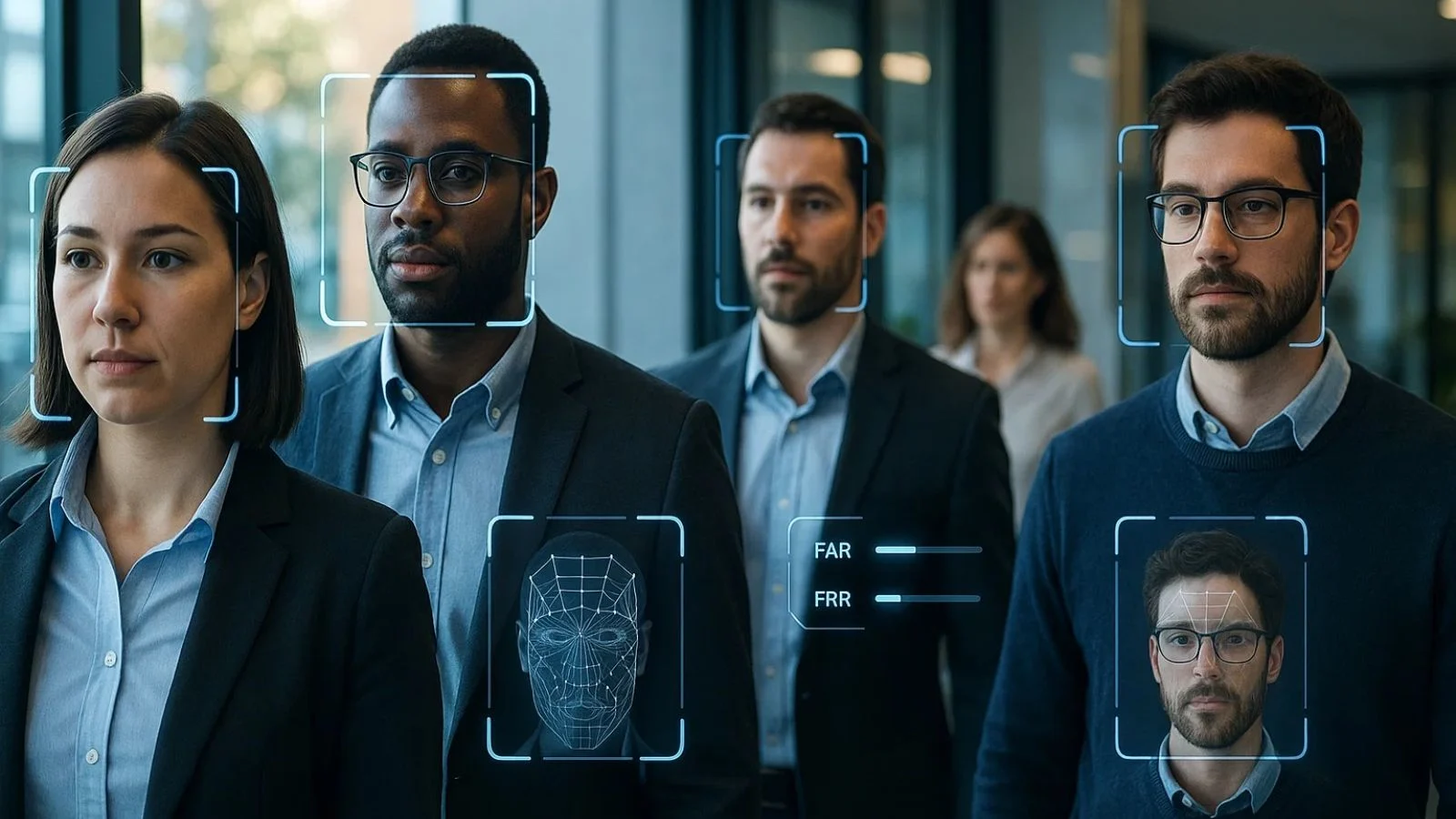
When vendors claim “99% accuracy,” what does that actually mean? Understanding the metrics helps you evaluate systems properly.
- False Acceptance Rate (FAR): The probability that the system incorrectly matches a face to the wrong person. Top systems maintain FAR below 0.1%, meaning only 1 in 1,000 attempts might result in wrong identification.
- False Rejection Rate (FRR): The probability that the system fails to recognize an authorized person. While security prioritizes low FAR, convenience requires low FRR. A balanced system keeps FRR under 1%.
The best face recognition attendance system solutions optimize both metrics, ensuring security without frustrating legitimate users with frequent rejections.
2. Environmental Adaptability:
Accuracy in controlled laboratory conditions means little if the system fails in your actual workplace. Real-world reliability depends on handling diverse environmental challenges:
- Lighting Variations: From bright morning sunlight streaming through windows to dim evening lighting, the system must adjust automatically.
- Temperature Extremes: For outdoor installations or warehouses without climate control, hardware must function reliably in both heat and cold.
- Crowd Management: In busy entrances, the system should distinguish and process multiple faces without confusion or slowdown.
Testing systems under conditions that match your actual workplace environment reveals their true reliability far better than manufacturer specifications alone. When evaluating any face recognition attendance system, insist on demonstrations in your actual work environment rather than controlled settings.
3. Handling Appearance Changes:
Employees don’t look identical every day. Reliable systems must recognize people despite:
- New hairstyles or hair color changes
- Facial hair growth or removal
- Wearing glasses or switching to contact lenses
- Makeup application
- Minor weight fluctuations
- Natural aging
Advanced face recognition attendance system solutions employ algorithms specifically trained to focus on unchanging facial structure rather than superficial features. This ensures consistent recognition over years of employment without requiring database updates every time someone gets a haircut.
Software Features That Enhance Reliability:
1. Integration Capabilities:
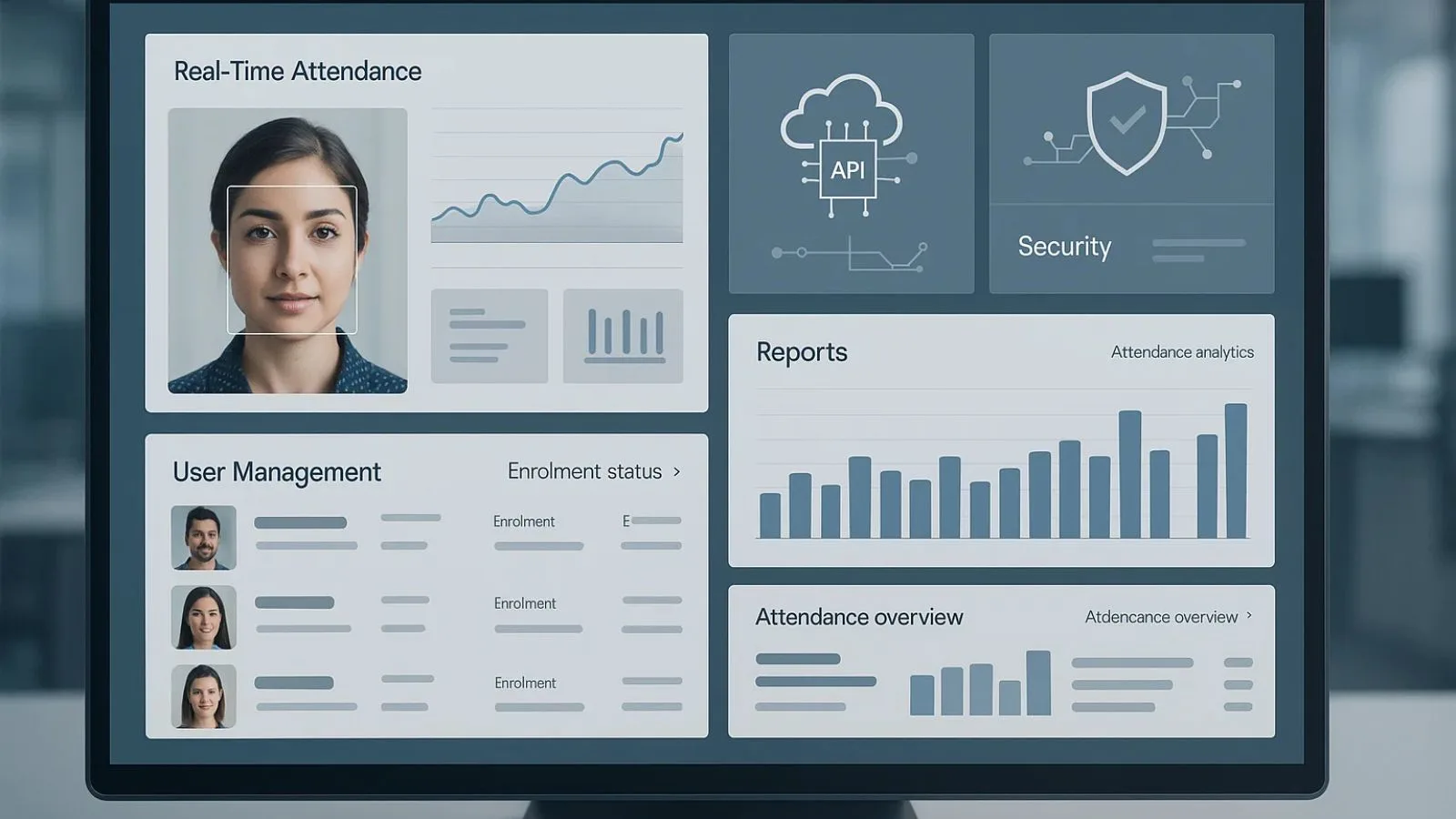
A standalone attendance system provides limited value. The real benefits emerge when facial recognition time and attendance data integrates seamlessly with your existing HR software, payroll systems, and workforce management tools. Quality systems offer APIs and pre-built integrations with popular platforms. This allows attendance data to flow automatically into payroll calculations, eliminating manual data entry and the errors that come with it.
Integration also enables advanced features like automatic overtime calculations, shift scheduling based on actual attendance patterns, and compliance reporting for labor law requirements. The most versatile face recognition attendance system platforms support integration with dozens of third-party applications.
2. User Management and Administration:
Behind every accurate system is intuitive administrative software. HR teams need easy interfaces to:
- Enroll new employees quickly by capturing multiple facial angles
- Update employee information without disrupting attendance tracking
- Generate attendance reports filtered by department, location, or time period
- Set up alerts for anomalies like unusual attendance patterns or unauthorized access attempts
The administrative dashboard should provide real-time visibility into system status, allowing IT teams to monitor performance metrics and address issues proactively.
3. Regular Software Updates and Support:
Technology evolves rapidly, and so do attempts to circumvent security systems. Reliable vendors release regular software updates that enhance recognition algorithms, patch security vulnerabilities, and add new features. Equally important is responsive technical support. When attendance systems malfunction, every minute of downtime affects payroll accuracy and employee satisfaction. Vendors offering 24/7 support with rapid response times add a crucial reliability layer that pure technology cannot provide.
Also Read:
How Does Face Identification Work in Attendance System?
11 Reasons To Implement A Facial Recognition Attendance System In Your Office
How EmpMonitor Enhances Face Recognition Attendance Management:

Implementing a face recognition attendance system ensures accurate employee identification at entry points. However, attendance alone does not give a complete picture of workforce performance. EmpMonitor bridges this gap by extending attendance data into detailed work activity insights, helping organizations manage both presence and productivity from a single platform.
EmpMonitor integrates seamlessly with face recognition attendance systems by syncing clock-in and clock-out data into its centralized dashboard. Once an employee’s attendance is marked through facial recognition, EmpMonitor begins monitoring work activity throughout the logged hours, ensuring that attendance translates into actual productive time.
Key EmpMonitor Features That Add Value:
1. Activity & Idle Time Tracking:
EmpMonitor tracks active working time versus idle time in real-time. Managers can clearly see whether logged attendance hours are being utilized effectively or lost to inactivity. This helps eliminate assumptions and provides objective productivity insights.
2. Screenshot Monitoring:
The platform captures periodic screenshots during working hours, giving managers visibility into on-screen activities. This feature helps identify workflow bottlenecks, distractions, or misuse of work hours while maintaining transparency.
3. Application & Website Usage Tracking:
EmpMonitor records which applications and websites employees use during work hours. This data helps organizations understand work patterns, optimize tool usage, and reduce time spent on non-work-related platforms.
4. Detailed Productivity Reports:
Attendance data combined with activity logs generates structured reports showing daily, weekly, and monthly performance trends. Managers can analyze department-wise productivity, identify high performers, and spot areas requiring training or intervention.
5. Remote & Hybrid Workforce Monitoring:
For teams working outside the office, EmpMonitor ensures accountability through GPS tracking (for field staff), activity monitoring, and work hour validation. This makes it suitable for hybrid and remote work environments where traditional attendance systems fall short.
Together, they create a complete workforce visibility solution, accurate attendance at the entry point, and transparent productivity tracking throughout the workday. This integrated approach helps organizations move beyond basic time tracking toward data-driven workforce management.
Making the Right Choice for Your Organization:
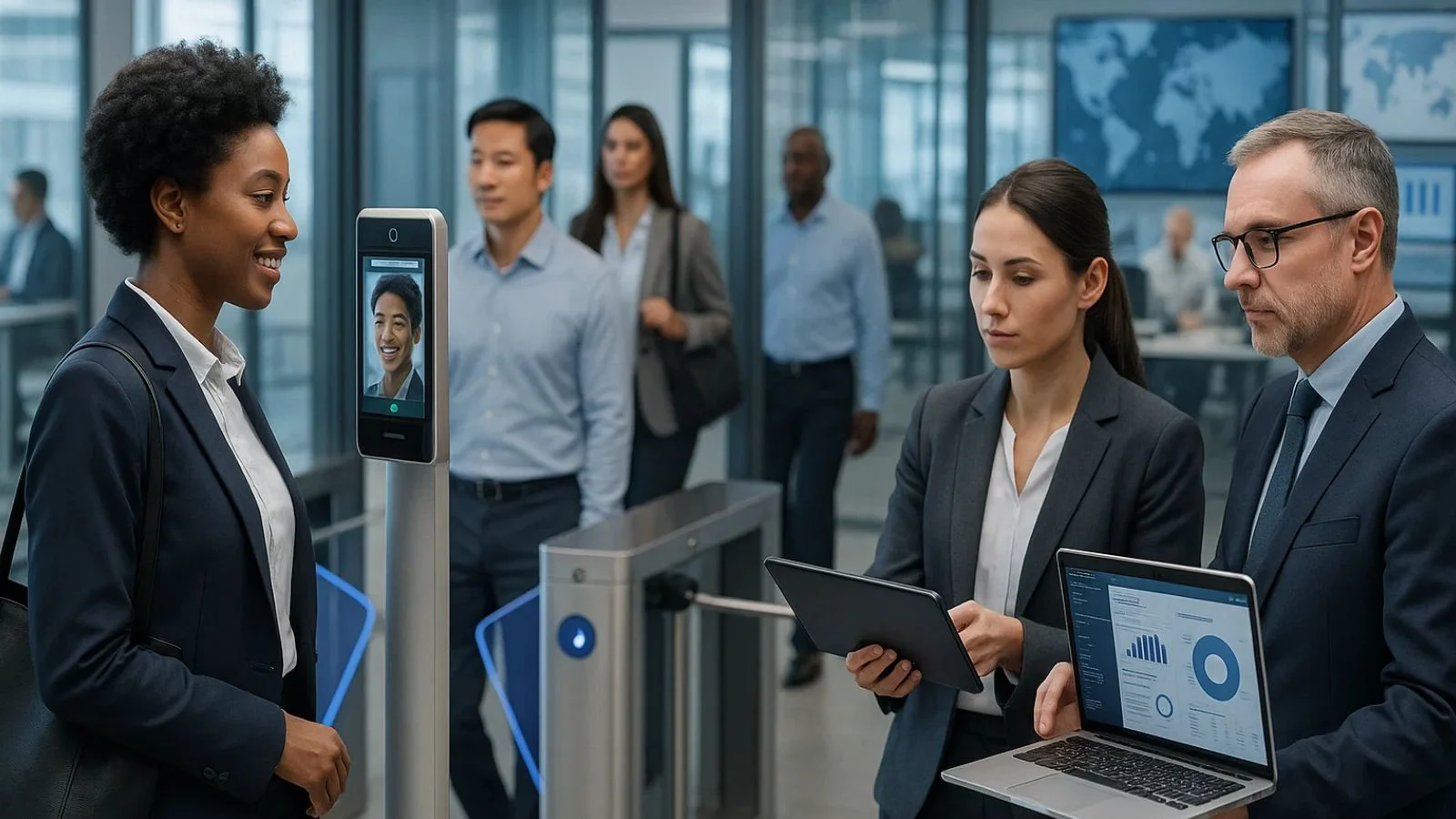
Selecting a face recognition attendance system isn’t about choosing the most expensive option or the one with the most features. It’s about finding the solution that delivers consistent accuracy and reliability for your specific environment and needs. Start by evaluating your workplace conditions. Do you need outdoor-capable hardware? Will the system handle hundreds of employees during shift changes? Do you require integration with specific payroll or HR software?
Request demonstrations under conditions that match your actual workplace, not just controlled vendor environments. Test the system with diverse employees, various lighting conditions, and realistic usage scenarios. Consider the total cost of ownership beyond the initial purchase price. Factor in installation, training, maintenance, software licenses, and potential integration costs. A slightly more expensive face recognition attendance system that requires minimal ongoing support often proves more economical than a cheaper option with hidden costs.
Review the vendor’s track record for reliability and support. How long have they been in business? What do existing customers say about accuracy and uptime? Is technical support responsive and knowledgeable? Finally, ensure the solution is scalable. Your business will grow, add locations, and evolve. The face recognition attendance system you implement today should accommodate these changes without requiring complete replacement.
Conclusion:
The accuracy and reliability of a face recognition attendance system depend on numerous interconnected factors, from advanced AI algorithms and quality hardware to robust software integration and vendor support. The most dependable systems combine cutting-edge technology with practical features that address real-world workplace challenges.
By understanding what truly matters, liveness detection, environmental adaptability, processing speed, and seamless integration, you can select a solution that delivers accurate attendance data while providing the reliability your business operations demand. The right face recognition attendance system becomes an invisible part of daily operations, working flawlessly in the background while eliminating attendance fraud and administrative burden.
FAQ’s:
Q1: How accurate are modern face recognition attendance systems?
Ans: Professional-grade systems achieve 99.7%+ accuracy with false acceptance rates below 0.1%, making them more reliable than traditional methods like punch cards or even fingerprint scanners.
Q2: Can facial recognition work in poor lighting conditions?
Ans: Yes, advanced systems with WDR technology and infrared capability function accurately in various lighting conditions, including complete darkness, though optimal lighting always improves performance.
Q3: Will the system recognize employees if they change their appearance?
Ans: Quality systems focus on unchanging facial structure rather than superficial features, successfully recognizing employees despite hairstyle changes, glasses, facial hair, or makeup. Dramatic weight changes may require database updates.
Q4: How quickly does recognition occur?
Ans: Top-tier systems complete identification in under 2 seconds, ensuring smooth traffic flow during shift changes without creating bottlenecks at entry points.