
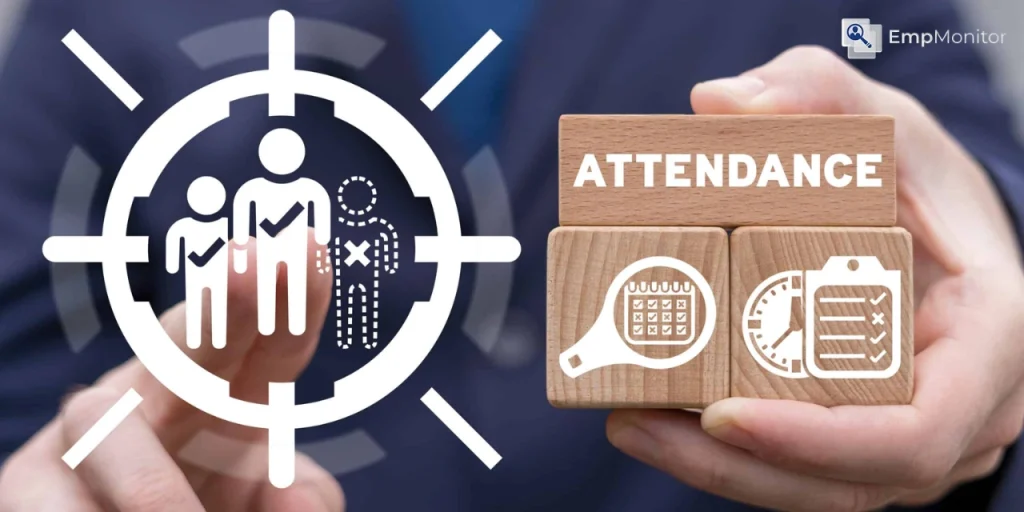
Managing staff attendance is one of the most fundamental responsibilities of any HR or operations team. Yet it remains one of the most overlooked areas when businesses start growing. Poor tracking leads to payroll errors, productivity dips, and ultimately, a disengaged workforce.
This guide covers everything you need to know, from understanding why it matters, to exploring modern tools that make management easier and smarter.
Hit ‘Play’ Button & Tune Into The Blog!
Why Staff Attendance Is Critical For Business Success?
Every business depends on its people. When employees show up consistently and on time, work flows smoothly. When they don’t, projects stall, customers get frustrated, and managers scramble.
Consistent staff attendance directly affects team morale. High absenteeism often signals a deeper problem, burnout, low engagement, or dissatisfaction with the workplace culture. Ignoring attendance patterns means ignoring warning signs that could eventually cost you your best people.
Beyond culture, there’s a financial reality. Unplanned absences cost businesses significantly more than planned leave because they disrupt operations without warning and often require overtime or temporary staffing.
What Are The Common Challenges In Tracking Staff Attendance?
Many businesses still rely on outdated methods to monitor staff attendance. Paper registers, manual sign-in sheets, and basic spreadsheets are still common, even though they create more problems than they solve.
Here are some of the most common challenges:
- Inaccurate records: Manual entries are prone to human error. A misspelled date, a missed entry, or a fraudulent buddy-punch can distort the entire attendance record.
- Time theft: Employees clocking in early or leaving late, or worse, having a colleague clock in for them, is a major problem that quietly drains resources.
- No real-time visibility: When managers can’t see who is present or absent in real time, decision-making suffers. Assigning tasks or adjusting workloads becomes reactive instead of proactive.
- Compliance risks: Labour laws in many regions require accurate records of working hours and leave. Poor staff attendance documentation can expose businesses to legal and compliance risks.
What Is A Staff Attendance System?


A staff attendance system is a structured process, supported by software or hardware, that records when employees start and end work, tracks leaves, and generates reports for HR and management review.
Modern attendance systems are far more sophisticated than traditional punch cards. They integrate with payroll, leave management, and workforce planning tools to give businesses a unified view of their workforce.
The shift from manual to digital attendance management has been one of the biggest operational upgrades for modern businesses, regardless of size.
What Are The Different Types Of Staff Attendance Tracking Methods?
Different businesses have different needs. The right approach depends on your team size, work model, and operational complexity.
Biometric Attendance:
Uses fingerprints or facial recognition to record attendance. Eliminates buddy-punching and provides high accuracy.
Card-Based Systems:
Employees swipe an ID card at entry and exit points. Simple and cost-effective but less secure than biometrics.
Mobile App Check-In:
Ideal for remote or field-based teams. Employees mark their attendance using a smartphone app, often with GPS verification.
Web-Based Platforms:
A browser-based attendance tool allows managers to view real-time reports and approve or reject leave from anywhere.
Integrated Workforce Platforms:
These combine attendance with time tracking, project management, and productivity monitoring into one unified solution.
Also Read:
Attendance At Work: How To Improve My Attendance At Work Significantly In 2025?
How To Track Staff Attendance Online?
Tracking staff attendance online has become increasingly practical and affordable. Cloud-based platforms allow HR teams to manage attendance across multiple offices, shifts, or remote locations from a single dashboard.
Here is how online tracking typically works:
Employees log in through a web portal or mobile app at the start of their shift. Their check-in time is automatically recorded with a timestamp. Throughout the day, the platform may track active and idle hours. At the end of the shift, check-out is recorded. Managers can access real-time dashboards showing who is present, who is absent, and who is on approved leave.
Automated reports can be generated daily, weekly, or monthly, saving HR teams hours of manual data entry every pay cycle.
Online tracking also makes it easier to identify patterns. If a particular employee is frequently absent on Mondays or Fridays, the system flags it for review. This allows managers to have data-backed conversations rather than relying on memory or gut feeling.
How To Improve Staff Attendance With Practical Strategies?

Tracking is only half the battle. The real goal is to improve attendance over time. Here are proven strategies that actually work.
Build a Clear Attendance Policy:
Employees need to know what is expected of them. A well-documented policy should define working hours, acceptable reasons for absence, the process for reporting absence, and consequences for unexcused absences.
When the rules are clear and consistently enforced, attendance tends to improve naturally.
Address the Root Causes of Absenteeism:
High absenteeism is rarely random. It usually stems from burnout, poor management, health issues, or a toxic work culture. Start by surveying employees to understand what is driving absences.
Addressing root causes, like adjusting workloads, improving manager communication, or offering flexible schedules, has a far greater long-term impact than punitive measures.
Recognize and Reward Good Attendance:
Positive reinforcement works. Acknowledging employees who maintain excellent attendance records, even with a simple shout-out in a team meeting or a small incentive, encourages others to follow suit.
Offer Flexible Working Arrangements:
Rigid schedules often contribute to avoidable absences. Employees who can work flexibly are more likely to show up because the arrangement works for their lifestyle.
Remote work options, flexible start times, and compressed work weeks are all worth considering, depending on your business model.
Use Data to Spot Trends Early:
Don’t wait for absenteeism to become a crisis. Use your staff attendance data proactively. Look for patterns, departments with higher absence rates, seasonal spikes, or individuals who show a consistent pattern before quitting.
Early intervention through data-driven insights can prevent small problems from becoming expensive ones.
One tool that genuinely stands out in this space is EmpMonitor, a comprehensive workforce management platform designed for businesses that want more than just a basic attendance log.
EmpMonitor brings together attendance tracking, time monitoring, productivity analysis, and workforce insights into a single, easy-to-use platform. Whether your team works from a central office, remotely, or in a hybrid setup, EmpMonitor gives you real-time visibility into staff attendance and much more.
Its attendance monitoring module allows businesses to track employee login and logout times accurately, manage leaves digitally, and generate reliable timesheets, all without the errors and inefficiencies of manual processes. The platform also supports advanced face recognition attendance tracking, helping organizations improve accuracy, reduce buddy punching, and streamline workforce management across office, remote, and hybrid teams.
Why Is EmpMonitor Ideal For Staff Attendance Management?
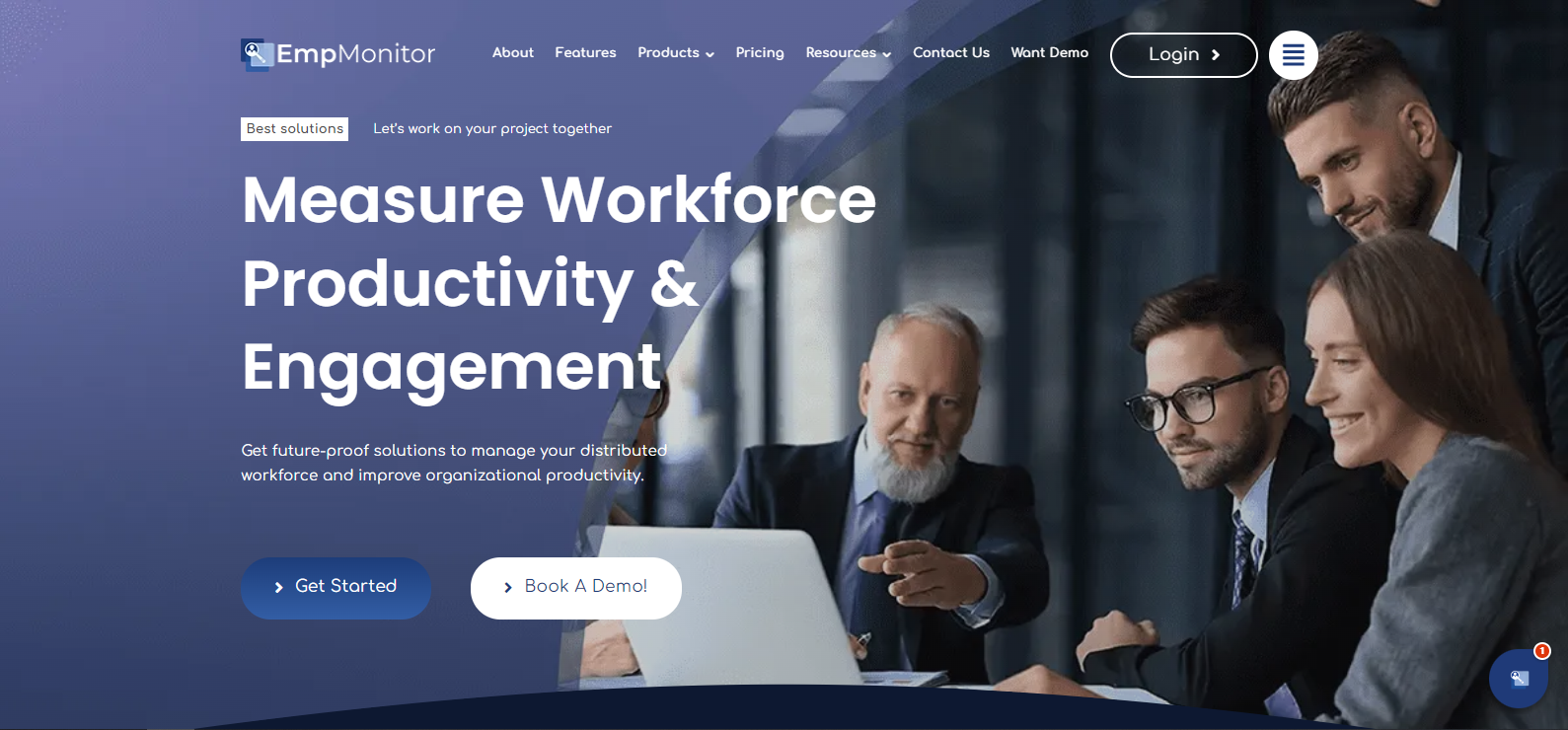

EmpMonitor is more than just a staff attendance tracker. It is a full-scale workforce intelligence platform. Here is a detailed look at the features that make it worth exploring, especially for teams serious about boosting productivity and reducing absenteeism.
Attendance Monitoring:
EmpMonitor’s attendance monitoring feature allows HR teams to record employee check-in and check-out times accurately. It supports paperless leave management and gives managers a centralized dashboard view of the entire team’s attendance status in real time. Data accuracy is built in, reducing compliance risks significantly.
Time Tracking:
This feature provides meticulous time monitoring across all employees. Managers can see detailed breakdowns of productive hours versus idle time, helping them understand where time is actually going. Automated timesheets are generated based on real activity, not manual input, which means payroll becomes far more accurate.
Real-Time Activity Tracking:
EmpMonitor offers live visibility into what employees are working on at any given moment. Managers can view app usage, website visits, and productivity metrics from a unified dashboard. This feature is particularly useful for understanding whether staff attendance translates into actual productive output.
Employee Monitoring Software:
The employee monitoring module provides detailed team activity analysis. It breaks down daily and hourly activity patterns and offers context-rich reports that help managers make informed decisions about workload distribution, performance reviews, and team development.
Workforce Productivity and Engagement:
This module goes beyond attendance to measure engagement levels across the workforce. By analyzing workflow patterns and project timelines, EmpMonitor helps businesses understand how staff attendance correlates with team output and project success rates.
Project Management:
EmpMonitor includes a built-in project management module that allows teams to plan, assign, and track tasks alongside attendance and time data. This integration means managers can see not just who is present but what they are actually accomplishing during their working hours.
Insightful Reports:
EmpMonitor generates graphic-rich analytical reports that give HR teams and leadership a clear picture of workforce trends. These reports cover attendance patterns, productivity levels, app and website usage, and more, all in formats that are easy to understand and share.
Data Security and Privacy Compliance:
EmpMonitor is built with privacy and security in mind. It uses encrypted technology to protect employee data and helps businesses draw a clear line between legitimate monitoring and employee privacy.
Why Is Workplace Culture Important For Staff Attendance?
Technology can track attendance. But culture is what sustains it. The best-performing teams tend to share a few characteristics:
- Transparent communication: Employees understand why attendance matters and feel comfortable reporting absences without fear of punishment.
- Supportive management: Managers notice when someone seems off and address it with empathy before it escalates into extended absence.
- Fair policies: Attendance rules are applied consistently across all levels of the organization, not just to junior staff.
- Recognition of effort: Teams that celebrate consistent effort, not just results, tend to have better attendance because people feel their presence is valued.
Building this kind of culture takes time, but paired with the right monitoring tools, it creates a workforce that genuinely wants to show up.
The Future Of Staff Attendance Management
The way businesses manage their workforce is evolving rapidly. Facial recognition, AI-driven anomaly detection, and predictive analytics are already part of modern platforms.
In the near future, businesses will be able to predict absenteeism before it happens, identifying at-risk employees based on workload, engagement scores, and attendance history, and intervene proactively. This shift from reactive to predictive management will fundamentally change how HR teams operate.
The businesses that invest in smarter staff attendance solutions today will be better positioned to attract talent, retain top performers, and scale efficiently tomorrow.
Final Thoughts
Managing staff attendance is not just an administrative function, it is a strategic one. Every absent employee represents a gap in your operations, a signal worth understanding, and an opportunity to improve.
From building clear policies to adopting modern tools like EmpMonitor, there are practical steps every business can take right now to improve attendance, reduce absenteeism, and build a more engaged, reliable workforce.
Start by understanding your data. Then use it to act, not just react.
Frequently Asked Questions
1. How often should businesses review staff attendance records?
Businesses should review staff attendance records on a regular basis, ideally weekly for operational teams and monthly for long-term trend analysis. Frequent reviews help identify issues such as repeated lateness, unplanned absences, or scheduling gaps before they become serious problems. Consistent monitoring also improves payroll accuracy and supports better workforce planning.
2. Can small businesses benefit from attendance management software?
Yes, small businesses can gain significant value from attendance management software, even with a limited team size. It reduces manual paperwork, prevents common errors, and saves valuable time that owners or HR staff can use elsewhere. As the business grows, having a reliable system already in place makes scaling much easier.
3. How does staff attendance impact customer service?
Staff attendance has a direct effect on customer experience because absent employees often create delays, understaffing, and inconsistent service quality. When enough team members are available, customers receive faster responses and smoother support. Reliable attendance helps businesses maintain trust, professionalism, and a strong reputation.
4. Should attendance policies be different for remote employees?
Remote employees often need attendance policies that reflect flexible work environments while still maintaining accountability. Instead of focusing only on physical presence, policies can include login times, availability hours, meeting participation, and task completion expectations. A clear remote attendance policy helps teams stay productive without unnecessary micromanagement.
5. What metrics should companies track besides absenteeism?
In addition to absenteeism, companies should monitor punctuality, late arrivals, overtime hours, leave frequency, shift coverage gaps, and productivity trends. These metrics provide a more complete understanding of employee reliability and workforce efficiency. Tracking multiple indicators allows managers to make smarter staffing and scheduling decisions.