

Every workplace faces challenges, and one of the most disruptive factors is a disgruntled employee. It often affects team morale, productivity, and overall organizational performance. Recognizing the impact early allows managers to address concerns proactively, prevent escalation, and maintain a positive work environment. By understanding the causes and signs of a disgruntled employee, leaders can protect their teams from unnecessary stress and ensure smoother operations.
Listen To The Podcast Now!
What Is A Disgruntled Employee?
A disgruntled employee is someone who feels dissatisfied, overlooked, or frustrated at work. This dissatisfaction may stem from a lack of recognition, poor management, unachievable goals, or workplace conflicts. While every frustrated employee is not necessarily harmful, persistent discontent can affect performance, relationships, and the overall workplace atmosphere. Recognizing what a disgruntled employee is helps leaders implement strategies to re-engage them and prevent negative consequences.
Common Signs Of A Disgruntled Employee

Identifying the signs of a disgruntled employee early can save your team from larger issues. Key signs include:
Decreased productivity:
It often fails to meet deadlines or produce quality work consistently. Their lack of motivation reduces overall team efficiency. Early detection allows managers to provide support or reassign tasks.
Frequent complaints:
Constantly expressing dissatisfaction about workload, colleagues, or company policies signals unrest. This behavior can demotivate peers if left unaddressed. Listening and addressing concerns promptly helps prevent escalation.
Negative attitude:
Once positive, Employees may start showing irritability, cynicism, or reluctance to cooperate. This shift can affect team morale and create tension in the workplace. Recognizing attitude changes early enables timely intervention.
Isolation:
Avoiding collaboration, meetings, or team activities indicates disengagement. Isolated employees often miss critical information and reduce team cohesion. Encouraging participation and open communication can help reintegrate them.
Increased absenteeism:
Frequent late arrivals, unplanned leaves, or extended breaks may signal frustration or disengagement. This behavior disrupts workflow and burdens other team members. Tracking attendance patterns allows managers to address underlying issues proactively.
Spotting these signs allows managers to intervene before the employee’s dissatisfaction spreads or escalates.
How Disgruntled Employees Affect The Workplace?
It doesn’t just struggle individually; their attitude can ripple across the entire organization. Persistent frustration lowers team morale, making coworkers feel less motivated and engaged. Negative behaviors, such as cynicism or frequent complaints, can create tension and even spark conflicts within the team.
When disgruntled employees interact with clients or customers, service quality may decline, potentially harming the company’s reputation. Additionally, high turnover caused by dissatisfaction leads to increased recruitment and training costs, while ongoing projects face disruptions.
Recognizing these impacts highlights why addressing a disgruntled employee early is essential. Effective management and monitoring prevent small issues from escalating, maintain productivity, and foster a more positive workplace culture.
How To Deal With A Disgruntled Employee: Practical Strategies?
Addressing a disgruntled employee requires a combination of communication, empathy, and structured management. Practical strategies include:
- Open Dialogue: Conduct private conversations to understand the root causes of dissatisfaction. Listening actively shows the employee that their concerns matter. This approach can prevent small issues from escalating into major conflicts.
- Set Clear Expectations: Clearly define roles, responsibilities, and performance standards. When employees know what is expected, misunderstandings and frustration decrease. Regular check-ins ensure alignment and accountability.
- Provide Support: Offer resources such as training, mentorship, or counseling to address skill gaps or workplace stress. Supportive measures demonstrate that the organization invests in employee growth. This can rebuild trust and engagement.
- Recognize Achievements: Regularly acknowledge accomplishments, big or small, to boost morale. Recognition motivates employees and reinforces positive behavior. Celebrating success reduces feelings of neglect or undervaluation.
- Offer Opportunities for Growth: Provide career development paths, promotions, or skill-building initiatives. Helping employees see a future in the organization turns frustration into motivation. Growth opportunities encourage loyalty and long-term engagement.
Applying these approaches consistently helps re-engage disgruntled employees and prevents their negativity from spreading.
Read More!
15 Warning Signs of Employee Disengagement: A Complete Guide
What Is An Insider Threat? Definition, Types, And Preventions
Understanding The Frustrated Employee: Root Causes And Solutions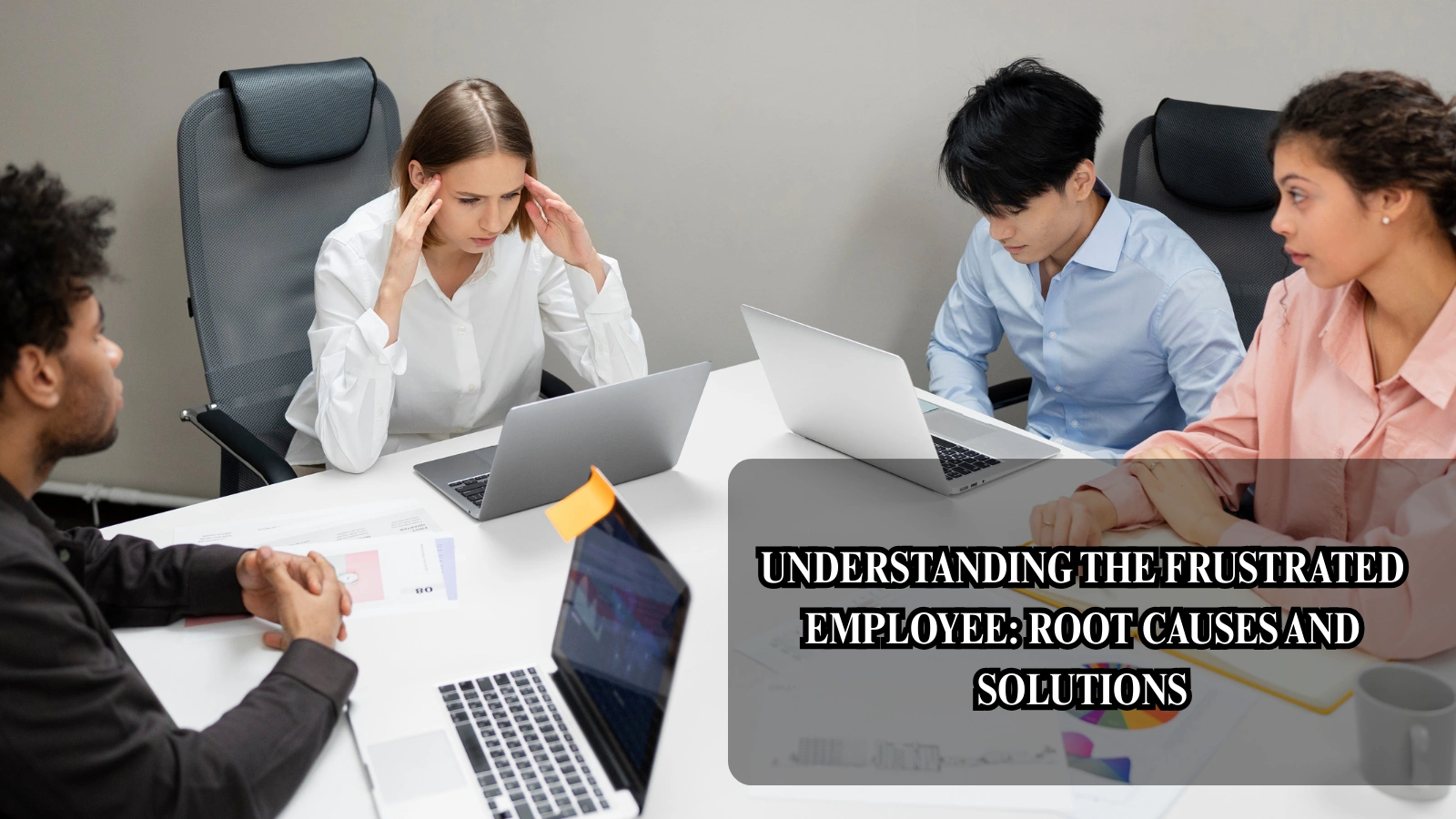
A frustrated employee often faces unmet expectations, a lack of clarity, or insufficient resources. Understanding the root causes is key:
- Workload Imbalance: Assigning excessive tasks without sufficient support overwhelms employees. This often leads to stress, burnout, and reduced productivity. Managers should prioritize tasks and provide resources to maintain a balanced workload.
- Poor Communication: Unclear instructions, ambiguous expectations, or a lack of feedback create confusion and frustration. Miscommunication can cause mistakes and lower morale. Encouraging open and transparent communication prevents unnecessary stress.
- Limited Recognition: Employees who feel their efforts go unnoticed may become disengaged. Regular acknowledgment of achievements boosts morale and reinforces positive behavior. Recognition fosters motivation and reduces frustration.
- Career Stagnation: When employees see no opportunity for advancement or skill growth, frustration increases. Ambitious employees may feel stuck and disengage from their work. Providing clear career paths and development opportunities encourages retention and satisfaction.
- Solutions: Managers can reduce frustration by balancing workloads, improving communication, offering feedback, and recognizing achievements. Addressing these root causes proactively promotes engagement and a healthier work environment.
Solutions include balancing workloads, fostering transparent communication, and providing regular feedback and recognition. Addressing these factors reduces frustration and improves engagement.
How Empmonitor Helps In Monitoring Disgruntled Employees?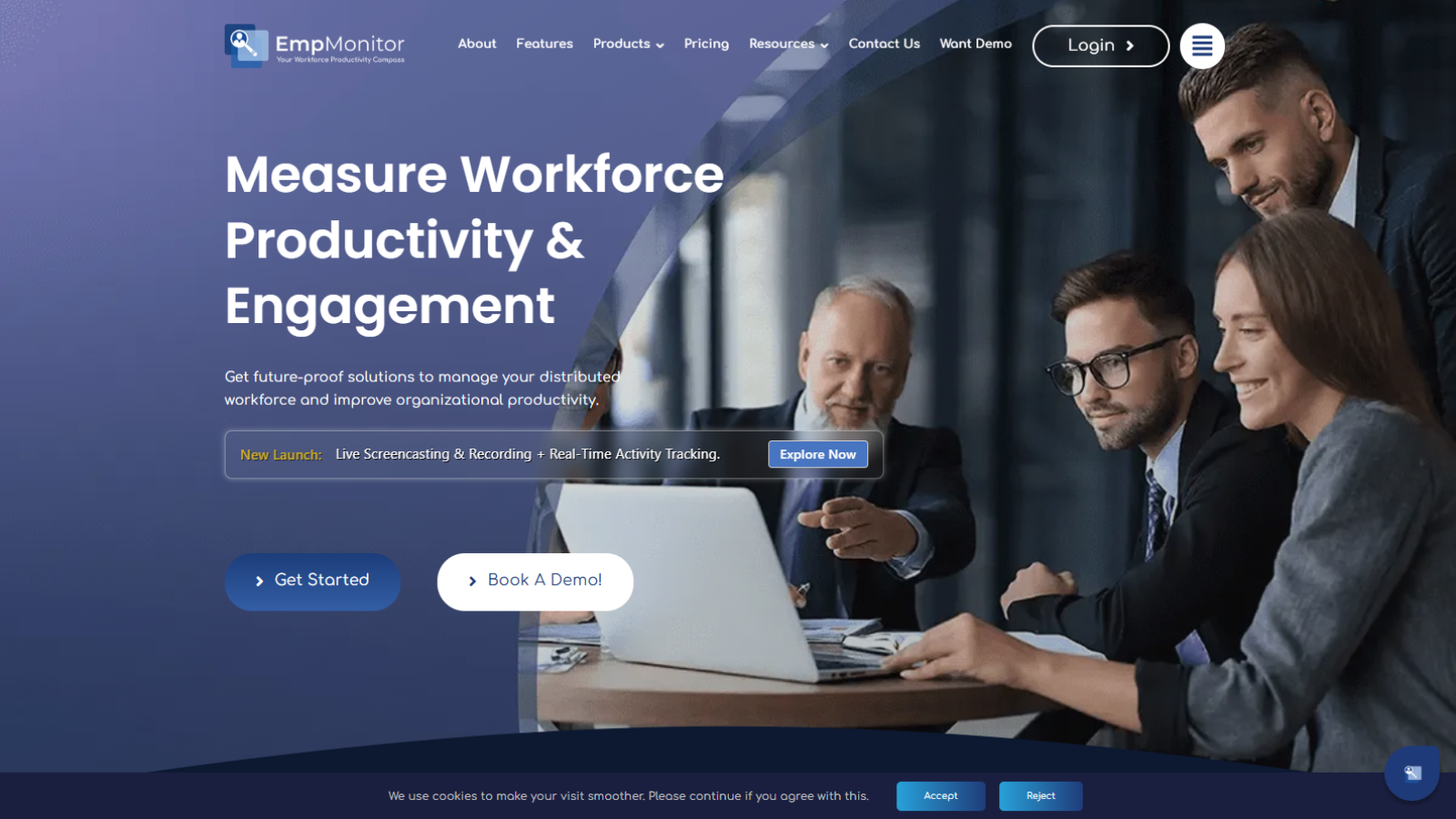
Managing a disgruntled employee requires insight into behavior, work patterns, and engagement. EmpMonitor offers a powerful suite of tools to give managers exactly that, making it easier to identify and address frustration before it escalates.
- Employee Monitoring Software: By providing detailed activity analysis and context-rich reports, managers can spot drops in productivity or unusual behavior. This insight helps detect early signs of disengagement or dissatisfaction in employees.
- Time-Tracking: Monitoring working hours, productive vs. idle time, and generating automated timesheets helps managers assess performance objectively. Patterns of inefficiency or repeated idle time may indicate frustration or low morale.
- User Activity Monitoring: Tracking software usage, websites, and engagement allows managers to detect when employees may feel disengaged or distracted. Early identification of these patterns helps prevent larger workplace conflicts.
- Insider Threat Prevention: Insider Threat Prevention can sometimes act negligently or harmfully. This feature helps identify potential risks in real-time, protecting both team productivity and organizational security.
- Attendance Monitoring: Streamlining attendance and leave tracking ensures accountability and reduces stress caused by misunderstandings about work hours or absences.
- Workforce Productivity & Engagement: With insights into workflow, project progress, and engagement levels, managers can address frustrations by reallocating tasks or providing support, keeping employees motivated.
- Live Screencasting & Screen Recording: Observing real-time or recorded employee activity allows managers to troubleshoot issues, offer training, and ensure compliance. This transparency helps resolve frustration points quickly.
- Real-Time Activities Tracking: A centralized dashboard showing active/idle status, app usage, and task progress gives a complete picture of employee engagement. Managers can intervene proactively to re-engage a frustrated employee before their dissatisfaction spreads.
By leveraging these EmpMonitor features, organizations can monitor disgruntled employees effectively, maintain productivity, and foster a more engaged and satisfied workforce.
Creating A Feedback-Driven Culture To Reduce Employee Frustration
It often arises when concerns go unnoticed or unresolved. Creating a feedback-driven culture helps address issues before they escalate. Encourage two-way communication, where employees feel safe sharing their thoughts, complaints, or suggestions. This openness ensures management stays aware of potential dissatisfaction.
Conduct periodic surveys to gather insights on team morale, workload challenges, and workplace satisfaction. These surveys reveal patterns of frustration, enabling managers to take proactive measures. By analyzing responses, leaders can identify trends that may otherwise go unnoticed.
Provide constructive reviews that focus on strengths, improvement areas, and clear guidance for development. Employees appreciate feedback that is actionable and specific rather than vague criticism. Regular performance discussions reinforce expectations and help employees feel supported.
Act on feedback promptly to build trust. When employees see that management responds to their concerns, it reduces resentment and demonstrates genuine care. Timely action can prevent minor grievances from turning into chronic dissatisfaction.
By embedding these practices into daily operations, organizations can reduce the risk of frustrated employees becoming disgruntled, improve engagement, and foster a more positive, productive workplace culture.
Training Managers To Handle Disgruntled Employees Effectively
Managers play a key role in mitigating dissatisfaction. Training programs should focus on:
- Conflict resolution skills: Managers must learn to address disagreements and disputes quickly and fairly. Proper resolution prevents minor issues from escalating into serious workplace problems. Skilled managers help maintain harmony and reduce frustration among employees.
- Emotional intelligence: Understanding and managing both their own emotions and those of employees allows managers to respond thoughtfully. High emotional intelligence fosters trust, respect, and a supportive work environment. This helps in calming disgruntled employees effectively.
- Active listening and empathy: Paying close attention and empathizing with employee concerns makes staff feel heard and valued. It builds rapport and can diffuse tension. Active listening allows managers to identify underlying causes of dissatisfaction.
- Performance coaching techniques: Guiding employees constructively to improve skills and meet expectations reduces frustration. Managers who provide actionable feedback encourage growth and engagement. Coaching strengthens employee confidence and motivation.
- Recognizing early warning signs of disengagement: Spotting behaviors like decreased productivity, negative attitudes, or absenteeism helps prevent issues from worsening. Early intervention can redirect a disgruntled employee toward positive performance. Proactive managers maintain team morale and productivity.
Equipping managers with these skills ensures they can handle disgruntled employees calmly, professionally, and constructively.
Legal And Hr Considerations When Handling Disgruntled Employees
Handling a disgruntled employee requires more than managerial skill; it demands adherence to legal and HR frameworks. Managers must stay aware of labor laws, company policies, and employment contracts to avoid disputes. Proper documentation of complaints, meetings, performance evaluations, and corrective actions is essential for transparency and accountability.
Disciplinary actions should always comply with regulations, and HR should be involved in every step. This ensures fairness and protects both the employee and the organization from potential legal issues. Maintaining clear, unbiased processes helps prevent conflicts from escalating and demonstrates professionalism in managing frustrated or dissatisfied employees.
A legally sound approach also signals to the workforce that the organization values fairness and consistency, which in turn can reduce the likelihood of employee frustration turning into long-term disengagement.
Case Studies: Successful Handling Of Disgruntled Employees
Practical examples show how proactive intervention can convert frustrated employees into engaged, high-performing team members:
- Case 1: A highly skilled employee showed signs of frustration due to workload imbalance. Through mentorship, workload adjustments, and personalized support, the employee’s performance improved significantly, and their engagement with the team increased.
- Case 2: Another organization introduced regular feedback loops and recognition programs for employees expressing dissatisfaction. Over time, complaints decreased, morale improved, and overall team productivity rose.
These cases highlight that early detection, structured intervention, and consistent support can turn negativity into productive outcomes. Managers who combine empathy with clear procedures can prevent frustration from escalating, ensuring a healthier work environment for all.
Conclusion:
Disgruntled employees present challenges but also opportunities. By recognizing signs, addressing root causes, and implementing structured strategies, organizations can improve productivity, morale, and engagement. Tools like EmpMonitor amplify management capabilities by providing actionable insights, activity tracking, and workflow monitoring. With proactive leadership, a feedback-driven culture, and efficient monitoring, even frustrated employees can become motivated, loyal, and high-performing members of the team.
FAQs
- What is a disgruntled employee?
It feels dissatisfied due to poor work conditions, lack of recognition, or ineffective management. Their frustration often reduces motivation and engagement. If left unaddressed, it can impact team morale and overall productivity. - How can managers identify signs of a disgruntled employee?
Managers can spot a disgruntled employee by looking for decreased productivity, frequent complaints, or negative behavior. Isolation from team activities and increased absenteeism are also strong indicators. Early identification allows proactive intervention before issues escalate. - How to deal with a disgruntled employee?
Address concerns through open and honest dialogue to understand the root causes. Set clear expectations, provide support or mentorship, and recognize achievements. Offering growth opportunities can transform dissatisfaction into motivation and engagement.