

The rise of artificial intelligence (AI) and automation is transforming the professional services sector. Accounting firms, legal practices, consulting agencies, and other service providers are increasingly adopting these technologies to improve efficiency, reduce errors, and deliver more value to clients. As businesses face growing expectations for speed, accuracy, and insight, AI and automation are becoming essential tools for staying competitive and supporting long-term consulting growth strategies.
Streamlining Repetitive Tasks
One of the most immediate benefits of AI and automation is the ability to handle repetitive, time-consuming tasks. In accounting and finance, software can automatically reconcile transactions, generate reports, and even flag anomalies for review. Legal firms are using AI-powered tools to draft contracts, analyse case law, and perform document review faster than human teams alone.
By automating routine processes, professional service providers, supported by advanced AI Solutions that streamline workflows and improve efficiency, free staff to focus on higher-value work such as strategy, advisory, and client relationship management. This not only improves operational efficiency but also reduces the risk of human error, a critical factor in industries where accuracy is essential.
Enhancing Decision-Making With Data Insights


AI-driven analytics provide professional services firms with deeper insights into client data. These insights can also be applied in branding and positioning tasks, such as using an AI logo approach to quickly test and refine visual identity concepts based on data-driven audience preferences. Machine learning algorithms can identify patterns, forecast trends, and highlight potential risks, enabling consultants, accountants, and legal advisors to make more informed recommendations.
With platforms like EmpMonitor, professional service firms can gain actionable insights into employee performance, using real-time data to make proactive decisions and offer timely support where necessary.
For example, a consulting firm can use predictive analytics to anticipate market shifts for a client, while an accounting firm can identify financial trends that inform strategic planning. These insights allow professionals to move from reactive problem-solving to proactive advisory, delivering tangible value to clients.
Improving Client Engagement
Automation and AI also enhance client interaction. Chatbots, virtual assistants, and automated scheduling tools streamline communication, providing clients with immediate responses and 24/7 support for routine inquiries. This technology helps professional service providers maintain high levels of client satisfaction while managing larger client bases without adding headcount.
Additionally, AI can personalise services by analysing client behaviour and preferences. A law firm, for instance, could provide tailored updates on relevant cases or regulatory changes, ensuring clients receive timely and customised advice.
Reducing Operational Costs
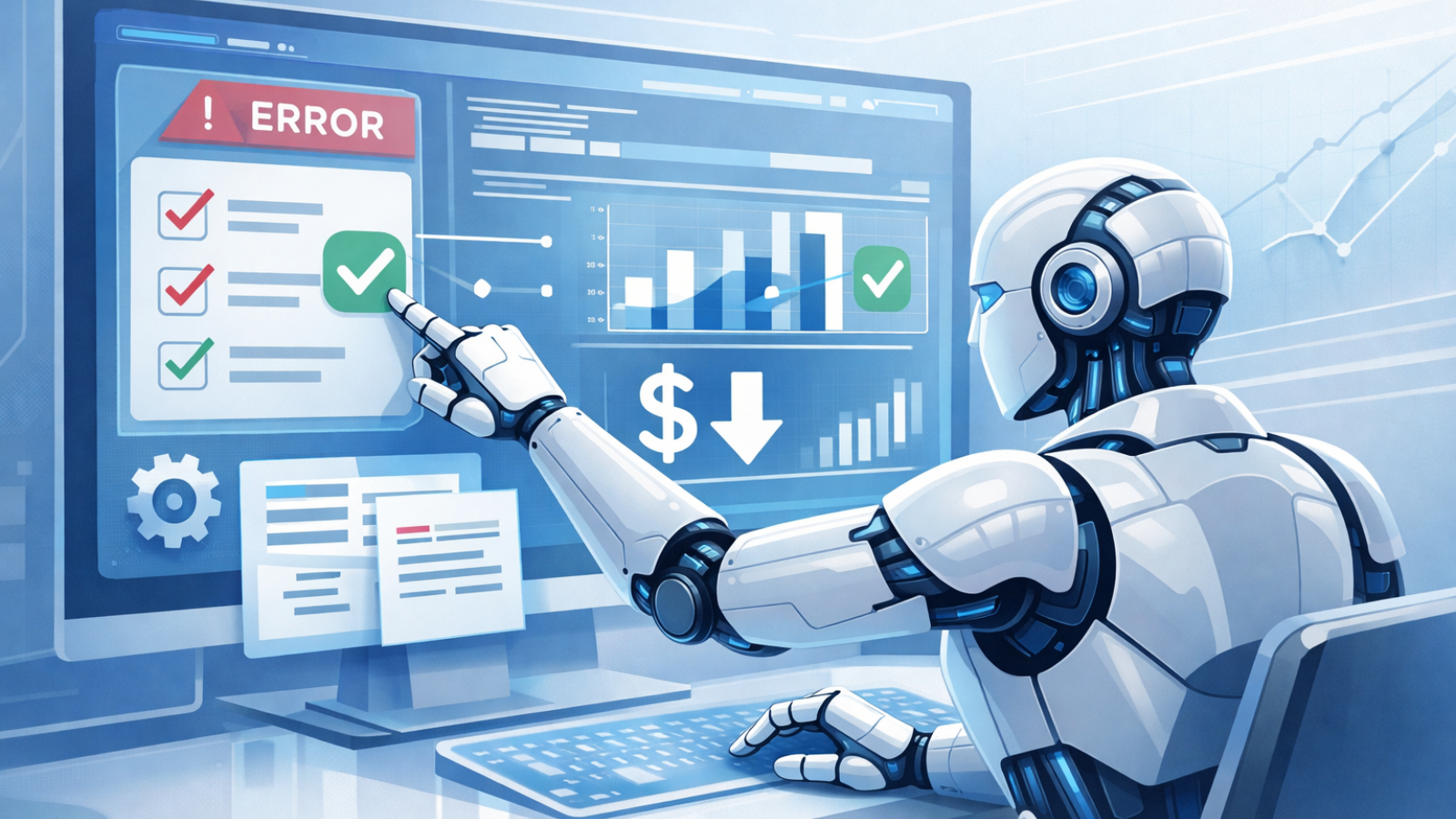
Adopting AI and automation can significantly reduce operational costs for professional service firms. By automating routine workflows, firms can decrease manual labour, reduce errors that require costly correction, and optimise resource allocation. Achieving those savings often means partnering with a company like Logix Built to automate business workflows through AI the right way.
Smaller firms and solo practitioners benefit especially, as they can scale service delivery without proportionally increasing staff. This efficiency allows firms to remain competitive while maintaining high-quality output.
Supporting Compliance And Risk Management
Regulatory compliance is a major concern in professional services, from finance and accounting to legal and consulting practices. AI can monitor transactions, contracts, and communications to ensure adherence to rules and standards. Automation tools generate audit trails and documentation that simplify compliance reporting and risk management.
Business insurance also plays a role in this landscape. Firms that integrate AI and automation alongside professional liability and cyber coverage can manage operational risks more effectively. Combining AI-driven processes with insurance and risk management strengthens a consulting firm’s resilience, allowing teams to focus on executing strategic growth initiatives confidently.
Enabling Remote And Flexible Work
AI and automation facilitate remote work and distributed teams by providing cloud-based platforms for collaboration, task management, and client communication. Professionals can access AI-powered tools from anywhere, ensuring continuity of service even when teams are geographically dispersed.
This flexibility has become increasingly important in the modern business environment, where clients expect prompt responses and consistent service regardless of location. Automation ensures workflows continue smoothly, while AI supports decision-making and analysis without physical presence.
Challenges And Considerations
While AI and automation bring clear benefits, professional service providers must navigate challenges to implement them effectively. AI consulting services can help firms assess data readiness, prioritize suitable use cases, and plan integration with existing systems. Key considerations include:
- Data quality: AI relies on accurate, structured data; poor data can lead to incorrect insights.
- Staff training: Professionals need training to leverage AI tools effectively and interpret results accurately.
- Integration with existing systems: Technology must work seamlessly with current workflows to deliver real value.
- Ethics and compliance: AI decisions must adhere to professional standards and regulatory requirements, particularly in sensitive areas like law and finance.
Tips To Harness The Benefits Of AI In Your Business: Where To begin
There are clear benefits to adopting AI to run a business successfully in 2026 and beyond, but it’s not always easy to know how best to use this technology. If you’re not an expert in AI, it’s useful to seek professional advice and get recommendations that are relevant to your business.
Working with a top-rated software development company is a fantastic first step. You can work alongside software developers to conjure up AI-based solutions, targeted tools, and innovative features that will help you tackle and overcome pain points, improve workflows, and supercharge efficiency. There are also benefits in terms of freeing up time for employees, offering a better service for clients, and gaining a competitive advantage.
When you work with professionals, they will review your existing software, discuss your requirements and goals, and explore ideas to come up with a personalized plan. This will help push your business forward while addressing niggles and weaknesses.
The Future Of Professional Service Delivery
AI and automation are reshaping the way professional services are delivered. Firms that embrace these technologies can offer faster, more accurate, and more personalised services while controlling costs and managing risk.
Over time, the role of professionals is evolving. Routine tasks are increasingly handled by technology, allowing humans to focus on strategic thinking, client engagement, and complex problem-solving. This shift enhances value for clients and creates opportunities for firms to differentiate themselves through insight, innovation, and exceptional service.
Professional service providers that integrate AI and automation into their workflows, combined with prudent risk management and business insurance, will be better positioned to adapt to changing client expectations and market conditions. Those that resist technological adoption risk falling behind competitors who can deliver smarter, faster, and more reliable services.