
Managing employee shifts isn’t easy. Especially when you need round-the-clock coverage without overloading your team. That’s where the 2-2-3 schedule comes in. This rotating shift pattern helps balance workdays and off-days, keeping operations smooth while giving employees enough rest. But as an employer or manager, you may wonder, how do you actually set it up the right way?
From planning shifts to maintaining high productivity and preventing burnout, there are several key considerations to keep in mind. In this blog, we’ll walk you through how the 2-2-3 schedule works and the steps to implement it effectively, so you can build a system that works well for both your business and your employees.
So, let’s get started with the basics-
In A Hurry? Listen To The Podcast Now-
What Is a 2-2-3 Schedule?


A 2-2-3 schedule is a type of rotating shift pattern that helps businesses maintain 24/7 coverage while giving employees regular time off. In this system, employees work 12-hour shifts over a 28-day cycle.
Each team works two days in a row, gets two days off, and then works another three days consecutively. The cycle then repeats, ensuring consistent coverage throughout the month. Typically, organizations divide employees into four teams. While one team works day shifts, another works nights, and the rotation continues.
This schedule template is popular in hospitals, law enforcement, manufacturing, and call centers. Employees under a 2-2-3 schedule usually work about 14 twelve-hour shifts per month. Compared to standard 8-hour shifts, they work fewer days per year but enjoy longer rest periods.
Tools like EmpMonitor can help managers track shifts, attendance, and performance efficiently, ensuring smooth operations under a 2-2-3 schedule.
Why A 2-2-3 Schedule Matters for Employers?
A 2-2-3 schedule benefits employers in several key ways:
- Consistent Coverage: Ensures 24/7 operations with no gaps in staffing.
- Reduced Burnout: Employees get regular rest, which boosts productivity.
- Better Planning: Managers can assign workloads clearly and avoid confusion.
- Employee Satisfaction: Staff know their work and off days in advance.
- Operational Efficiency: Fewer shift gaps mean smoother daily operations.
- Simplified Tracking: Using time tracking software helps monitor hours, attendance, and compliance under a 2-2-3 schedule.
- Balanced Workforce: Maintains high performance without overloading employees.
Implementing the 2-2-3 schedule thoughtfully helps employers achieve efficiency while supporting employee well-being.
Which Industries Use the 2-2-3 Schedule Pattern?
The 2-2-3 schedule is very popular in jobs that require people on deck 24/7. If the business never stops, this schedule helps keep things running smoothly and ensures employees get regular breaks.
Some common industries using it are:
- Healthcare: Hospitals, nursing homes, and clinics that need staff available all the time. Doctors, nurses, and support teams rely on this schedule to cover day and night shifts without exhausting staff.
- Manufacturing: Factories that run around the clock to meet production goals. Continuous operations need consistent staffing, which a 2-2-3 schedule easily provides.
- Emergency Services: Police, fire departments, EMS, and dispatch centers use it to ensure someone is always ready to respond.
- Security: Guards and surveillance teams covering shifts day and night benefit from the rotation pattern.
- Utilities & Customer Support: Teams handling power, water, or 24/7 support lines can maintain service levels without overworking employees.
These industries choose the 2-2-3 schedule because it balances coverage and rest. When paired with time management software, scheduling, rotations, and attendance tracking become much easier. It keeps operations smooth, predictable, and helps employees stay productive without burning out.
What Are The Variations of the 2-2-3 Schedule?
The 2-2-3 schedule is not a one-size-fits-all system. Many organizations customize it to fit their staffing needs, workload, and operational demands. Choosing the right variation can help maintain productivity, reduce employee fatigue, and improve overall satisfaction.
Here are the most common variations:
- Panama Plus: Panama schedule has 8-hour shifts. It also has standard 12-hour ones. It helps prevent stress and avoids having employees work too many consecutive night shifts. However, switching between different shift lengths can disrupt sleep patterns and take some getting used to.
- Pitman Schedule: The Pitman schedule is about keeping employees on fixed day or night shifts while maintaining the 2-2-3 rhythm. It helps reduce overtime and ensures a fair rotation for everyone. On the downside, alternating day and night shifts can still affect sleep cycles and energy levels.
- DuPont Schedule: A more complex 28-day rotation with 12-hour shifts, the DuPont schedule includes a full week off at the end of the cycle. This gives employees extended recovery time and boosts morale. The challenge is that fatigue may build toward the end of the cycle, requiring careful monitoring.
No matter which variation you choose, tools like EmpMonitor can make managing shifts, attendance, and performance under a 2-2-3 schedule much easier. These tools help you automate rotations, track hours, and ensure your workforce remains productive and satisfied. Picking the right 2-2-3 schedule variation can keep your operations running smoothly while supporting employee well-being.
How Does A 2-2-3 Schedule Work?

The 2-2-3 schedule is a rotating shift system designed to provide 24/7 coverage while giving employees regular rest periods. It’s widely used in industries such as healthcare, manufacturing, emergency services, and customer support, where operations never stop. This schedule manages workforce needs with employee well-being.
Here’s the basic structure:
employees are divided into four teams, each working 12-hour shifts in a repeating cycle:
2 days on – two consecutive workdays
2 days off – two full days of rest
3 days on – three consecutive workdays
For the second week, the rotation flips:
2 days off
2 days on
3 days off
This cycle repeats continuously over 28 days. Each team gets every other weekend off and several consecutive days off, which helps improve work-life balance. Employees on this schedule generally work about 14 twelve-hour shifts per month, totaling roughly 180 workdays a year, compared to 260 workdays for standard 8-hour shift workers.
The 2-2-3 schedule makes staffing easier for managers. The predictable pattern enables better planning, ensures full coverage, and reduces shift gaps. Employees also benefit from knowing their schedules in advance, which reduces stress and enhances satisfaction.
Tools like EmpMonitor make managing a 2 2 3 schedule simple. Managers can track shifts, monitor attendance, and analyze productivity, all in one platform. Automating these tasks reduces errors, saves time, and ensures compliance with labor regulations.
In short, the 2-2-3 schedule works by creating a consistent, repeating cycle of workdays and rest days. It keeps operations running smoothly, improves employee morale, and helps managers plan efficiently. For any organization that needs continuous staffing, understanding and implementing a 2-2-3 schedule is a practical solution for productivity and workforce satisfaction.
Also Read
How To Use A Schedule Template To Maximize Your Day?
The Complete Guide To Understanding The Panama Schedule
Time Off Request- Meaning, What To Include In Policy, & More!
How to Implement a 2-2-3 Schedule at Work?
Implementing a 2-2-3 schedule at work may seem tricky at first, but with the right approach, it can run smoothly and boost productivity. Here’s how employers and managers can get it right.
1. Communicate with Your Team
Clear communication is key. Share employee schedules in advance so everyone understands their shifts. Let workers request time off without disrupting operations. Shift changes should be easy and organized. Employees should follow the rules and share updates right away. This helps everyone stay informed and avoids mix-ups.
2. Define Shift Start Times
Set start times that work for both your organization and employees. For example, starting shifts at 7 a.m. and 7 p.m. is better than 3 p.m. and 3 a.m. It helps employees avoid traffic and handle personal tasks more easily. Ask your employees for input to balance organizational needs with their preferences. Engaging them increases satisfaction and makes the 2-2-3 schedule easier to manage.
3. Watch for Fatigue
Employees on a 2-2-3 schedule can get tired quickly, even if they don’t feel it immediately. Managers should monitor employee energy levels, watch for employee reactions, poor focus, or forgetfulness, and ask employees regularly about fatigue. Early detection prevents burnout and keeps operations safe and efficient.
4. Encourage Breaks
Breaks are essential, especially during long 12-hour shifts. Even short breaks help employees recharge, maintain focus, and stay productive. Using a time tracker tool can simplify logging and tracking breaks while ensuring compliance and identifying trends.
5. Optimize Workspaces
Good lighting helps employees stay alert during long shifts. Bright, daylight-like lighting in work areas improves focus, reduces stress, and supports healthier circadian rhythms, especially for teams in healthcare, manufacturing, or plant floors.
6. Use Automated Scheduling Software
Managing a 2-2-3 schedule manually is hard. Automated software, like EmpMonitor, can streamline scheduling, track attendance, and handle last-minute changes. These tools ensure the right staff is in the right place at the right time while reducing stress for managers and employees.
By following these steps, employers can implement a 2-2-3 schedule that keeps operations smooth, employees happy, and productivity high.
How EmpMonitor Helps You Implement a 2-2-3 Schedule at Work?
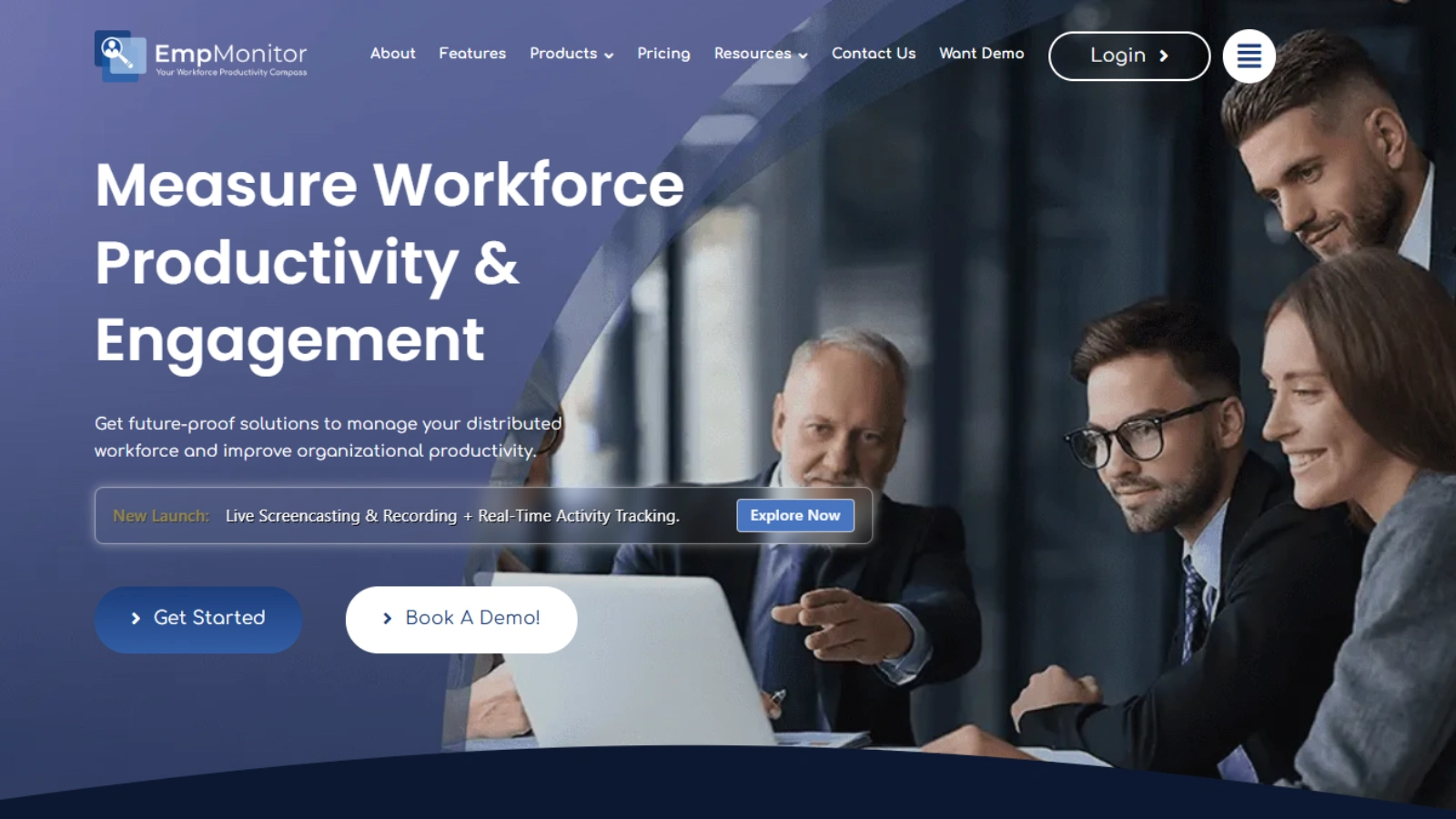

Managing a 2-2-3 schedule can get complicated without the right tools. EmpMonitor makes it simple for employers and managers to implement and maintain this schedule effectively. Here’s how:
1. Automated Shift Scheduling
EmpMonitor allows you to create rotating 2-2-3 shifts automatically. You can set start and end times, assign teams, and the software will handle the rotation. This reduces errors and ensures full coverage without overworking employees.
2. Attendance Tracking
With EmpMonitor, you can track when employees start and finish their shifts in real time. This helps managers make sure everyone follows the 2-2-3 schedule and prevents missed shifts or gaps in coverage.
3. Monitoring Employee Productivity
EmpMonitor tracks employee activity throughout their shifts. This allows managers to see if workers are staying focused, taking proper breaks, and not overworking. It also helps identify signs of fatigue early, keeping teams safe and efficient.
4. Time-Off and Shift Requests
Employees can request time off or swap shifts through the platform. Managers can approve or adjust schedules without disrupting the 2-2-3 rotation. This maintains a flexible schedule while maintaining coverage.
5. Reports and Insights
EmpMonitor generates reports on attendance, hours worked, and shift compliance. This provides managers with a clear picture of workforce performance under the 2-2-3 schedule and aids in optimizing staffing for future cycles.
6. Mobile Access
Managers and employees can access schedules and updates from anywhere via mobile devices. This ensures everyone knows their shifts and any changes on the spot.
By using EmpMonitor, implementing a 2-2-3 schedule becomes straightforward. It simplifies scheduling, tracking, and reporting, reduces errors, and keeps employees satisfied and productive. Managers get control over workforce planning, and employees get a fair, predictable schedule, all in one platform.
What Are The Challenges of a 2-2-3 Schedule at Work?
While the 2-2-3 schedule offers numerous benefits, it also comes with challenges that employers and managers must address.
1. Long Shifts Can Be Exhausting
Twelve-hour shifts often drain employees physically and mentally. Night shifts, in particular, make it harder for staff to stay alert and productive. Over time, fatigue can hurt performance and even increase safety risks.
2. Work-Life Balance Issues
Employees may find it hard to manage family responsibilities, personal commitments, or even basic routines like sleep and meals. Constantly switching between workdays and off days can disrupt personal lives and cause stress.
3. Uneven Shift Distribution
If schedules aren’t planned carefully, some employees may feel they’re stuck with more night shifts or less favorable rotations. This can lead to resentment and higher turnover. Ensuring fairness is key in managing a 2-2-3 schedule.
4. Communication and Handoffs
Smooth handoffs between teams are critical. If employees don’t share updates clearly or follow shift policies, confusion builds up. This can result in mistakes, delays, or missed tasks.
5. Compliance and Errors
Labor laws, overtime rules, and scheduling errors can make the system tricky to manage. Without proper tools, managers may face compliance issues or costly mistakes.
6. Employee Morale and Isolation
Since teams work in rotations, some employees may rarely interact with others outside their shift group. This can lead to a feeling of isolation, making team collaboration harder.
In short, a 2-2-3 schedule can boost efficiency, but only if managers actively address these challenges. Using scheduling tools, monitoring fatigue, and ensuring fair rotations are essential steps to keep employees motivated and operations smooth.
The Bottom Line
The 2-2-3 schedule can be a powerful way to maintain 24/7 coverage while supporting employee work-life balance. But like any system, it comes with challenges such as fatigue, fairness concerns, and compliance risks. For employers and managers, success depends on how well the schedule is implemented and managed. Clear communication, fair shift distribution, and the right workforce tools can make all the difference.
When done right, this schedule not only keeps operations running smoothly but also helps employees feel supported and engaged. By focusing on both efficiency and employee well-being, you can turn the 2-2-3 schedule into a long-term advantage for your workplace.
FAQs
Q. What are the main benefits of the 2-2-3 schedule?
It offers predictable time off, improves work-life balance, and reduces burnout compared to other rotating schedules.
Q. What’s the difference between the 2-2-3 schedule and a regular 9–5 schedule?
The 2-2-3 schedule is designed for 24/7 coverage with rotating long shifts. A 9–5 is fixed, shorter, and doesn’t work for industries that never close.
Q. How long is a 2-2-3 schedule cycle?
It runs on a 14-day cycle, repeating every two weeks.